Costa Rica Places to Visit: Quick Answer for Fall Travelers

Costa Rica places to visit in fall deliver peak wildlife activity, lush green landscapes, and significantly fewer crowds than the dry season, especially on the Caribbean side where September and October are statistically the driest months. This guide covers seven bucket-list experiences tailored for the green season, a practical three-day itinerary connecting the central volcanoes and Caribbean lowlands, and the specific logistics you need to book ahead. You will learn exactly where to go, how many days to allow, and the one mistake that ruins most first-time fall itineraries.
Free Costa Rica trip checklist
Get the printable itinerary outline and packing checklist for Costa Rica, sent straight to your inbox.
No spam. One email with your checklist.
7 Costa Rica Places to Visit for a Fall Bucket List
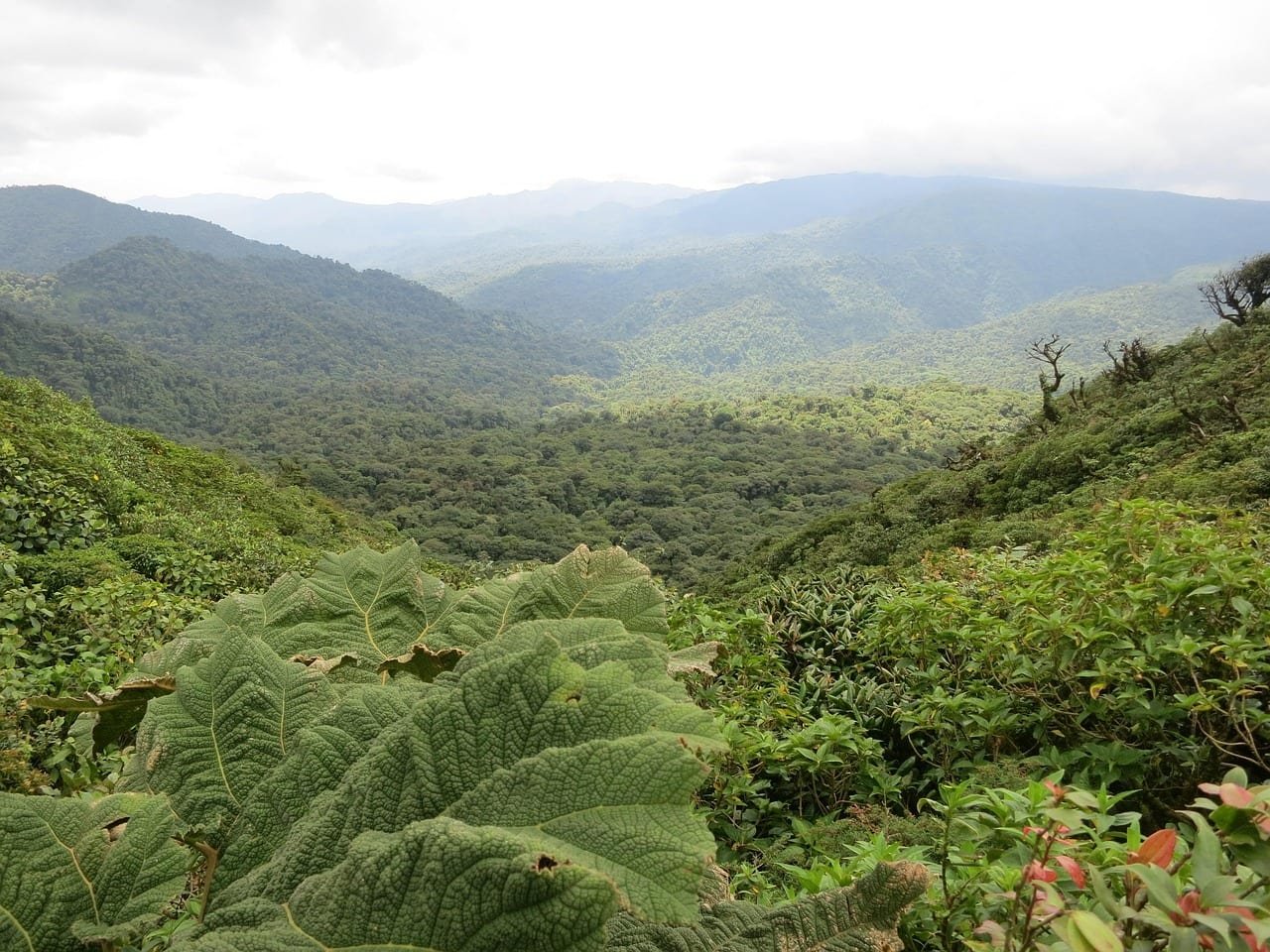
The following seven experiences are chosen because they either peak in fall or remain spectacular while shedding the dry-season crowds. Each entry includes the realistic time needed, the best hour to be there, and a booking reality check.
1Arenal Volcano & La Fortuna Waterfall

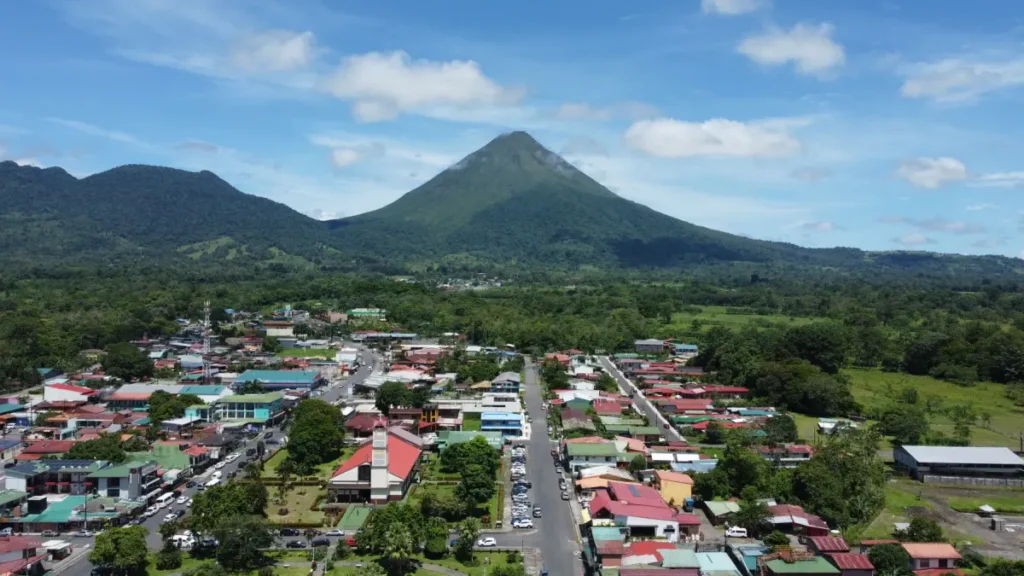
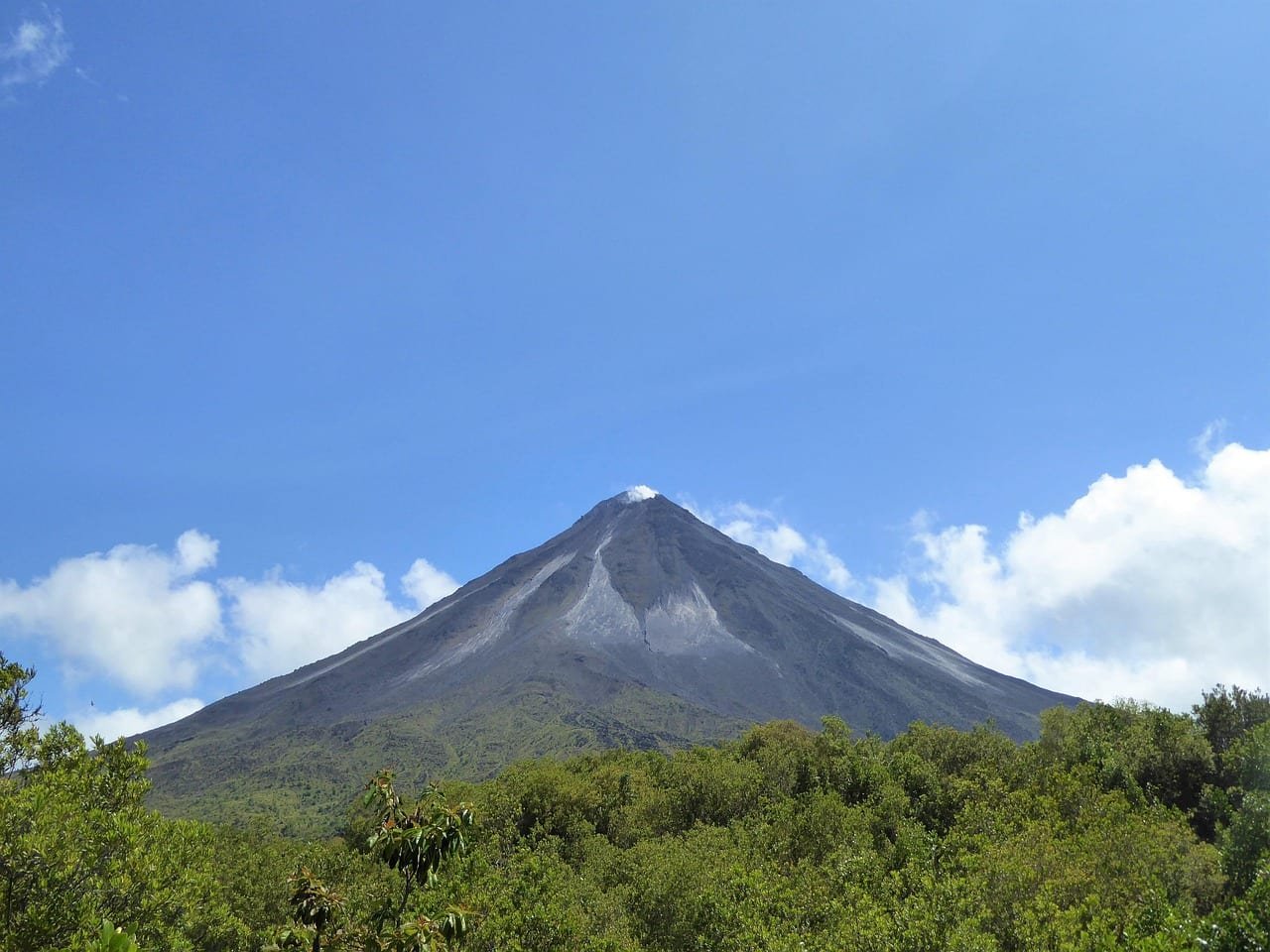
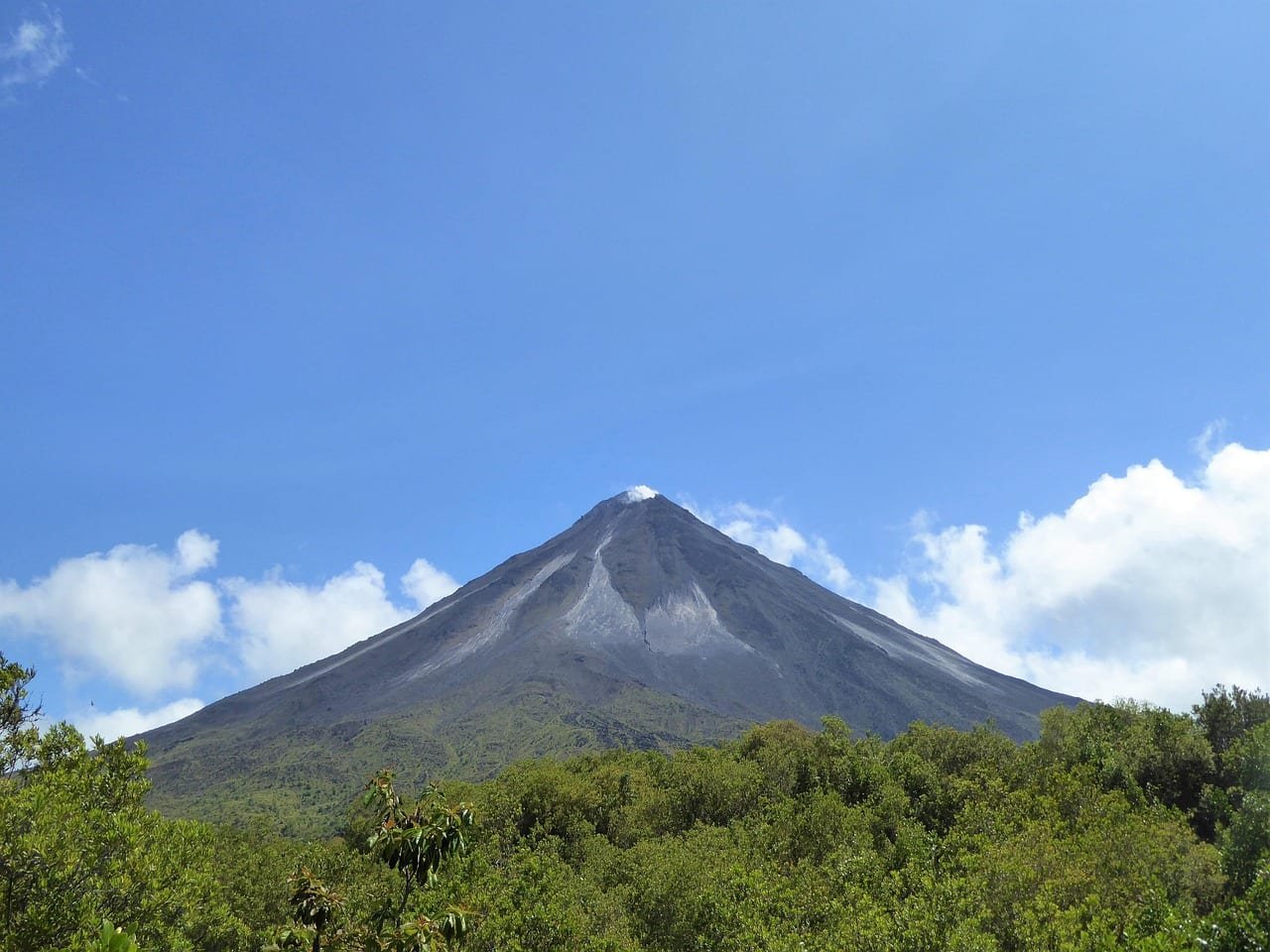
Arenal's symmetrical cone dominates the skyline, and fall clouds often clear by mid-morning for postcard views. Allow three hours for the La Fortuna Waterfall hike (500 steps down, steep climb back) and arrive by 8:00 AM to beat tour buses. The Arenal 1968 trail network offers lava-flow walks with lake vistas; budget two hours. Evening thermal springs (Tabacón or Ecotermales) require advance reservation, book 60 days out for Tabacón's premium slots. Entry to the waterfall is roughly $18 USD; park trails $15 USD.
2Monteverde Cloud Forest Reserve

Mist defines Monteverde, and fall brings the heaviest drizzle, wear a proper shell, not a poncho. The reserve opens at 7:00 AM; be on the Sendero Bosque Nuboso trail by 7:15 AM for the best resplendent quetzal sightings (nesting season winds down in September). Night walks (book through the reserve office) reveal tarantulas, sleeping birds, and bioluminescent fungi; they start at 5:30 PM and last 90 minutes. Reserve entry is $25 USD; night walk $35 USD.
3Tortuguero National Park Canals
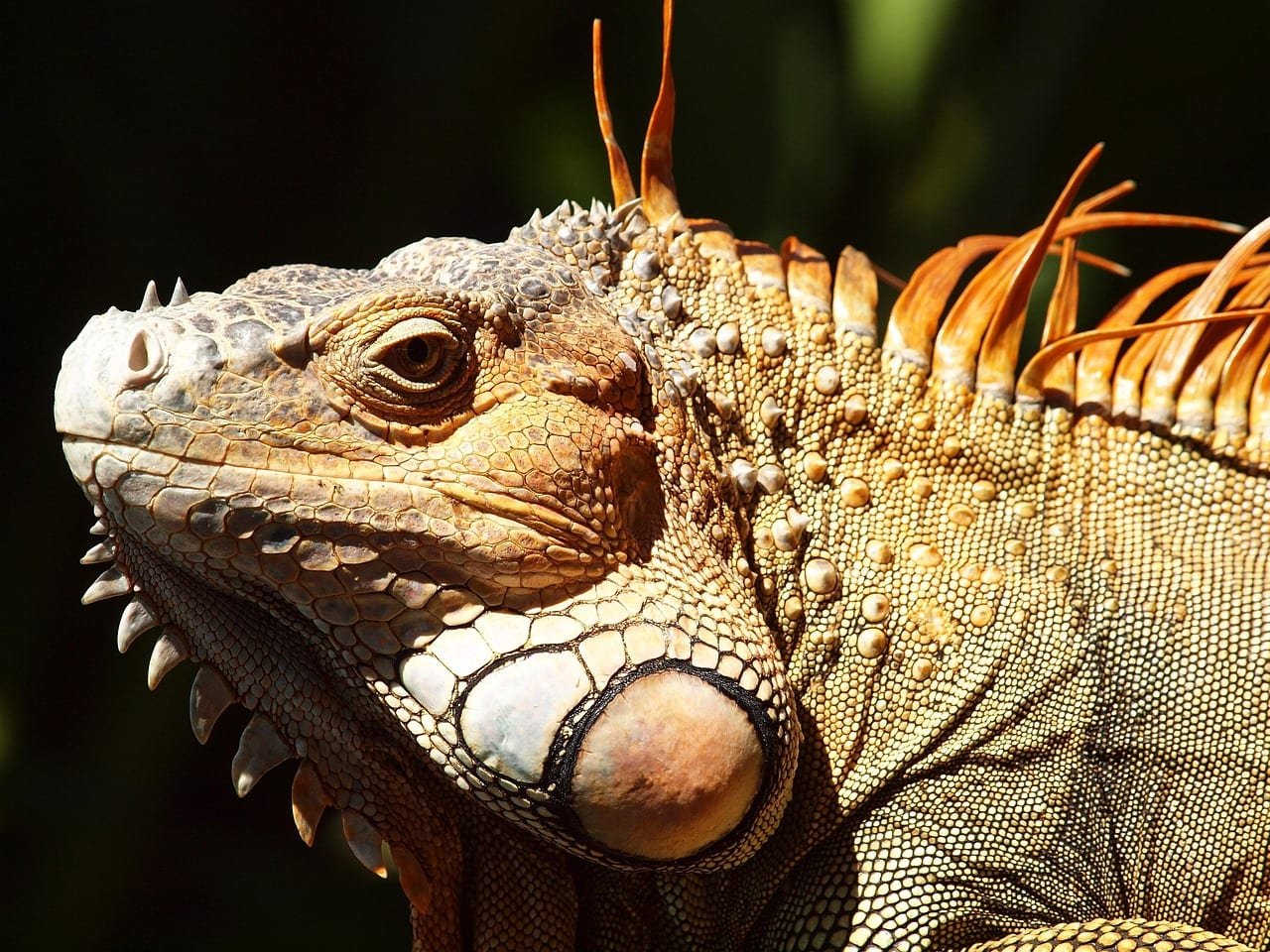
Tortuguero has no roads, access is 30-minute flight from San José or a 90-minute boat ride from La Pavona. Green sea turtles nest July–October; October nights see the highest hatchling emergence. Book a certified guide (required after 6:00 PM) through your lodge by July. Daytime canal tours (6:00 AM departure) spot caimans, howler monkeys, and basilisk lizards. Lodge packages (room, meals, tours) run $200–$350 USD per night; budget $50 USD for the boat transfer if flying in.
4Manuel Antonio National Park

Costa Rica's smallest national park packs white-sand beaches, capuchin monkeys, and sloths into 1,700 acres. Fall means fewer than 600 daily visitors (cap is 1,200 dry season). Enter at 7:00 AM sharp, tickets sell out by 9:00 AM in November. Hire a certified guide at the gate ($40 USD/group) for the 2.5-hour loop; they spot camouflaged wildlife you'll miss. Playa Espadilla Sur outside the park is free and swimmable. Park entry $18 USD; bring cash for the guide.
5Corcovado National Park (Sirena Station)
Corcovado holds 2.5% of the world's biodiversity. Sirena Station requires a permit (book 3–6 months ahead via SINAC) and a 1.5-hour boat ride from Drake Bay. Fall rains make trails muddy but rivers run clear for tapir sightings at dawn. Multi-day hikes (2 nights minimum) need a certified guide ($100 USD/day). Fly into Drake Bay (45 min from San José) to avoid the 8-hour drive. Total package $800–$1,200 USD for 3 days.
6Santa Teresa & Nicoya Peninsula

Santa Teresa's consistent swell draws surfers year-round; fall offers glassy mornings and offshore winds. Rent a board ($15 USD/day) and take a 7:00 AM lesson at Playa Carmen. The 4×4 drive from the Paquera ferry (2.5 hours from San José + 1-hour ferry) is half the adventure, stop at Montezuma waterfalls. November marks the start of the dry season; book beachfront casitas by September. Budget $80–$150 USD/night for mid-range.
7San José Central Market & Barrio Escalante
San José deserves a half-day, not a drive-through. Mercado Central opens 6:00 AM–6:00 PM; try gallo pinto at Soda Tapia (stall 42) for $4 USD. Walk 15 minutes to Barrio Escalante for craft coffee at Caféoteca and dinner at Silvestre (tasting menu $65 USD, reserve 2 weeks). The National Museum (Butterfly Garden) and Jade Museum sit between them. Uber is safer and cheaper than red taxis after dark.
Best Photo Spots & Scenic Views in Costa Rica
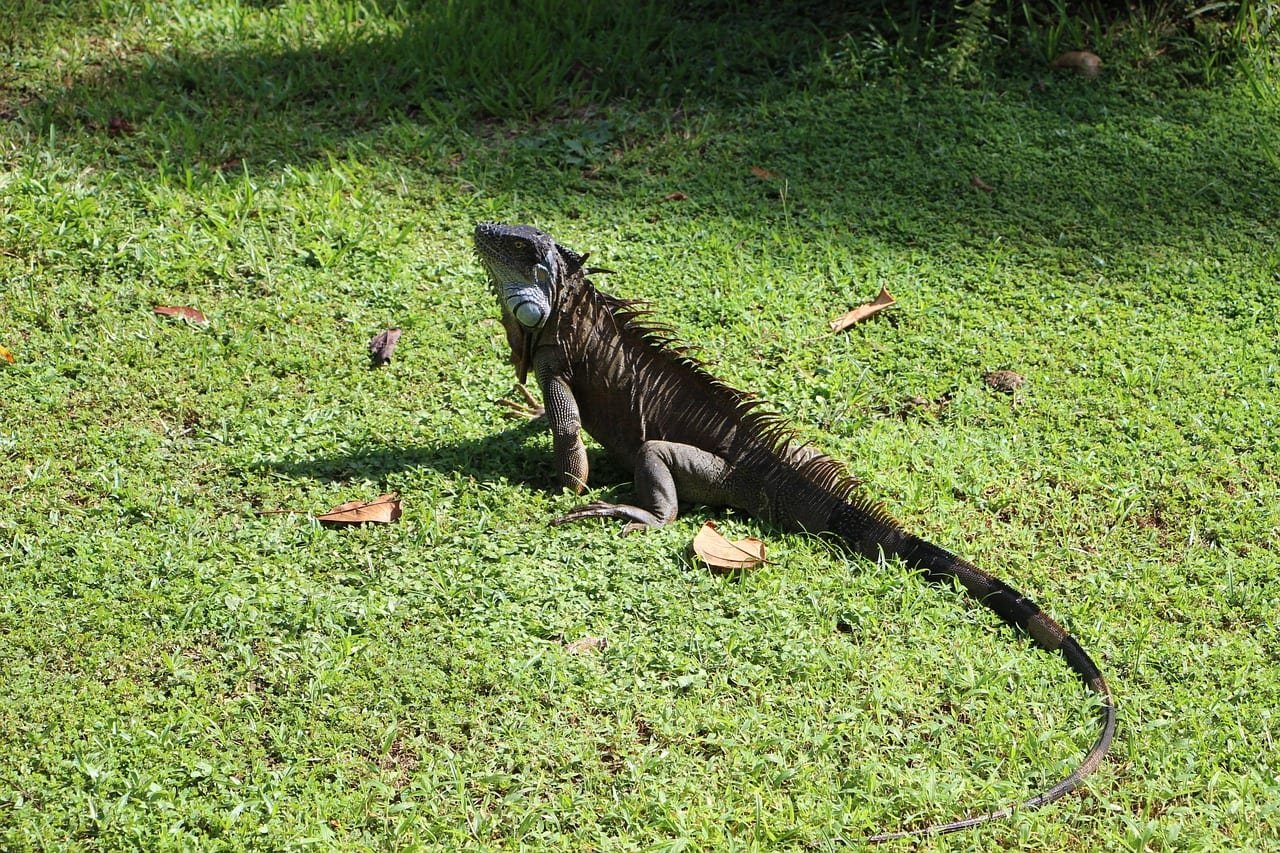
Fall light is soft and directional, use it. These three spots deliver the highest keeper rate for the least effort.
- Laguna de Arenal at sunrise (5:30 AM): The volcano reflects in glass-calm water when the wind is still. Drive to the dam viewpoint (coordinates 10.4667, -84.9333) 20 minutes before dawn. A 24–70mm lens captures the cone and foreground reeds; a tripod is essential for 1/4-second exposures.
- Tortuguero canal canopy (6:00 AM boat): The early boat catches howler monkeys backlit by mist. Sit on the starboard side heading north; the guide will cut the engine for silent drift shots. A 100–400mm reaches the canopy; push ISO 800–1600.
- Manuel Antonio Cathedral Point sunset (5:15 PM): The short trail from Playa Espadilla leads to a cliff overlook framing the cove. Weekdays in October you'll share it with fewer than ten people. Wide-angle (16–35mm) for the panorama; 85mm for compressed wave shots against the rocks.
Where to Stay in Costa Rica by Region

Match your base to the experiences above; moving hotels every night wastes fall daylight hours.
Arenal/La Fortuna: Arenal Observatory Lodge (rooms from $180 USD) puts you inside the national park with volcano views from the dining room. Budget pick: Hostel Casa de Piedra ($35 USD dorm, $90 USD private).
Monteverde: Monteverde Lodge & Gardens ($220 USD) borders the reserve; trails start at the lobby. Senda Monteverde ($160 USD) offers modern design and a free shuttle to town.
Tortuguero: Pachira Lodge ($280 USD all-inclusive) has the best canal access. Mawamba Lodge ($250 USD) runs its own turtle tours. Both include meals and guided boat trips.
Manuel Antonio: Hotel Parador ($250 USD) spans 12 acres with monkey-visited balconies. Falls Resort at Manuel Antonio ($180 USD) walks to the park entrance in 5 minutes.
Drake Bay/Corcovado: Aguila de Osa Inn ($350 USD full board) arranges Sirena permits. Copa de Arbol ($400 USD) is beachfront with a private reserve.
Santa Teresa: Nantipa ($300 USD) is the only beachfront luxury option. Selina Santa Teresa ($50 USD dorm, $120 USD private) anchors the digital-nomad scene.
San José: Grano de Oro ($180 USD) in a restored mansion; Hotel Presidente ($120 USD) rooftop bar overlooks the pedestrian boulevard.
Best Time to Visit Costa Rica & How Many Days to Plan

Costa Rica has two coasts with opposite rainy seasons. The table below summarizes the fall trade-offs.
| Period | Pacific Weather | Caribbean Weather | Crowds | Price Level |
|---|---|---|---|---|
| September | Heavy afternoon rain | Driest month (statistically) | Very Low | Lowest |
| October | Heavy afternoon rain | Driest month (statistically) | Very Low | Low |
| November | Transition to dry | Increasing rain | Moderate | Rising |
Trip-length logic:
- 3 days: San José → Arenal (2.5 hr drive) → Monteverde (3.5 hr via lake ferry) → return. Rushes Monteverde; skip Tortuguero.
- 7 days: Add Tortuguero (fly 30 min from San José or 4 hr drive+boat) and one beach night in Manuel Antonio.
- 10+ days: Include Corcovado (fly to Drake Bay) and Santa Teresa (ferry + 4×4).
Fall-specific tip: Book domestic flights (Sansa, Green Airways) and Corcovado permits now for November; they sell out 90 days out. Rental 4×4 (Adobe, Alamo) should be reserved 60 days ahead, November inventory tightens fast.
Getting There & Getting Around Costa Rica

Juan Santamaría (SJO) handles 90% of international arrivals; Liberia (LIR) serves Guanacaste. From North America, United, American, Delta, Southwest, and JetBlue fly nonstop to SJO from 15+ hubs. European carriers (Iberia, Condor, Edelweiss, KLM) connect via Madrid, Frankfurt, or Amsterdam.
Ground transport reality check:
- Rental 4×4: Essential for Monteverde, Santa Teresa, and any park access road. Adobe and Alamo have the newest fleets; expect $60–$90 USD/day with mandatory insurance ($15–$20 USD/day). Reserve 60 days out for November.
- Domestic flights: Sansa and Green Airways link SJO to Tamarindo, Nosara, Drake Bay, Tortuguero, and Quepos (Manuel Antonio) in 30–45 minutes. One-way $120–$180 USD; book 90 days ahead for fall shoulder season.
- Shuttles: Shared vans (Interbus, Gray Line) run door-to-door between hubs ($50–$70 USD/person). Slower than flying but cheaper than private transfer.
- Public buses: Cheap ($2–$10 USD) but add 50–100% travel time; no luggage space on mountain routes. Not recommended for first-timers with tight itineraries.
Driving tips: Waze works better than Google Maps for real-time landslide alerts. Fuel: full-service only; pay in colones (cash) or card at major stations. Police checkpoints are routine, carry passport copy, rental contract, and driver's license. For official entry requirements and road conditions, check the Costa Rica Tourism Board and U.S. State Department Costa Rica Travel Advisory.
3-Day Costa Rica Itinerary: Volcano, Cloud Forest, Caribbean Canals
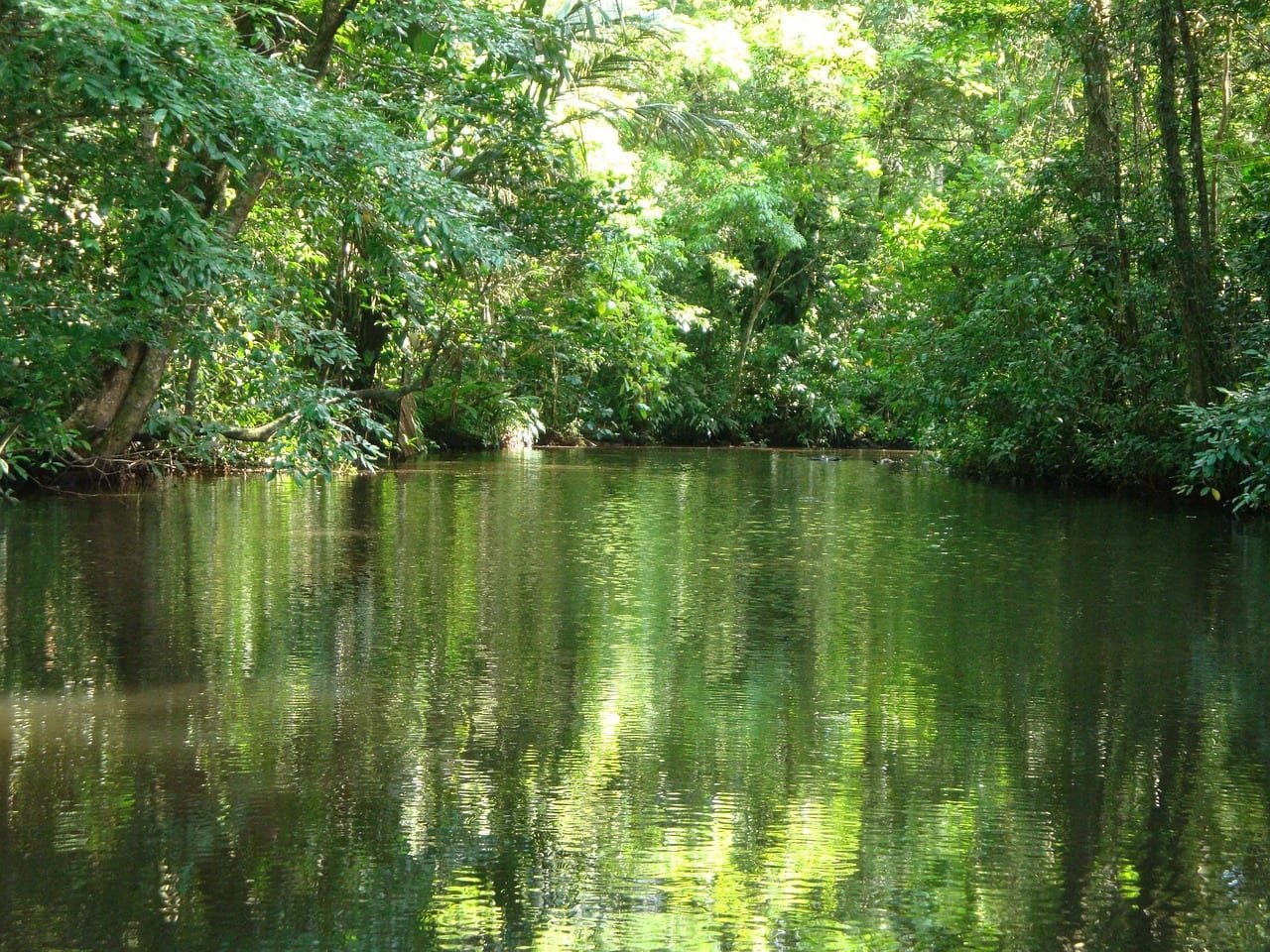
This route assumes you fly into SJO by noon and depart from SJO after 2:00 PM on Day 4. It prioritizes the two regions where fall shines brightest: Arenal/Monteverde and Tortuguero.
Day 1: Arenal Volcano & Hot Springs

Pick up 4×4 at SJO (2.5 hr drive to La Fortuna). Stop at Sarchí for painted oxcarts (30 min). Check in, then hike Arenal 1968 Trail (2 hr, $15 USD) by 3:00 PM for lava-field views. Dinner at Don Rufino (reserve 7:00 PM). Sleep at Arenal Observatory Lodge.
Day 2: Monteverde Cloud Forest & Night Walk

Drive La Fortuna → Monteverde via Lake Arenal ferry (3.5 hr total, $5 USD car + passengers). Arrive 11:00 AM, lunch at Stella's Bakery. Enter Monteverde Reserve at 1:00 PM (quieter than morning). Night walk 5:30 PM (book morning of). Sleep at Monteverde Lodge.
Day 3: Tortuguero Canals & Turtle Night Tour

Early drive to La Pavona (3 hr), boat to Tortuguero (90 min). Check in, 2:00 PM canal tour. 8:00 PM turtle nesting walk (guide mandatory, booked via lodge). Sleep at Pachira Lodge.
Day 4: Return

6:00 AM canal birding tour. 9:00 AM boat to La Pavona, drive to SJO (3 hr). Return car, fly out.
Cost snapshot (per person, double occupancy, mid-range): 4×4 rental $300, fuel $80, ferries $20, parks/guides $250, lodges $900, meals $300, domestic flight alternative to Tortuguero $300. Total ~$2,150 USD. For a deeper dive into planning a week-long adventure in another volcanic paradise, see our Sicily Itinerary: 7 Fall Bucket List Experiences.
FAQ: Costa Rica Fall Travel Questions

Is an eSIM worth it for Costa Rica?
Yes. Local carriers (Kolbi, Claro, Movistar) sell tourist eSIMs online before you land, 10 GB for 30 days costs $15–$25 USD. Airport kiosks charge double. Activate on the plane; you'll have Maps and WhatsApp the moment you clear customs. Physical SIMs require passport registration at a Kolbi store (weekday hours only).
Do I need a 4×4 for the main fall destinations?
For Arenal, Manuel Antonio, and San José a standard SUV suffices. Monteverde (last 30 km), Santa Teresa (entire peninsula), and Drake Bay access roads require 4×4 with high clearance. Rental agencies classify both as "4×4"; confirm the model has low-range gearing.
What vaccines or medications are recommended?
CDC recommends hepatitis A, typhoid, and routine boosters. Malaria prophylaxis is advised only for Limón province (Caribbean lowlands) including Tortuguero, atovaquone-proguanil (Malarone) is the standard. Dengue is present nationwide; permethrin-treated clothing and DEET 30% are your best defense. Confirm current requirements with a travel clinic 6 weeks before departure.