Places to See in Egypt: Quick Answer
The best places to see in Egypt this fall are Cairo, Giza, Luxor, Aswan, Abu Simbel, Siwa Oasis, and Hurghada. Fall (October to November) is the ideal time to visit because the summer heat breaks, leaving warm days and cool nights perfect for exploring. This guide gives you a practical breakdown of each destination, including how many hours to allocate, what it costs, and where to stay. You will also find a 3-day itinerary that covers the highlights efficiently.
7 Top Places to See in Egypt This Fall

1Giza Plateau and the Pyramids

The Giza Plateau is the anchor of any Egypt trip. You can see the Great Pyramid, the Sphinx, and the worker villages. Arrive at 6:00 AM to beat the heat and the tour groups. The entry fee is roughly $20 for the pyramid complex and $100 to go inside the Great Pyramid, which is tight and dark, so only do it if you are comfortable in enclosed spaces. Hire a licensed guide for context; they are required inside the sites and their insight transforms a walk into a lesson in history.
2Cairo City and the Egyptian Museum

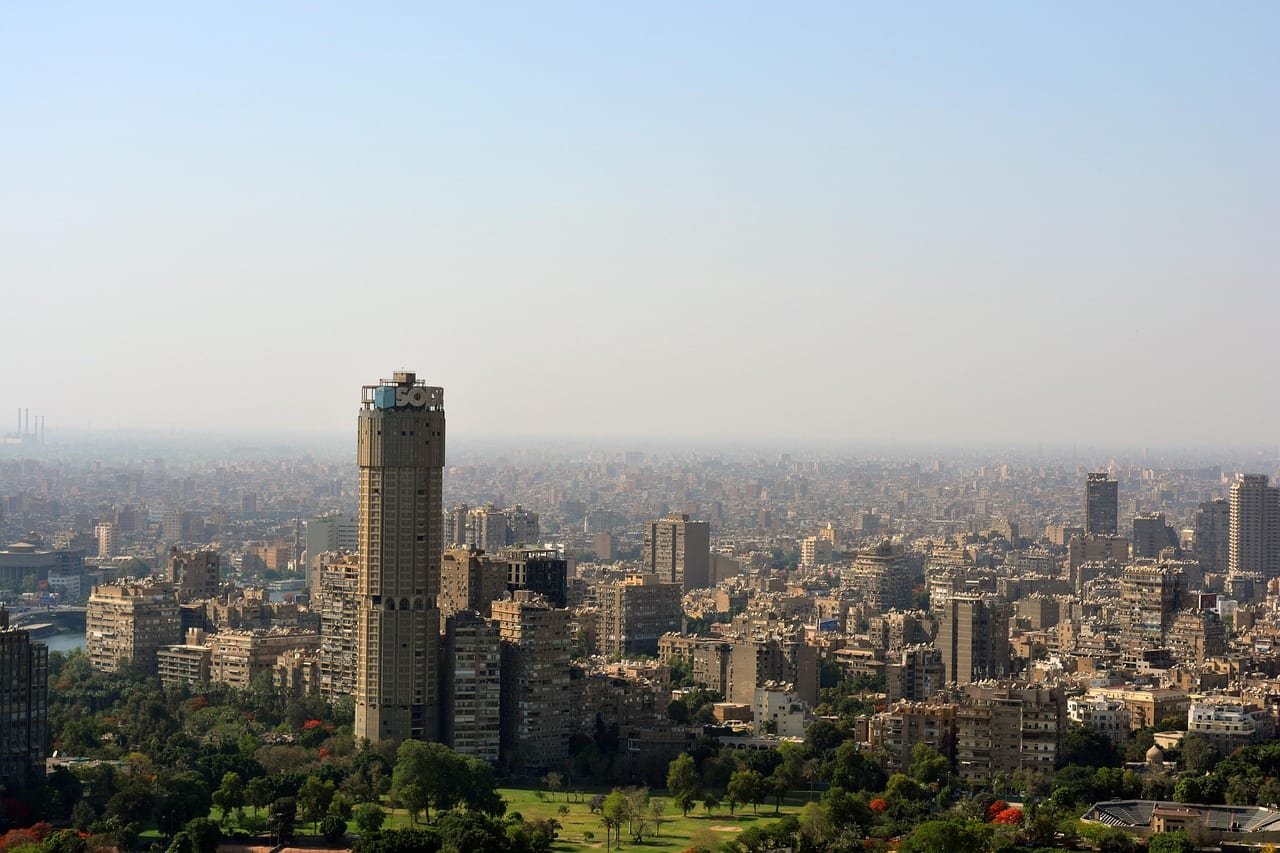
Cairo is a sensory overload in the best way. Visit the Grand Egyptian Museum (GEM) for the most comprehensive collection of pharaonic artifacts, including Tutankhamun's treasures. The museum is huge, so allocate at least 4 hours. For a cultural contrast, spend an afternoon in Khan el-Khalili, the historic bazaar. Try koshari, a mix of rice, lentils, and pasta, at a small stall for about $2. The city is best explored on foot or by taxi; traffic is heavy, so plan your routes carefully.
3Luxor East Bank Temples

Luxor is open-air museum. The East Bank is where the people lived, so you see the temples of the living. Karnak Temple is massive; it feels like walking through a forest of columns. The Luxor Temple is best at night when it is illuminated. Both temples are close to each other, so you can combine them in one day. Entry fees are modest, around $20 for both. Wear comfortable shoes; you will walk several kilometers.
4Luxor West Bank and Valley of the Kings

The West Bank is the necropolis, the place of the dead. The Valley of the Kings holds the tombs of pharaohs, including Tutankhamun. You can only enter three tombs per pass, so choose carefully. The Temple of Hatshepsut is a stunning cliffside structure. A day trip to the Colossi of Memnon is also worthwhile. The West Bank is larger, so a full day is needed. Hire a local guide to help you navigate the sites and provide historical context.
5Aswan and the Nile

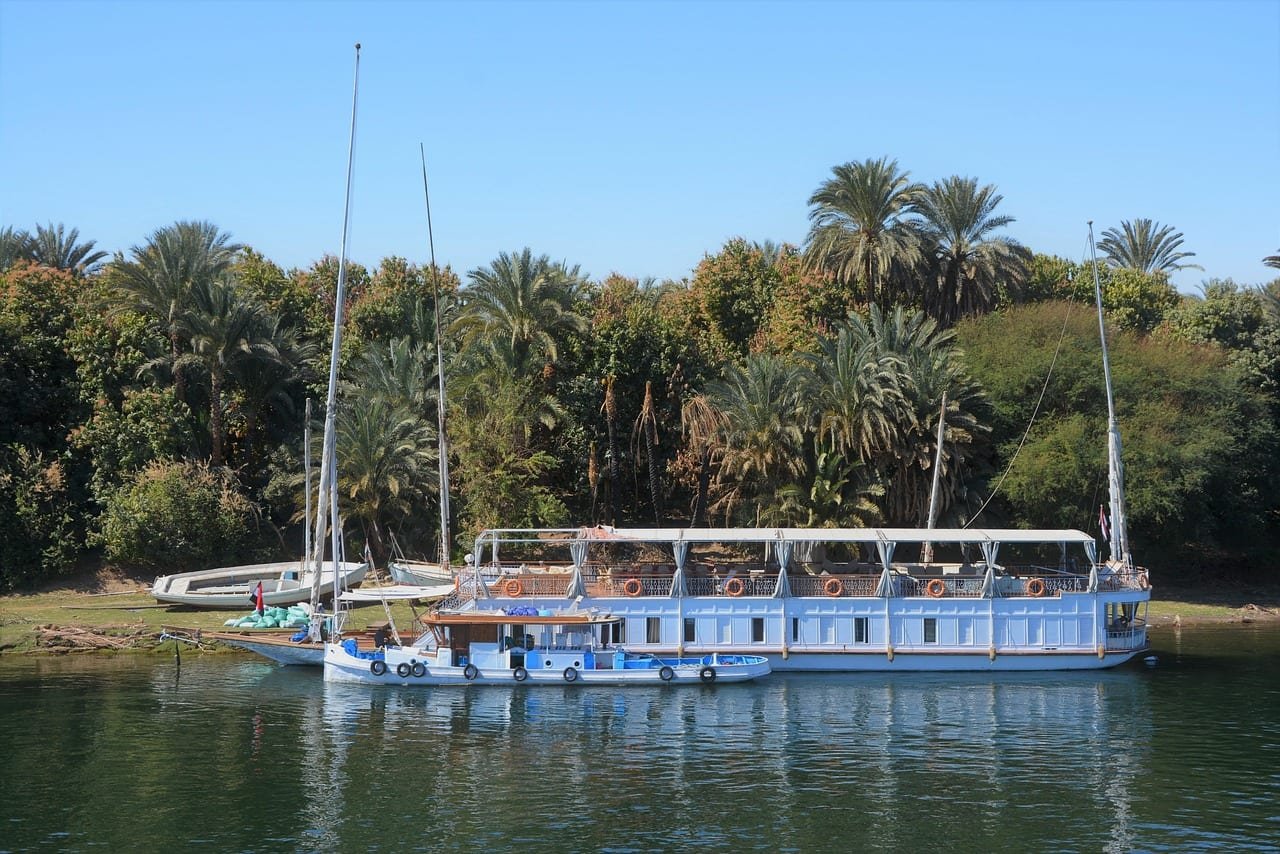
Aswan is the gateway to the Upper Nile. It is calmer and more relaxed than Cairo or Luxor. Take a felucca sailboat on the Nile at sunset; it is one of the most peaceful experiences in Egypt. Visit the Philae Temple, dedicated to the goddess Isis, which is on an island in the Nile. The High Dam is an engineering marvel worth seeing. Aswan is a good base for day trips to Abu Simbel. The city is small, so you can see the main sights in one day.
6Abu Simbel Temples

Abu Simbel is a bucket-list item for many. The temples were moved in the 1960s to save them from the rising waters of Lake Nasser. The Great Temple features four colossal statues of Ramesses II. The sun aligns with the inner sanctum twice a year, but you can see the temples any time. The journey from Aswan takes about 3 hours by car or 1 hour by plane. It is worth the trip for the sheer scale and beauty of the site.
7Siwa Oasis

Siwa is a hidden gem in the Western Desert. It is a remote oasis with date palms, salt lakes, and ancient temples. The atmosphere is completely different from the rest of Egypt. Visit the Temple of Oracle, where Alexander the Great supposedly sought advice. Swim in the crystal-clear waters of the Siwa Lake. The oasis is best visited for two days to allow time to explore. It is a long drive from Cairo, so plan accordingly.
Best Photo Spots & Scenic Views

1Sunrise at the Pyramids

The best photo of the Pyramids is at sunrise. The light is soft and golden, and the shadows are long. Head to the Giza Plateau early; the gates open around 6:00 AM. You can get a great view from the Sphinx area or the plateau edge. Bring a tripod if you want to take long-exposure shots. The temperature is cool, so bring a jacket.
2Felucca Ride in Aswan

A felucca ride on the Nile in Aswan offers a unique perspective. You can photograph the Philae Temple from the water. The sunset is spectacular, with the sky turning orange and pink. The boat is quiet, so you can hear the water and the birds. It is a peaceful way to end the day. The ride lasts about an hour, and you can negotiate the price with the boatman.
3Siwa Oasis Salt Lake

The salt lake in Siwa is a surreal landscape. The water is shallow and clear, and the salt formations create a white, otherworldly scene. It is a great place for photography, especially in the morning light. The contrast between the white salt and the blue sky is striking. You can walk into the water, but be careful of the salt crystals. It is a unique experience that you will not find anywhere else in Egypt.
Where to Stay in Egypt

Cairo

Stay in Zamalek or Maadi for a quieter, more residential area. Zamalek is an island in the Nile, with a relaxed vibe and good cafes. Maadi is a leafy suburb with a more modern feel. Both areas are safe and have good restaurants. If you want to be in the heart of the action, stay in Downtown, but be aware of the noise and traffic. Hotels range from $50 to $200 per night for a mid-range room.
Luxor

Stay on the East Bank for convenience, as the main temples are there. The Corniche is a popular area, with many hotels and restaurants. It is lively and has a good view of the Nile. If you prefer a quieter stay, look for a hotel away from the Corniche. Prices are similar to Cairo, with mid-range rooms starting at $40 per night.
Aswan

Aswan is a smaller city, so you can walk to most places. Stay near the Corniche for easy access to the Nile and the felucca rides. The area is quiet and peaceful. Hotels are affordable, with mid-range rooms starting at $30 per night. Many hotels offer Nile views, which are worth the extra cost.
Siwa Oasis

Siwa has limited accommodation options. Most stays are in guesthouses or small hotels. The atmosphere is rustic and authentic. Prices are higher than in other parts of Egypt, with rooms starting at $50 per night. Book in advance, as options are limited. The experience is worth the cost for the unique atmosphere.
Best Time to Visit & How Many Days
Best Time to Visit

The best time to visit Egypt is from October to April. The weather is mild, and the crowds are thinner than in the peak season. Summer (May to September) is very hot, with temperatures often exceeding 40°C (104°F). Fall (October to November) is a sweet spot, with warm days and cool nights. Spring (February to April) is also good, with blooming flowers and mild weather. Avoid the winter months of December and January if you do not like cold weather, as temperatures can drop to 10°C (50°F) at night.
| Season | Months | Weather | Crowds | Price Level |
|---|---|---|---|---|
| Spring | Feb-Apr | Mild, blooming | Moderate | High |
| Summer | May-Sep | Very hot | Low | Low |
| Fall | Oct-Nov | Warm, cool nights | Moderate | Medium |
| Winter | Dec-Jan | Cool, occasional rain | High | High |
How Many Days to Plan

A minimum of 5 days is needed to see the highlights. This includes 2 days in Cairo, 1 day in Luxor, and 1 day in Aswan. If you have 7 days, you can add a day trip to Abu Simbel or a visit to Siwa Oasis. For a comprehensive trip, plan 10-14 days, allowing time to explore each site in depth. A 3-day itinerary is possible but rushed, covering only Cairo and one other city. Check the official tourism board for the latest travel advisories and entry requirements.
Getting There & Getting Around

Getting There

Most international flights arrive at Cairo International Airport (CAI). From there, you can take a private transfer, a taxi, or an organized tour bus to your hotel. The ride to downtown Cairo takes about 45 minutes to 1 hour, depending on traffic. For inter-city travel, domestic flights are the fastest option. Cairo to Luxor takes about 1 hour, and Luxor to Aswan takes about 45 minutes. Trains are a cheaper option, but they can be slow and uncomfortable. Buses are the cheapest, but they are not recommended for long distances due to safety and comfort concerns.
Getting Around

Within cities, taxis are the most common mode of transport. Always agree on the price before getting in the car. Metered taxis are available in Cairo, but not in all areas. For longer distances within a city, you can use a private driver, which is more expensive but convenient. In Luxor and Aswan, you can walk to most places, or use a taxi or a felucca. In Siwa, you will need a 4×4 vehicle to explore the oasis. Renting a car is possible, but driving in Egypt can be chaotic, so it is not recommended for first-time visitors. For more tips on navigating other destinations, check out our guide on Things to Do in Amman Jordan.
3-Day Egypt Itinerary

Day 1: Cairo and Giza
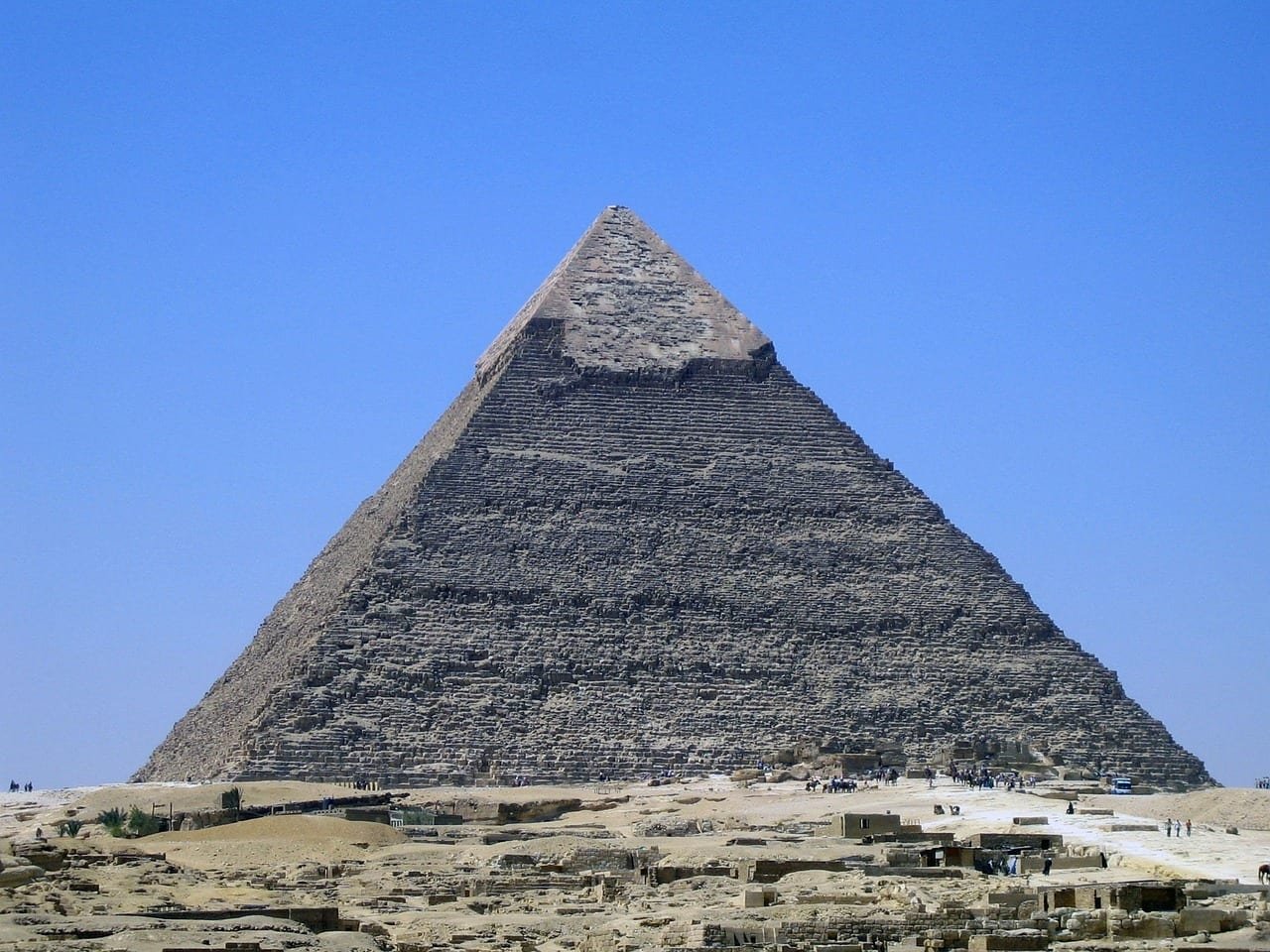
Start early at the Giza Plateau. Visit the Pyramids and the Sphinx in the morning. In the afternoon, visit the Egyptian Museum or the Grand Egyptian Museum. In the evening, explore Khan el-Khalili and have dinner at a local restaurant. This day is intense, so take breaks and stay hydrated. Wear comfortable shoes and bring a hat and sunscreen.
Day 2: Luxor East and West Banks

Fly to Luxor in the morning. Visit the Karnak and Luxor Temples on the East Bank. In the afternoon, cross the Nile to the West Bank. Visit the Valley of the Kings and the Temple of Hatshepsut. In the evening, take a felucca ride on the Nile. This day covers a lot of ground, so plan your time carefully. Hire a guide to help you navigate the sites.
Day 3: Aswan and Abu Simbel

Fly to Aswan in the morning. Visit the Philae Temple and the High Dam. In the afternoon, take a felucca ride on the Nile. If you have time, take a day trip to Abu Simbel, but this requires an early start. If you do not have time for Abu Simbel, spend the day relaxing in Aswan and exploring the local market. This day is more relaxed, allowing you to enjoy the pace of the Upper Nile.
Planning more trips? See our guides to Top Things to Do in Athens, Things to Do in Tuscany Italy and Things to Do in Heraklion Crete.
FAQ: Places to See in Egypt

Is It Safe to Visit Egypt?
Egypt is generally safe for tourists, but you should be aware of your surroundings. Petty crime is the main risk, so keep your valuables secure. Avoid large crowds and be cautious in areas with political tensions. Check the US State Department travel advisory for the latest safety information. Most tourists visit without incident, but it is always wise to stay informed.
When Is the Best Time to Visit Egypt?
The best time to visit Egypt is from October to April. The weather is mild, and the crowds are thinner. Summer is very hot, with temperatures often exceeding 40°C. Fall and spring are the sweet spots, with warm days and cool nights. Winter is cool, with occasional rain. Check the Egyptian Ministry of Tourism for seasonal events and cultural festivals.
How Much Does It Cost to Visit Egypt?
A mid-range trip to Egypt costs about $100-$150 per day. This includes accommodation, food, transport, and entry fees. Budget travelers can spend less, while luxury travelers can spend more. Flights are the biggest expense, so book in advance. Entry fees for major sites are modest, but guides and tours can add to the cost. Always carry small bills for tips and small purchases.
Free Egypt trip checklist
Get the printable itinerary outline and packing checklist for Egypt, sent straight to your inbox.
No spam. One email with your checklist.