Things to Do in Tuscany Italy: Quick Answer

The best things to do in Tuscany Italy this fall involve visiting hilltop towns, touring Chianti vineyards, and exploring Florence’s art at a slower pace. Autumn (October to November) offers mild weather, fewer crowds, and harvest season, making it the ideal time for a cultural and culinary trip. This guide provides a 3-day itinerary, a list of seven essential experiences, and practical tips on where to stay and how to get around. You will find specific recommendations for food, photo spots, and budget-friendly options. Use this plan to build a confident trip that balances iconic sights with local life. The goal is to help you see the real Tuscany, not just the postcards. Below, you will find everything you need to plan your visit with clarity and ease.
Free Tuscany trip checklist
Get the printable itinerary outline and packing checklist for Tuscany, sent straight to your inbox.
No spam. One email with your checklist.
7 Essential Things to Do in Tuscany Italy

1Tour a Chianti Vineyard

Chianti is the heart of Tuscany’s wine culture. Visit a working estate in the Chianti Classico zone to learn about the winemaking process. Most tours include a tasting of three to five wines and a light lunch. Book a tour at least two weeks in advance, especially in October. Prices range from $40 to $80 per person. The best time to visit is late afternoon when the light is warm and the crowds have thinned.
2Explore San Gimignano’s Towers

San Gimignano is known as the Manhattan of the Middle Ages. Walk the narrow streets to see the remaining towers, which were once symbols of family wealth. The city is compact, so you can see the main sights in two to three hours. Visit the Torre Grossa for a panoramic view of the valley. Entry to the tower is about €7. Many travelers also stop at the local gelato shop for a traditional treat.
3Visit the Uffizi Gallery in Florence

The Uffizi houses masterpieces by Botticelli, Leonardo da Vinci, and Michelangelo. Tickets sell out months in advance, so book online as soon as your travel dates are set. Allow at least three hours to see the highlights. The gallery is busiest in the morning, so consider a late afternoon visit if you prefer smaller crowds. Wear comfortable shoes, as you will walk a lot. The entry fee is about €25, with a small discount for students.
4Walk the Siena Piazza del Campo

The Piazza del Campo is the largest public square in Siena. Its shell shape is unique and perfect for people-watching. In July, the famous Palio horse race takes place, but in fall, the square is quieter and more relaxed. Sit at a café and order a glass of local wine. The surrounding buildings house museums and shops. Entry to the square is free, but nearby attractions like the Duomo require a ticket. The atmosphere in the evening is particularly charming with street performers and warm lighting.
5Drive the Val d’Orcia Scenic Route

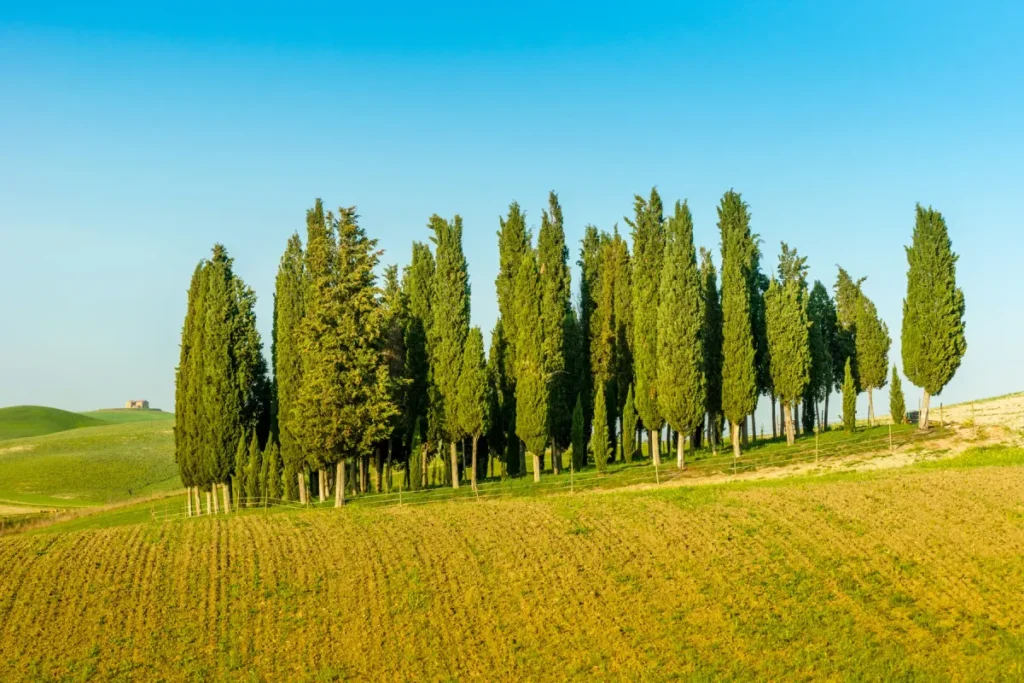
The Val d’Orcia is a UNESCO World Heritage site known for its rolling hills and cypress trees. Drive the road from Pienza to Montepulciano to see the most iconic views. Stop at Pienza to visit the Duomo and the town square. The drive takes about one hour, but plan for two to three hours if you stop for photos and snacks. There are no gas stations in some remote areas, so keep your tank full. This route is best experienced with a rental car.
6Eat at a Local Trattoria in Lucca

Lucca is a walled city that feels like a hidden gem. The food here is simple and delicious. Look for a trattoria in the old town to try local dishes like ribollita (vegetable soup) and bistecca alla fiorentina (T-bone steak). Lunch is the best time to eat, as many places close in the afternoon. Prices are reasonable, with a main course costing about €15 to €20. The city is walkable, so you can explore the streets and shops after your meal.
7Visit the Leaning Tower of Pisa

The Leaning Tower is one of the most famous landmarks in Italy. You can climb the tower or just view it from the Piazza dei Miracoli. Climbing takes about 30 minutes and involves 294 steps. Tickets are about €18 and must be booked online. The surrounding cathedral and baptistery are also worth seeing. The best time to visit is early morning to avoid crowds. The area is flat and easy to walk around. This is a quick but memorable stop on any Tuscany itinerary.
Best Photo Spots & Scenic Views
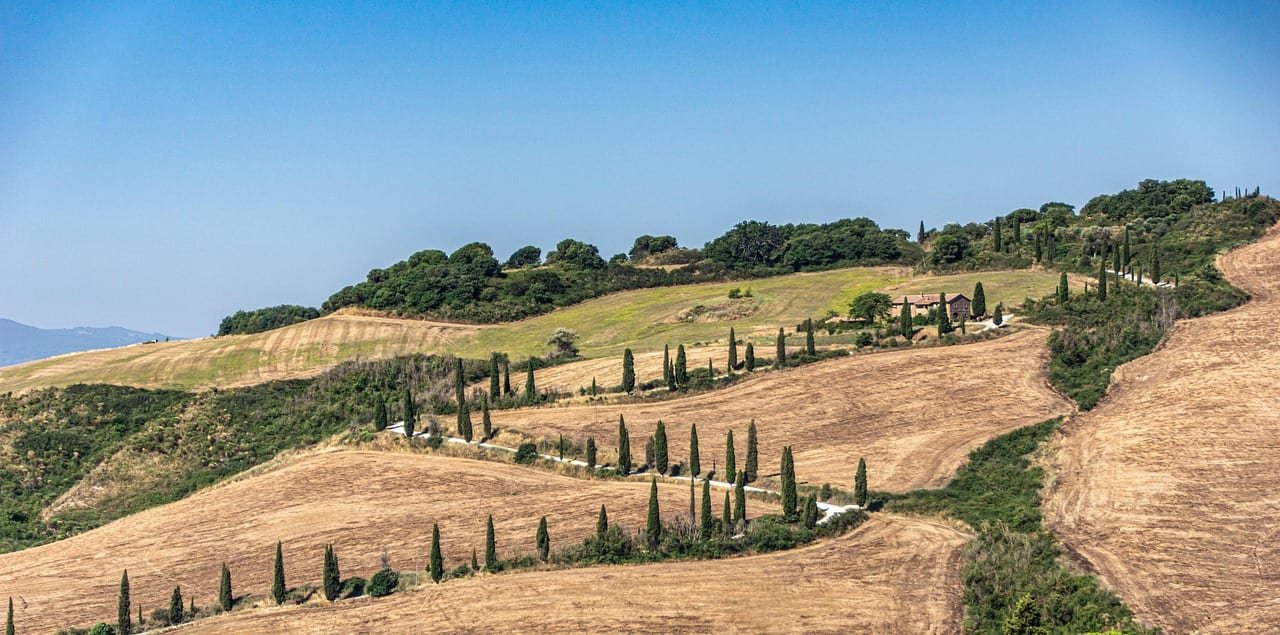
Tuscany is a photographer’s dream, with every turn offering a new vista. Here are three specific spots where you can capture the essence of the region. First, visit the viewpoint near Pienza on the Val d’Orcia road. This spot offers a classic view of the cypress trees against the golden hills. Arrive at sunset for the best light. Second, head to the top of the Torre del Mangia in Siena. From here, you can see the terracotta roofs of the old town and the surrounding countryside. The view is particularly striking in the early morning when the mist clears. Third, stop at the Ponte Vecchio in Florence. The bridge is iconic, but the best photo is taken from the nearby Lungarno. Capture the reflection of the bridge in the Arno River during the blue hour, just after sunset. These three spots cover different aspects of Tuscany: rural, urban, and architectural. Bring a zoom lens for the distant hills and a wide-angle lens for the city scenes. Remember to respect local rules about photography, especially in religious sites. Each of these locations is easily accessible by car or public transport. Plan your photo stops around your main activities to make the most of your time. The fall colors enhance the natural beauty, making these shots even more vibrant.
For more background on the area, see Tuscany on Wikipedia.
Where to Stay: Best Areas for Your Tuscany Itinerary

Choosing where to stay in Tuscany depends on your travel style and base of operations. Florence is the best base for first-time visitors. It is a major city with excellent transport links, making it easy to day trip to other towns. Staying in the Santa Croce or Oltrarno neighborhoods offers a local feel with easy access to the center. Hotels range from $100 to $300 per night. Siena is a quieter alternative, ideal for those who prefer a smaller city. It is a good base for exploring the Val d’Orcia and Chianti. Accommodation is slightly cheaper than Florence, with many boutique hotels and agriturismos. Chianti offers a rural experience, with many farm stays (agriturismos) that include wine tastings and meals. This is perfect for a slow-paced trip. Prices vary widely, from $80 to $400 per night. Lucca is another option, known for its walled city and relaxed atmosphere. It is less crowded than Florence and Siena, making it a good choice for families. When booking, look for places with free parking if you are driving. Many agriturismos are located in remote areas, so a car is essential. Check reviews for recent photos and comments on cleanliness and service. The best areas offer a balance of convenience and charm. Florence for access, Siena for culture, Chianti for nature, and Lucca for relaxation. Choose based on what matters most to you. Each area has its own unique character and offerings.
Best Time to Visit & How Many Days to Plan

The best time to visit Tuscany is from May to June or September to November. These months offer mild weather and fewer crowds. Summer (July and August) is hot and crowded, with many shops closed for holiday. Fall is ideal for wine tours and outdoor activities. Winter (December to February) is quiet and cold, but some attractions may have reduced hours. Spring (March to April) is beautiful but can be rainy. Here is a quick comparison of the seasons:
| Season | Weather | Crowds | Price Level |
|---|---|---|---|
| Spring | Mild, rainy | Moderate | Moderate |
| Summer | Hot, dry | High | High |
| Fall | Mild, dry | Low-Moderate | Moderate |
| Winter | Cold, dry | Low | Low |
For a comprehensive trip, plan for at least 4 to 5 days. This allows time for Florence, Siena, and a day trip to Chianti or the Val d’Orcia. If you have only 3 days, focus on Florence and one hilltop town. A week is ideal if you want to explore Lucca, Pisa, and more rural areas. The fall season is particularly good for photography and wine tasting. Check the official tourism website for specific event dates and closures. Weather can be unpredictable, so pack layers. The number of days you need depends on your pace and interests. A rushed trip can be stressful, so take your time. Tuscany rewards those who slow down and explore. Plan your itinerary around the main attractions and leave some free time for unexpected discoveries. This approach will help you make the most of your visit.
Getting There & Getting Around Tuscany

The easiest way to get to Tuscany is by plane to Florence (FLR) or Pisa (PSA). Florence Airport is closer to the city center, while Pisa is often cheaper. From the airport, you can take a train, bus, or taxi to your hotel. Trains are the best way to travel between major cities like Florence, Siena, and Pisa. The regional trains are affordable and frequent. A ticket from Florence to Siena costs about €10 and takes roughly one hour. For more remote areas like the Val d’Orcia, a car is essential. Buses are limited and slow. Renting a car gives you the freedom to explore at your own pace. Park in designated areas, as many historic centers have limited parking. Taxis are available in cities but can be expensive for long distances. Driving in Tuscany is generally easy, with well-maintained roads. However, be careful in narrow streets of hilltop towns. Use a GPS or map app to navigate. Public transport is sufficient for a city-focused trip, but a car is better for a comprehensive tour. Check the latest travel advisories and local regulations before you go. The region is safe, but standard precautions apply. Plan your routes in advance to save time. This will help you make the most of your time in Tuscany.
A 3-Day Tuscany Itinerary

Day 1: Florence Highlights

Start your trip in Florence. Visit the Duomo and climb the dome for a panoramic view. Spend the afternoon at the Uffizi Gallery. In the evening, walk across the Ponte Vecchio and enjoy a dinner in the Oltrarno neighborhood. This day covers the main art and architecture sights. Allow at least 6 to 8 hours for these activities. Book your Uffizi tickets in advance to avoid long lines. The city is walkable, so you can explore at your own pace. End the day with a gelato from a local shop. This is a full day, so start early to make the most of it. Florence is a city that rewards exploration. Take your time to soak in the atmosphere. The fall light is perfect for photography. This day sets the tone for your trip. You will see the best of what Florence has to offer.
Day 2: Siena and Chianti

Drive or take a train to Siena. Visit the Piazza del Campo and the Duomo. In the afternoon, drive to the Chianti region for a wine tour. Taste local wines and enjoy a lunch at a vineyard. Return to Siena or stay in Chianti for the night. This day combines culture and nature. The drive from Siena to Chianti is scenic, with many stops for photos. Allow at least 4 to 5 hours for the wine tour. The experience is relaxed and enjoyable. You will learn about the local wine culture. This is a highlight for many travelers. The contrast between the city and the countryside is striking. Make sure to have a designated driver if you are drinking. This day is all about enjoyment and discovery. You will leave with a deeper appreciation for Tuscany.
Day 3: Val d’Orcia and Return

Drive to the Val d’Orcia region. Visit Pienza and Montepulciano. Stop at viewpoints along the way for photos. In the afternoon, return to Florence or head to the airport. This day is more relaxed, focusing on scenery and small towns. Pienza is known for its pecorino cheese and Renaissance architecture. Montepulciano is famous for its wine and fortress. The drive is beautiful, with rolling hills and cypress trees. Allow at least 3 to 4 hours for this day. The pace is slower, allowing you to take in the views. This is a perfect end to your trip. You will have seen the best of Tuscany in just three days. The memories will last a lifetime. This itinerary is a great starting point for your adventure.
Planning more trips? See our guides to Sicily Itinerary, Things to Do in Puglia and Venice Summer Bucket List.
FAQ: Things to Do in Tuscany Italy

Do I need a car to visit Tuscany?
A car is not strictly necessary if you stick to major cities like Florence and Siena. Regional trains connect these towns efficiently. However, a car is essential for visiting rural areas like the Val d’Orcia or Chianti vineyards. Buses are limited and slow in these areas. If you plan to explore beyond the cities, rent a car. This will give you the flexibility to explore at your own pace. Check parking availability in advance, as it can be limited in historic centers.
What is the best food to try in Tuscany?
Must-try dishes include ribollita (vegetable soup), bistecca alla fiorentina (T-bone steak), and pici (thick pasta). Also try local wines like Chianti and Brunello di Montalcino. Many restaurants serve simple, hearty meals made with local ingredients. Look for trattorias for an authentic experience. Lunch is the best time to eat, as many places close in the afternoon. Prices are reasonable, with a main course costing about €15 to €20.
Is Tuscany safe for solo travelers?
Tuscany is generally safe for solo travelers. The region is well-traveled and has a low crime rate. Standard precautions apply, such as keeping an eye on your belongings in crowded areas. Most towns are walkable and friendly. Solo travelers can easily navigate the region using public transport or a rental car. The people are welcoming, and the infrastructure is well-developed. You can travel with confidence. Check local travel advisories for any specific concerns. Overall, it is a great destination for solo travel.