Things to See in Colombia: Quick Answer for Fall Travelers
Colombia in fall (September through November) delivers the country's most comfortable trekking weather in the Andes, vibrant cultural festivals in Medellín and Cali, and the tail end of humpback whale season on the Pacific coast. You get seven iconic experiences that range from a multi-day jungle trek to the Lost City to a single afternoon sipping coffee on a working finca near Salento. This guide gives you the exact neighborhoods to base yourself in, realistic daily budgets in Colombian pesos, and a ready-to-use three-day starter itinerary that links Bogotá, the coffee triangle, and Cartagena without wasted travel days. > Key Takeaways
- Best time: Late September to early November for dry Andean trails and whale watching on the Pacific.
- Ideal length: 10–14 days to hit the three main regions without rushing; 7 days minimum for a two-region taste.
- Budget baseline: COP 180,000–250,000 per day mid-range (about $45–65 USD) including domestic flights, private rooms, and meals.
- Getting around: Avianca, LATAM, and Satena connect major cities in 1–1.5 hours; buses cover shorter hops like Armenia–Salento (45 min).
- Don't miss: The wax palm forest at sunrise in Valle de Cocora, arrive by 6:30 AM for light and solitude.
Free Colombia trip checklist
Get the printable itinerary outline and packing checklist for Colombia, sent straight to your inbox.
No spam. One email with your checklist.
7 Essential Things to See in Colombia This Fall
1Wander Cartagena's Walled City at Golden Hour

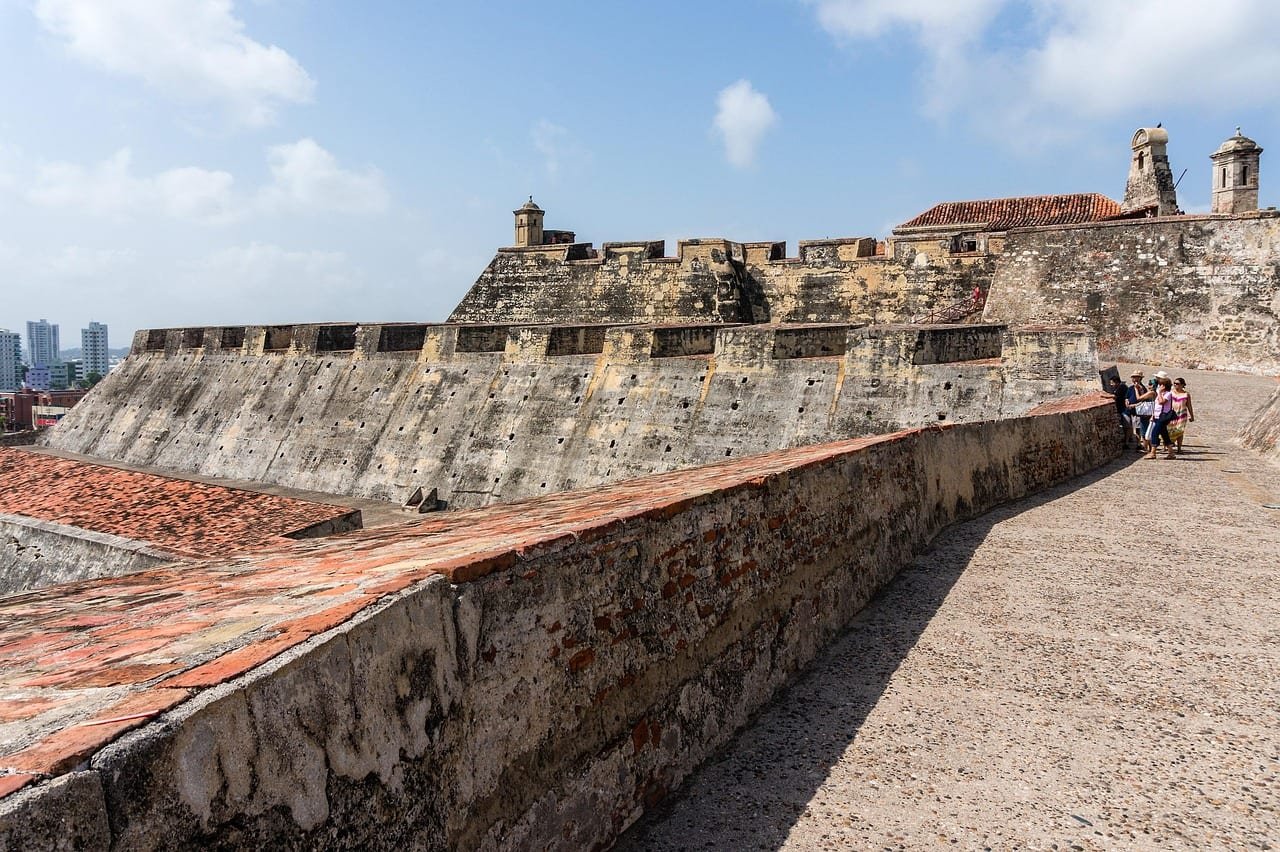
The UNESCO-listed Centro Histórico glows amber when the sun drops behind the Caribbean. Start at Plaza Santo Domingo, follow the ramparts past the Clock Tower to Café del Mar for a cocktail, then duck into Getsemaní for street art and arepas de huevo from a corner vendor. Allow three hours for a slow loop; entry to the walls is free, but the Naval Museum (COP 16,000) adds context on the pirate sieges. Book a boutique hotel inside the walls early, rooms under COP 400,000 vanish by July.
2Trek Valle de Cocora for the World's Tallest Palms

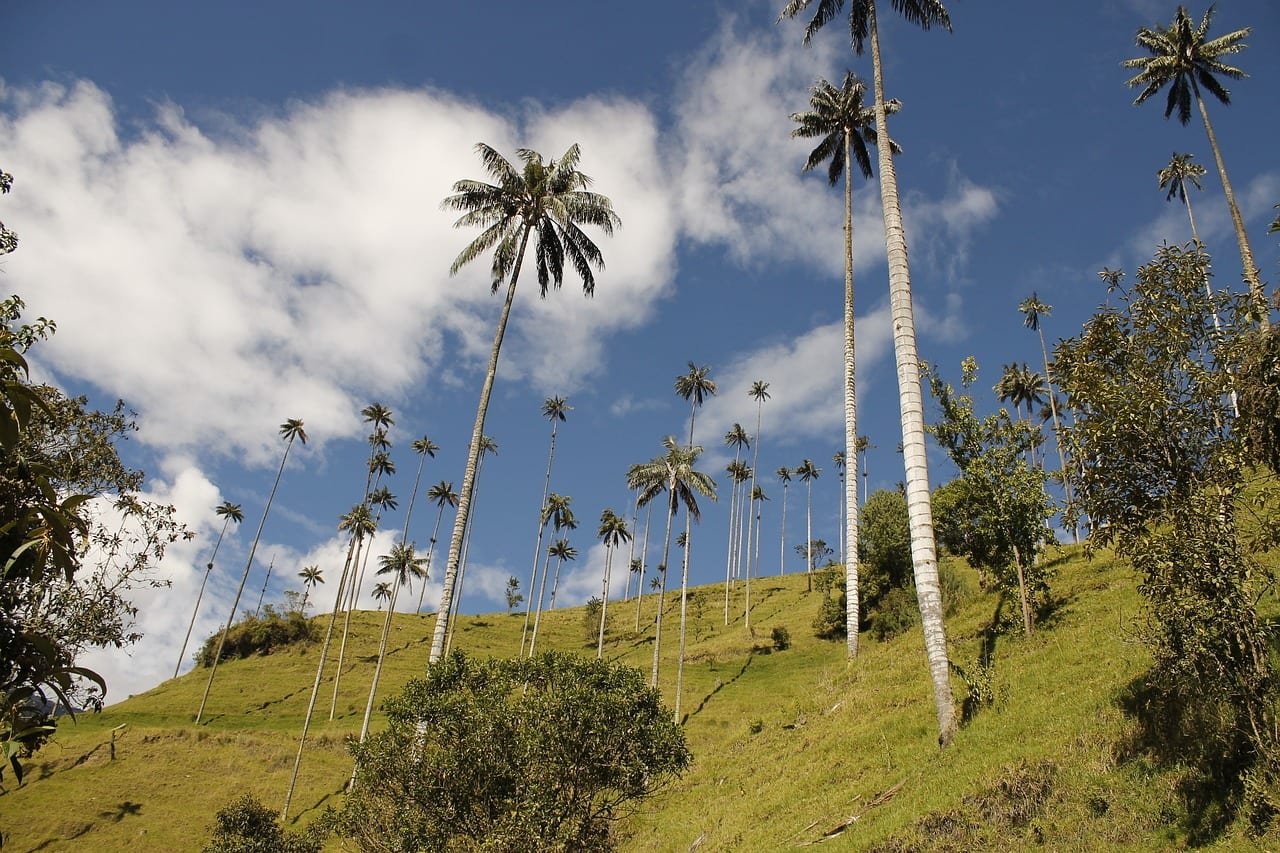
The Quindío wax palms soar 60 meters into misty cloud forest. From Salento, take a Willy jeep (COP 8,000 round-trip, 30 minutes) to the trailhead. The full loop to Finca La Montaña and back takes 5–6 hours; a shorter out-and-back to the viewpoint takes two. Wear waterproof boots, the trail stays muddy even in fall's drier weeks. Arrive by 6:30 AM for the best light filtering through the palms and the fewest hikers.
3Hike to Ciudad Perdida (Lost City) Before the Holiday Crowds

This four-day, 44 km jungle trek to the Tairona ruins predates Machu Picchu by 650 years. Licensed operators (Turcol, Expotur, Magic Tour) charge COP 1,200,000–1,500,000 inclusive of hammocks, meals, and indigenous guide fees. Book by June for October departures; group size caps at 12. Pack quick-dry clothes, a headlamp, and water purification tablets, humidity hits 90% and streams are the only water source.
4Sail the Rosario Islands for Coral Reefs and Bioluminescence

A 45-minute lancha ride from Cartagena's Muelle de la Bodeguita (COP 50,000 round-trip) reaches Isla Grande. Stay overnight at Ecohabs or a local posada (COP 150,000–300,000) to catch the bioluminescent plankton that light up the bay on moonless nights. Snorkel gear rents for COP 20,000; the clearest water is October–November before the December winds stir sediment. Bring cash, no ATMs on the islands.
5Explore Medellín's Comuna 13 with a Local Graffiti Guide

The once-dangerous hillside neighborhood now showcases massive outdoor escalators and community-led street art tours. Book a 2.5-hour walking tour (COP 60,000–80,000) through operators like Casa Kolacho or Medellín Graffiti Tour; guides are former residents who lived through the transformation. Go weekday mornings to avoid cruise-ship groups. Wear grippy shoes, the alleys are steep and slick after rain.
6Spot Humpback Whales in Nuquí Before They Migrate South

July–October brings 3,000+ humpbacks to the Chocó coast. Fly into Nuquí (Satena, 1 hr from Medellín, COP 350,000 round-trip) and stay at eco-lodges like El Cantil (COP 400,000 full board). Boat tours (COP 120,000, 3 hours) follow strict distance rules, 200 meters from mothers with calves. September offers the highest sighting rates; pack a dry bag, reef-safe sunscreen, and motion-sickness meds for the open Pacific.
7Sip Specialty Coffee on a Working Finca Near Salento
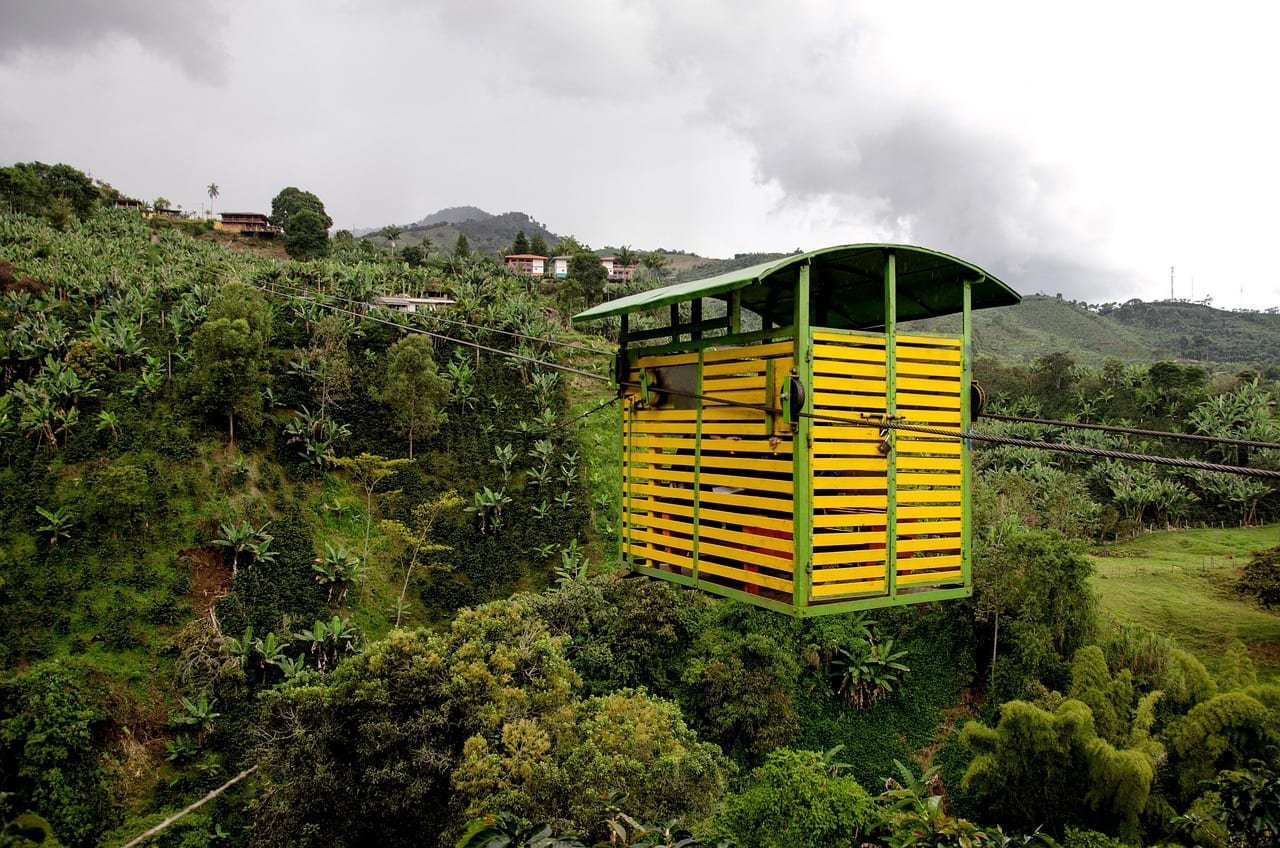
Finca El Ocaso and Café Jesús Martín offer 90-minute tours (COP 35,000–50,000) covering cultivation, wet milling, and a cupping session scored to SCA standards. You'll taste geisha, tabi, and Castillo varietals and can buy vacuum-sealed 250 g bags (COP 40,000–60,000) direct. Book the 9 AM slot for cooler temperatures and the freshest harvest view. Combine with a jeep ride to Cocora the same morning.
Best Photo Spots & Scenic Views in Colombia
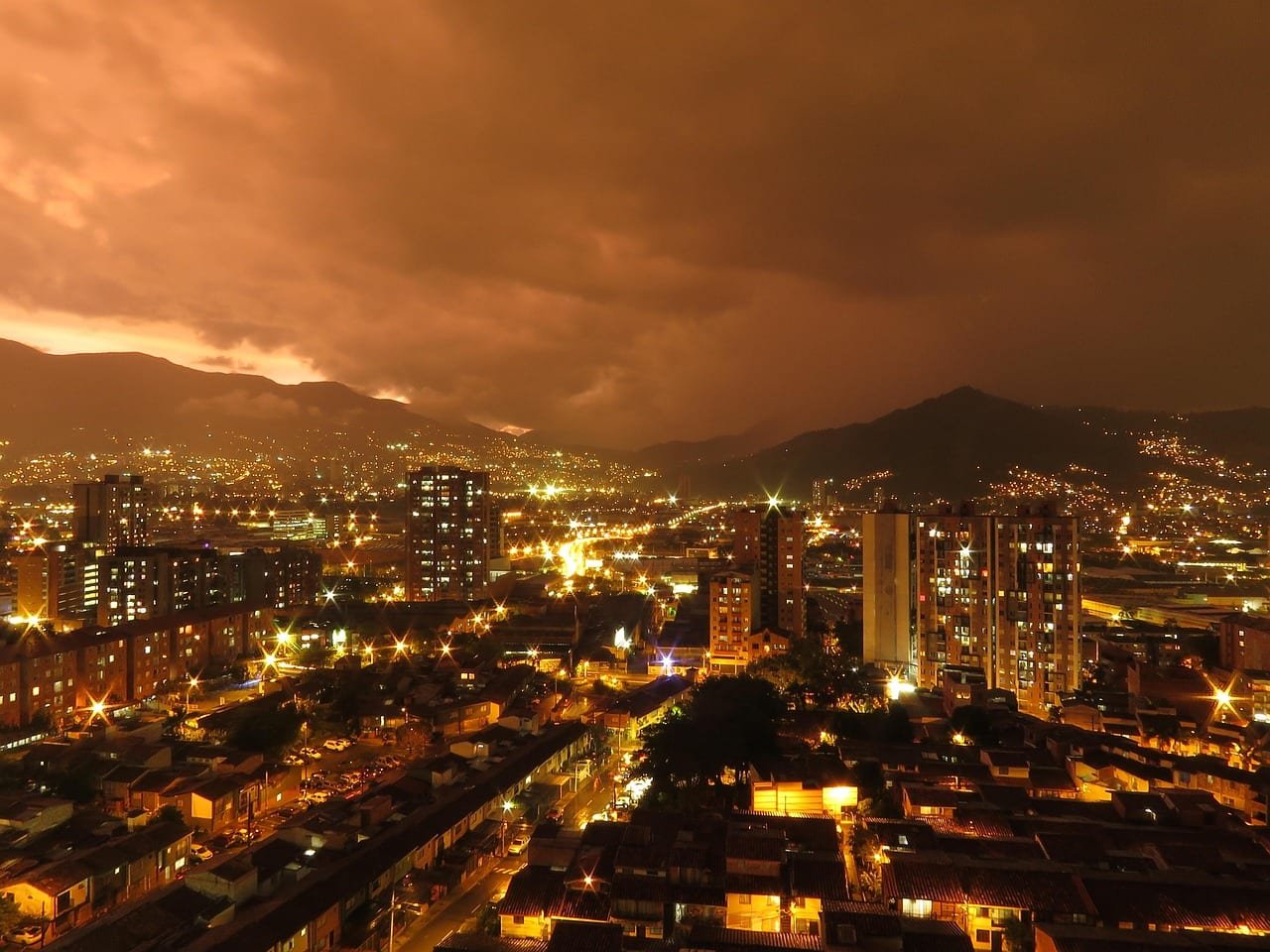
Sunrise at the Valle de Cocora viewpoint (mirador) frames the wax palms against a gradient sky, arrive 30 minutes before dawn, tripod ready. The Cartagena ramparts at Plaza de la Aduana offer a 270-degree panorama of the Caribbean, the modern Bocagrande skyline, and the domed cathedral; golden hour lasts 20 minutes longer here than at sea level due to the wall's elevation. In Medellín, the Metrocable Line K to Parque Arví delivers an aerial grid of red-brick barrios climbing the mountainside, shoot from the cabin's right side facing northeast for the cleanest composition. Each location rewards patience: wait for a cyclist on the Cocora trail, a fishing boat crossing Cartagena's bay, or a cable car passing through the frame to add human scale.
Where to Stay in Colombia by Region and Budget

In Cartagena, the Getsemaní district balances nightlife, safety, and price, private rooms in colonial houses average COP 200,000–350,000; the walled city proper jumps to COP 500,000+ for equivalent quality. For the coffee triangle, base yourself in Salento town (hostels COP 50,000 dorm, COP 120,000 private) for bus access, or splurge on a finca stay like Hacienda Combia (COP 450,000 including breakfast) for valley views. Bogotá's Chapinero and La Candelaria sit on opposite ends of the TransMilenio line: Chapinero offers modern apartments (COP 180,000/night on Airbnb) near Zona G dining; La Candelaria puts you steps from the Gold Museum but streets quiet by 9 PM. Medellín's El Poblado remains the expat hub (COP 250,000–400,000 for boutique hotels), while Laureles provides a quieter, tree-lined alternative at 20% less. For Nuquí and the Pacific, eco-lodges are the only option, book full-board packages (COP 350,000–600,000) that include boat transfers, meals, and guided hikes; independent camping is discouraged due to tides and wildlife. Always confirm Wi-Fi reliability if you work remotely; many coastal and jungle properties run on satellite with daily data caps.
Best Time to Visit Colombia & How Many Days to Plan

Colombia straddles the equator, so "fall" translates differently by region. The Andean highlands (Bogotá, Medellín, coffee triangle) enjoy their driest, clearest weeks from mid-September through November, daytime highs 18–24°C, nights 8–12°C, ideal for trekking. The Caribbean coast (Cartagena, Santa Marta, Tayrona) stays hot (28–32°C) with brief afternoon showers tapering off by late November. The Pacific (Nuquí, Bahía Solano) sees peak rainfall but also peak whale activity through October.
| Season | Andean Weather | Caribbean Weather | Pacific Weather | Crowds | Price Level |
|---|---|---|---|---|---|
| Sep–Nov | Dry, clear, cool nights | Hot, decreasing rain | Wet, whales present | Low–Medium | Baseline |
| Dec–Feb | Dry, peak season | Dry, peak season | Wet, whales gone | High | +30–50% |
| Mar–May | Increasing rain | Hot, building humidity | Very wet | Low | Baseline |
| Jun–Aug | Cool, some rain | Hot, rainy | Whale season starts | Medium | +10–20% |
For a first trip hitting Bogotá, the coffee triangle, and Cartagena, allow 10 days minimum: 2 nights Bogotá, 3 nights coffee region (Salento or Filandia), 3 nights Cartagena, plus travel buffers. A 14-day loop adds Medellín (2 nights), Tayrona Park (2 nights), and a Pacific whale extension (3 nights). Domestic flights (Bogotá–Armenia, Medellín–Cartagena, Bogotá–Nuquí) cost COP 250,000–450,000 one-way if booked 6–8 weeks out; last-minute fares double. Check the official Colombia Travel site for current festival calendars, the Medellín Flower Festival (early August) and Cartagena Independence Festival (November 11) spike demand and prices.
Getting There & Getting Around Colombia
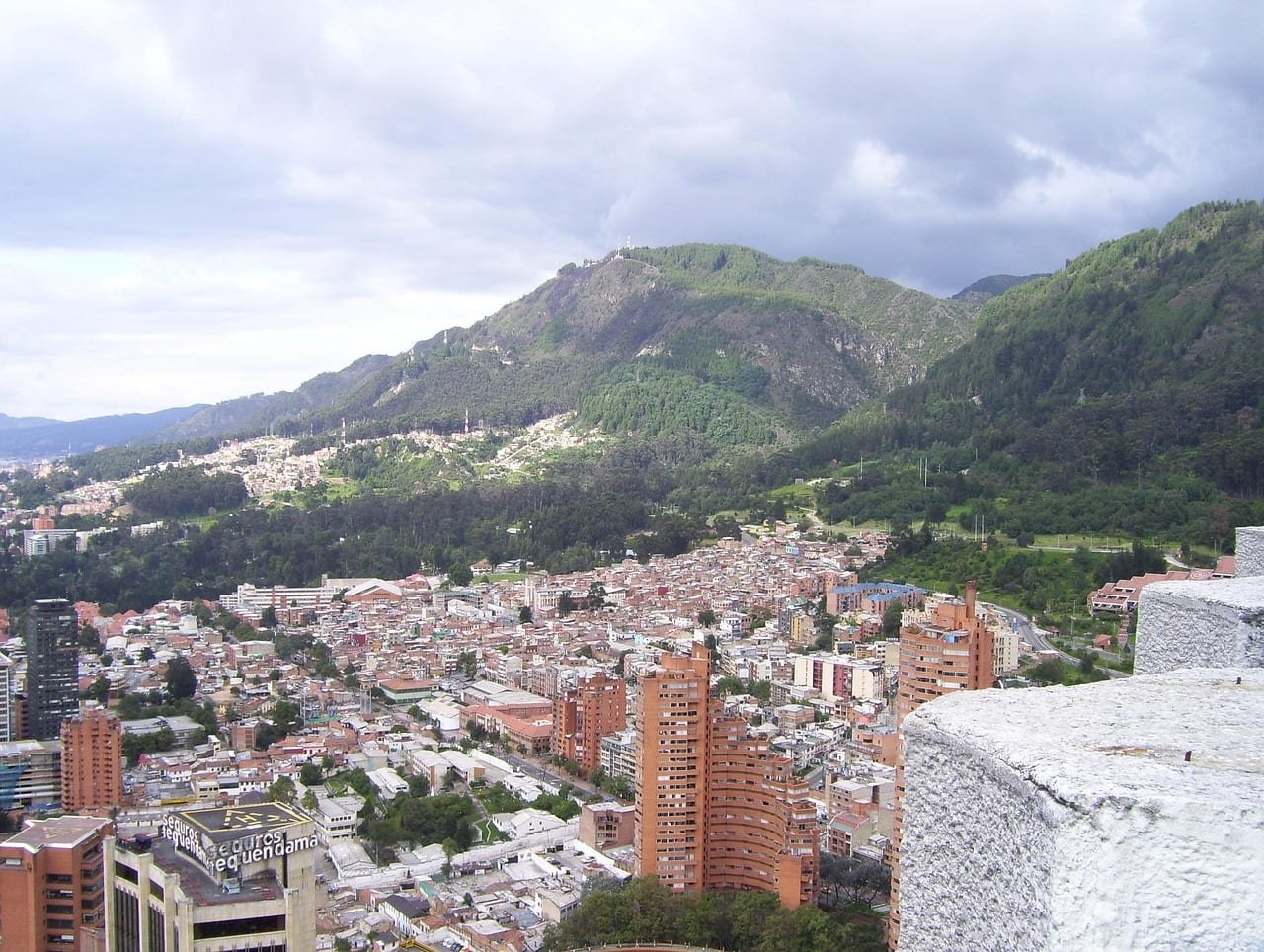
El Dorado International Airport (BOG) in Bogotá handles 90% of long-haul arrivals; direct flights from Miami, Madrid, Mexico City, and Atlanta run daily. Avianca, LATAM, and JetSmart dominate domestic routes, book 6–8 weeks ahead for COP 200,000–400,000 one-way between major cities. Satena (state airline) serves remote Pacific airstrips (Nuquí, Bahía Solano) but schedules change weekly; confirm 48 hours before departure.
Ground transport: The TransMilenio BRT in Bogotá and Metro in Medellín move millions daily, load a Tullave or Cívica card (COP 6,000) for COP 2,900 per ride. Intercity buses (Berlinas, Expreso Brasilia, Copetran) cover Armenia–Salento (45 min, COP 8,000), Medellín–Guatapé (2 hr, COP 18,000), and Santa Marta–Tayrona entrance (1 hr, COP 12,000). For the Lost City trek, operators arrange 4×4 transfers from Santa Marta (included in package). Taxis and Uber operate in all cities; insist on the meter or app fare, tourist surcharges of 2–3x are common at airports. Rent a car only for the coffee triangle loop (Armenia–Salento–Filandia–Pereira); mountain roads, erratic signage, and mandatory SOAT insurance make self-drive stressful elsewhere. For entry requirements, consult the Colombia Migration Authority, most passport holders receive 90 days visa-free, extendable once for another 90 days at a Migración office.
3-Day Colombia Starter Itinerary

Day 1: Bogotá Highlights & Flight to the Coffee Triangle

Land early at BOG, drop bags at a Chapinero hotel, and walk to Plaza Bolívar (10 min) for the cathedral, Capitol, and Gold Museum (COP 5,000, closed Mondays). Lunch at La Puerta Falsa for tamal and hot chocolate (COP 25,000). Catch a 2 PM Avianca flight to Armenia (1 hr, COP 300,000 booked ahead). Willy jeep to Salento (45 min, COP 8,000), check into your hostel, sunset drink at Brunch de Salento overlooking the plaza.
Day 2: Cocora Valley & Coffee Farm Deep Dive

Jeep to Cocora trailhead by 6 AM. Hike the 5-hour loop to Finca La Montaña for hummingbird sanctuary and palm forest. Return to Salento by 1 PM for bandeja paisa lunch (COP 35,000). 2:30 PM tour at Finca El Ocaso (COP 45,000), cupping, processing demo, buy beans direct. Evening free for artesanal beer at La Cervecería de Salento.
Day 3: Medellín Culture & Comuna 13

Early flight Armenia–Medellín (45 min, COP 250,000). Metrocable Line K to Parque Arví for city views and cloud forest trails (COP 5,500 round-trip). Lunch in Envigado at Hatoviejo (COP 40,000 for paisa platter). 2 PM Comuna 13 graffiti tour with Casa Kolacho (COP 70,000, 2.5 hrs). Sunset drinks at Envy Rooftop in El Poblado. Overnight Medellín or late flight to Cartagena (1.5 hr, COP 350,000) to continue the loop.
FAQ: Things to See in Colombia
Is Colombia safe for solo travelers in fall?
Major tourist corridors (Bogotá–Zona T, Medellín–El Poblado/Laureles, Cartagena–Walled City/Getsemaní, coffee triangle towns) have visible police presence and low incident rates during daylight. Avoid walking alone after dark in non-touristy barrios; use Uber or registered taxis. The U.S. State Department maintains a Level 3 "Reconsider Travel" advisory for specific border departments (Arauca, Norte de Santander, Chocó outside Nuquí/Bahía Solano), stick to the established routes in this guide and you remain in Level 1–2 areas.
Do I need an eSIM or local SIM for Colombia?
An eSIM (Airalo, Holafly, Nomad) activates before landing and costs $15–30 for 5–10 GB over 15–30 days, ideal for navigation, translation, and booking confirmations. Physical Claro or Tigo SIMs cost COP 10,000–15,000 at airport kiosks but require passport registration and 30-minute activation. Coverage is excellent in cities and highways; expect gaps in Tayrona, Cocora cloud forest, and Pacific coast lodges. Download offline Maps.me regions before departure.
What vaccines or health prep does Colombia require?
Yellow fever vaccination is mandatory only if arriving from Brazil, Peru, or other endemic zones, but the CDC recommends it for all travelers visiting below 2,300 m (includes coffee triangle, Tayrona, Pacific). Hepatitis A, typhoid, and routine boosters are standard. Malaria prophylaxis (doxycycline or atovaquone-proguanil) is advised for Nuquí and Amazon regions, consult a travel clinic 4–6 weeks before departure. Altitude sickness can hit in Bogotá (2,640 m); spend the first afternoon hydrating, avoid alcohol, and consider acetazolamide if prone.