Madrid Itinerary: Quick Answer

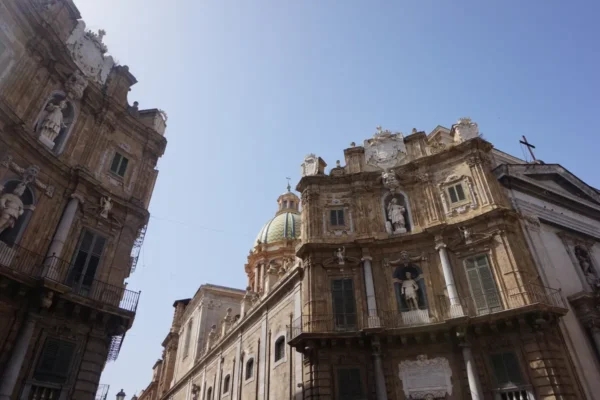
The best madrid itinerary focuses on three core pillars: the Royal Quarter, the artistic heart of the city, and the vibrant neighborhood of La Latina. For most travelers, three days is the ideal amount of time to see the major sights without feeling rushed. This guide provides a day-by-day breakdown that balances iconic landmarks with local food experiences. You will learn exactly which museums to prioritize, where to find the best tapas, and how to use the metro system to save time. We also cover the best seasons to visit, with a special focus on the pleasant fall weather that makes walking tours enjoyable. This is not just a list of places; it is a strategic plan to help you navigate the city like a local. By following this structure, you will avoid the common pitfalls of over-scheduling and missing out on the evening atmosphere that defines Madrid. Ready to start planning? Let’s dive into the specific experiences that make this city unforgettable.
7 Amazing Experiences for Your Madrid Itinerary

The Prado Museum
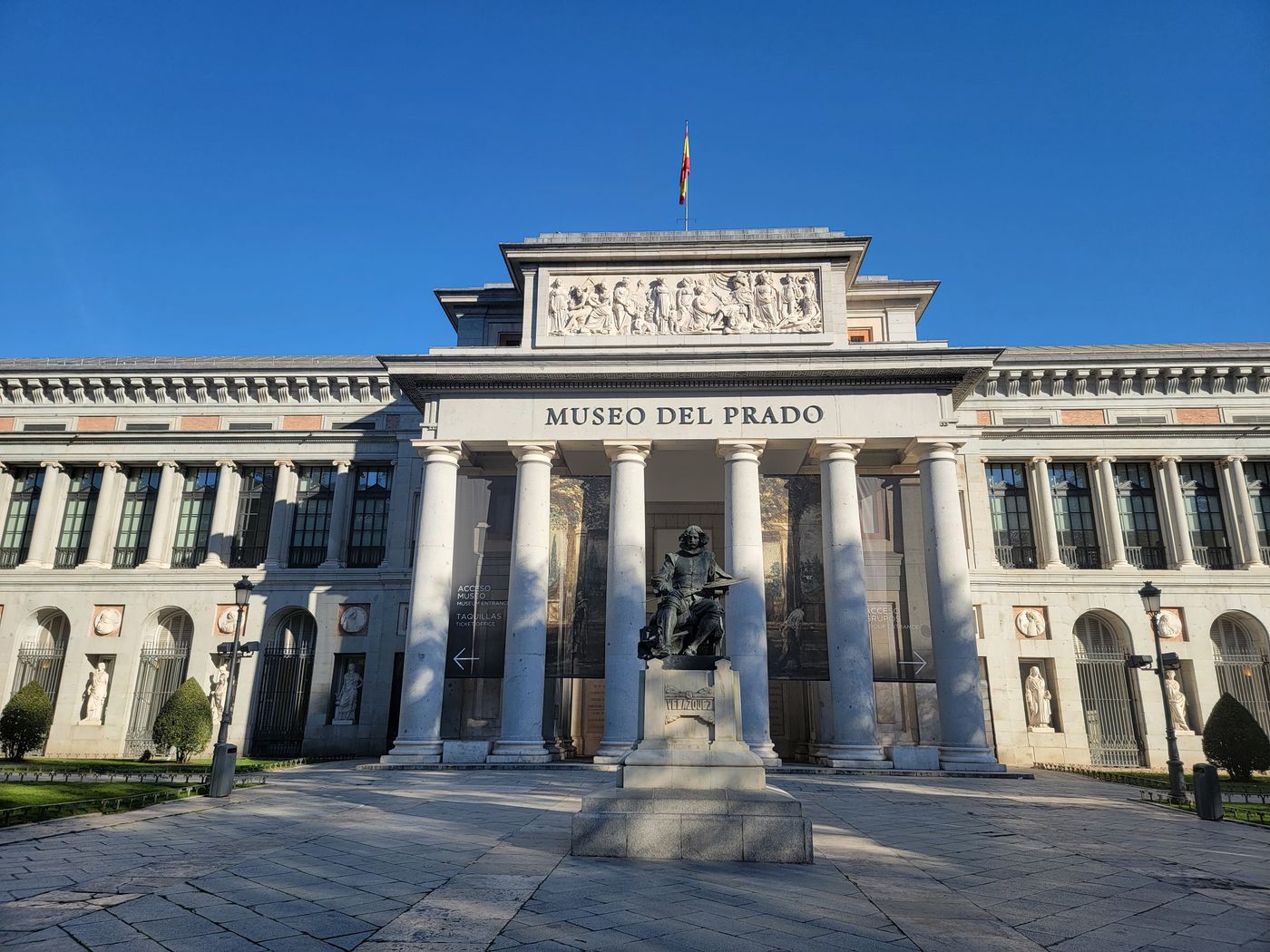
Start your art journey at the Prado, which houses one of the finest collections of European art in the world. Focus on the works of Goya, Velázquez, and El Greco, which are the highlights of the gallery. Allow at least three hours for a thorough visit, or book a guided tour if you want to skip the lines and learn the history behind the paintings. The museum is located in the heart of the city, making it easy to combine with a walk through the nearby park.
Retiro Park
Retiro Park is the green lung of Madrid, offering a peaceful escape from the urban bustle. Rent a rowboat in the Lake of the Palace and glide across the water while the autumn leaves turn yellow and orange. The Crystal Palace, a stunning glass structure, is a must-see photo spot inside the park. Spend at least two hours here, ideally in the late afternoon when the light is soft and the atmosphere is calm.
Royal Palace of Madrid
This is the largest royal palace in Western Europe, featuring opulent interiors and a rich history. The Royal Armory and the Royal Chapel are two of the most impressive rooms to visit. Check the official website for opening hours, as they can change depending on the season. Allocate two to three hours for the palace, and consider visiting the nearby Almudena Cathedral, which is often overlooked by tourists.
Plaza Mayor
Plaza Mayor is the historic heart of Madrid, a square surrounded by beautiful buildings and bustling cafes. It is the perfect place to people-watch and enjoy a coffee or a glass of wine. The square is lively at all hours, but the evening atmosphere is particularly magical when the lights come on. Take a moment to sit on one of the benches and soak in the energy of the city.
La Latina Neighborhood
La Latina is the best neighborhood for tapas and nightlife, filled with narrow streets and charming plazas. Start your evening with a crawl through the area, stopping at different bars to try a variety of local dishes. The atmosphere is lively and friendly, making it a great place to meet other travelers. Don’t miss the Calle de la Cava, which is packed with bars and restaurants.
El Rastro Market
El Rastro is a famous flea market that operates only on Saturdays, offering a wide range of antiques, art, and local goods. It is a chaotic and vibrant experience, so go early to avoid the biggest crowds. Haggle for prices on unique finds, and be prepared to walk a lot as the market stretches over several blocks. This is a great place to find souvenirs that are not mass-produced.
Templo de Debod
This ancient Egyptian temple is one of the most beautiful spots in Madrid, offering stunning views of the city skyline. It is free to enter, and the temple itself is a fascinating piece of history. The best time to visit is at sunset, when the sky turns pink and purple and the temple is illuminated. Bring a camera, as this is one of the most photogenic locations in the city.
Best Photo Spots & Scenic Views

Madrid offers several viewpoints that capture the essence of the city, especially during the fall when the light is warm and inviting. The first spot to visit is the Mirador de la Almudena, located next to the Royal Palace. This viewpoint offers a panoramic view of the city center, including the Almudena Cathedral and the surrounding plazas. It is a quiet spot, perfect for taking a peaceful photo break. The second spot is the Cuesta de Moyano, a steep street that leads to the Puerta del Sol. The view from the top is dramatic, with the city stretching out below you. The third spot is the Templo de Debod, which I mentioned earlier. This is arguably the best sunset spot in Madrid, with the temple silhouetted against the colorful sky. Each of these locations offers a different perspective on the city, so try to visit at least two of them during your stay. Bring a zoom lens if you have one, as it will help you capture the details of the architecture and the texture of the streets. Remember to check the weather before you go, as cloudy days can dampen the views. These spots are all easily accessible by foot or metro, so they fit seamlessly into any madrid itinerary.
Where to Stay: Best Areas for Your Trip

Choosing the right neighborhood is crucial for a smooth trip, as it affects your daily commute and access to attractions. The Centro district is the most convenient for first-time visitors, as it is home to many of the major sights, including the Royal Palace and Plaza Mayor. Hotels here range from budget-friendly hostels to luxury boutique properties, so you can find something that fits your budget. The atmosphere is lively, with plenty of restaurants and cafes nearby. Another great option is the Salamanca district, which is known for its elegant architecture and high-end shopping. This area is quieter than Centro, making it a good choice for travelers who want a more relaxed experience. It is also close to the Prado Museum and the Retiro Park. For those on a tighter budget, consider staying in the Lavapiés district. This area is vibrant and multicultural, with a strong nightlife scene and affordable accommodation options. It is a bit further from the main sights, but the metro makes it easy to get around. Whichever area you choose, make sure to book your hotel in advance, especially during the fall season when the weather is pleasant. Read reviews carefully to ensure the location meets your needs, and consider the proximity to a metro station for easy access to other parts of the city. A good location will save you time and money, allowing you to focus on enjoying the city.
Best Time to Visit & How Many Days to Plan: Madrid Itinerary

The fall months of October and November are ideal for visiting Madrid, as the summer heat has subsided and the crowds have thinned. The temperatures are mild, ranging from 10 to 20 degrees Celsius, making it perfect for walking tours and outdoor activities. The days are shorter, but the light is beautiful, creating a cozy atmosphere in the evenings. Spring (April to June) is also a great time to visit, with blooming flowers and longer days. However, the weather can be unpredictable, with occasional rain showers. Summer (July and August) is hot and humid, with temperatures often exceeding 30 degrees Celsius. It is best to avoid this time if you are sensitive to heat, as the city can feel oppressive. Winter (December to February) is cold and rainy, but the city is less crowded and the prices are lower. It is a good time to visit if you enjoy indoor activities, such as museums and theaters. For a madrid itinerary, three days is the minimum amount of time needed to see the major sights. If you have more time, consider adding a day trip to Toledo or Segovia, both of which are within easy reach of the city. Two days is possible, but you will need to prioritize your must-see attractions. Plan your days carefully to make the most of your time, and don’t be afraid to skip something if you feel rushed. The key is to balance sightseeing with rest, so you can enjoy the city fully.
Getting There & Getting Around

Madrid is well-connected by air, rail, and road, making it easy to reach from most major European cities. The main airport is Adolfo Suárez Madrid–Barajas Airport, which is located about 14 kilometers from the city center. You can take the metro, a bus, or a taxi to reach your hotel. The metro is the cheapest option, and it is clean and efficient. The bus is also a good option, as it runs frequently and is comfortable. A taxi is more expensive, but it is convenient if you have a lot of luggage. Once in the city, the metro is the best way to get around. It is extensive and covers most of the major attractions. Tickets are cheap, and you can buy a multi-ride ticket to save money. Buses are also a good option, as they cover areas that the metro does not. Walking is also a great way to explore the city, as many of the sights are within a short distance of each other. If you prefer to use a car, be aware that parking can be difficult and expensive in the city center. It is best to leave your car at a hotel or a parking garage on the outskirts of the city. For more detailed information on public transport, you can check the Madrid tourism board website. This will help you plan your routes and ensure you don’t miss any connections. The city is very walkable, so don’t be afraid to explore on foot. You will discover hidden gems and enjoy the atmosphere of the streets.
A 3-Day Itinerary: Day by Day

Day 1: The Royal Quarter
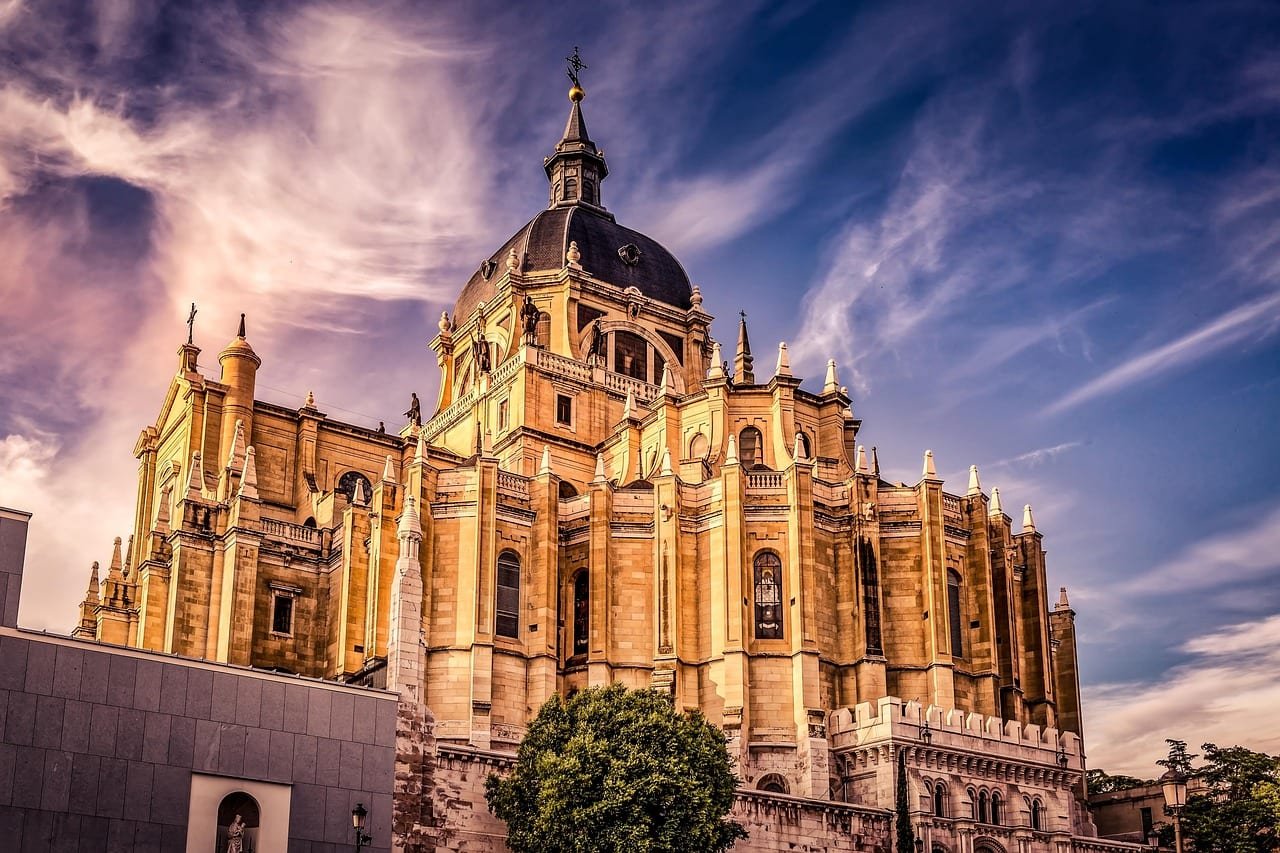
Start your trip in the Royal Quarter, where you will visit the Royal Palace, the Almudena Cathedral, and the Plaza Mayor. Begin your day with a visit to the Royal Palace, which opens at 10:00 AM. Allow two to three hours for this visit, and take your time to explore the opulent interiors. After the palace, walk to the Almudena Cathedral, which is just a short distance away. The cathedral is beautiful and peaceful, offering a contrast to the grandeur of the palace. In the afternoon, visit the Plaza Mayor, where you can enjoy a coffee or a snack. The square is lively and full of character, so take some time to soak in the atmosphere. In the evening, head to the La Latina neighborhood for dinner and drinks. Try some local tapas, and enjoy the vibrant nightlife. This day will give you a great overview of the city’s history and culture.
Day 2: Art and Nature
Dedicate your second day to art and nature, starting with a visit to the Prado Museum. The museum opens at 10:00 AM, so go early to avoid the crowds. Spend at least three hours here, focusing on the works of Goya, Velázquez, and El Greco. After the museum, walk to the Retiro Park, which is just a short distance away. Rent a rowboat in the lake, and enjoy a peaceful time on the water. The park is beautiful, with lush gardens and stunning views. In the afternoon, visit the Reina Sofía Museum, which is home to the famous Guernica painting by Picasso. The museum is smaller than the Prado, so you can visit it in about two hours. In the evening, head to the Malasaña neighborhood for dinner. This area is trendy and full of stylish restaurants and bars. Enjoy a nice meal, and take a stroll through the streets to see the local fashion and art.
Day 3: Markets and Views
Start your final day with a visit to El Rastro Market, if it is a Saturday. The market is open from 9:00 AM to 2:00 PM, so go early to get the best finds. Browse the stalls, and look for unique souvenirs and local goods. After the market, head to the Templo de Debod for a sunset view. The temple is beautiful, and the view of the city skyline is stunning. Spend some time here, taking photos and enjoying the atmosphere. In the evening, head back to the city center for a final meal. Try some traditional Spanish dishes, such as paella or gazpacho. End your trip with a walk through the city, taking in the sights and sounds of Madrid. This day will give you a chance to explore the local culture and enjoy the city’s beauty. If you have time, consider adding a day trip to Toledo, which is a beautiful historic city located just outside Madrid. For more ideas on how to spend your time, you can check out our guide on A Week in Europe: 7 Amazing Fall Bucket List Experiences.
Madrid Itinerary FAQ

What should I avoid in Madrid?
Avoid walking alone in poorly lit areas at night, especially in the outskirts of the city. While Madrid is generally safe, petty crime such as pickpocketing can occur in crowded areas like the metro and tourist spots. Keep your belongings secure, and be aware of your surroundings. Also, avoid eating at restaurants that are too close to major tourist attractions, as they may be overpriced and of lower quality. Instead, look for places where locals eat, which are often a short walk away from the main sights.
What are some things to do in Madrid in three days?
In three days, you can see the major sights, including the Royal Palace, the Prado Museum, and the Retiro Park. You can also explore the neighborhoods of La Latina and Malasaña, and visit the El Rastro Market if it is a Saturday. This gives you a good balance of history, art, and local culture. If you have more time, consider adding a day trip to Toledo or Segovia. For a detailed breakdown, refer to the day-by-day itinerary above, which covers all the essential experiences.
What are some things to do in Madrid when it's too hot?
When it is hot, focus on indoor activities, such as visiting museums and shopping malls. The Prado, Reina Sofía, and Thyssen-Bornemisza museums are all great options, as they are air-conditioned and offer a cool escape from the heat. You can also visit the Royal Palace, which has many indoor exhibits. In the afternoon, take a nap or rest at your hotel, and go out in the evening when the temperature drops. Madrid is a city that comes alive at night, so you can enjoy dinner and drinks without feeling too hot. For more tips on dealing with the heat, you can check out our guide on Seville travel guide: 7 Amazing Tips, which also covers summer strategies for Spanish cities.
Free Madrid trip checklist
Get the printable itinerary outline and packing checklist for Madrid, sent straight to your inbox.
No spam. One email with your checklist.