Free Seville trip checklist
Get the printable itinerary outline and packing checklist for Seville, sent straight to your inbox.
No spam. One email with your checklist.
Quick-answer intro: Seville travel guide

Seville travel guide starts with the basics you need to feel ready for a summer adventure in southern Spain. Pack light, bring breathable layers, and keep a reusable water bottle for the warm afternoons. Below you’ll find a printable checklist, outfit ideas, budget hacks, and a ready‑to‑use three‑day plan. Check the weather forecast before you leave and confirm any museum tickets, because opening hours can shift. This guide will save you time, money, and the stress of last‑minute decisions, letting you explore the Alcázar, tapas bars, and riverfront promenades with confidence. If you love quick‑reference lists, you’ll appreciate the bullet‑point style of each section. We also link to related posts for inspiration, like the Krakow food guide 7 Amazing Dishes for snack ideas you can adapt to Seville’s markets. For official updates on health measures, visit the Seville tourism board or read the city’s entry on Wikipedia.
The packing list: Seville travel guide

Packing smart saves space and keeps you comfortable while you wander the historic streets. Below are four categories with essential items and a short reason why each matters.
Seville travel guide: Clothing Essentials
- Lightweight shirts – breathable cotton or linen keeps you cool under the Andalusian sun.
- Comfortable walking shoes – cobblestones demand sturdy soles and good arch support.
- Light jacket or cardigan – evenings can dip to 15 °C, especially near the river.
- Sun hat or cap – protects your face during midday strolls. Seville travel guide: Gear Must-Haves
- Reusable water bottle – stay hydrated and reduce plastic waste.
- Daypack with rain cover – carries your essentials and shields them from sudden showers.
- Travel umbrella – a compact option for the occasional spring rain.
- Sunscreen (SPF 30+) – essential for skin protection on open plazas. Seville travel guide: Documents & Money
- Passport and photocopies – keep a copy in your daypack for emergencies.
- Travel insurance card – verify coverage for medical needs abroad.
- Euro cash and a no‑fee debit card – many small tapas bars prefer cash.
- EU digital health certificate – check local requirements before you travel. Seville travel guide: Tech Tools
- Smartphone with offline maps – Google Maps offline works well in the old town.
- Portable charger – long days out mean your phone will need a boost.
- Universal plug adapter (EU type C) – keep devices charged in hotels.
- Noise‑cancelling headphones – great for the train ride from the airport. Remember to double‑check airline baggage limits and confirm any special COVID‑19 documentation with your airline. For a deeper dive into budget‑friendly gear, see our Outer Banks Hidden Gems post.
What to wear

Seville’s climate in late spring and early summer is warm‑day, cool‑night. Aim for breathable fabrics like linen and light cotton. During the day, a short‑sleeve shirt with relaxed trousers or a midi dress works well. In the evenings, add a light jacket or a stylish cardigan for the riverfront breeze. Footwear should be sturdy yet fashionable, think leather sandals with good grip or low‑profile sneakers. A scarf can double as a modest cover for visiting churches and also adds a pop of color to photos. Don’t forget sunglasses with UV protection; the sun reflects off the Guadalquivir and can be intense. If you plan to attend a flamenco show, consider a slightly dressier outfit, perhaps a dress shirt and dark trousers for men, or a flowy dress for women. This respects the venue’s atmosphere while keeping you comfortable. Lastly, pack a small foldable tote for market purchases. It’s handy for carrying fresh fruit, olives, or a souvenir ceramic plate without adding bulk to your luggage.
Budgeting & travel logistics

Seville is affordable for most travelers, but a clear budget prevents surprises. Expect to spend €30‑40 per day on meals if you mix tapas bars with a few sit‑down restaurants. Mid‑range hotels cost €70‑120 per night in the city centre; consider a boutique guesthouse for a more local feel. Transportation is straightforward. The city’s Metro and tram network covers major attractions for €1.40 per ride. A 10‑trip ticket reduces the cost to €10.40. For airport transfers, the EA bus costs €4 and runs every 20‑30 minutes. Taxis start at €3 and are useful late at night. If you plan day trips to nearby towns like Córdoba or Jerez, book a regional train in advance for discounts. Always verify schedules on the official Renfe website because timetables can change. Travel insurance is a smart addition, look for policies that cover medical emergencies and trip cancellations. Finally, keep a small emergency fund in cash for markets that don’t accept cards. For a broader look at budgeting across Spain, see our Napa Valley Food Guide article for tips on stretching your food budget.
Best time to visit & how many days: Seville travel guide

The sweet spot for visiting Seville is late March to early June or September to October. During these months the temperatures hover between 20‑30 °C, and the city’s festivals, like Feria de Abril, add vibrant energy. Summer (July‑August) can exceed 40 °C, making midday sightseeing uncomfortable. Plan for three full days to capture the highlights without rushing. Day 1 covers the historic centre, Day 2 explores the gardens and museums, and Day 3 lets you wander the Triana neighbourhood and the riverfront. If you have extra time, add a half‑day trip to the Roman ruins of Itálica, just a short train ride away. When traveling in shoulder season, book accommodation a few weeks ahead to secure the best rates. Check the city’s official events calendar for any public holidays that might affect opening hours. For more ideas on seasonal travel, our Best places to visit December post offers insight into winter destinations.
Practical tips

Currency – Spain uses the Euro. ATMs are plentiful, but keep some cash for small tapas bars that prefer coins. Transport – The city centre is walkable, but the Metro, tram, and bike‑share (Sevici) are convenient for longer distances. Download the official Sevici app for real‑time bike availability. Safety – Seville is generally safe, but watch your belongings in crowded markets and on public transport. Keep valuables in a hidden pouch and avoid flashing expensive electronics. Language – Spanish is the official language. Learning a few phrases, ¡Hola!, ¿Cuánto cuesta?goes a long way. Many staff in tourist areas speak English, but a polite greeting in Spanish earns goodwill. Health – Tap water is safe to drink. If you have dietary restrictions, ask for “sin gluten” or “sin lactosa” at restaurants. For up‑to‑date health advisories, consult the Spanish Ministry of Health website. Connectivity – Free Wi‑Fi is available in most plazas and cafés. For reliable coverage, buy a local SIM card at the airport or a nearby telecom shop. These practical pointers keep your trip smooth and let you focus on soaking up the city’s music, architecture, and flavor.
A day-by-day itinerary

Day 1 – Arrival & Historic Center
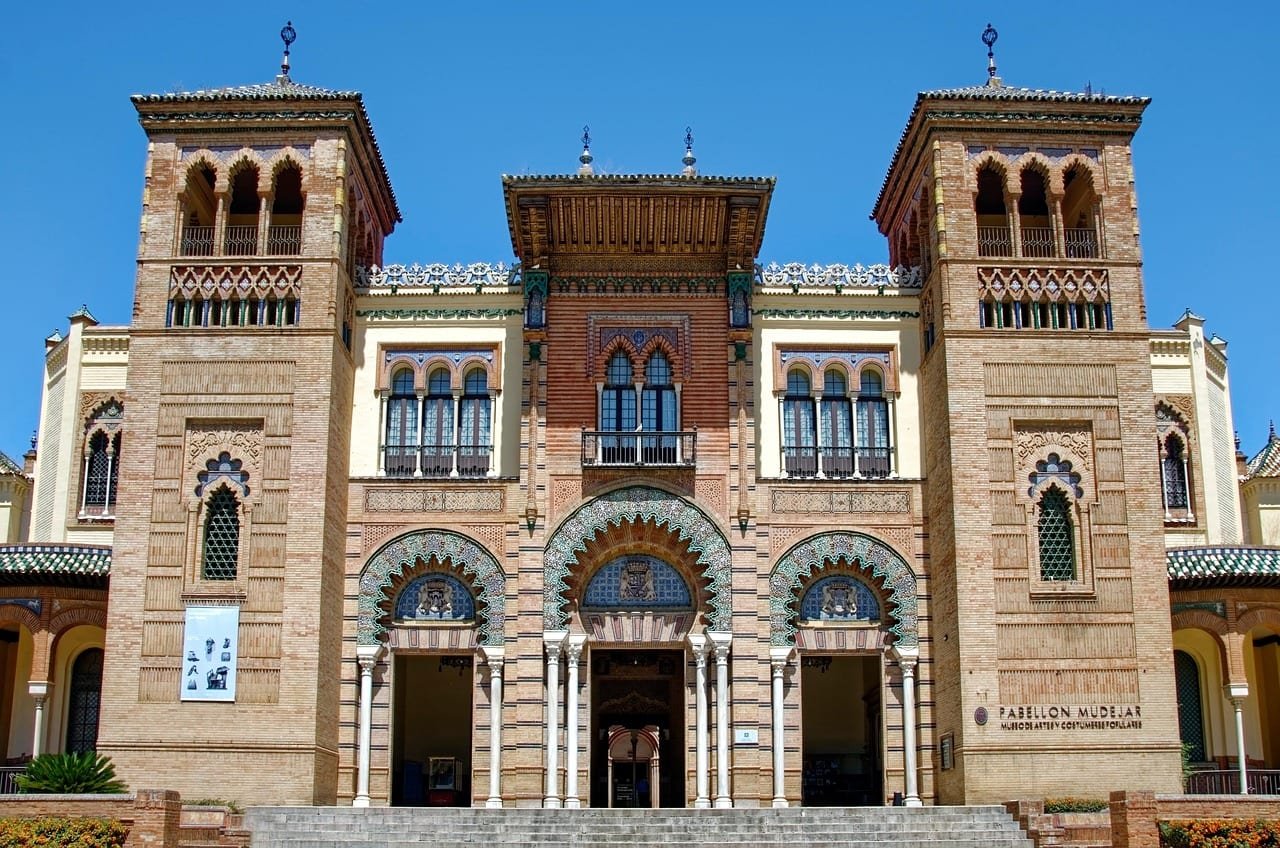
Arrive at San Pablo Airport and take the EA bus to Plaza de España (≈ €4). Check into your hotel, drop off luggage, and head straight to the Alcázar. Book tickets online to skip the line; allocate 2 hours for the palace and gardens. Lunch at a nearby tapas bar, try espinacas con garbanzos. In the afternoon, stroll through the Barrio Santa Cruz, exploring narrow alleys, white‑washed houses, and hidden plazas. End the day with a sunset view from the Giralda tower.
Seville travel guide: Day 2 – Gardens, Museums & River Walk
Start with a light breakfast of salmorejo at a local café. Visit the Maria Luisa Park and the iconic Plaza de España, where you can rent a rowboat for a quick glide on the canal. Head to the Museum of Fine Arts for Spanish masterpieces (free entry on Tuesdays). For lunch, sample flamenquín at a family‑run restaurant. In the late afternoon, cross the Triana Bridge and explore the pottery workshops. Dine on fresh seafood at a riverside venue.
Seville travel guide: Day 3 – Triana, Flamenco & Departure
Spend the morning in Triana, browsing the market for souvenirs, hand‑painted ceramics and olive oil. Grab a quick bite of churros con chocolate. In the early afternoon, join a flamenco workshop that includes a short performance; many schools offer a beginner’s class for €15. Use any remaining time to revisit a favorite spot or relax at a café. When it’s time to leave, take the Metro to the airport, allowing extra time for security checks. These three days give you a balanced taste of Seville’s history, culture, and culinary delights while leaving room for spontaneous discoveries. For more itinerary inspiration, see our Telluride Fall Bucket List post.
FAQ: Seville travel guide

When is the best time to visit?
Late spring (April‑May) and early autumn (September‑October) offer pleasant weather, fewer crowds, and vibrant festivals. Check the city’s events calendar for Feria de Abril or Semana Santa to decide which experience appeals to you.
Seville travel guide: How much should I budget per day?
A comfortable budget ranges from €70‑€100 per day, covering a mid‑range hotel, three meals (including tapas), transport, and entry fees. Adjust upward if you prefer upscale dining or private tours.
Seville travel guide: Do I need to speak Spanish?
While many staff in tourist areas speak English, learning basic Spanish greetings and food terms enhances interactions and can lead to better service. Carry a phrasebook or use a translation app for quick help. For any unanswered questions, feel free to leave a comment or consult the official tourism site linked earlier.
More guides you may like: Madrid Itinerary: 7 Amazing Fall Experiences