Free Amsterdam trip checklist
Get the printable itinerary outline and packing checklist for Amsterdam, sent straight to your inbox.
No spam. One email with your checklist.
The Hook: Why This Summer Trip Needs Planning

The sun hits the water in Amsterdam differently than in other European cities. It reflects off the green canals, bounces off the white facades, and creates a glow that makes every corner look like a painting. But this beauty comes with a catch: the crowds. If you have ever tried to walk through the Jordaan district during peak summer afternoons, you know the struggle. People bump into you, bicycles honk, and the air feels thick with humidity. The difference between a stressful visit and a magical one lies in preparation. You need to know which spots to book in advance and which ones are best enjoyed at specific times of day. For example, the Rijksmuseum is a must-see, but going at 9:00 AM sharp makes all the difference compared to 2:00 PM. Similarly, a canal cruise at sunset offers a completely different experience than one at noon. This guide is designed to help you navigate these nuances. We will break down exactly what to do, when to do it, and how to make the most of your time in the city. Think of this as your personal concierge, giving you the insider knowledge that guides often miss. We focus on practical steps, like which tickets to buy online and which neighborhoods to stay in for the best access to these experiences. By the end of this article, you will have a clear plan that balances sightseeing with relaxation. You will know how to move through the city without feeling rushed. You will understand the local customs that make your interactions with residents smoother and more enjoyable. This is not just a list of things to do; it is a roadmap to a confident, stress-free summer in Amsterdam. Let us dive into why this city deserves a spot on your summer bucket list and how to make it happen.
The Big Picture: Why Amsterdam Belongs on This Summer’s Bucket List

Amsterdam offers a unique blend of history, art, and modern urban life that few other cities can match. Unlike larger capitals that can feel overwhelming, Amsterdam is compact enough to explore on foot or by bike, yet dense with culture. The city’s layout, defined by its canal rings, creates a natural framework for exploration. Each ring tells a different story of the city’s development, from the wealthy merchant houses of the 17th century to the trendy cafes of the modern day. This structure makes it easy to plan a trip that feels curated rather than chaotic. You can spend a morning in the museum district, a lunch break in a quiet park, and an evening in a vibrant neighborhood, all without crossing town. The summer season amplifies this charm. The days are long, often stretching past 9:00 PM, giving you ample time to see everything you want. The weather, while variable, is generally pleasant, with temperatures in the mid-20s Celsius. This is the ideal time to enjoy outdoor activities, such as cycling along the canals or dining al fresco in the parks. Another reason Amsterdam shines in summer is its cultural calendar. The city hosts numerous festivals and events that transform public spaces into vibrant hubs of activity. The Amsterdam Dance Event, for instance, draws music lovers from around the world, filling clubs and bars with energy. Even if you are not into electronic music, the atmosphere is infectious. The city’s approach to sustainability also appeals to modern travelers. Amsterdam is a leader in green initiatives, with extensive bike lanes, electric trams, and a strong focus on local produce. This means that your trip can align with your values without compromising on comfort or convenience. The food scene reflects this ethos, with many restaurants sourcing ingredients from local farms. You can enjoy a hearty Dutch breakfast with fresh bread, local cheese, and seasonal fruits, setting the tone for a day of exploration. The combination of these factors makes Amsterdam a destination that rewards careful planning. It is not just a place to visit; it is a place to experience. By understanding the city’s rhythm, you can align your itinerary with its natural flow, ensuring that you see the best of what it has to offer. This is why we recommend Amsterdam for this summer. It offers depth, variety, and a level of accessibility that makes it easy to enjoy. Whether you are an art lover, a foodie, or simply someone looking for a relaxing getaway, Amsterdam has something for you. The key is to approach it with the right mindset and the right plan. That is exactly what we will help you build in the following sections.
The Bucket List: 6-8 Must-Do Experiences

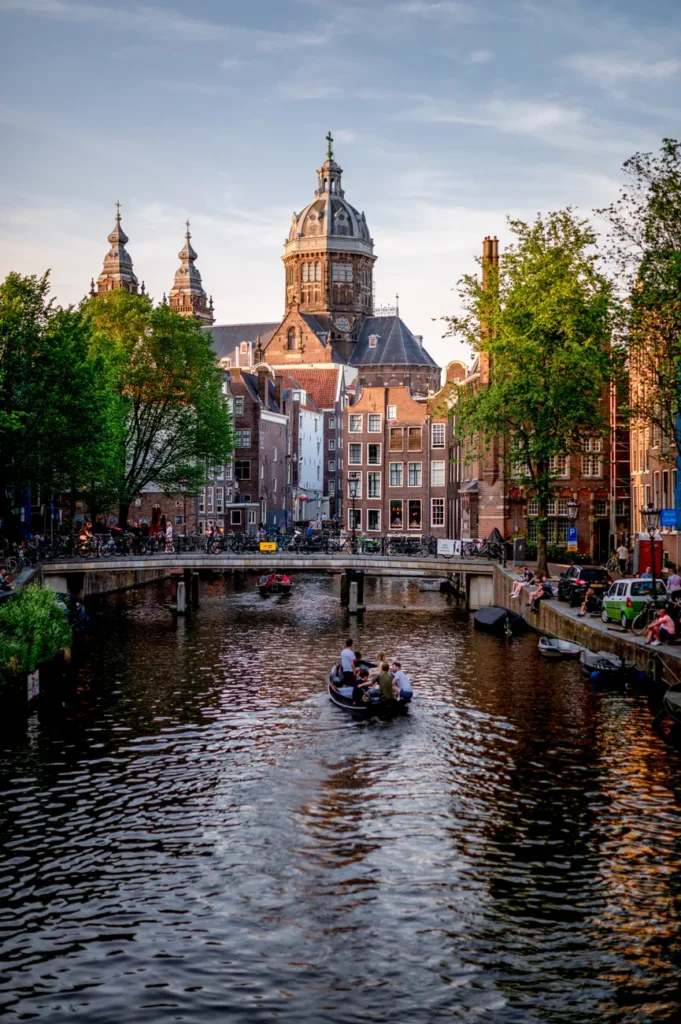
- Canal Cruise at Sunset: Start your Amsterdam experience with a boat ride along the canals. This is the classic way to see the city, and for good reason. The perspective from the water is unique, allowing you to appreciate the architecture and greenery from a different angle. Book a cruise for late afternoon, around 5:00 PM, to catch the golden hour light. The sun reflects off the water, creating a magical atmosphere. Many cruises offer commentary, which adds context to the sights. Look for operators that provide small boats for a more intimate experience.
- Visit the Rijksmuseum: Housing the Dutch Golden Age masterpieces, the Rijksmuseum is a must-see. Do not just wander in; plan a specific route. Start with the Rembrandt’s “Night Watch” and work your way through the 17th-century gallery. The museum is vast, so allocate at least three hours. Go early in the morning to avoid the largest crowds. The building itself is a masterpiece, with a grand entrance and beautiful courtyards.
- Cycle Through Vondelpark: Rent a bike and explore Vondelpark, Amsterdam’s largest public park. The park is a green oasis in the heart of the city, with lush lawns, flower beds, and a zoo. Cycling is the best way to navigate the park, as the paths are wide and well-maintained. Stop at the Vondel Monument to pay respects to the city’s most famous poet. You can also rent a bike to visit the nearby Heineken Experience, which offers a tour of the famous brewery.
- Explore the Jordaan District: Known for its narrow streets and charming cafes, the Jordaan is the heart of Amsterdam’s bohemian spirit. Wander through the streets, stopping at boutique shops and art galleries. The district is home to many independent restaurants, offering a mix of traditional Dutch and international cuisine. Visit the Nine Streets area for a concentration of shops and cafes. The architecture here is older and more intimate than in the city center, giving you a glimpse of Amsterdam’s residential side.
- Visit the Van Gogh Museum: Dedicated to the life and work of Vincent van Gogh, this museum houses the largest collection of his paintings in the world. The building is modern and sleek, contrasting with the historic surroundings. The exhibits are well-organized, providing context for each piece. Be sure to book tickets in advance, as entry is timed. The museum also has a beautiful garden, perfect for a quick break.
- Stroll Along the Albert Cuyp Market: This open-air market is a sensory overload in the best way. Stalls overflow with fresh produce, flowers, and local delicacies. It is the perfect place to try street food, such as stroopwafels or bitterballen. The market is busiest in the late afternoon, so go early to avoid the crowds. The atmosphere is lively and friendly, with vendors calling out their wares.
- Take a Day Trip to Zaanse Schans: Just a short train ride from Amsterdam, Zaanse Schans is an open-air museum showcasing traditional Dutch windmills and crafts. It is a great way to see a different side of the Netherlands, away from the city bustle. The windmills are still operational, producing wood, paint, and oil. You can also visit a cheese farm and a clog workshop. The trip is easy to organize and offers a peaceful contrast to the city.
- Enjoy a Sunset at the Westerpark: End your day with a relaxing evening at Westerpark. This park is located in the Westerpark district, which is known for its hip cafes and bars. The park has a beautiful lake, where you can rent a paddle boat or simply sit by the water. The sun sets over the city skyline, creating a stunning view. Many visitors bring a picnic and enjoy the music of local street performers. This is a perfect way to unwind after a full day of sightseeing.
Best Photo Spots & Scenic Vistas

Amsterdam is a photographer’s dream, with every corner offering a new composition. However, to get the best shots, you need to know where to stand and when to go. The most famous photo spot is the Magere Brug, or Skinny Bridge, which connects the city center to the De Pijp district. The bridge is narrow and picturesque, with the canals stretching out on either side. For the best light, go in the early morning, before the crowds arrive. The soft light enhances the colors of the buildings and the water. Another great spot is the Oude Kerk, the oldest church in Amsterdam. The church is surrounded by historic buildings, and the spire makes for a dramatic backdrop. Stand in the square in front of the church and capture the spire against the sky. The square is often empty in the early morning, giving you time to compose your shot. For a different perspective, head to the NEMO Science Museum. The museum’s red roof is a striking feature of the city skyline. Climb to the top of the roof for a panoramic view of the city. You can see the canals, the parks, and the surrounding neighborhoods. This is a great spot for wide-angle shots that capture the scale of the city. The roof is open to the public, and there are few barriers, allowing for unobstructed views. Another hidden gem is the Prinsengracht canal. This is the widest of the four main canals, and it is lined with grand 17th-century houses. Walk along the canal and look for spots where the water reflects the buildings. The reflection is often perfect, creating a symmetrical image. Use a polarizing filter to reduce glare and enhance the colors. When shooting in Amsterdam, pay attention to the details. The city is full of small, charming details that make great photos. Look for colorful doors, bicycle racks, and flower boxes on windows. These details add character to your images and tell a story about daily life in the city. Also, consider the time of day. The light in Amsterdam changes quickly, so be ready to adjust your settings. In the summer, the days are long, giving you more time to experiment. Try shooting at different times of day to see how the light affects the scene. The morning light is soft and golden, while the afternoon light is bright and clear. The evening light is warm and dramatic, perfect for capturing the city’s nightlife. Finally, do not forget to capture the people. Amsterdam is a city of cyclists, and the bicycles are an iconic part of the city’s identity. Photograph people riding their bikes along the canals or through the parks. These images capture the spirit of the city and provide a human element to your photos. Be respectful and ask for permission before taking close-up shots of individuals. Overall, Amsterdam offers endless opportunities for photography. With the right knowledge and a bit of patience, you can capture the beauty of this city in all its glory. Whether you are a professional photographer or a casual hobbyist, you will find yourself inspired by the sights and sounds of Amsterdam. Plan your shots in advance, and take the time to explore different angles. The result will be a collection of images that truly reflect the charm of this unique city.
Where to Stay for the Best Views

Choosing the right place to stay in Amsterdam can make or break your trip. The city is compact, so you can stay in almost any neighborhood and still be close to major attractions. However, some areas offer better views and a more authentic experience. The Jordaan district is a top choice for many travelers. It is located just north of the city center, and it is known for its narrow streets, charming cafes, and boutique hotels. Staying here puts you within walking distance of the Rembrandtplein and the Leidseplein, but it is quieter and more residential. Many hotels in the Jordaan offer rooms with views of the canals, providing a peaceful start to your day. Look for a hotel with a balcony or a large window overlooking the water. The view is especially beautiful in the evening, when the lights from the buildings reflect off the water. Another great option is the De Pijp district, which is located south of the city center. This area is known for its vibrant atmosphere and diverse food scene. It is home to the Albert Cuyp Market, one of the largest open-air markets in the Netherlands. Staying in De Pijp gives you easy access to the market and the surrounding neighborhoods. Many hotels here are modern and stylish, offering comfortable rooms and great amenities. The area is also close to the Vondelpark, so you can enjoy a morning walk in the park before heading out for the day. If you prefer a more central location, consider staying in the city center, near the Dam Square. This area is bustling with activity, and you will be within walking distance of the main museums and shopping streets. However, it can be noisy and crowded, so it may not be ideal for those seeking a quiet retreat. When booking your hotel, consider the type of room you want. A canal-side room is a luxury that is worth splurging on. The view is stunning, and the sound of the water is soothing. Many hotels offer upgrades to canal-side rooms for a small fee, so it is worth asking. Also, look for hotels that offer free breakfast. This can save you money and time, allowing you to start your day with a good meal. Finally, read reviews from other travelers to get a sense of the hotel’s quality and service. Look for comments about the cleanliness, the location, and the staff. A good hotel can make your trip more enjoyable, so do not skimp on this aspect. With the right choice of accommodation, you will be set up for a successful trip to Amsterdam. Whether you choose the Jordaan, De Pijp, or the city center, you will find a welcoming and comfortable place to stay. Take the time to research your options and find the hotel that best fits your needs and budget. This will ensure that you have a positive and memorable experience in Amsterdam.
Best Time to Visit This Summer

Amsterdam is a beautiful city in any season, but summer offers unique advantages. The weather is generally mild and pleasant, with temperatures ranging from 15 to 25 degrees Celsius. This is the perfect time to enjoy outdoor activities, such as cycling, walking, and dining al fresco. The days are also longer, with daylight lasting until late in the evening. This gives you more time to see the sights without feeling rushed. However, summer is also the peak tourist season, so you should expect larger crowds and higher prices. To make the most of your trip, consider visiting during the shoulder months of May or September. These months offer similar weather to the peak summer, but with fewer crowds and lower prices. The light is still beautiful, and the city is less crowded, making it easier to explore. If you are set on visiting during the peak summer, plan your itinerary carefully. Avoid the busiest times of day, such as midday, when the crowds are largest. Instead, start your day early, heading to the museums and attractions before the crowds arrive. In the afternoon, take a break at a cafe or a park, and then resume your sightseeing in the evening. The evenings in Amsterdam are lively, with many restaurants and bars open until late. This is a great time to enjoy the city’s nightlife and social scene. When planning your trip, also consider the local holidays and events. Amsterdam hosts several festivals during the summer, such as the Amsterdam Dance Event and the Pride Festival. These events can attract large crowds and cause traffic disruptions, so it is worth checking the calendar before you book. If you are interested in attending one of these events, book your tickets and accommodation in advance. The events are popular, and tickets can sell out quickly. Weather in Amsterdam can be unpredictable, so it is a good idea to pack for a range of conditions. Bring a light jacket or sweater for cooler evenings, and a raincoat or umbrella in case of rain. The weather can change quickly, so being prepared will ensure that you are comfortable throughout your trip. Also, consider the time of day when you plan your activities. The morning is a good time for outdoor activities, as the light is soft and the crowds are smaller. The afternoon is a good time for indoor activities, such as visiting museums or shopping. The evening is a good time for dining and nightlife, as the city comes alive after dark. By planning your itinerary around the time of day, you can make the most of your time in Amsterdam. Whether you choose the shoulder season or the peak summer, you will find that Amsterdam is a wonderful destination. With the right planning, you can enjoy all that this city has to offer.
Getting There & Getting Around

Getting to Amsterdam is easy, with several options available. The city is served by Schiphol Airport, which is one of the busiest airports in Europe. The airport is located just 15 kilometers from the city center, and it is well-connected by train, bus, and taxi. The train is the fastest and most convenient option, taking about 15 minutes to reach the central station. The train station is located in the heart of the city, making it easy to access all the major attractions. If you are arriving by bus, there are several services that run from the airport to the city center. These buses are cheaper than the train, but they take longer and may not be as frequent. The taxi is the most expensive option, but it is the most convenient if you have a lot of luggage. Once you are in the city, getting around is easy and affordable. The city has an extensive public transport system, including trams, buses, and metros. The trams are the most popular way to get around, as they are frequent and cover most of the city. The metro is useful for traveling to the suburbs, but it is not necessary for most tourists. The city is also a great place to explore on foot or by bike. The streets are wide and well-maintained, and there are many bike lanes. Renting a bike is a fun and eco-friendly way to see the city. There are many bike rental companies in the city, and you can rent a bike for a day or a week. When using public transport, make sure you have a valid ticket. The city uses a ticketing system that requires you to check in when you board and check out when you leave. Failing to do so can result in a fine. There are several types of tickets available, including single tickets, day passes, and multi-day passes. The day pass is a good option if you plan to use public transport frequently. It allows you to travel unlimitedly on trams, buses, and metros for a full day. The multi-day pass is a good option if you are staying for several days. It offers a discount on the cost of daily travel. If you prefer to drive, be aware that parking in the city center is expensive and difficult to find. It is best to park outside the city center and take public transport into the city. There are several parking garages on the outskirts of the city, and they are cheaper than parking in the center. Also, be aware that the city has a low-emission zone, which restricts certain vehicles from entering the city center. If you are driving a car, make sure it meets the emission standards. Overall, getting around Amsterdam is easy and convenient. With the right planning, you can navigate the city with ease. Whether you choose to walk, bike, or use public transport, you will find that the city is easy to explore. Take the time to familiarize yourself with the transport system before you start your trip, and you will be well-prepared for your adventures in Amsterdam. For more on navigating European cities, check out our guide on Plan a Confident Reykjavik Itinerary with Secret Spots to see how compact cities can be tackled with similar strategies.
Your Bucket-List Itinerary (3 or 5 Day Plan)

Here is a sample 3-day itinerary that covers the must-do experiences in Amsterdam. Day 1: City Center and Museums. Start your day at the Dam Square, the heart of the city. Visit the Royal Palace and the Nieuwe Kerk. Then, head to the Rijksmuseum, which is a short walk away. Spend at least three hours here, exploring the 17th-century gallery and the Rembrandt collection. In the afternoon, visit the Van Gogh Museum, which is also in the museum district. In the evening, take a canal cruise to see the city from the water. End your day with a dinner in the Jordaan district, trying some traditional Dutch food. Day 2: Parks and Neighborhoods. Start your day with a bike ride through Vondelpark. Rent a bike and explore the park, stopping at the Vondel Monument and the zoo. In the afternoon, visit the Heineken Experience, which is located near the park. In the evening, explore the De Pijp district, visiting the Albert Cuyp Market and trying some street food. End your day with a drink at a bar in the neighborhood. Day 3: Day Trip and Relaxation. Start your day with a train ride to Zaanse Schans. Visit the windmills, the cheese farm, and the clog workshop. Spend the day exploring the open-air museum and taking in the rural scenery. In the evening, return to Amsterdam and relax at a cafe or a bar. End your trip with a sunset at the Westerpark, enjoying the view of the city skyline. If you have five days, you can add two more days to your itinerary. Day 4: Art and Culture. Start your day with a visit to the Stedelijk Museum, which houses modern and contemporary art. Then, visit the Anne Frank House, which is a must-see for many travelers. In the afternoon, explore the Nine Streets area, visiting the boutiques and cafes. In the evening, attend a performance at the Amsterdam Concertgebouw, which is one of the best concert halls in the world. Day 5: Local Life and Hidden Gems. Start your day with a visit to the Waterlooplein Market, which is a flea market with a variety of goods. Then, visit the Begijnhof, a hidden courtyard that offers a peaceful escape from the city hustle. In the afternoon, visit the Hortus Botanicus, which is one of the oldest botanical gardens in the world. In the evening, enjoy a final dinner in the city center, trying some new dishes. This itinerary is just a suggestion, and you can adjust it to fit your interests and schedule. The key is to balance sightseeing with relaxation, and to take the time to explore the neighborhoods at your own pace. Amsterdam is a city that rewards slow travel, so do not rush. Take the time to sit at a cafe, watch the world go by, and enjoy the atmosphere. Also, be flexible and open to new experiences. You may discover a hidden gem that you did not know about, or meet a local who shares their favorite spots. Traveling to Amsterdam is a unique experience, and with the right planning, you can make the most of it. For more on planning multi-day trips, see our guide on Plan a Confident Hvar Summer Itinerary with Easy Steps to learn how to structure a relaxed summer escape. Whether you have three days or five, you will find that Amsterdam has something for everyone. Enjoy your trip, and make the most of this beautiful city.
More guides you may like: Budapest Travel Guide