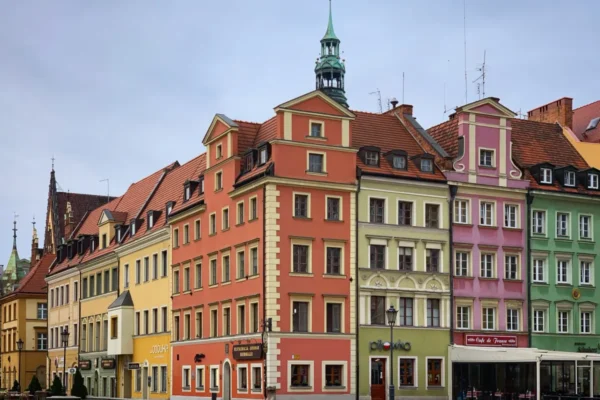
You step off the train at Keleti Station and the air hits you. It is crisp, carrying the faint scent of roasted chestnuts and river mist. This is not a postcard; it is a living city that demands preparation. A well-planned Budapest travel guide is the difference between a stressful trip and a memorable one. We have compiled the essential details you need to navigate this central European gem with ease. From the right footwear to the best time to book your thermal baths, we cover everything. Read on to transform your travel plans into a confident, seamless experience.
Free Budapest trip checklist
Get the printable itinerary outline and packing checklist for Budapest, sent straight to your inbox.
No spam. One email with your checklist.
Before You Go: What to Know About Budapest

Budapest is a city of contrasts, blending Habsburg grandeur with communist-era pragmatism. Before you pack, understand the layout. The city is divided by the Danube River into Buda and Pest. Buda is hilly, historic, and home to the Castle District. Pest is flat, bustling, and filled with markets and nightlife. Knowing this geography helps you plan your daily routes efficiently. You do not need to cross the river every hour. Group your activities by side to save energy and time. This simple strategy makes the city feel manageable rather than overwhelming. Check the official Budapest tourism website for current event calendars. Local festivals can change street access and parking availability. Being aware of these changes prevents minor frustrations. The city is generally safe, but standard urban caution applies. Keep your belongings close in crowded tourist areas like the Chain Bridge. Most visitors find the locals friendly and helpful, even if English is not universal. A few basic Hungarian phrases go a long way in showing respect. This cultural awareness enriches your interactions and deepens your connection to the place. Prepare for a city that rewards curiosity and preparation.
The Packing List: Essential Items

Your suitcase should be light but versatile. Here is the core packing list for a comfortable Budapest trip. 1. Comfortable Walking Shoes: You will walk kilometers on cobblestones. Avoid new shoes or heels. 2. Layered Clothing: Temperatures fluctuate significantly between day and night. Pack a light jacket, a sweater, and breathable tops. 3. Rain Gear: A compact umbrella or waterproof shell is essential. Rain is common in spring and autumn. 4. Power Adapter: Hungary uses Type C and F plugs. Bring a universal adapter for your devices. 5. Daypack: A small, secure bag for daily excursions. 6. Reusable Water Bottle: Tap water is excellent quality in Budapest. Save money and reduce waste. 7. Cash: While cards are widely accepted, small vendors and markets prefer cash. 8. Travel Documents: Keep copies of your passport and insurance in a secure digital folder. This list covers the basics for any season. Adjust the quantity of layers based on your travel month. Do not overpack. You can buy toiletries and minor items locally. A lighter bag makes navigating public transport and stairs in Buda much easier. Focus on functionality over fashion for daily wear. Save your best outfits for special dinners or events. This approach keeps you prepared without the burden of excess weight. Check airline weight limits before you start packing. Carry-on luggage is often sufficient for a short trip. This efficiency saves time at the airport and money on baggage fees. A streamlined bag is a happy traveler.
What to Wear: Outfit & Climate Guide

Dressing appropriately is key to comfort and respect in Budapest. The climate varies by season, so plan your outfits accordingly. Spring (March to May) brings mild days and cool evenings. Wear light layers and a waterproof jacket. Summer (June to August) can be hot and humid. Choose breathable fabrics like cotton and linen. Keep a light scarf for air-conditioned restaurants. Autumn (September to November) requires warmer layers and rain gear. Winter (December to February) is cold, often below freezing. Pack a heavy coat, gloves, and a hat. For dining out, smart casual is the standard. Men should wear clean trousers and a shirt. Women can wear dresses or nice pants with a blouse. Avoid overly casual wear like gym shorts or tank tops in upscale restaurants. For thermal baths, bring your own swimwear and a towel. Many baths provide towels, but bringing your own ensures hygiene and comfort. Footwear is critical. Cobblestones are slippery when wet. Choose shoes with good grip and support. Avoid sandals with poor arch support if you plan to walk all day. This practical approach ensures you stay comfortable and look appropriate for any occasion. Your outfit should reflect the activity you are doing. Explore the city in comfortable clothes. Dress up for evening events. This flexibility allows you to enjoy every aspect of the trip without discomfort. Check the weather forecast before you depart. Adjust your packing list based on the specific dates of your visit. This small step prevents packing errors and ensures you have the right gear. A well-dressed traveler is a confident traveler in any city.
Budgeting & Travel Logistics

Budapest is affordable compared to Western European cities like Paris or London. However, costs vary based on your choices. Budget travelers can spend $50 to $80 per day. Mid-range travelers might spend $100 to $150 per day. Luxury travelers can spend significantly more on dining and accommodations. Accommodation is the biggest cost variable. Hostels are cheap but basic. Hotels range from mid-range to luxury. Book early for peak seasons to secure better rates. Food costs are reasonable if you eat like locals. A meal at a local bistro costs less than a tourist trap. Try the Central Market for affordable, high-quality ingredients. Transport is inexpensive. A one-day pass covers all public transport. This includes buses, trams, and the metro. Walking is the best option for short distances. The city is compact and walkable. Taxis are available but can be expensive. Use ride-sharing apps or walk instead. Entertainment costs vary. Thermal baths are a mid-range expense. Museum entries are affordable. Plan your budget based on your priorities. If food is important, allocate more for dining. If sightseeing is key, budget for tickets. Track your spending daily to stay on track. Use a travel budgeting app or a simple spreadsheet. This discipline prevents overspending and financial stress. Remember to leave room for souvenirs and unexpected costs. A well-managed budget allows you to enjoy the trip without worry. This financial confidence enhances your overall travel experience. Plan ahead and adjust as needed for a smooth trip.
Best Time to Visit

The best time to visit Budapest depends on your preferences. Spring is ideal for mild weather and blooming flowers. The city comes alive with outdoor activities. Summer is popular for festivals and nightlife. The heat can be intense, so plan indoor breaks. Autumn offers beautiful foliage and fewer crowds. The weather is crisp and comfortable for walking. Winter is magical with Christmas markets and thermal baths. The cold requires heavy clothing, but the atmosphere is unique. Avoid peak holiday periods if you want to save money. Prices for hotels and flights are higher during these times. Shoulder seasons in April and October offer the best balance. You get good weather and reasonable prices. Check the local event calendar before booking. Major events can cause congestion and higher demand. This information helps you choose the right dates for your trip. Consider your interests when selecting the season. If you love culture, spring and autumn are great. If you prefer nightlife, summer is vibrant. If you want a cozy experience, winter is perfect. Your personal preferences should guide your decision. This alignment ensures a memorable and enjoyable visit. Plan your trip around the season that matches your style. This strategy maximizes your satisfaction and minimizes inconvenience. A well-timed visit is a successful trip. Choose wisely for the best Budapest experience.
Practical Tips: Currency, Transport, Safety

Currency: The Hungarian Forint (HUF) is the local currency. Do not rely on euros. They are not widely accepted. Exchange money at banks or ATMs for the best rates. Avoid currency exchange offices in tourist areas. They often offer poor rates and high fees. Transport: The public transport system is efficient and affordable. Buy a one-day or multi-day pass. This pass covers all modes of transport. Validate your tickets to avoid fines. The metro is deep and cool, so wear a jacket. Safety: Budapest is generally safe for travelers. Be aware of pickpockets in crowded areas. Keep your bag closed and in front of you. Avoid displaying expensive jewelry or electronics. Report any incidents to the local police. Language: Hungarian is the official language. English is widely spoken in tourist areas. Learning a few basic phrases is appreciated. Use a translation app for complex conversations. This practical advice helps you navigate the city with confidence. These tips are essential for a smooth experience. Follow them to avoid common pitfalls. A prepared traveler is a happy traveler. Use these guidelines to enhance your Budapest trip. They cover the key areas of concern for visitors. Apply them consistently for the best results. Your trip will be smoother and more enjoyable. These simple steps make a big difference. Remember them throughout your journey for a successful visit.
Day-by-Day Itinerary

Day 1: Arrive and settle in. Visit the Chain Bridge and walk along the Danube. Dinner in Pest. Day 2: Explore Buda. Visit the Castle and Matthias Church. Take the cable car for views. Day 3: Food and markets. Central Market and ruin bars. Evening music performance. Day 4: Thermal baths and relaxation. Visit Gellert or Szchenyi baths. Afternoon free time. Day 5: Departure. Last-minute shopping and breakfast. This itinerary balances sightseeing with relaxation. It covers the major highlights without rushing. Adjust the pace based on your energy levels. Add or remove activities as needed. This flexibility ensures a personalized experience. Enjoy your time in Budapest with this confident plan. The city offers endless possibilities for exploration. This guide provides a solid foundation for your trip. Use it as a starting point for your adventure. Have a wonderful and memorable journey. This plan sets you up for success. Follow it for a well-rounded experience. Your Budapest trip will be a success. Enjoy every moment of your stay. This itinerary is your key to a great trip. Make the most of your time in this beautiful city. Your confidence will shine through in your experiences. Have a fantastic adventure in Budapest.
More guides you may like: 8 Iconic Amsterdam Summer Experiences