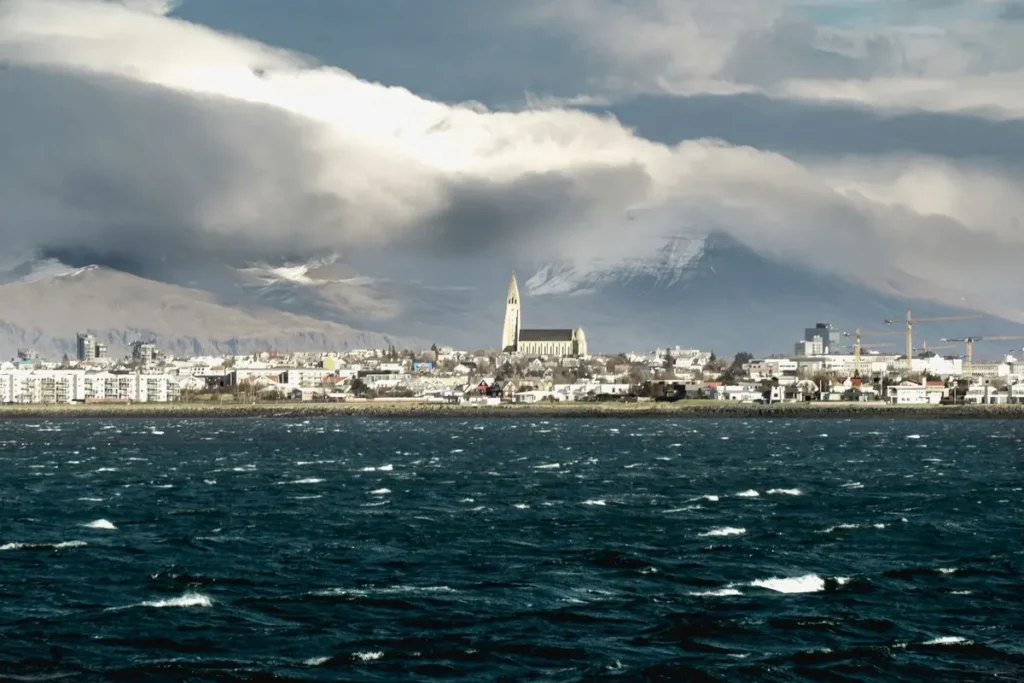

You’re about to hear a rumor that Reykjavik’s best sunrise view isn’t from the famous Hallgrímskirkja tower, but from a modest wooden dock on the edge of the old harbor, where the sky blushes pink over fishing boats. Most visitors never wander past the bustling Laugavegur street, yet a short walk north leads to a tiny courtyard where a lone saxophonist plays while locals sip strong coffee. In this article we’ll map out those quiet corners, give you a day‑by‑day plan, and share the practical details you need to travel with confidence. By the end, you’ll have a printable itinerary, a packing checklist, and a handful of local habits that make you feel like a Reykjavik resident rather than a tourist. (Remember to double‑check opening hours and transport schedules with official sources before you go.)
Why Reykjavik’s Best Spots Still Fly Under the Radar

Reykjavik’s compact size makes it easy to assume every interesting place is already crowded, but the city’s layout hides pockets that escape the usual guidebooks. The first reason is the city’s strong focus on preserving local life; neighborhoods like Breiðholt and Árbær were built for residents, not tourists, so they retain an authentic rhythm. Second, many of the most photogenic corners sit on private property or are accessed through narrow alleyways that aren’t marked on mainstream maps. When you ask a barista for a “quiet spot,” they’ll often point you toward a stairwell garden or a rooftop that only locals know about. Finally, Reykjavik’s weather can be unpredictable, causing some attractions to close temporarily and prompting locals to discover alternative indoor venues that never make it onto travel blogs. If you compare Reykjavik’s hidden gems to those in other capitals, you’ll notice a pattern: the best experiences happen when you step off the main road and let curiosity guide you. For example, the secret art studio in the suburb of Grafarvogur offers workshops that change weekly, and the tiny bakery on Hverfisgata serves a rye loaf that locals claim is the city’s best. These spots stay under the radar because they rely on word‑of‑mouth rather than online promotion. To tap into this network, consider joining a local Facebook group or checking community bulletin boards at the city library. By doing a little extra research, you’ll uncover experiences that feel tailor‑made for your adventure. For a similar off‑grid mindset, see how travelers plan a confident Banff itinerary for remote adventures: Plan a Confident Banff Itinerary for Off‑Grid Adventures.
The Hidden Gems: 5-8 Off-the-Beaten-Path Spots

- Sæbraut Dock Café – Tucked behind the harbor’s fish market, this tiny café offers a view of the sunrise over the sea and a menu of homemade skyr parfaits.
- Árbæjarsafn Mini Museum – A modest open‑air museum in a residential park where you can wander through reconstructed Icelandic homes from the 19th century.
- Klambratún Street Art Alley – A narrow lane in the Vesturbær district covered in ever‑changing murals, perfect for a quick photo session.
- Hlíðarendi Secret Garden – A community‑run garden behind a school, featuring native wildflowers and a small pond that locals use for quiet reflection.
- Laugardalslaug Night Swim – While the pool is popular by day, the late‑night swim under the northern lights is a local tradition that feels almost magical.
- Grandi Rooftop Bar – Accessible via a hidden stairwell, this bar offers panoramic city views without the usual crowds.
- Eldey Island Birdwatch Spot – A short ferry ride from the old harbor leads to a tiny island where puffins nest; the landing area is rarely visited by tour groups.
- Miðbærinn Vinyl Shop – A tiny record store in the heart of the city that plays Icelandic indie tracks on a loop, offering a glimpse into the local music scene. Each of these locations can be reached on foot or with a short bus ride, and most are free or low‑cost. For more ideas on summer bucket‑list experiences, check out the Machu Picchu Summer Bucket List: Machu Picchu Summer Bucket List: 7 Iconic Summer Experiences.
Local Neighborhoods Most Tourists Skip

Reykjavik’s charm lies in its neighborhoods, each with its own personality. Hlíðar feels like a quiet suburb with tree‑lined streets, a weekly farmers market, and a small library that hosts poetry readings. Klambratún is a residential area where you’ll find a community garden, a skate park, and a handful of independent cafés that serve coffee brewed with locally roasted beans. Álftanes, just across the bridge, offers stunning coastal cliffs and a historic lighthouse that locals use for sunrise yoga. Kópavogur, technically a separate town but well‑connected by bus, boasts an art museum and a series of hidden waterfalls in the surrounding hills. When you wander these districts, you’ll notice a slower pace: people greet you with a friendly “Halló,” and you’ll often see children playing soccer on improvised fields. The best way to explore is on foot or by renting a city bike, which you can pick up at several stations near the city center. Remember that some streets become private during winter snow clearing, so always check local signage. For a deeper dive into local food culture, see the Gimmelwald Food Guide: Gimmelwald Food Guide: 7 Local Dishes & Dining Spots.
How Locals Actually Spend Their Time Here

A typical Reykjavik resident starts the day with a strong cup of black coffee from a corner bakery, then heads to work or university. After work, many head to Kaffibarinn, a bar that doubles as a live‑music venue, where they unwind with craft beers and Icelandic rock. On weekends, families gather at Elliðaárdalur Valley for picnics, hiking, and birdwatching, while younger crowds flock to the Harpa Concert Hall for free rehearsals and cultural events. Evenings often involve a dip in one of the city’s many geothermal pools; locals treat the water as a social hub, chatting while soaking. The Reykjavik City Library hosts free language exchange nights, where visitors can practice Icelandic with native speakers. Many also take advantage of the city’s extensive bike‑share program to explore the coastline, stopping at pop‑up food stalls that sell pylsur (Icelandic hot dogs) and fresh fish tacos. If you want to see how other travelers plan low‑key trips, the Lisbon summer hotspots guide offers similar insights: Explore Lisbon’s Summer Hotspots Before the Crowds Arrive.
Best Time to Visit Before It’s Discovered

Most tourists flock to Reykjavik during the summer months of June to August, when daylight stretches past midnight. To experience the city’s quieter side, aim for late May or early September. In late May, the city awakens with blooming lupines, and the crowds are still thin. Early September offers crisp air, the first hint of autumn colors, and the chance to see the northern lights without the deep winter cold. During these shoulder seasons, you’ll find lower prices on accommodation, and many cafés have outdoor seating that isn’t yet crowded. The Reykjavik Arts Festival in early June provides free performances that locals attend, while the Icelandic Food Festival in early September showcases seasonal dishes you won’t see in the high‑tourist months. Keep in mind that weather can shift quickly; always pack layers and waterproof gear. For packing inspiration, see the Santorini Packing List & 5‑Day Itinerary: Santorini Packing List & 5-Day Itinerary: Save 20% on Trips.
Practical Tips for Going Off‑Grid

Traveling off the beaten path in Reykjavik requires a few logistical tweaks. Transport: The city’s bus system (Strætó) runs frequently, but routes to neighborhoods like Árbæjarsafn and Kópavogur may require a transfer. Purchase a Reykjavik City Card for unlimited rides and discounts at museums. For remote spots like Eldey Island, book a ferry in advance and confirm the schedule, as services can change with weather. Safety: Reykjavik is safe, but always let someone know your plans when heading to isolated coastal cliffs or hiking trails outside the city limits. Carry a basic first‑aid kit and a portable charger; mobile coverage can be spotty near the fjords. Language: Icelandic is the official language, yet most locals speak fluent English. Learning a few phrases, “Góðan daginn” (good day) and “Takk” (thanks), goes a long way. Money: Credit cards are accepted everywhere, but keep a small amount of Icelandic króna for tiny vendors or market stalls that prefer cash. Connectivity: Rent a local SIM card for reliable data; it costs about 2,500 ISK per week. Confirm Details: Always double‑check opening hours, ferry times, and bus schedules on the official Reykjavik tourism website before you set out. For a concise packing checklist, see the Aitutaki Vacation Checklist: Aitutaki Vacation Checklist: Pack Right & Save Money.
A Secret‑Spots Itinerary

Day 1 – Arrival & First Glimpse
- Morning: Check into a boutique guesthouse in Breiðholt. Grab a coffee at Kaffi Krús, a tiny café known for its cinnamon rolls.
- Midday: Walk to Sæbraut Dock Café for sunrise views and a light brunch of skyr with fresh berries.
- Afternoon: Explore the Klambratún Street Art Alley, snapping photos of the vibrant murals.
- Evening: Head to Grandi Rooftop Bar for sunset drinks and a panoramic city view. Day 2 – Local Neighborhoods & Culture
- Morning: Bike to Árbæjarsafn Mini Museum; spend an hour learning about historic Icelandic life.
- Lunch: Eat at Bæjarins Beztu Pylsur, trying the classic hot dog with crispy onions.
- Afternoon: Visit Hlíðarendi Secret Garden for a quiet walk, then stop by the Vinyl Shop in Miðbærinn for a taste of Icelandic indie music.
- Night: Join a free language exchange at the Reykjavik City Library. Day 3 – Coastal Escape
- Early Morning: Take the ferry to Eldey Island; bring a packed snack and binoculars for puffin spotting.
- Midday: Return to the city and have lunch at Fish Company, ordering the seasonal fish stew.
- Afternoon: Relax at Laugardalslaug Night Swim, soaking under the soft glow of the northern lights.
- Evening: Dinner at Matur og Drykkur, sampling traditional Icelandic lamb soup. Day 4 – Hidden Art & Nightlife
- Morning: Wander through Álftanes for a coastal walk and visit the lighthouse.
- Lunch: Picnic with local cheese and rye bread from the farmers market in Klambratún.
- Afternoon: Attend a live music session at Kaffibarinn, where locals gather after work.
- Night: End the trip with a night‑time stroll along the Harpa Concert Hall plaza, enjoying the illuminated glass façade. Day 5 – Departure
- Morning: Grab a final coffee at Reykjavik Roasters, reflect on the hidden spots you discovered, and head to the airport. Feel free to rearrange days based on weather and personal interests. Download the full itinerary as a PDF and add your own notes for a truly personalized adventure. (All timings are suggestions; verify transport schedules and venue hours before you travel.)
Free Reykjavik trip checklist
Get the printable itinerary outline and packing checklist for Reykjavik, sent straight to your inbox.
No spam. One email with your checklist.


