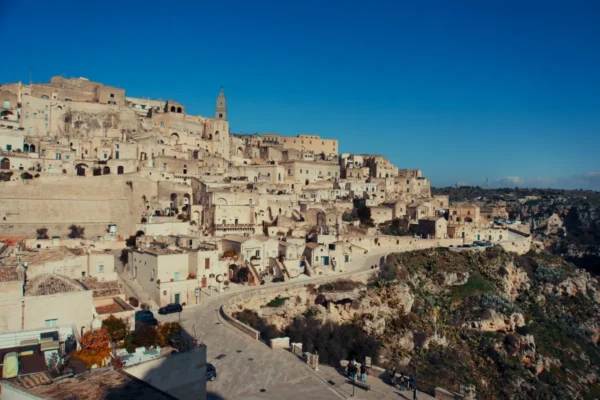
A salty breeze rolls off the Tagus as you step onto a hidden rooftop in Alfama, and the city’s pastel‑colored rooftops stretch out like a painted canvas. Most visitors never see this view because it’s tucked behind a modest laundry line, yet the sunrise paints the river gold in a moment that feels private. In the next few pages you’ll learn which neighborhoods, viewpoints, and local hangouts are about to become the next buzz, and how to claim them before the summer surge. From secret gardens to newly opened cultural hubs, this itinerary gives you the confidence to explore Lisbon on your own terms, with actionable tips, food stops, and a clear day‑by‑day plan that you can save and print. For a deeper dive into packing smart for any adventure, check out our Aitutaki Vacation Checklist: Pack Right & Save Money for proven strategies that work worldwide.
Why These Spots Won’t Stay Quiet Much Longer

Lisbon’s cultural renaissance is accelerating, fueled by a wave of boutique hotels, pop‑up art installations, and a renewed focus on sustainable tourism. Neighborhoods like Marvila and Penha de França have attracted a creative crowd that is turning abandoned warehouses into galleries, and local cafés into Instagram magnets. As social media amplifies these discoveries, the once‑quiet lanes are quickly filling with day‑trippers seeking authentic experiences. This shift means that a spot you love today could be bustling by next summer, and the window to enjoy it without crowds is narrowing. Another driver is the city’s investment in infrastructure. New tram extensions, bike‑share stations, and pedestrian‑only zones are making previously hard‑to‑reach areas more accessible. The recent reopening of the historic Convento do Carmo garden and the expansion of the LX Factory’s event calendar have turned them into must‑see attractions. When a place becomes easier to get to, visitor numbers rise sharply. By planning ahead and following this guide, you can lock in the best times to visit each spot, avoid peak hours, and still feel like you’re discovering Lisbon for the first time. For a taste of how other cities manage rapid tourism growth, read our Explore Amalfi Coast’s Secret Gems for a Confident Solo Trip.
The Spots to See Before the Crowds Arrive

- Jardim do Torel – Tucked on a hill above the city centre, this terraced garden offers panoramic views of the castle and river. Early morning visits reward you with quiet benches and a small café serving fresh pastel de nata.
- Casa da Cerca – Museum of Contemporary Art – Located in the historic Belém district, the museum’s sculpture garden is currently undergoing a free‑entry pilot. Wander among oversized installations while the city’s most famous monument, the Jerónimos Monastery, remains a backdrop.
- Mercado de Campo de Ourique – A local market that has recently added a rooftop food court. Sample grilled chouriço and freshly pressed orange juice before the lunchtime rush.
- Alfama’s Secret Staircase (Escadaria da Bica de Duarte) – This narrow stone staircase leads to a tiny viewpoint where you can hear the distant clatter of tram 28 without the usual tourist throng.
- Parque das Nações’ Oceanário Annex – A new underwater tunnel extension opens in early June, offering a quieter alternative to the main aquarium hall.
- Miradouro da Senhora do Monte (Late‑Evening Slot) – While the viewpoint is popular at sunset, visiting after 9 p.m. provides a starlit cityscape with far fewer people.
- LX Factory’s Sunday Market – The market’s craft stalls and food trucks are still under the radar; arrive before 11 a.m. for the best selection. For more hidden‑gem itineraries, see our Rome Hidden Gems Itinerary: Off‑Grid Solo Adventure.
What’s Changing in Lisbon Right Now

The city’s skyline is quietly evolving. A new eco‑hotel built from reclaimed shipping containers has opened in the historic Alcântara district, blending modern design with river views. Its rooftop bar is already drawing locals for sunset drinks, and the limited‑capacity policy means you’ll need to book early. Meanwhile, the historic tram 28 line is undergoing a digital upgrade, introducing a real‑time tracking app that helps you avoid the longest wait times at popular stops. Culinary trends are also shifting. A wave of “farm‑to‑table” restaurants is sprouting in the former industrial zones of Marvila, offering menus that change daily based on local harvests. One such spot, Cantinho da Rua, serves a seasonal cod dish that incorporates locally sourced kale and citrus. The government’s recent “Lisbon Green Initiative” encourages visitors to rent e‑bikes, and several new docking stations have appeared near the historic centre, making it easier to zip between attractions without contributing to traffic. Keep an eye on the city’s official tourism portal for updates on opening dates and reservation requirements, as details can change quickly.
Local Food You Must Try While You’re There

Lisbon’s culinary scene is a celebration of the sea, the earth, and centuries‑old recipes. Start with Bifana, a pork sandwich marinated in white wine, garlic, and paprika, served on a soft roll from a street stall in Mouraria. Next, seek out Sardinhas Assadas – grilled sardines seasoned simply with sea salt and lemon, traditionally eaten at a seaside terrace while the sun dips below the horizon. For a sweet finish, try Pastel de Nata from the original Pastéis de Belém bakery; the crisp, caramelized custard tart is a national icon. Don’t miss Açorda à Alentejana, a rustic bread soup enriched with poached eggs, cilantro, and olive oil – a comfort dish that locals enjoy on rainy afternoons. Feijoada à Transmontana, a hearty bean stew with pork ribs, is another staple that showcases Portugal’s regional diversity. To explore more authentic food experiences, refer to our Albarracin Food Guide: 7 Dishes & Markets to Try for a template on how to discover hidden market gems. Finally, sip a glass of Ginjinha, a sour cherry liqueur served in a tiny chocolate cup, and you’ll feel the city’s festive spirit in every sip.
Best Time to Visit Before Peak Season

The sweet spot for a crowd‑free Lisbon experience falls between late April and early June. During this window, the weather is warm enough for outdoor cafés, yet the city has not yet seen the July‑August influx of European holidaymakers. Average daytime temperatures hover around 20‑24 °C (68‑75 °F), and rainfall drops to under 30 mm per month, making it ideal for walking tours and river cruises. If you prefer a cooler climate, early September also offers a pleasant trade‑off: the summer heat recedes, the sea remains warm enough for a dip, and most festivals have concluded. Keep in mind that school holidays in Portugal begin in mid‑June, so booking accommodations after this date can become more competitive and pricey. Always double‑check opening hours for museums and attractions, as some may adjust schedules for local holidays. For a quick reference on seasonal weather patterns across Europe, our New York City Summer Bucket List: 8 Experiences You Can’t provides a useful comparison chart.
Practical Tips

Lisbon uses the Euro (EUR). ATMs are widely available, but it’s wise to carry a small amount of cash for markets and smaller cafés that may not accept cards. Credit cards are accepted in most restaurants, though some older establishments prefer cash. Transport is a breeze with the Viva Viagem card, which works on trams, buses, metro, and even the historic tram 28. Load the card with a minimum of €5 and tap to ride; remember to validate each journey. For short distances, e‑bikes and electric scooters are now docked throughout the city centre – just download the local app and follow traffic rules. Portuguese is the official language, but English is spoken in most tourist areas. Learning a few phrases like “Obrigado/Obrigada” (thank you) and “Por favor” (please) goes a long way toward friendly interactions. Safety-wise, Lisbon is generally safe, though pickpocketing can occur in crowded places like Rossio Square and on tram 28. Keep wallets in front pockets and use a theft‑proof bag. Packing essentials for a summer visit include lightweight breathable shirts, a light jacket for evenings, comfortable walking shoes with good grip, and a reusable water bottle – the city’s tap water is safe to drink. If you plan to hike the coastal cliffs of Cabo da Roca, bring a wind‑breaker and sunscreen with at least SPF 30. For a comprehensive packing checklist, see our Aitutaki Vacation Checklist: Pack Right & Save Money – many items apply universally. Lastly, download the official “Visit Lisboa” app for real‑time transit alerts, museum tickets, and local event listings. Having this on hand will save you time and keep you informed about any sudden changes.
A Beat‑the‑Crowds Itinerary

Day 1 – Arrival & Alfama Exploration
Morning: Check into a boutique guesthouse in Alfama. Grab a quick bite of bifana from a nearby stall. Mid‑morning walk up to the Secret Staircase (Escadaria da Bica de Duarte) for a quiet viewpoint. Lunch at a family‑run tasca serving grilled sardines. Afternoon: Visit Casa da Cerca’s sculpture garden before the official opening crowds. Evening: Sunset at Miradouro da Senhora do Monte (after 9 p.m.) followed by dinner at a rooftop bar in Marvila. Day 2 – Belém & Riverside
Morning: Early tram 15 to Belém. Skip the line at Jerónimos Monastery by arriving at opening time, then stroll through the garden of Casa dos Bicos. Lunch at Mercado de Campo de Ourique’s rooftop food court. Afternoon: Explore the new Oceanário annex and walk along the Tagus promenade. Evening: Sample ginjinha at a historic bar in Cais do Sodré. Day 3 – Creative Districts
Morning: Bike ride to LX Factory, browse the Sunday market (arrive before 11 a.m.). Grab a coffee at a pop‑up café. Lunch at Cantinho da Rua for a seasonal cod dish. Afternoon: Head to Marvila’s eco‑hotel rooftop for a drink and city view. Evening: Attend a live fado performance at a low‑key venue in Graça. Day 4 – Coastal Escape
Morning: Train to Cascais, then a short bus ride to Cabo da Roca. Hike the cliffs, enjoy the lighthouse, and take photos of the Atlantic horizon. Picnic lunch with local cheese and bread from a Cascais market. Afternoon: Return to Lisbon, stop at the hidden garden Jardim do Torel for a quiet tea. Evening: Dinner at a seafood restaurant in the historic district of Baixa. Day 5 – Final Day & Souvenirs
Morning: Visit the Feira da Ladra flea market early to snag vintage ceramics. Brunch at a pastelaria near Rossio. Spend the afternoon revisiting any favorite spots or shopping for azulejos. Late afternoon: Take a sunset river cruise on the Tagus before heading to the airport. For a similar multi‑day food‑focused plan, see our Plan a Savvy Sossusvlei Food Trip in 5 Days. This itinerary balances must‑see sights with off‑beat experiences, giving you a confident, crowd‑free Lisbon adventure.
More guides you may like: Budapest Travel Guide
Free Lisbon trip checklist
Get the printable itinerary outline and packing checklist for Lisbon, sent straight to your inbox.
No spam. One email with your checklist.