Things to Do in Matera Italy: Quick Answer

The best things to do in Matera Italy this fall are exploring the Sassi cave dwellings, hiking the Murgia plateau, and eating local pasta at family-run trattorias. You need at least two full days to see the main sites without rushing. Fall offers mild weather, fewer crowds, and golden light for photography. This guide covers seven specific experiences, a 3-day itinerary, and practical tips for staying and eating. You will learn which viewpoints are best for sunset and where to find authentic food away from the main square. The Sassi are a UNESCO World Heritage site, so you can explore them freely, but some cave houses require tickets. Check current prices on the official site before you go. This is a practical guide for independent travelers who want to see the real Matera, not just the postcard view.
7 Top Things to Do in Matera Italy This Fall

These seven experiences cover the highlights of Matera, from ancient caves to modern views. Each one includes a practical detail to help you plan your time.
1Explore the Sasso Caveoso

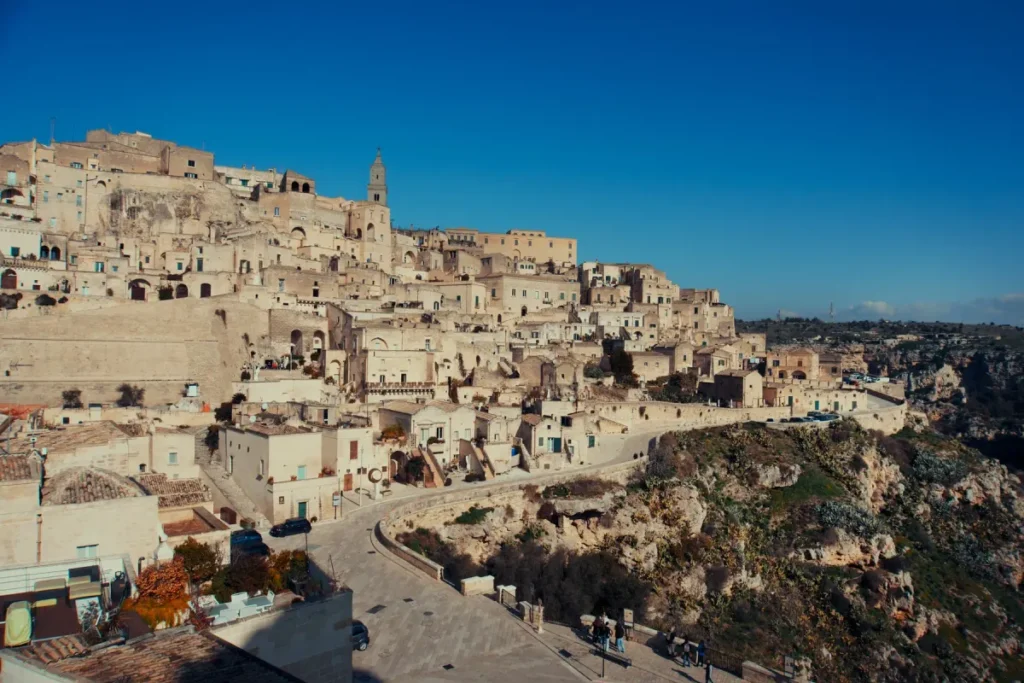
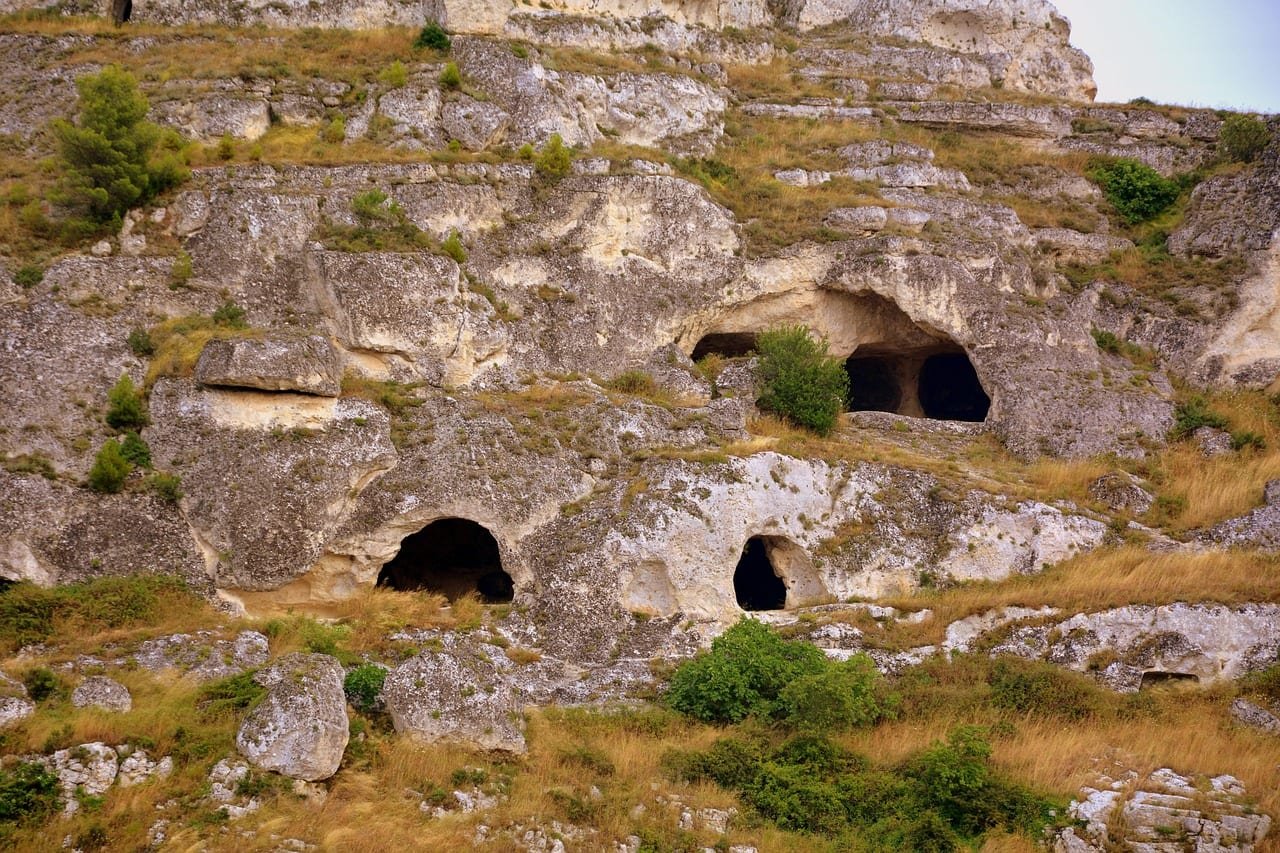
The Sasso Caveoso is the older of the two Sassi districts. It is a maze of cave dwellings carved into the tuff rock. You can walk freely through the streets, but you need a ticket to enter specific cave houses like Casa Grotta. The light here is soft in the afternoon, which is perfect for photos. Allow about two hours to wander and visit one or two cave houses. The streets are narrow and steep, so wear comfortable shoes. This area feels like a living museum, with locals still living in some of the caves.
2Climb the Duomo Tower

The Cathedral of Matera, or Duomo, sits on a hill overlooking the Sasso Barisano. You can climb the bell tower for a 360-degree view of the city and the Murgia plateau. The climb is steep, with about 200 steps. The view is worth it, especially at sunset when the rock turns orange. The ticket is a small fee, and the tower is open during the day. Check the opening hours before you go, as they can change. This is one of the best spots to see the scale of the Sassi from above.
3Visit the Palombaro Lungo

The Palombaro Lungo is an ancient cistern that collected rainwater for the Sassi. It is one of the largest in the region and is now a museum. You can walk inside the stone structure and see how the water system worked. The space is cool and quiet, a welcome break from the sun. The visit takes about 30 to 45 minutes. There is a small entry fee, and the cistern is open to the public. This is a hidden gem that many tourists miss, but it gives you a real insight into how people lived here for centuries.
4Hike the Murgia Materana Park

The Murgia Materana Park is a natural park that surrounds Matera. It features wildflowers, gorges, and panoramic views. The best trail is the one that leads to the Belvedere of Madonna delle Vigne. The hike is moderate, with some steep sections, and takes about two hours round trip. You need sturdy shoes, as the path is rocky. The view from the top is one of the most iconic in Italy, showing the Sassi below and the Murgia above. Go early in the morning to avoid the heat and crowds.
5Eat at a Local Trattoria

Matera is known for its pasta, especially pasta alla materana, which is made with local ingredients. Look for restaurants in the Sasso Barisano or the city center that serve traditional dishes. Prices are reasonable, with a main course costing about 10-15 euros. Try the polpette, or meatballs, which are a local specialty. Ask your server for a recommendation, as menus can be small. This is not a place for fast food; it is about slow, flavorful meals. Book a table if you go in the evening, as popular spots fill up quickly.
6See the San Giovanni Battista Church

This church is located in the Sasso Caveoso and is known for its frescoes. The interior is small but beautiful, with detailed paintings that tell biblical stories. The church is free to enter, and it is open during the day. It is a quiet spot to reflect, away from the main tourist paths. The architecture is simple, but the art is impressive. This is a good stop if you are interested in religious history or just want a break from the noise. It is close to the main square, so it is easy to fit into your day.
7Watch the Sunset from the Belvedere

The Belvedere of Madonna delle Vigne is the best spot to watch the sunset in Matera. The view looks out over the Sasso Caveoso and the Murgia plateau. The light changes quickly in the fall, so arrive about 30 minutes before sunset to find a good spot. There is a small cafe at the top where you can buy a drink. The view is stunning, and it is one of the most photographed spots in the city. Bring a jacket, as the wind can be cool in the evening. This is the perfect end to a day of exploring.
Best Photo Spots & Scenic Views

Matera is a photographer’s dream, with its golden rock and dramatic light. Here are three spots that are worth the trip.
The first is the Belvedere of Madonna delle Vigne, which offers the best overall view of the Sassi. The light hits the caves directly at sunset, creating a warm, golden glow. This is the spot for your hero shot. The second is the Duomo tower, which gives you a high-angle view of the city and the surrounding Murgia. This is good for wide shots that show the scale of the landscape. The third is the narrow streets of the Sasso Caveoso, where the light and shadow play on the cave walls. This is best for close-up shots that capture the texture of the rock and the details of the architecture. All three spots are free to visit, except for the Duomo tower, which has a small fee. Bring a tripod if you want to take long-exposure shots at sunset, as the light can be low. The fall light is softer than in summer, which makes it easier to get good exposure without overexposing the highlights. These spots are the ones that appear on postcards, but they are worth seeing in person.
For more background on the area, see Matera on Wikipedia.
Where to Stay: Matera Accommodation Guide
Where you stay in Matera depends on your budget and what you want to experience. The Sassi are the most iconic area, but they are also the most expensive. Staying in a cave hotel in the Sasso Barisano gives you a unique experience, with rooms carved into the rock. Prices start at about 100 euros per night, but they can go much higher in peak season. If you want a more affordable option, stay in the city center, which is a short walk from the Sassi. There are many guesthouses and B&Bs here that offer clean, comfortable rooms at lower prices. The city center is also quieter at night, which is good if you want to sleep well. If you are on a tight budget, look for hostels or budget hotels on the edge of the city. These are further from the main sights, but they are still within walking distance. Check reviews before you book, as the quality of accommodation can vary. The Sassi are a UNESCO World Heritage site, so you can expect to pay a premium for staying there, but it is worth it if you want the full experience. For more options in the region, see our Things to Do in Tuscany Italy: 7 Fall Bucket List guide, which covers similar historic towns.
Best Time to Visit & How Many Days to Plan
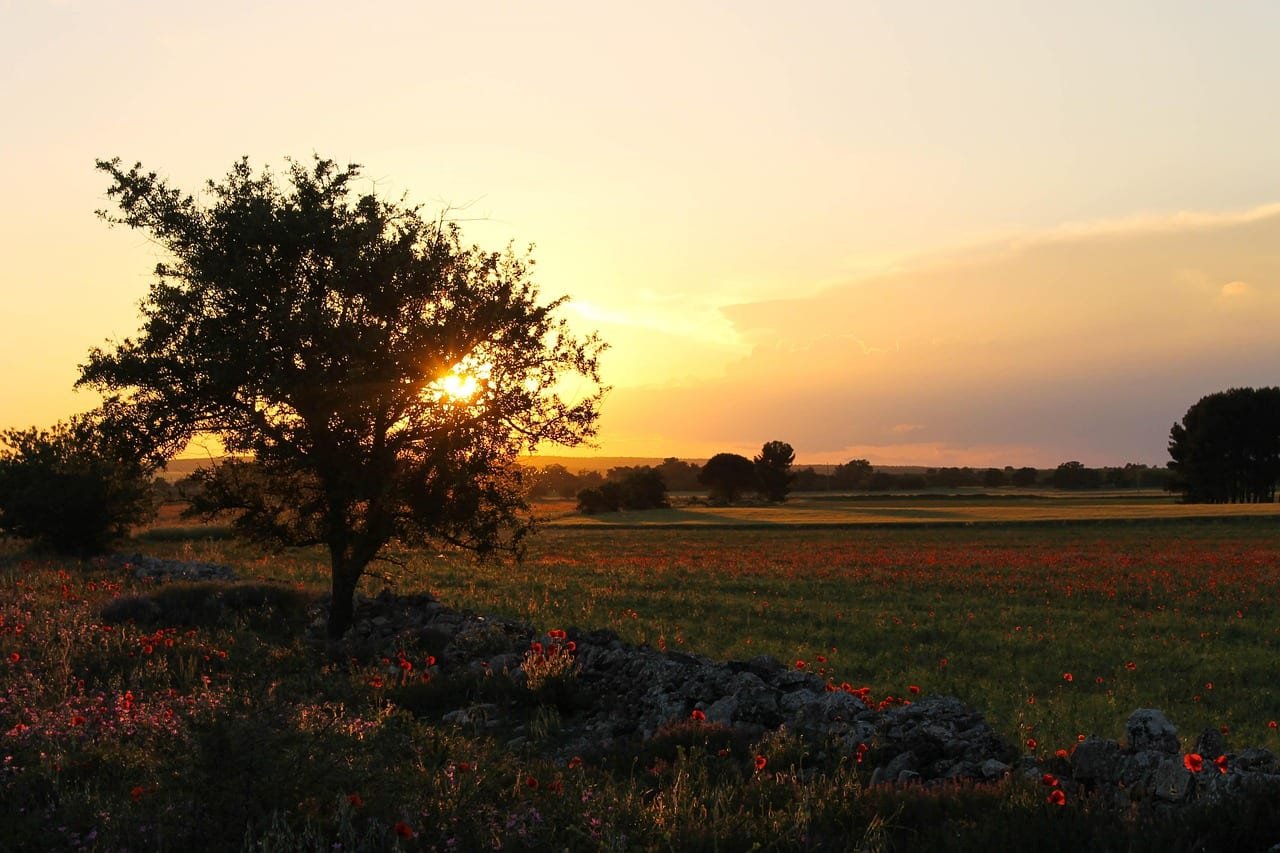
The best time to visit Matera is in the fall, from October to November. The weather is mild, with temperatures in the 15-20 degree Celsius range. The crowds are smaller than in summer, and the light is perfect for photography. Spring is also a good time, but the fall has a more dramatic landscape, with the wildflowers starting to bloom. Summer is hot and crowded, so it is not ideal for most travelers. Winter is quiet, but some sites may be closed, and the weather can be cold and wet. You need at least two full days to see the main sights in Matera. If you want to hike the Murgia and explore the caves, plan for three days. A longer stay allows you to relax and enjoy the food and culture without rushing. The fall season is the sweet spot for weather, crowds, and price. Here is a quick comparison of the seasons:
| Season | Weather | Crowds | Price Level |
|---|---|---|---|
| Spring | Mild | Moderate | Medium |
| Summer | Hot | High | High |
| Fall | Mild | Low | Medium |
| Winter | Cold | Low | Low |
This table gives you a quick overview, but you should check the official tourism site for current conditions. The fall is the best time for most travelers, as it balances good weather with lower prices and fewer crowds.
Getting There & Getting Around

Matera is located in the Basilicata region of southern Italy. The nearest major airport is Bari, which is about 130 kilometers away. You can take a bus or train from Bari to Matera, which takes about two hours. There is also a smaller airport in Matera, but it has limited flights. Once you are in Matera, the best way to get around is on foot. The Sassi are a walkable area, and the streets are narrow, so cars are not allowed in the main districts. You can take a taxi or a local bus to the Murgia plateau, which is outside the city center. The bus system is simple, with routes that connect the main areas. Taxis are available, but they are not as common as in larger cities. If you are staying in the city center, you can walk to most of the main sights. The Sassi are a UNESCO site, so there are restrictions on vehicle access, which helps keep the area quiet and clean. For those planning a broader trip, consider our Sicily Itinerary: 7 Fall Bucket List Experiences for ideas on how to combine Matera with other Italian destinations. The local transit is reliable, but it is not frequent, so plan your times carefully if you are using the bus.
3-Day Matera Itinerary

This itinerary covers the main sights of Matera in three days. It is designed for independent travelers who want to see the highlights without rushing.
Day 1: The Sasso Barisano and the Duomo

Start your day at the Duomo, and climb the tower for a view of the city. Then, walk through the Sasso Barisano, which is the older of the two Sassi districts. Visit the San Giovanni Battista Church and the Palazzo Lanfranchi. In the afternoon, take a guided tour of a cave house, like Casa Grotta, to see how people lived here. End your day at a local trattoria for dinner, trying the pasta alla materana and polpette. This day is focused on the history and culture of the Sassi, and it gives you a good overview of the city. The streets are steep, so wear comfortable shoes, and take your time to enjoy the views.
Day 2: The Sasso Caveoso and the Murgia

Start your day in the Sasso Caveoso, which is the newer of the two Sassi districts. Visit the Palombaro Lungo, the ancient cistern, and explore the narrow streets. In the afternoon, take a bus or a taxi to the Murgia Materana Park. Hike the trail to the Belvedere of Madonna delle Vigne, and enjoy the view of the Sassi below. This is the most physically active day, so bring water and snacks. End your day back in the city, watching the sunset from the Belvedere. This day combines the underground history of the Sassi with the natural beauty of the Murgia. The contrast is striking, and it gives you a full picture of the region.
Day 3: Local Food and Markets

Start your day with a slow breakfast at a local cafe, trying the focaccia and fresh fruit. Then, visit the local market, where you can buy fresh produce and local products. Take a cooking class, if you are interested, to learn how to make pasta alla materana. In the afternoon, visit the other sites in the Sassi that you missed on Day 1. This is a more relaxed day, focused on food and culture. End your day with a farewell dinner at a restaurant in the city center. This day is about soaking in the local culture and enjoying the food. It is a good way to end your trip on a high note.
Matera Travel FAQ

Here are answers to the most common questions about visiting Matera.
How many days do you need in Matera?
You need at least two full days to see the main sights in Matera. If you want to hike the Murgia and explore the caves, plan for three days. A longer stay allows you to relax and enjoy the food and culture without rushing. The fall season is the best time for most travelers, as it balances good weather with lower prices and fewer crowds. Check the official site for current opening hours and ticket prices.
Is Matera Italy worth visiting?
Yes, Matera is worth visiting for its unique cave dwellings and stunning views. The Sassi are a UNESCO World Heritage site, and they offer a glimpse into a different way of life. The food is excellent, and the people are friendly. The city is small, so you can see the main sights in a short time. It is a good stop if you are traveling in southern Italy. For more ideas, see our Things to Do in Puglia: 7 Fall Bucket List Experiences guide, which covers similar historic regions. The experience is unique and memorable.
What is Matera known for?
Matera is known for its Sassi, which are cave dwellings carved into the tuff rock. It is also known for its food, especially pasta alla materana, and its stunning views of the Murgia plateau. The city is a UNESCO World Heritage site, and it is one of the oldest continuously inhabited cities in the world. It is a popular destination for tourists who want to see something different in Italy. The combination of history, nature, and culture makes it a must-visit.
Free Matera trip checklist
Get the printable itinerary outline and packing checklist for Matera, sent straight to your inbox.
No spam. One email with your checklist.