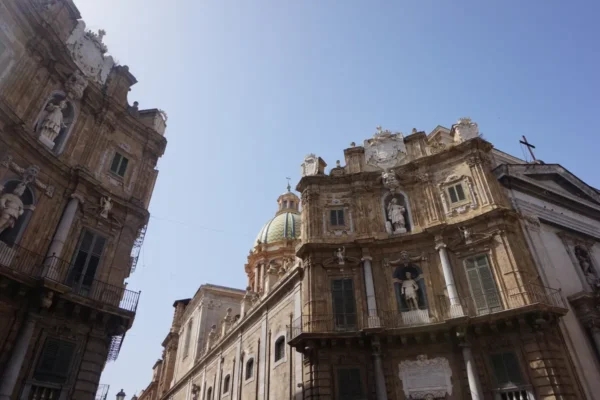
Brussels Things to Do: Quick Answer for Fall Travelers

The best Brussels things to do in fall center on the Grand Place, the Sablon district, and the Atomium. You need three days to see the core sights comfortably. Fall offers mild weather (10-15°C) and fewer crowds than summer, making it ideal for walking tours. This guide provides a 3-day itinerary, specific food recommendations, and practical tips for getting around. We focus on high-value experiences that define the city, from historic squares to modern architecture.
7 Essential Brussels Things to Do in Fall

1Walk the Grand Place at Dusk

The Grand Place is the heart of Brussels, and it looks best when the lights turn on around 6:30 PM. The ornate guildhalls surrounding the square are illuminated, creating a dramatic contrast with the darkening sky. You do not need a ticket to enter; it is free to walk around. Spend at least 30 minutes here to appreciate the detail. Avoid midday if you want photos without crowds.
2Taste Waffles at a Local Stall

Forget the tourist traps near the main square. Head to the Marché aux Herbes (Herb Market) or the Sablon district for authentic Brussels waffles. Look for a stall with a long line of locals. A classic Liège waffle costs about €3-€4. Pair it with a hot chocolate, which is a local staple in fall. The texture is denser and chewier than the sugar-dusted European waffles you might know.
3Explore the Sablon District

The Sablon is a historic quarter filled with boutique shops, galleries, and cafés. It is perfect for a slow afternoon walk. The streets are cobbled and quiet, especially in fall when the foliage changes color. Visit the Church of Our Lady of Sablon, which has beautiful stained glass. Allow 1-2 hours to wander and shop. It is a great place to pick up local chocolates or silverware.
4See the Atomium and Mini-Europe
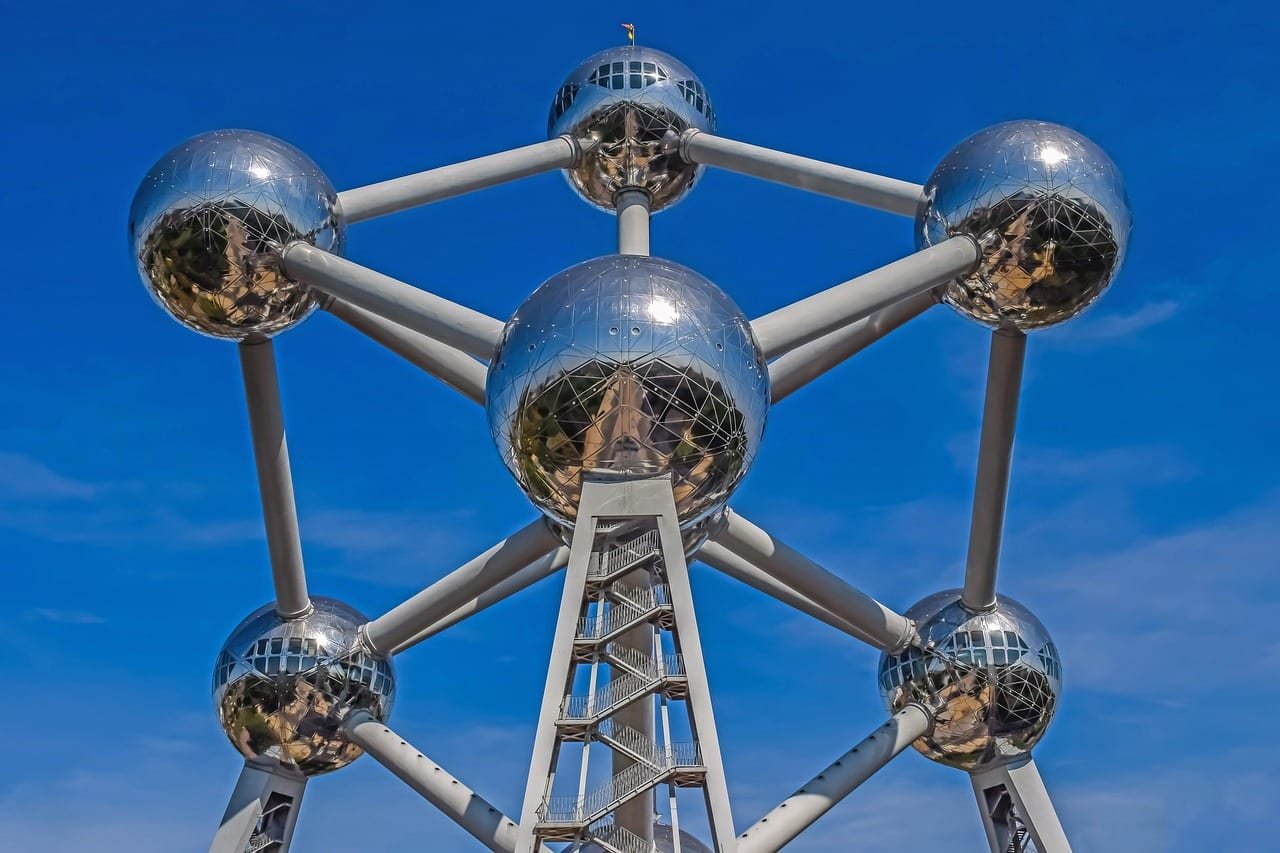
The Atomium is a unique structure built for the 1958 World Expo. It represents an iron crystal magnified 165 billion times. You can take an elevator to the top for a panoramic view of the city. Mini-Europe, located next to it, offers scale models of European landmarks. The combined ticket costs about €15-€20. Go late in the day to see the structure lit up. It is a 15-minute metro ride from the center.
5Visit the Royal Museums of Fine Arts

These museums house one of the world's largest collections of Flemish and Dutch art. You can see works by Rubens, Van Dyck, and Bruegel. The Museum of Modern Art is also part of the complex. Tickets cost around €15 for a combined entry. Go on a weekday morning to avoid crowds. The galleries are spacious and well-lit, making it easy to spend 2-3 hours here.
6Wander the Canal District

The Brussels Canal offers a different side of the city. It is lined with restaurants, bars, and art galleries. In fall, the trees along the water reflect the changing colors. Walk from the Place du Sablon to the Place des Barricades. It is a 15-minute walk. You can rent a bike to explore the canal paths, which are flat and easy to ride. This area is quieter than the center and great for an evening stroll.
7Eat Frites at a Friterie
Frites are a national dish in Belgium, and Brussels has some of the best friteries in the world. Look for a place with a deep fryer visible in the window. The frites are double-fried for crispiness. Dips are essential; try mayonnaise, samoa, or andalouse. A portion costs about €5-€7. Go to a local spot like Friterie du Sablon or La Maison du Frit. Do not skip this; it is a core part of the Brussels experience.
Best Photo Spots & Scenic Views
1The Galleries Royale Saint-Hubert
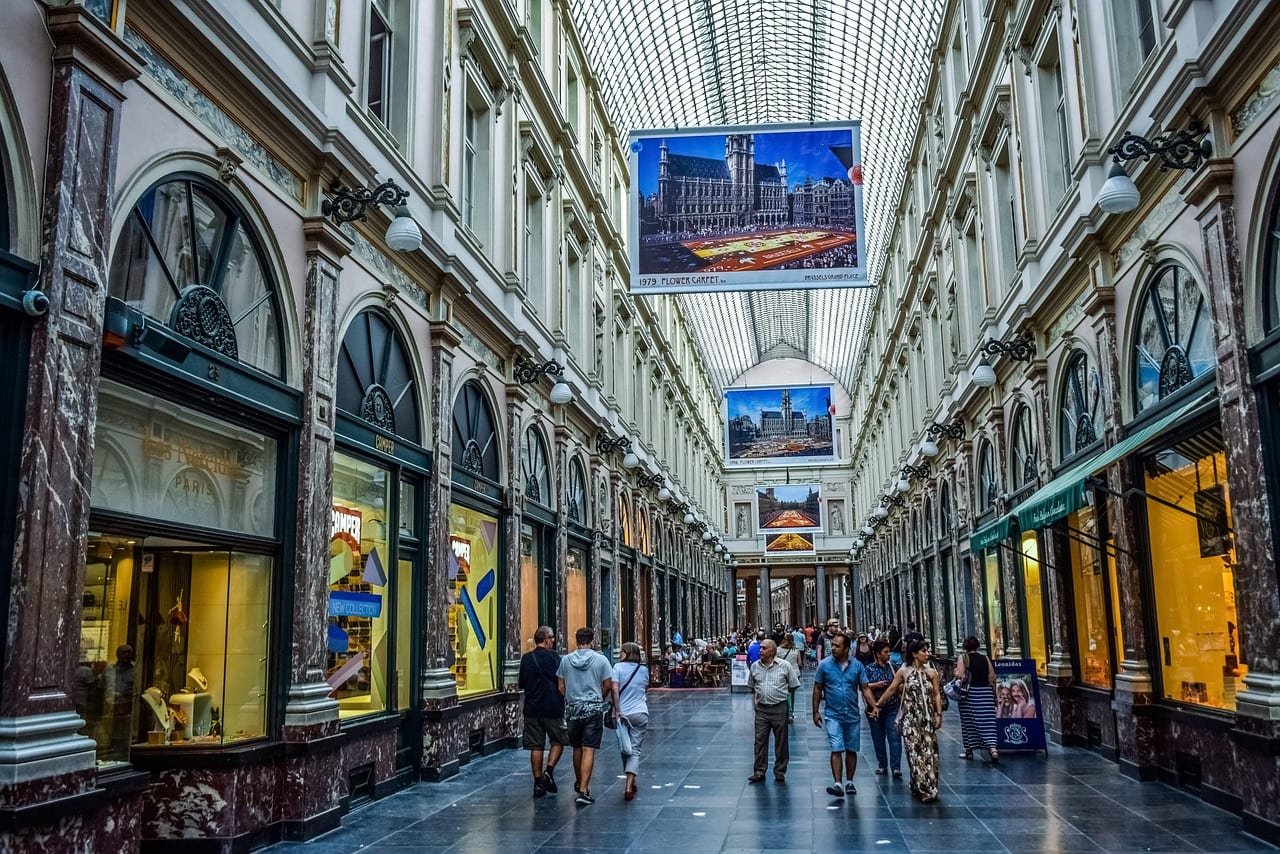
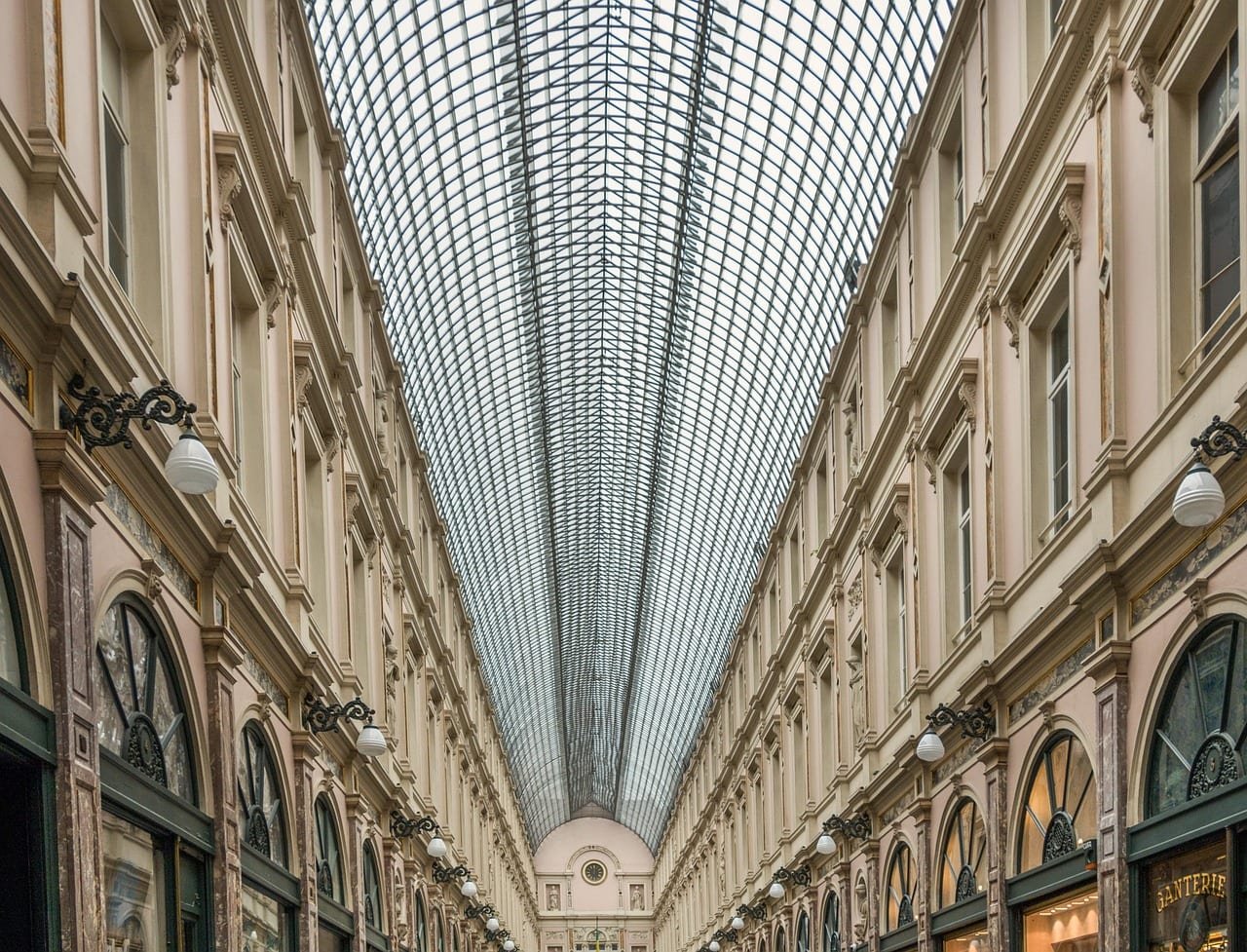
This covered shopping arcade is a photographer's dream. The glass roof lets in natural light, and the arches create perfect leading lines. Take photos looking down the length of the arcade for a symmetrical shot. The shops inside sell luxury goods, but the architecture is the main attraction. It is free to enter and open daily. Go early in the morning for fewer people. The light is soft and consistent, making it easy to get clean shots.
2The Manneken Pis Fountain
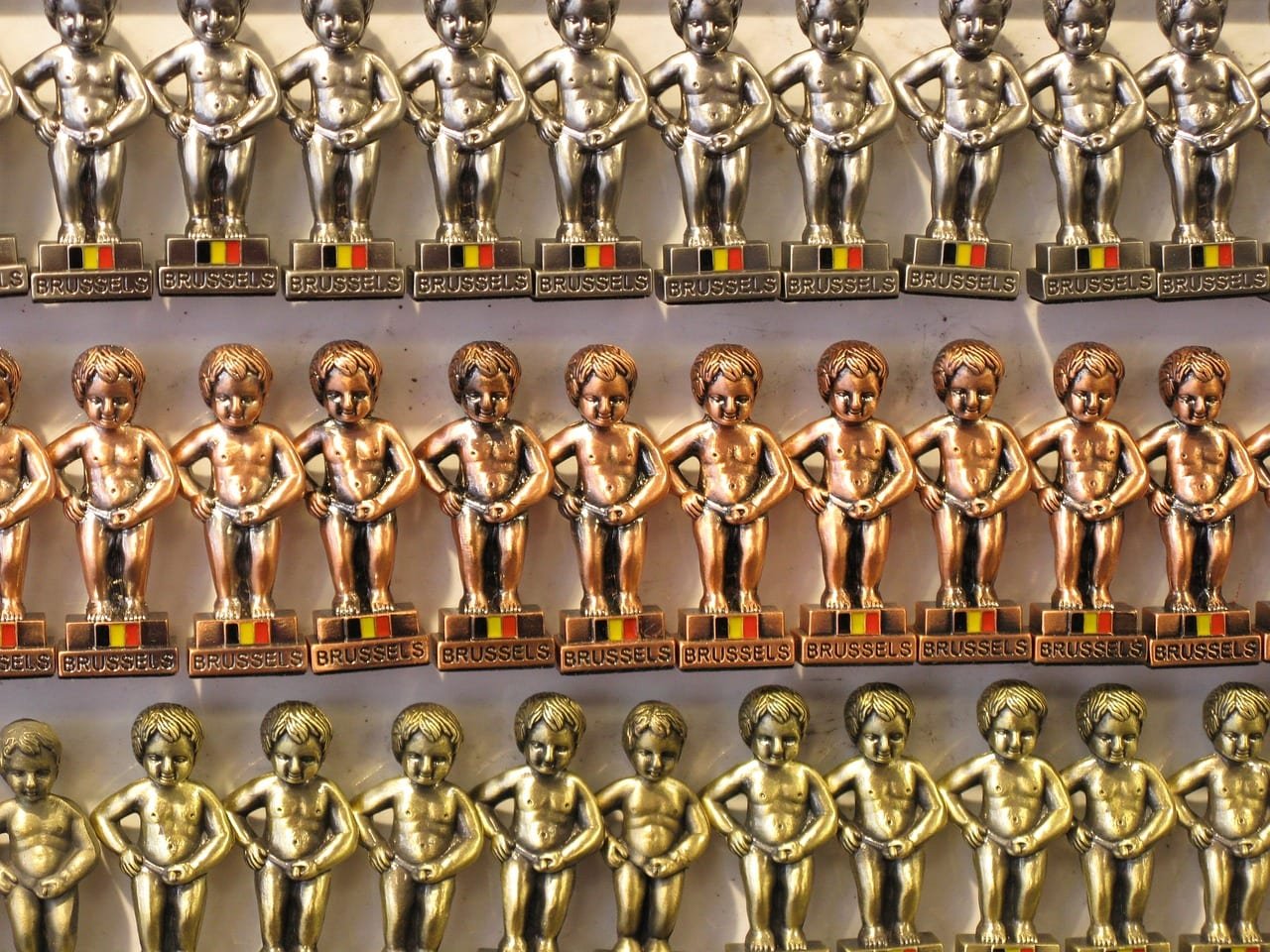
This small statue of a boy urinating is one of the most photographed spots in Brussels. It is located on Rue de l'Etuve, a narrow street. The statue is only 55 cm tall, so you need to get close for a good photo. There are often queues, so be patient. The surrounding street is busy, so watch your footing. You can see the statue from the top of the nearby tower for a different angle. It is free to view, but the area can be crowded.
3The View from the Atomium
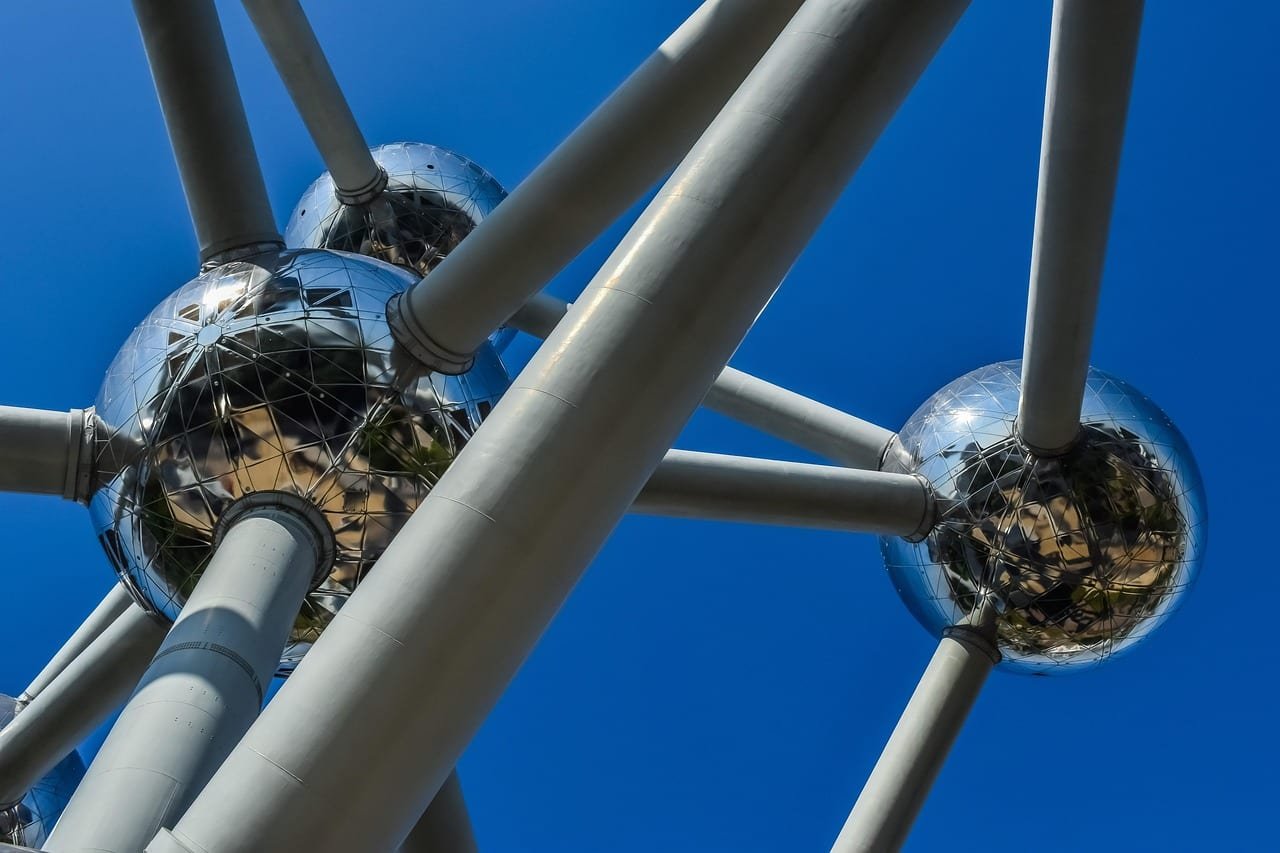
The top of the Atomium offers a 360-degree view of Brussels. You can see the city center, the canal, and the surrounding suburbs. The best time for photos is during the golden hour, when the light is warm and the shadows are long. The view is clear on a sunny day, but on a cloudy day, you can still see the layout of the city. It is a unique perspective that you cannot get anywhere else in Brussels. The elevator ride is short, so the wait is not too long. This spot is essential for anyone who loves architecture and city views.
Where to Stay in Brussels

1The Center (Grand Place and surroundings)

Staying in the center puts you within walking distance of the main attractions. It is the most convenient option for first-time visitors. Hotels here range from budget to luxury. Expect to pay €100-€200 per night for a mid-range hotel. The area is lively, with many restaurants and bars. It can be noisy at night, so choose a hotel on a quieter street. The Grand Place is a 5-minute walk from most central hotels. This area is best if you want to maximize your sightseeing time.
2The Sablon District

The Sablon is a quieter, more upscale neighborhood. It is perfect for travelers who prefer a relaxed atmosphere. Hotels here are often boutique properties with a local feel. Prices are similar to the center, around €120-€250 per night. The district is known for its art galleries and high-end shops. It is a 10-minute walk to the Grand Place. The streets are clean and well-maintained. This area is ideal for couples or solo travelers who want a peaceful stay.
3Saint-Gilles
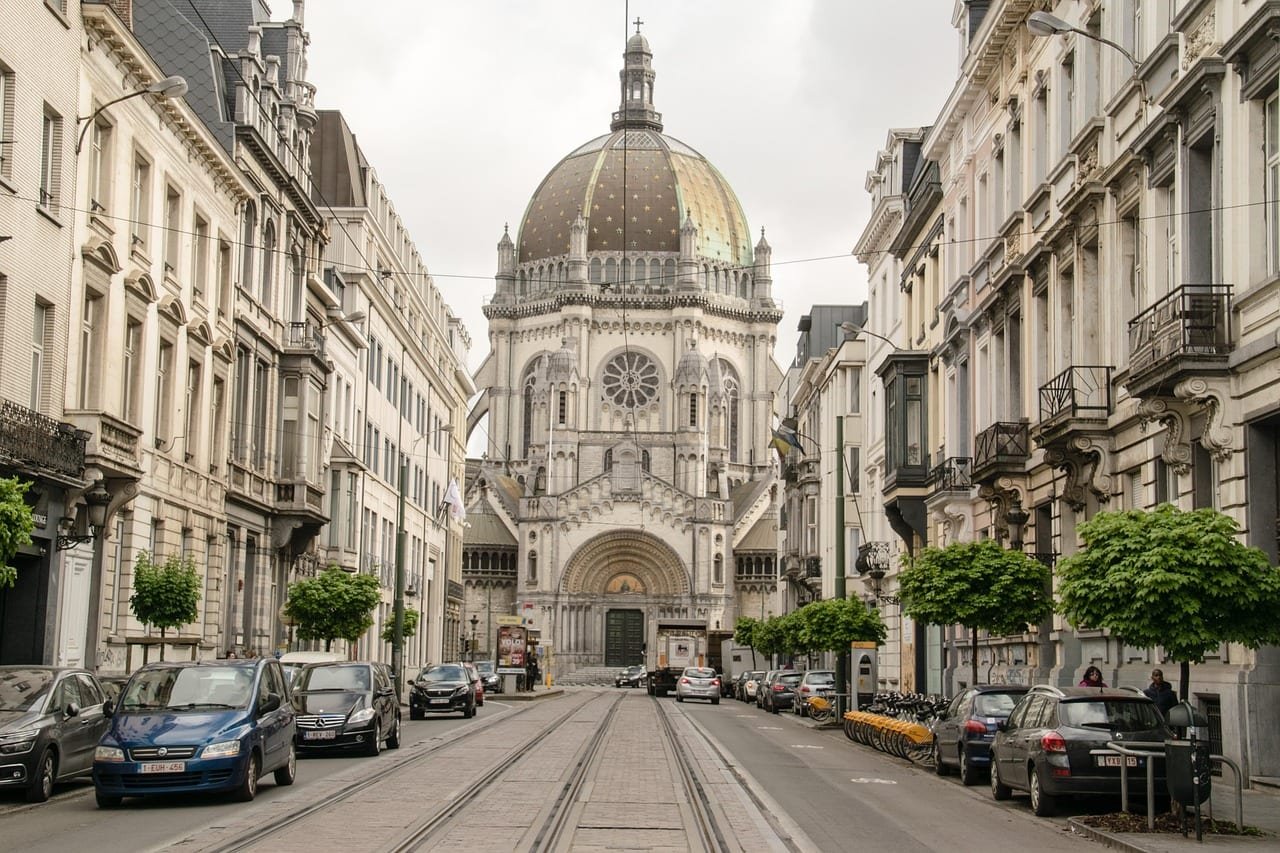
Saint-Gilles is a residential area with a more local vibe. It is a bit further from the center, but it offers a different experience. Hotels here are often smaller and more affordable, ranging from €80-€150 per night. The neighborhood has good restaurants and cafés. It is a 15-minute walk or a short tram ride to the center. The area is green and quiet, with parks and gardens. This option is best for budget travelers or those who want to see the local side of Brussels.
4Ixelles

Ixelles is a trendy district with a vibrant nightlife. It is popular with young travelers and digital nomads. Hotels and hostels here are modern and stylish, costing €90-€180 per night. The area has many bars, clubs, and restaurants. It is a 20-minute walk or a short metro ride to the center. The neighborhood is lively and full of energy. This area is ideal for solo travelers or those who want to experience the nightlife.
Best Time to Visit & How Many Days

Best Time to Visit

Fall (October to November) is one of the best times to visit Brussels. The weather is mild, with temperatures ranging from 10°C to 15°C. The crowds are smaller than in summer, so you can enjoy the sights without long queues. The light is softer, making it perfect for photography. However, it can be rainy, so bring a waterproof jacket. Spring (April to May) is also a good time, with blooming flowers and mild weather. Summer (June to August) is warm but crowded, and prices are higher. Winter (December to February) is cold and dark, but the city has festive lights and markets.
| Season | Weather | Crowds | Price Level |
|---|---|---|---|
| Fall | Mild | Low | Moderate |
| Spring | Mild | Medium | Moderate |
| Summer | Warm | High | High |
| Winter | Cold | Low | Low |
How Many Days to Plan

Three days is the ideal length for a Brussels trip. It allows you to see the main attractions, explore the neighborhoods, and enjoy the food. You can fit the Grand Place, the Atomium, and the museums into this timeframe. If you have only two days, focus on the center and skip the Atomium. If you have four or more days, you can add day trips to Bruges or Ghent. These cities are within a 1-hour train ride and offer a different experience. Four days gives you time to relax and explore at your own pace. Do not rush; Brussels is a city to be enjoyed slowly.
Getting There & Getting Around

Getting to Brussels

Brussels is well-connected by air, rail, and road. Brussels Airport (BRU) is the main international airport. It is 12 km from the city center. You can take the train from the airport to the central station, which takes about 20 minutes. The train costs about €7-€10. You can also take a taxi, which costs about €30-€40 and takes 25-30 minutes. If you are coming from another European city, the train is often the best option. Brussels is a major rail hub, with direct connections to Paris, Amsterdam, and Cologne. The train from Paris takes about 1.5 hours. It is a fast and convenient way to travel. Check the Brussels official tourism site for the latest transport information.
Getting Around
The city center is compact and walkable. You can see most of the main attractions on foot. The streets are cobbled, so wear comfortable shoes. For longer distances, the metro is the best option. It is fast, affordable, and easy to use. A single ticket costs about €2.50. You can buy tickets at the metro stations or online. The bus network also covers the city, but it can be slower due to traffic. Taxis are available but can be expensive. Rideshare apps like Uber also operate in Brussels. For a different experience, you can rent a bike. The city has bike lanes and rental stations. It is a fun way to explore the canal district and parks. Always check the Belgian travel advisory for safety tips.
A 3-Day Brussels Itinerary

Day 1: The Historic Center
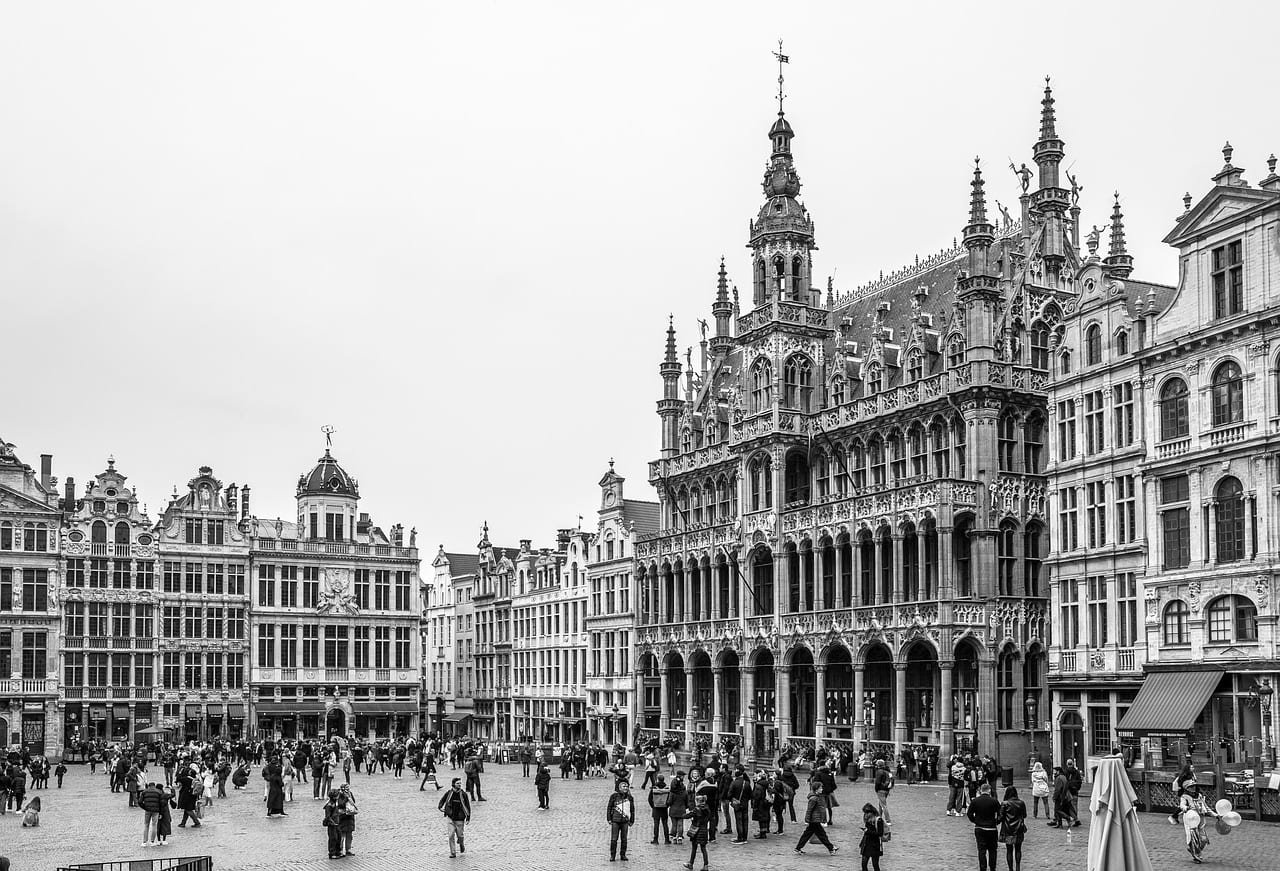
Start your day at the Grand Place. Walk around the square and take photos of the guildhalls. Then, head to the Manneken Pis fountain. It is a short walk from the Grand Place. After that, explore the Sablon district. Visit the Church of Our Lady of Sablon and browse the boutiques. In the afternoon, go to the Royal Museums of Fine Arts. Spend 2-3 hours here, looking at the Flemish masters. In the evening, walk along the canal and have dinner at a local restaurant. Try frites and a Belgian beer. End the day with a nightcap at a cozy bar.
Day 2: Modern Architecture and Culture

Start your day at the Atomium. Take the elevator to the top and enjoy the view. Then, visit Mini-Europe next door. It is a fun way to see European landmarks in miniature. In the afternoon, head to the Ixelles district. Explore the trendy streets and visit the local cafés. You can also visit the Ixelles Cemetery, which is a beautiful and peaceful place. It has the tomb of King Leopold II and other notable figures. In the evening, go to a jazz club or a live music venue. Brussels has a vibrant music scene. Enjoy a local beer and some live music.
Day 3: Local Life and Day Trip

Start your day with a breakfast at a local bakery. Try a croissant and some fresh fruit. Then, head to the Marché aux Herbes (Herb Market). It is a great place to see the local life. Browse the stalls and buy some fresh produce. In the afternoon, take a train to Bruges. It is a 1-hour ride and a beautiful city. You can spend 3-4 hours here, walking the canals and visiting the belfry. Return to Brussels in the evening. Have a farewell dinner at a restaurant in the center. Try a local dish like waterzooi or carbonade flamande. End your trip with a last look at the Grand Place at night.
FAQ: Brussels Travel Questions

Is Brussels safe for solo travelers?
Yes, Brussels is generally safe for solo travelers. Like any major city, you should be aware of your surroundings, especially at night. Pickpocketing is the most common crime, so keep your valuables secure. Avoid walking alone in poorly lit areas late at night. The city center is well-patrolled and lively. Most visitors have a safe and enjoyable trip. Check the US State Department travel advisory for the latest safety information.
Do I need a visa to visit Brussels?
It depends on your nationality. Citizens of the EU, US, Canada, and many other countries do not need a visa for short stays (up to 90 days) for tourism. You just need a valid passport. If you are from a country that requires a visa, you must apply in advance. Check the Belgian government website for the specific visa requirements for your nationality. It is always a good idea to check the rules before you book your trip. This ensures you can enter the country without any issues.
What is the best way to drink beer in Brussels?
The best way is to visit a local brasserie. Brussels has over 1,500 breweries, so there is a wide variety of beers to choose from. Look for a place with a local menu, not a tourist trap. Ask the bartender for a recommendation based on your taste. Try a light wheat beer, a strong dark ale, or a fruit beer. Pair your beer with local food like mussels or frites. It is a great way to experience the local culture. Do not rush; take your time and enjoy the flavors.
Free Brussels trip checklist
Get the printable itinerary outline and packing checklist for Brussels, sent straight to your inbox.
No spam. One email with your checklist.