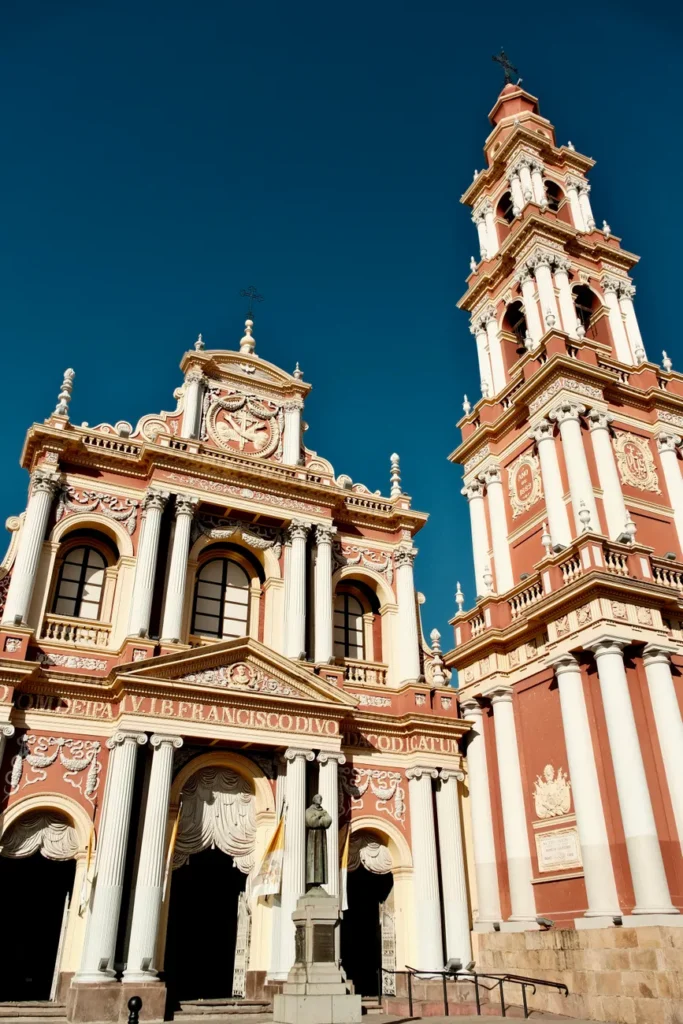

Picture yourself stepping off a dusty bus onto a cobblestone lane where a street musician plays a mournful charango while the scent of freshly baked empanadas drifts from a nearby bakery. A local vendor waves you over, offering a sip of bright, citrusy mate that instantly clears the afternoon heat. You’ve just arrived in Salta, but you’re not headed for the usual tourist squares – you’re about to discover the city’s best‑kept secrets, the places that most travelers never see. In the next few minutes, you’ll learn how to skip the crowds, find quiet neighborhoods, and craft an itinerary that feels like a private invitation from the locals themselves. Ready to explore Salta like a resident?
Why Salta’s Best Spots Still Fly Under the Radar

Salta’s charm lies in its layered history and diverse geography, yet many of its most captivating corners remain under‑explored. The city’s colonial core draws most visitors, but just beyond the main plaza, narrow alleys lead to art studios, hidden courtyards, and rooftop gardens that offer sweeping views of the Andes without the usual chatter of tour groups. These spots stay quiet because they lack the glossy promotion that fuels mainstream travel itineraries. Instead, they rely on word‑of‑mouth among locals, which means the traveler who asks a resident for a recommendation often uncovers a hidden gem. Another reason the hidden spots stay hidden is the city’s rapid growth in popularity among adventure seekers. While trekkers flock to the Quebrada de Humahuaca and wine lovers head to Cafayate, the neighborhoods that sit between these hotspots receive far less attention. Residents here live a slower rhythm, tending to markets, family gatherings, and community festivals that rarely make it into guidebooks. By venturing into these neighborhoods, you’ll experience authentic daily life – from watching artisans hand‑craft leather goods to sharing a late‑night choripán with locals at a neighborhood bar. For a traveler who wants depth over breadth, these quieter corners provide the richest stories. If you’re planning a trip, consider that many of these off‑beat locations require a bit of extra effort to reach, whether it’s a short walk up a steep hill or a quick bus ride to a suburb. The reward, however, is a sense of discovery that feels personal and unfiltered. And because they’re not overrun, you’ll often find that local businesses are eager to share their history, making each visit feel like a private tour. For more inspiration on crafting a smooth itinerary, check out our guide on packing for solo adventures in Tokyo: Pack Smart for Tokyo: A Practical Checklist & Itinerary.
The Hidden Gems: 5-8 Off-the-Beaten-Path Spots

- Cerro San Bernardo Sunset Viewpoint – A short, steep climb rewards you with a panoramic sweep of the city’s red‑brick roofs and the distant snow‑capped peaks. Bring a light jacket; the wind can be brisk even in summer.
- Museo de Arqueología de Alta Montaña (MAAM) – While the museum is known, the adjacent underground tunnel that leads to the replica of the Inca mummies is often missed. It offers a quiet moment to reflect on ancient cultures.
- Mercado San Lorenzo – Tucked behind the main market, this smaller stall‑filled alley sells fresh fruit, regional cheeses, and handmade jam. Vendors are happy to let you sample everything, and you’ll hear stories about the valley’s agricultural traditions.
- Plaza San Lorenzo’s Whispering Wall – A stone wall that carries sound across the plaza. Stand at one end and whisper; the words travel surprisingly far, a favorite local pastime.
- Casa de la Cultura – A modest cultural center hosting rotating art exhibits from local painters. The rooftop café provides a quiet spot for a coffee while you watch the city pulse below.
- El Chorro de los Picos – A short drive outside the city leads to a waterfall hidden in a narrow gorge. The trail is unmarked on most maps, so ask a resident for directions.
- Barrio San Lorenzo’s Vintage Bookstore – A narrow shop filled with second‑hand novels, travel guides, and handwritten letters from previous owners. It’s a perfect place to pause and soak in local literary culture.
- Puesto de la Cerveza Artesanal – A microbrewery tucked in a side street, offering small‑batch brews flavored with local herbs. The owners love to chat about the brewing process and recommend a nearby hiking trail. These spots can be combined into a relaxed day of exploration, letting you move at a comfortable pace while still seeing a side of Salta most visitors miss. For more ideas on secret itineraries, see our Reykjavik secret spots guide: Plan a Confident Reykjavik Itinerary with Secret Spots.
Local Neighborhoods Most Tourists Skip

The city’s historic center gets most of the attention, but the surrounding barrios hold a different rhythm. Barrio San Lorenzo feels like a small town within the city. Its tree‑lined streets are dotted with family‑run cafés, and the local market opens early, selling fresh produce from the surrounding valleys. Walk down Avenida San Lorenzo on a Saturday morning, and you’ll hear the hum of vendors setting up stalls, the clink of coffee cups, and the occasional laughter of children playing soccer in a nearby square. A short bus ride takes you to Barrio La Merced, a residential area known for its colorful murals and community garden. The murals depict scenes from Salta’s indigenous past, and the garden supplies herbs to nearby restaurants. Residents often host impromptu music sessions on weekends, inviting passersby to join. This neighborhood offers a glimpse into the city’s modern artistic expression, far from the polished museums. Further north lies Barrio San Bernardo, where narrow cobblestones lead to a small plaza surrounded by colonial houses painted in pastel tones. Here, you’ll find a traditional bakery that still uses a wood‑fired oven, producing crusty bread that locals swear by. The bakery’s owner loves to share stories of the city’s early days, making it an ideal spot for a cultural exchange. Lastly, Barrio del Centro may sound generic, but its hidden lanes contain a thriving vintage market on the first Sunday of each month. Locals bring upcycled furniture, handmade textiles, and antique records. It’s a perfect place to pick up a unique souvenir while supporting small artisans. For a deeper dive into how locals spend their time, read our Hoi An food itinerary: Plan a Confident Hoi An Food Itinerary for First‑Time.
How Locals Actually Spend Their Time Here

A typical Salteño day begins with a strong cup of mate shared among family members on the patio. After breakfast, many head to the plaza to catch up with friends, play a quick game of truco, or simply watch the world go by. In the late morning, locals often visit the mercado to pick fresh fruit, cheese, and locally produced quinoa. The market is a social hub where neighbors exchange recipes and gossip. Afternoons are reserved for leisure. Many Salteños enjoy a leisurely stroll through the parque San Martín, where children feed ducks and elders sit on benches reading newspapers. The park’s shaded pathways are perfect for a mid‑day nap under a jacaranda tree. For those who love music, the café La Casa del Café hosts live folk performances on Wednesdays, drawing crowds of all ages. Evenings revolve around food and community. Families gather around a grill to share asado, a slow‑cooked beef dish seasoned with chimichurri. The aroma drifts through neighborhoods, inviting neighbors to join. After dinner, many head to a local peña – a small venue where folk musicians play traditional tunes on the guitar and bombo legüero. The atmosphere is relaxed, and visitors are often welcomed to join the dancing circle. On weekends, a popular pastime is a short drive to the surrounding vineyards for a wine tasting tour. The Cafayate region, while known to tourists, still offers family‑run bodegas that welcome small groups for private tastings. These experiences are less about luxury and more about personal connection with the winemakers. To see how a similar approach works for a summer itinerary, check out our Hoi An summer bucket list: Hoi An Summer Bucket List: 8 Iconic Experiences to Book Now.
Best Time to Visit Before It’s Discovered

Salta enjoys a mild climate year‑round, but the sweet spot for a quieter experience falls between late April and early June. During this shoulder season, the city’s foliage begins to turn golden, and the tourist crowds that swell in December and January have thinned. Temperatures hover around 20‑25 °C (68‑77 °F), ideal for walking the historic streets and hiking the surrounding hills without overheating. Another hidden window opens in early September, just after the Argentine spring festivals. The city celebrates Fiesta de la Vendimia later in the month, but the days leading up to the event see fewer visitors. You’ll still catch the vibrant market colors and blooming jacaranda trees, while hotels and hostels offer lower rates. Keep in mind that some attractions may have reduced hours during these off‑peak periods, so always confirm opening times with official sources before you go. If you prefer cooler weather for high‑altitude hikes, consider visiting in late July. While the city itself remains mild, the surrounding mountains can be crisp, offering clear views of the Andes. However, be prepared for occasional rain showers, especially in the valleys. Always pack a waterproof jacket and check local weather forecasts – a quick call to the local tourism office can verify current conditions. Travelers who aim for these quieter windows also benefit from more personal interactions with locals, as they have more time to chat and share recommendations. For packing inspiration, see our Aitutaki vacation checklist: Aitutaki Vacation Checklist: Pack Right & Save Money.
Practical Tips for Going Off‑Grid

When venturing beyond the main plaza, reliable transport becomes essential. The city’s colectivos (shared minibusses) run frequently and can drop you off at most neighborhoods mentioned earlier. They operate on a cash‑only basis, so keep small bills handy. For more remote spots like El Chorro de los Picos, consider hiring a local driver through a reputable agency – always ask for a written estimate and verify the driver’s license. Safety is straightforward but worth noting. Salta’s crime rate is low in tourist areas, yet petty theft can occur in crowded markets. Keep your wallet in a front pocket and use a money belt when hiking. Nighttime travel outside the city should be limited to well‑lit routes; if you must be out after dark, travel with a companion or arrange a trusted ride. Language basics go a long way. While many younger residents speak basic English, older locals prefer Spanish. Learning a few key phrases, such as "¿Dónde está la parada del colectivo?" (Where is the bus stop?) and "¿Puede recomendarme un lugar tranquilo para comer?" (Can you recommend a quiet place to eat?), opens doors to deeper conversations. Accommodations range from boutique hotels in the historic center to casa rurales (rural houses) on the city’s outskirts. For an authentic stay, book a casa rural through a local host who can also arrange guided hikes. Always confirm amenities like hot water and Wi‑Fi before arrival; some off‑grid lodgings intentionally limit connectivity for a true retreat. Finally, remember to bring a portable charger and a universal adapter. Power outages can happen in remote areas, and a backup battery ensures you can capture photos and stay in touch. For a checklist that covers these essentials, see our Sossusvlei food itinerary: Plan a Savvy Sossusvlei Food Trip in 5 Days.
A Secret‑Spots Itinerary

Day 1 – Arrival & Orientation
Arrive in Salta and settle into a boutique hotel near the historic center. Spend the afternoon strolling to Cerro San Bernardo for sunset views. Dine at a family‑run restaurant in Barrio San Lorenzo, trying empanadas Salteñas and a glass of Torrontés. Day 2 – Cultural Immersion
Morning: Visit MAAM and explore the underground tunnel. Mid‑day: Walk to Mercado San Lorenzo for fresh fruit and a quick lunch of locro. Afternoon: Head to Casa de la Cultura’s rooftop café, then wander the Whispering Wall in Plaza San Lorenzo. Evening: Attend a folk music session at a local peña. Day 3 – Off‑The‑Grid Adventure
Early morning: Take a colectivo to El Chorro de los Picos. Hike the short trail to the hidden waterfall; bring a packed snack and water. Return to Salta for a relaxed dinner at a microbrewery in Barrio San Lorenzo, sampling a herb‑infused ale. Day 4 – Neighborhood Exploration
Start with a coffee at a bakery in Barrio San Bernardo, watching locals bake bread in a wood‑fired oven. Spend the morning exploring the vintage market in Barrio del Centro, hunting for a unique souvenir. Lunch: Join a family for a home‑cooked asado in La Merced, where you’ll learn to grill cabrito. Evening: Relax at Parque San Martín, watching the sunset over the jacaranda trees. Day 5 – Departure
Before you leave, stop by a local café for a final cup of mate. If time allows, visit a nearby vineyard for a short tasting session, many family‑run bodegas welcome last‑minute guests. Head to the airport with a notebook full of hidden spots and a heart full of local stories. Tips for Customizing
Feel free to add an extra day for a day‑trip to Cafayate’s vineyards or the high‑altitude town of Cachi. Adjust the pace based on your energy level, but remember that the magic of Salta lies in taking time to breathe, chat with locals, and savor each quiet corner. For more itinerary ideas, see our Banff hidden‑gems guide: Plan a Confident Banff Itinerary for Off‑Grid Adventures.
Free Salta trip checklist
Get the printable itinerary outline and packing checklist for Salta, sent straight to your inbox.
No spam. One email with your checklist.


