Free Hoi An trip checklist
Get the printable itinerary outline and packing checklist for Hoi An, sent straight to your inbox.
No spam. One email with your checklist.
The First Sip: Why Hoi An Hits Different

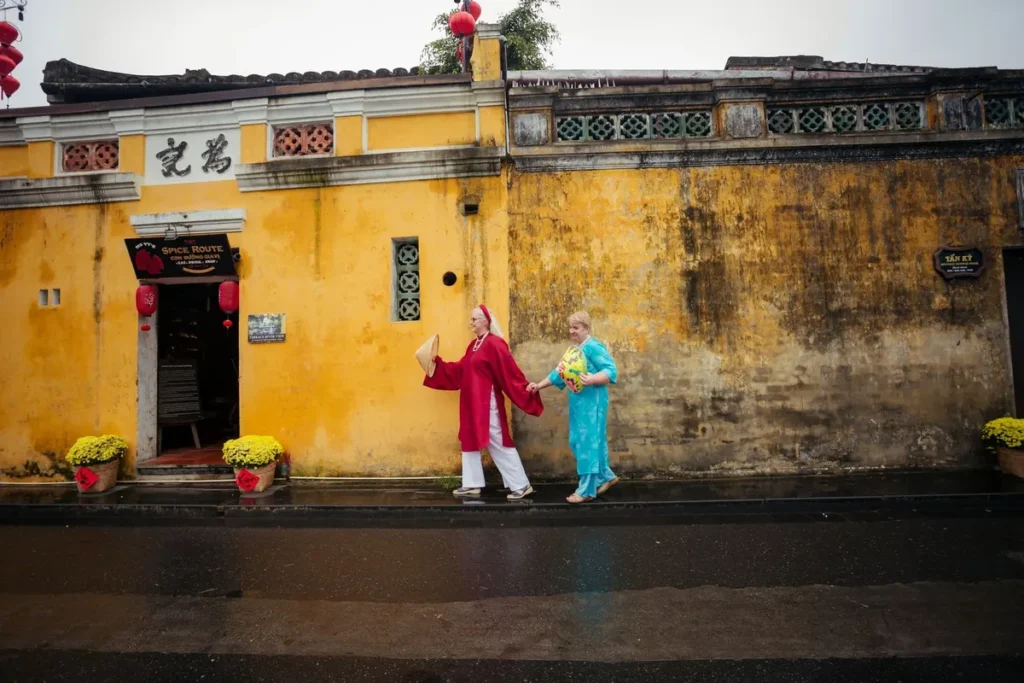
The first thing you notice in Hoi An is not the architecture; it is the light. In the late afternoon, the sun turns the yellow walls of the old town into glowing amber blocks. The air smells of lemongrass, charcoal, and rain on hot stone. It is a sensory shift that catches you off guard. You are not just visiting a historic site; you are walking through a living archive of trade and culture. Most travelers arrive with a checklist of photos to take, but the real magic happens when you stop taking photos and start listening. You hear the clatter of bicycle wheels on cobblestones, the call of a vendor selling fresh fruit, and the distant hum of the river. This is the moment the trip becomes real. Many visitors make the mistake of treating Hoi An as a quick stop between Da Nang and Hanoi. They rush through the Ancient Town, snap a few photos of the Japanese Bridge, and leave. This is a missed opportunity. Hoi An rewards slow travel. It rewards curiosity. It rewards the willingness to get lost in the narrow alleys where the tourists do not go. When you slow down, you see the details: the faded blue jeans hanging to dry on a balcony, the intricate embroidery on a tailor’s mannequin, the way the lanterns reflect in the river at dusk. These small moments are the true bucket list items. They are the memories you will keep long after the photos fade. This guide is designed to help you slow down and see Hoi An clearly. It is not just a list of places to see; it is a framework for experiencing the town with intention and joy. Whether you have three days or a week, this approach will help you make the most of your time. Let us dive into the specifics of what makes this summer trip worth the flight.
The Big Picture: Why Hoi An Belongs on This Summer’s Bucket List

Hoi An stands out in Southeast Asia for a simple reason: it is a preserved urban center. Unlike other ancient cities that have been rebuilt or modernized, Hoi An has kept its 15th to 19th-century layout. The streets are still narrow. The houses are still wooden and brick. The atmosphere is still one of quiet commerce rather than frantic tourism. This preservation is not accidental; it is the result of careful planning and community pride. For a summer traveler, this means you get a sense of place that is rare in the modern world. You can feel the weight of history without stepping into a sterile museum. The town is alive with daily life, yet it retains a timeless quality that makes it a perfect backdrop for a summer bucket list. The second reason Hoi An is a summer essential is its accessibility. It is close to Da Nang, a major international hub, which makes it easy to reach. You can fly into Da Nang and take a short taxi ride to Hoi An, or you can take a scenic train ride from Hanoi or Ho Chi Minh City. This accessibility means you do not have to sacrifice comfort or convenience to experience something authentic. You can have modern amenities, good food, and safe lodging, all while immersing yourself in a historic setting. This balance is what makes Hoi An a smart choice for independent travelers. It is not a remote jungle camp; it is a welcoming town with a rich cultural heritage. For a summer trip, this combination of ease and depth is hard to beat. It allows you to focus on the experiences rather than the logistics. You can pack light, move easily, and spend your energy on discovery. This is why Hoi An is a top destination for summer travelers who want more than just a beach day. It is a place where you can connect with the past and the present in a seamless way. As you plan your trip, remember that the goal is not to see everything, but to see the right things. This guide will help you identify those key experiences. We will look at the must-dos, the hidden gems, and the practical tips that will make your trip smooth. Let us start with the specific activities that should be on your summer bucket list.
The Bucket List: 8 Must-Do Experiences

- Walk the Japanese Covered Bridge at Dawn. The bridge is iconic, but it is best seen before the crowds arrive. At dawn, the mist rises from the river, and the bridge looks like a ghost from another era. The light is soft and golden, perfect for photography. You will have the bridge to yourself, and the silence will be profound. This is a moment of pure magic that you will never forget. It is a simple activity, but it sets the tone for your entire trip. It reminds you that Hoi An is a place of quiet beauty, not just bustling markets.
- Take a Tailoring Lesson. Hoi An is famous for its tailors, but most visitors just buy clothes. To truly experience the city, take a lesson. Learn how to measure fabric, how to cut a pattern, and how to stitch a simple item. It is a hands-on activity that connects you to the local craft. You will leave with a new skill and a deeper appreciation for the work that goes into every garment. It is a unique experience that you cannot get anywhere else in the world. It is a true bucket list item that combines culture, creativity, and personal growth.
- Eat Ca Cao at a Street Stool. Ca Cao is a local dish of fried pork belly, rice noodles, and fresh herbs. It is not on most tourist menus, but it is a favorite among locals. Find a small street stall with plastic stools and a few tables. Order a plate and eat it with your hands. The flavors are bold and fresh, and the experience is authentic. It is a cheap and delicious way to connect with the local food culture. It is a reminder that the best food is often the simplest.
- Ride a Basket Boat in the Coves. The Tra Que vegetable village is known for its organic farming, but it is also home to a unique boat ride. You sit in a small basket boat that is pulled through the rice paddies by a farmer. It is a slow, peaceful ride that gives you a close-up view of the local agriculture. You can see how the vegetables are grown and harvested. It is a relaxing activity that provides a break from the town center. It is a great way to experience the rural side of Hoi An.
- Watch the Lantern Release on Full Moon Nights. On the 14th day of the lunar month, the town lights up with thousands of lanterns. People release paper lanterns into the river, making a wish. It is a beautiful and spiritual experience. The river is filled with light, and the air is filled with hope. It is a once-in-a-lifetime moment that you should not miss. If you can time your trip to coincide with a full moon, do it. It is a highlight of the Hoi An summer bucket list.
- Visit the Ancient House. The Phuc Thanh House is one of the oldest buildings in the town. It has been restored to show how a merchant family lived in the 18th century. The interior is dark and cool, with intricate wood carvings and traditional furniture. It is a quiet place to escape the heat and learn about the town’s history. The guide will take you through each room, explaining the significance of the objects. It is a educational and peaceful experience.
- Explore the My Son Sanctuary. My Son is a cluster of Hindu temple ruins located in a jungle valley. It is a UNESCO World Heritage site and one of the largest Southeast Asian architectural complexes. The ruins are surrounded by lush greenery, and the atmosphere is mystical. It is a short drive from Hoi An, but it feels like a world away. It is a great day trip that adds a historical and spiritual dimension to your trip. The heat can be intense, so go early in the morning.
- Dine on the Thu Bon River. Many restaurants in Hoi An have outdoor seating on the river. At night, the lanterns reflect in the water, creating a romantic and magical setting. Order a local dish like Cao Lau or White Rose Dumplings and enjoy the view. The music is soft, and the air is cool. It is a perfect way to end a day of exploration. It is a relaxing and enjoyable experience that you will remember fondly.
Best Photo Spots & Scenic Vistas

Photography in Hoi An is easy because the town is naturally photogenic. The colors are vibrant, the light is dramatic, and the architecture is unique. However, to get the best shots, you need to know where to stand and when to shoot. The most famous spot is the Japanese Covered Bridge, but it is crowded during the day. To get a clean shot, go early in the morning or late at night. At night, the bridge is lit up, and the reflection in the river is stunning. Use a slow shutter speed to capture the light trails. Another great spot is the An Bang Beach, which is a short walk from the town center. The beach has a calm vibe, and the sunset is beautiful. The sand is white, and the water is clear. It is a great place to shoot portraits or landscape shots. The light is soft and warm, perfect for creating a dreamy effect. For a different perspective, climb the Chao Din Tower. It is a three-story tower that offers a panoramic view of the town. You can see the rooftops, the river, and the surrounding hills. It is a great place to capture the scale of the town. The view is especially good at dusk, when the lanterns start to light up. You can see the pattern of the lights spreading across the town. It is a visual feast. Another hidden gem is the Cam Kim Ancient House, which is less crowded than the Phuc Thanh House. The interior is beautifully preserved, and the light coming through the windows is dramatic. It is a great place to shoot detail shots of the wood carvings and the furniture. The atmosphere is quiet and contemplative, which adds to the mood of the photos. When shooting in Hoi An, pay attention to the details. The lanterns are colorful and varied, and they make for great close-up shots. The flowers in the markets are fresh and vibrant, and they add a pop of color to your photos. The street food is also a great subject, with its steaming bowls and fresh ingredients. The textures and colors are rich and inviting. Use natural light whenever possible, as it enhances the colors and creates a warm atmosphere. Avoid harsh midday sun, which can create harsh shadows. Instead, shoot in the morning or late afternoon, when the light is soft and golden. This will give your photos a professional look. Remember to respect the locals when taking photos. Ask for permission before taking a portrait, and be mindful of their privacy. Photography is a way to connect with a place, not to exploit it. By shooting with respect and intention, you will create photos that capture the true spirit of Hoi An. These photos will serve as a lasting reminder of your summer bucket list trip.
Where to Stay for the Best Views

Choosing where to stay in Hoi An is important because it affects your daily experience. The town is compact, so you can walk anywhere, but the location still matters. If you want to be in the heart of the action, stay in the Ancient Town. This area is full of hotels, guesthouses, and hostels. The prices are higher, but the convenience is worth it. You can walk to the main attractions, the markets, and the restaurants. The atmosphere is lively, and you are surrounded by history. Many hotels in this area have rooftop bars or pools that offer a view of the lanterns. This is a great way to end the day with a drink and a view. The noise can be an issue, so choose a room that faces away from the main street if you are a light sleeper. If you prefer a quieter stay, consider staying in the An Bang area. This is a residential neighborhood that is a short walk or bike ride from the Ancient Town. It is less touristy, and the prices are lower. You can find small guesthouses with private courtyards and gardens. The atmosphere is relaxed, and you can experience daily life in a local neighborhood. Many of these places offer homemade breakfasts, which are a highlight of the stay. The view is not as dramatic as in the Ancient Town, but it is peaceful and green. You can hear the birds in the morning and the sound of the river in the evening. It is a great choice for travelers who want to disconnect from the hustle and bustle. For a luxury experience, look for a boutique hotel with a pool and spa. Hoi An has several high-end properties that offer top-notch service and amenities. The rooms are spacious and comfortable, with modern facilities. The pools are often large and well-maintained, providing a cool escape from the heat. The spas offer traditional Vietnamese treatments, such as herbal compresses and massage. These hotels are a great choice for couples or travelers who want to pamper themselves. The location is usually central, so you are close to the main attractions. The price is higher, but the quality is exceptional. Whatever your budget, there is a place in Hoi An that will suit your needs. The key is to choose a location that matches your travel style. Do your research, read reviews, and book early, especially during the summer season. A good base will make your trip smoother and more enjoyable. It will allow you to relax and recharge between your adventures. This is an important part of the Hoi An summer bucket list experience.
Best Time to Visit This Summer

The best time to visit Hoi An during the summer is from May to August. This is the dry season, so you can expect sunny days and clear skies. The temperature is warm, ranging from 25 to 35 degrees Celsius. It is hot, but not unbearable, especially in the evenings when the temperature drops. The humidity is high, so bring light and breathable clothing. The summer season is also the peak tourist season, so the town will be busy. However, the energy is high, and the atmosphere is festive. The full moon lantern festival occurs on the 14th day of the lunar month, which usually falls in the summer. This is a major event that draws visitors from around the world. If you can time your trip to coincide with the festival, you will have a memorable experience. The town is decorated with lanterns, and there are cultural performances and food stalls. It is a vibrant and colorful celebration that you should not miss. If you want to avoid the crowds, consider visiting in late August or early September. This is the end of the summer season, and the number of tourists starts to decrease. The weather is still warm, but the humidity is lower. The prices for accommodation and activities may also be lower. It is a good time to explore the town at a slower pace. You can visit the attractions without waiting in long lines. The atmosphere is more relaxed, and you can interact with the locals more easily. It is a great time for photographers, as the light is still good, but the crowds are smaller. You can get cleaner shots of the landmarks and the streets. The food is still fresh, and the markets are still bustling. It is a sweet spot for travelers who want a balance of comfort and authenticity. Avoid the rainy season, which runs from September to January. The rains can be heavy, and the streets can get flooded. The humidity is high, and the mosquitoes are active. It is not the best time to visit if you want to explore the town on foot. However, if you are interested in the rural side of Hoi An, the rainy season can be beautiful. The rice paddies are green, and the air is fresh. It is a different kind of beauty, but it is not ideal for a summer bucket list trip. Plan your trip for the dry season to make the most of your time. Book your flights and accommodation early, as the summer is a popular time to visit. With careful planning, you can have a wonderful trip to Hoi An. The key is to be prepared for the heat and the crowds. With the right mindset, you can enjoy every moment of your stay. This is a crucial part of the Hoi An summer bucket list planning.
Getting There & Getting Around

Getting to Hoi An is easy, whether you are flying or taking the train. The nearest international airport is Da Nang International Airport, which is about 30 kilometers from Hoi An. You can take a taxi, a private car, or a public bus from the airport to the town. A taxi will cost around 150,000 to 200,000 VND and take about 45 minutes. A public bus is cheaper, but it takes longer and requires a transfer. It is best to pre-book a private transfer to avoid the hassle. If you are coming from Hanoi or Ho Chi Minh City, you can take a train to Da Nang and then transfer to Hoi An. The train ride is scenic and comfortable, and it is a great way to see the countryside. The train station in Da Nang is close to the city center, so it is easy to find a taxi to Hoi An. You can also take a flight from Hanoi or Ho Chi Minh City to Da Nang, which takes about two hours. It is the fastest option, but it is more expensive. Choose the option that fits your budget and schedule. Getting around Hoi An is easy because the town is compact. The Ancient Town is walkable, and you can see most of the attractions on foot. However, the heat can be intense, so it is a good idea to rent a bicycle. Bicycles are cheap and easy to use, and they allow you to explore the town at your own pace. You can ride to the beach, the vegetable village, and the surrounding areas. It is a fun and healthy way to see the town. If you prefer not to ride a bike, you can take a cyclo, which is a bicycle with a passenger seat. It is a traditional mode of transport that is still popular among tourists. The ride is slow and scenic, and it is a great way to see the town from a different perspective. You can also take a taxi or a Grab, which is a ride-hailing app. It is convenient and affordable, and it is a good option if you are traveling with luggage or in a group. The drivers are friendly and knowledgeable, and they can take you to any destination in the town or nearby areas. It is a flexible and easy way to get around. With these options, you can move freely and explore Hoi An at your own pace. This is an important part of the Hoi An summer bucket list logistics.
Your Bucket-List Itinerary (3 or 5 day plan)

Here is a sample 3-day itinerary for your Hoi An summer bucket list trip. Day 1: Arrival and Ancient Town. Arrive in the morning and check into your hotel. Spend the afternoon exploring the Ancient Town. Visit the Japanese Covered Bridge, the Phuc Thanh House, and the Chao Din Tower. Take a break for lunch at a local restaurant. In the evening, go to the riverfront to watch the lanterns light up. Eat dinner at a riverside restaurant and enjoy the view. Day 2: Nature and Culture. Start the day with a bike ride to the An Bang Beach. Spend a few hours relaxing on the beach and swimming in the sea. In the afternoon, visit the Tra Que Vegetable Village and take a basket boat ride. In the evening, go to the Old Town for dinner and shopping. Buy some souvenirs and try some street food. Day 3: My Son and Departure. Take a day trip to the My Son Sanctuary in the morning. Visit the temple ruins and learn about the Champa civilization. Return to Hoi An in the afternoon and spend some time shopping for clothes. In the evening, take a boat ride on the Thu Bon River and watch the sunset. This is a packed itinerary, but it covers the main highlights. If you have five days, you can add more time to explore the town and visit nearby attractions. You can also take a cooking class to learn how to make local dishes. It is a fun and educational activity that you will remember for a long time. You can also visit the An Bang Beach more often and relax on the sand. The key is to balance activity with rest. Hoi An is a place to slow down and enjoy the moment. Do not rush through the experiences; savor them. Take your time to eat, to walk, and to talk to the locals. This will make your trip more meaningful and enjoyable. This itinerary is a starting point, and you can adjust it to fit your interests and pace. The goal is to have a memorable and authentic experience. With this plan, you are ready to embark on your Hoi An summer bucket list adventure. Pack your bags, book your flights, and get ready to explore one of the most beautiful towns in Southeast Asia. It is a trip that will stay with you for a lifetime. We hope this guide has helped you plan your trip. If you have any questions, feel free to leave a comment below. Happy travels!