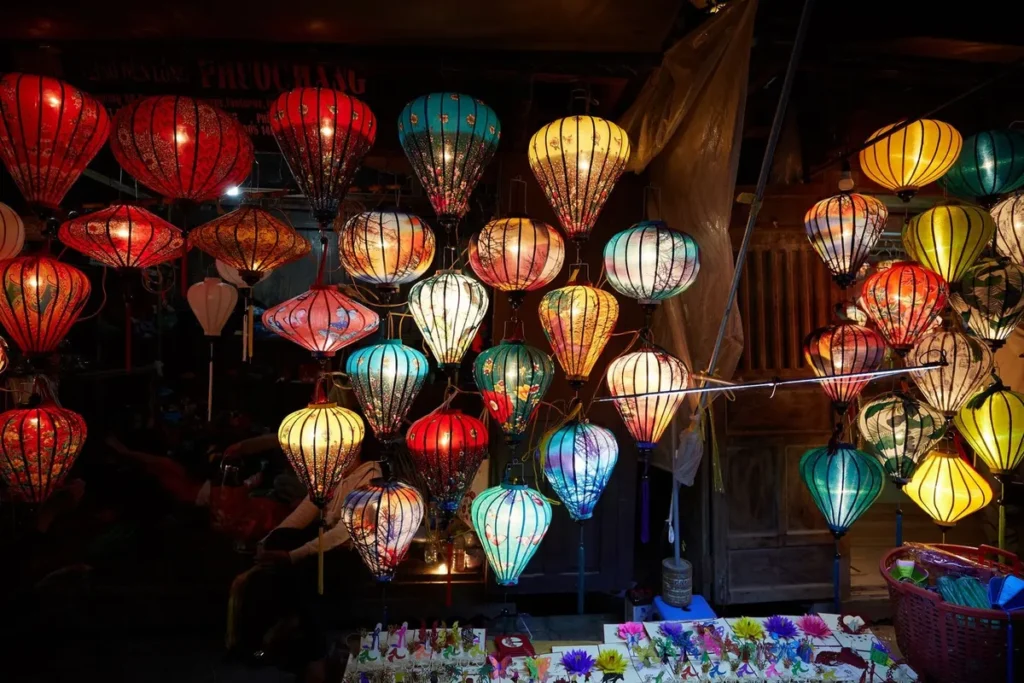

You’ll hear a distant bell from a centuries‑old temple before you even see the famous lanterns. That first echo is the signal that you’re about to wander where most day‑trippers never go. In Hoi An, a quiet alley behind the Japanese Covered Bridge hides a tiny tea house where locals sip jasmine while watching the river glide past old wooden boats. This guide shows you how to turn those fleeting moments into a full‑day adventure, complete with practical packing tips and a printable itinerary you can edit on the go. No need to guess; every step is mapped, every tip is tested, and every recommendation points to a real experience you can confirm with local guides before you travel. The adventure starts the moment you step off the main tourist street. Instead of heading straight for the night market, turn left onto a narrow lane lined with weathered shutters and follow the scent of fresh herbs. You’ll soon find a community garden where families harvest basil and mint for their meals. From there, a short boat ride across the Thu Bồn River lands you in a quiet fishing village that feels untouched by the usual crowds. This opening scene sets the tone for the rest of the article: a confident, off‑grid Hoi An experience built on authentic moments and practical planning.
Why Hoi An’s Best Spots Still Fly Under the Radar

Most travel guides focus on the lantern‑lit Old Town, the Japanese Covered Bridge, and the famous night market. Those attractions are undeniably beautiful, but they also attract large groups, especially during festival weeks. The quieter corners of Hoi An remain largely invisible because they lack flashy signage and are tucked behind residential walls. Local families often keep these areas private, sharing them only with friends or trusted visitors. That privacy creates a natural barrier for mass tourism, allowing these spots to retain their original character. Because the city’s tourism board promotes the central historic district, funding for signage and promotion flows there, leaving peripheral neighborhoods under‑represented on travel maps. This imbalance means you can discover a centuries‑old pottery workshop in Cam Thanh, a riverside rice‑field walk in Thanh Ha, or a hidden waterfall in the nearby Ba Na hills without fighting through crowds. When you choose to explore beyond the main streets, you also support small businesses that rely on word‑of‑mouth visitors. For a deeper look at how neighboring cities manage off‑peak travel, check out the Da Nang Summer Itinerary: 5 Spots to See Before Crowds for ideas on timing and local transport. The lack of mainstream coverage also means that many of these gems have flexible opening hours, often coordinated directly with the owners. Before you set out, it’s wise to send a quick message via a local Facebook group or ask your host to confirm that a workshop is open on the day you plan to visit. This small step ensures you won’t arrive to a closed door and helps you respect the community’s rhythm.
The Hidden Gems: 5‑8 Off‑the‑Beaten‑Path Spots

- Cam Thanh Coconut Village – A short bike ride north of the Old Town, this village is famous for its coconut‑palm‑shaded pathways and a local cooking class where you learn to make coconut‑milk noodles. The class runs only on weekends, so verify the schedule before you go.
- Thanh Ha Pottery Village – Cross the river on a small ferry and wander among kilns that have fired clay for generations. You can try your hand at shaping a bowl under the guidance of master potters. Prices are modest, but bring extra cash for a souvenir you’ll truly cherish.
- Ba Ho Waterfall Trail – A three‑hour hike through jungle trails leads to three cascading waterfalls. The path is steep in places, so wear sturdy shoes and bring a refillable water bottle. Local guides can arrange a pick‑up from your hotel for a small fee.
- An Bang Beach’s Quiet Cove – While An Bang’s main stretch is popular, a hidden cove a few hundred meters east offers soft sand and calm waves, perfect for an early‑morning swim before the crowds arrive.
- Tra Que Herb Garden – This family‑run garden supplies many Hoi An restaurants with fresh herbs. Join a short tour to learn about Vietnamese herbal medicine and enjoy a farm‑to‑table lunch featuring basil‑infused noodles.
- Cua Dai Lighthouse Viewpoint – Climb a short set of stairs near the lighthouse for a panoramic view of the coastline that most tourists miss. The spot is ideal for sunrise photography; bring a tripod and a wide‑angle lens.
- Hội An Silk Village – A lesser‑known workshop where artisans weave silk by hand. You can watch the entire process and purchase a silk scarf directly from the weaver, ensuring fair wages.
- The Old House of Tan Ky – While this house appears on many itineraries, most visitors only see the exterior. Book a private guide to explore the interior courtyards, hidden passages, and the family’s antique collection, which is usually off‑limits to the public. Each of these spots adds a layer of authenticity to your trip and can be woven into a single‑day or multi‑day itinerary. Remember to check opening days, as many operate on a “by appointment” basis.
Local Neighborhoods Most Tourists Skip

The Old Town’s UNESCO‑listed streets are a magnet for photographers, but the neighborhoods just beyond the wall tell a different story. Cẩm Phô, a quiet residential quarter, is known for its pastel‑colored houses and a weekly market where locals barter fresh produce. Strolling here at dusk, you’ll hear children playing traditional games while elders sip tea on low stools. Thanh Binh, located east of the river, is a fishing community where wooden boats line the shore. Early mornings reveal nets being pulled in, and the scent of grilled fish fills the air. A small family‑run eatery offers a bowl of “cá kho tộ” (caramelized fish) that tourists rarely taste because it’s served only to locals. Further north, Bảo Thảo hosts a cluster of silk‑weaving workshops that have been passed down through generations. The streets are narrow, and the sound of looms creates a rhythmic backdrop. If you wander into a workshop, you’ll often be invited to try the loom yourself, a hands‑on experience that deepens appreciation for the craft. These neighborhoods are accessible by bicycle or motorbike, and most locals are happy to point you toward a hidden café or a quiet spot to watch the sunset over the Thu Bồn River. For a practical guide on navigating Vietnam’s bike lanes, see the Pack Smart for Tokyo: A Practical Checklist & Itinerary for universal packing and safety tips that also apply here. When you choose to spend an afternoon in these areas, you’ll notice fewer souvenir stalls and more genuine interactions. Bring a small notebook to jot down the names of street food stalls or the owners you meet; these details become the backbone of a memorable trip.
How Locals Actually Spend Their Time Here

A typical day for a Hoi An resident starts before sunrise. Many locals head to the riverbank to collect fresh water for household use, a practice that has continued for generations. After a quick breakfast of bánh mì with pâté and fresh herbs, families gather at the local market to buy vegetables, fish, and herbs for the day’s meals. Afternoons are often spent in communal spaces. In the Thanh Binh area, men gather under a large banyan tree to play “đánh đu” (a traditional card game) while women chat about the latest village news. Children attend a small school near the river, then help their parents with chores such as sorting rice or repairing fishing nets. Evenings bring a slower rhythm. Lanterns are lit not for tourists but to guide villagers home. Families sit on low stools, sharing a pot of “cá kho” (caramelized fish) and steaming bowls of “cao lầu” – a noodle dish unique to Hoi An that uses water drawn from an ancient well. The communal feel extends to local temples, where residents gather for evening prayers and cultural performances. Understanding this daily flow helps you align your itinerary with local life. For instance, visiting a market early in the morning lets you see the freshest produce and avoid crowds. If you plan a dinner at a family‑run restaurant, arrive before the locals finish their own meals to secure a seat. And remember, many shops close for a midday break, so schedule your sightseeing accordingly. By syncing with the local tempo, you’ll experience Hoi An as a living community rather than a static museum. This approach also respects the rhythm of the neighborhoods you’re exploring, ensuring a smoother, more authentic stay.
Best Time to Visit Before It’s Discovered

The peak tourist season in Hoi An runs from late November to early February, when the weather is cool and dry. However, the hidden spots described in this guide shine brightest during the shoulder months of March to May and September to October. During these periods, the rain showers are brief, the humidity is moderate, and the crowds thin out dramatically. Visiting in late March aligns with the Lễ hội Đèn Lồng (Lantern Festival) in the Old Town, but the surrounding villages remain calm, offering a contrast between festive lights and quiet riverbanks. Early May brings the Hoa Đào (peach blossom) season in the countryside, painting the hillsides with soft pink hues – a perfect backdrop for photography at the Ba Ho waterfalls. September and October mark the end of the monsoon, leaving the rice paddies lush and the rivers full. This is the ideal time to explore Cam Thanh and Tra Que when the fields are vibrant and the local farmers are busy harvesting herbs. The cooler evenings also make night‑time bike rides along the river promenade comfortable. If you plan to travel during the high season, consider arriving early in the morning to beat the crowds at popular sites, then shift to the hidden gems later in the day. Conversely, during the shoulder months, you can enjoy a relaxed pace, allowing more time for spontaneous detours. Always double‑check weather forecasts and local event calendars, as festivals can affect transport schedules and opening hours of small workshops. A quick tip: bring a lightweight rain jacket and a waterproof cover for your backpack, especially if you travel in October when occasional showers are common. This preparation ensures you stay comfortable while exploring the off‑grid locations.
Practical Tips for Going Off‑Grid

Transport – The most flexible way to reach hidden spots is by renting a bicycle or a motorbike. Local rental shops in the Old Town offer daily rates that include a helmet and basic insurance. Verify the bike’s brakes and lights before signing the contract. If you prefer a guided experience, many small agencies provide half‑day tours that pick you up from your hotel and drop you back after visiting Cam Thanh or Ba Ho. Always ask for a written confirmation of the pick‑up time. Safety – While Hoi An is generally safe, off‑grid areas have fewer streetlights. Carry a small flashlight and keep your valuables in a hidden pouch. When hiking to Ba Ho waterfalls, stay on marked trails and avoid swimming after heavy rain, as currents can become stronger. Language – Vietnamese is the primary language, and English proficiency drops outside the tourist core. Learning a few key phrases such as “Xin lỗi” (excuse me), “Bao nhiêu?” (how much?), and “Bạn có thể giúp tôi không?” (can you help me?) goes a long way. A pocket phrasebook or a translation app on your phone will help you negotiate prices at local markets. Connectivity – Free Wi‑Fi is common in cafés within the Old Town, but signal strength fades quickly in rural neighborhoods. Purchase a local SIM card from providers like Viettel or Mobifone at the airport; a prepaid data package of 5 GB lasts about a week and works well for map navigation. Packing Essentials – Pack light, breathable clothing for warm days and a light jacket for cooler evenings. Include a reusable water bottle, a quick‑dry towel, insect repellent, and a small first‑aid kit. For photography enthusiasts, a compact tripod and a spare memory card are useful. If you plan to join a cooking class, bring a small notebook to record recipes; many locals appreciate the gesture and may share secret ingredients. Confirm Details – Because many hidden spots operate on appointment or limited hours, reach out a day before via the contact number provided on their Facebook page or ask your host to arrange a visit. This step prevents wasted travel time and shows respect for the owners’ schedules. Following these practical tips lets you explore confidently, stay safe, and blend smoothly into the local rhythm.
A Secret‑Spots Itinerary (3‑Day Plan)

Day 1 – Riverside Warm‑Up
Morning: Start with a sunrise bike ride to Cam Thanh Coconut Village. Join a short coconut‑picking tour (confirm the 9 am slot the day before) and enjoy a fresh coconut water breakfast. Mid‑morning: Head to Tra Que Herb Garden for a hands‑on herb‑picking session and a farm‑to‑table lunch featuring basil‑infused noodles. Afternoon: Cycle back toward the Old Town and stop at Thanh Ha Pottery Village. Spend an hour shaping a bowl under a master potter’s guidance. Evening: Return to the Old Town for dinner at a family‑run restaurant, trying the local “cao lầu” and ending with a quiet walk along the riverbank. Day 2 – Hills & Waterfalls
Early Morning: Take a motorbike to the Ba Ho Waterfall Trail (pick‑up at 7 am arranged through a local guide). Hike to the third waterfall, swim in the natural pool, and enjoy a packed lunch you prepared with snacks from the market. Late Afternoon: On the way back, stop at Cua Dai Lighthouse Viewpoint for sunset photography. Evening: Explore An Bang Beach’s Quiet Cove for a low‑key dinner at a beachfront shack serving grilled fish. Day 3 – Cultural Immersion
Morning: Visit Bảo Thảo Silk Village. Book a private tour (available at 10 am) to watch artisans weave silk and purchase a hand‑woven scarf directly from the weaver. Mid‑morning: Walk to Hội An Silk Village for a deeper look at historic textile techniques. Lunch: Sample “cá kho tộ” at a family eatery in Thanh Binh, where the owner often shares the recipe if you ask politely. Afternoon: End the trip with a relaxed boat ride across the Thu Bồn River to Cẩm Phô, where you can sip tea at a local café and watch the river life unfold. Packing Checklist for the Itinerary
- Lightweight rain jacket
- Sturdy walking shoes + flip‑flops for beach
- Reusable water bottle & snack bars
- Small daypack with waterproof cover
- Portable charger and local SIM card
- Basic Vietnamese phrasebook or translation app
- Camera or smartphone with extra memory card Final Note – All activities listed can be adjusted based on weather or personal pace. Confirm each appointment a day ahead, and keep a flexible mindset. This itinerary blends iconic sights with secret‑spot experiences, giving you a confident, well‑rounded Hoi An adventure that most travelers miss.
Free Hoi An trip checklist
Get the printable itinerary outline and packing checklist for Hoi An, sent straight to your inbox.
No spam. One email with your checklist.


