Things to Do in Hakodate: Quick Answer
The best things to do in Hakodate are the night view from Mount Hakodate, Goryokaku Fort, the Morning Market, the old foreign quarter in Motomachi and the Red Brick Warehouses on the bay. Add a soak in Yunokawa Onsen and a day trip to Onuma Park and you have a full three days. Hakodate is a port city on the southern tip of Hokkaido, and most of what you want to see is within a short tram ride of the station.
The city was one of the first Japanese ports opened to foreign ships in the 1850s, so its harbour district still has churches, Western-style houses and old warehouses that look unlike the rest of Hokkaido. The food is the other reason to come, with fresh squid, seafood bowls and a local style of salt ramen. Winter brings snow and hot springs, summer brings cool weather and long evenings, and spring brings cherry blossoms around the fort.
This guide lists eight places, then food, where to stay, the best time to go, how to get there and a two-to-three-day plan. Hours and fares change, so check official pages before you travel. If Hakodate is one stop on a longer trip, our Japan itinerary and guide to the best times to visit Japan help you plan the rest.
Free Hakodate trip checklist
Get the printable itinerary outline and packing checklist for Hakodate, sent straight to your inbox.
No spam. One email with your checklist.
8 Best Things to Do in Hakodate, From the Night View to Hot Springs

These eight places cover the main sights in a sensible order. The first five sit inside the city, and the last three need a short tram or train ride.
1Mount Hakodate Night View
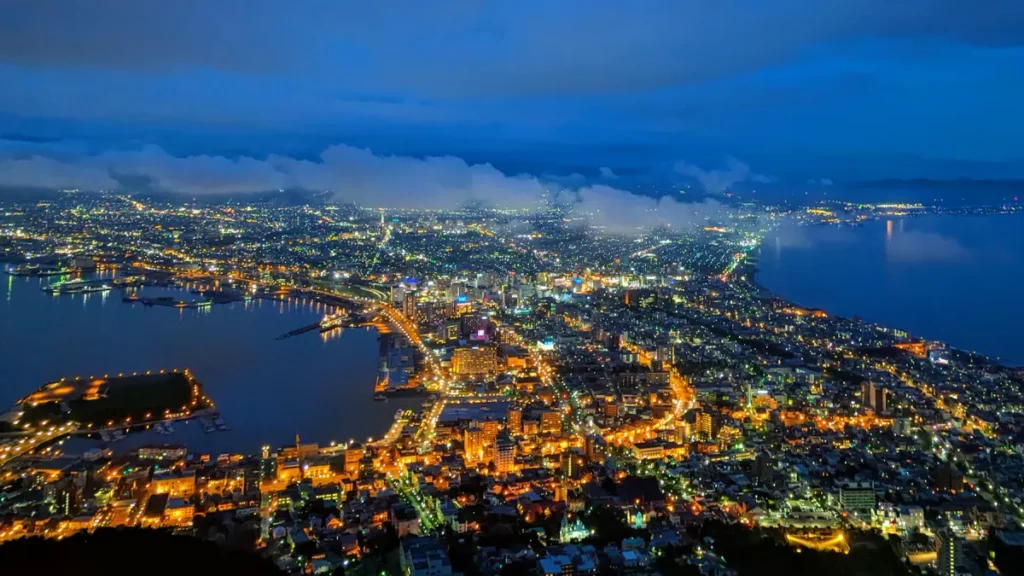
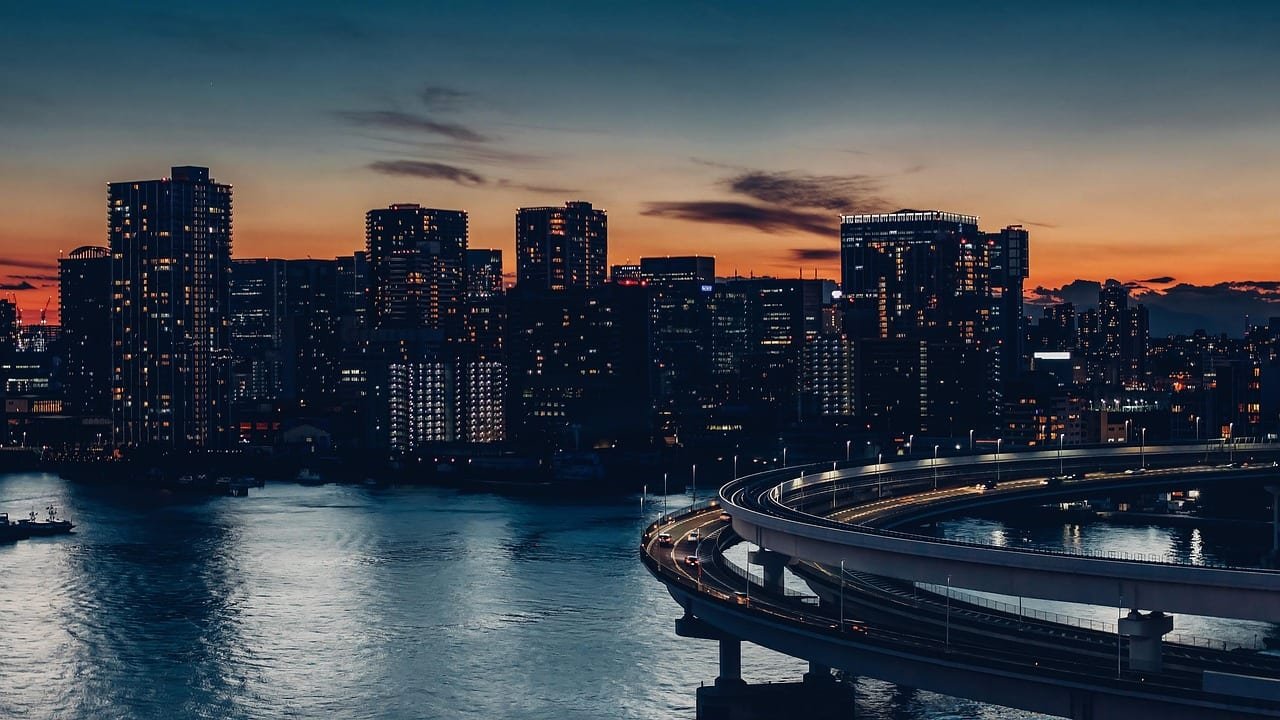
The view from Mount Hakodate is the reason many visitors come, and it is often ranked among the best night views in Japan. The city sits on a narrow strip of land with water on both sides, so the lights form a curved shape you can see from above. A ropeway takes about three minutes from the base station to the summit, and buses also run to the top.
Go about 30 to 45 minutes before sunset, so you see the city in daylight, then at dusk, then lit. The summit is windy and much colder than the city, even in summer, so bring a jacket. Summer sea fog can hide the view, so check the forecast and keep a second evening free in case the first one is cloudy.
2Goryokaku Fort and Tower

Goryokaku is a star-shaped fort built in the 1860s in a Western style. It was the site of the last major battle of the Boshin War in 1869, when the former shogunate forces made their final stand. The star shape is hard to see from the ground, so take the lift up Goryokaku Tower for the view over the pattern. Inside the grounds, the restored Magistrate's Office gives a closer look at the history.
In late April and early May, cherry trees along the moat flower, and the park becomes one of the best spring spots in Hokkaido. In winter, the fort grounds are quiet and snowy.
3Hakodate Morning Market

The Morning Market sits beside Hakodate Station and opens early in the morning, often around 5 am. Stalls sell crab, sea urchin, salmon roe and dried seafood. Inside the market, a food hall serves seafood bowls, and one famous stall lets you catch your own squid from a tank, which is then prepared as sashimi in front of you. Arrive early for the full choice and the shortest lines.
4Motomachi and Hachimanzaka

Motomachi is the old foreign quarter on the slope below Mount Hakodate. The Old Public Hall of Hakodate Ward, a blue and yellow Meiji-era building from 1910, is one of the best-known buildings. Nearby are the Hakodate Orthodox Church, with its green domes, the Motomachi Catholic Church and the former British Consulate. Hachimanzaka is a wide slope that runs down to the harbour, and the view down it to the water is a classic Hakodate photograph.
Walk this district in the late afternoon, then take the ropeway up the mountain for sunset.
5Kanemori Red Brick Warehouses and the Bay Area

The Kanemori Red Brick Warehouses stand on the waterfront and now hold shops, restaurants and event halls. The brick buildings and the harbour make this a pleasant place for an evening walk and dinner. In December the bay area hosts a Christmas festival with a large tree and lights. Check the dates before you plan around it.
6Yunokawa Onsen and the Monkey Bath

Yunokawa Onsen is Hakodate's hot spring district, near the airport and a tram ride from the city centre, usually 20 to 30 minutes. Many ryokan and hotels have public or private baths. Hakodate Tropical Botanical Garden, nearby, is known for its Japanese macaques that soak in a hot spring pool in the cold months. Check the garden's season before you go, because the monkeys only bathe in winter.
7Hakodate Tram Ride

Hakodate's streetcars are one of the easiest ways to reach the sights. Two lines run through the city, linking the station area with Yunokawa and the harbour district. A day pass pays for itself quickly if you ride three or more times. The old cars rattle along, and the ride itself is part of the visit.
8Onuma Quasi-National Park (Day Trip)

Onuma Park is a group of lakes at the foot of Mount Komagatake, about 40 minutes from Hakodate by train. A flat walking and cycling path loops around small islands and bridges, and you can hire a bike or paddle a boat. The area is especially good in fall colour and in clear summer weather. Some trails near the volcano are restricted when the volcano is active, so check the park's current notices before you set out.
Food to Try in Hakodate: Squid, Seafood Bowls and Shio Ramen

Hakodate is a good place to eat well on a budget, because seafood comes straight off the boats. Start with the market and then fill in the rest around the city.
- Squid: Hakodate is known for squid. At the Morning Market you can pick one from a tank and have it served as sashimi within minutes. Squid is popular through much of the year, and summer is a high point for fishing.
- Seafood bowls: a kaisendon is a bowl of rice topped with raw fish, roe, crab or sea urchin. Choose a set that includes local items, and ask what is in season.
- Shio ramen: Hakodate is known for a clear, salt-based ramen with a light broth. It is a good late-night meal after the ropeway.
- Local burger chain: Lucky Pierrot is a Hakodate burger chain with themed restaurants. It is a fun, cheap stop, especially for families.
- Sea urchin and crab: both appear in markets and restaurants, and prices vary by season, so compare before ordering.
Many seafood places close early, so eat the main meal at lunch and keep dinner light, or plan dinner at a bay-area restaurant or a ramen shop.
For more background on the area, see Hakodate on Wikipedia.
Where to Stay in Hakodate by Area
Choose a base by what you plan to do. Hakodate is small, so all three areas below are within a short tram ride of each other.
- Near Hakodate Station: the easiest choice if you want to eat at the Morning Market, catch trains and walk to restaurants. There are many business hotels here.
- Bay area and Motomachi: the best option for atmosphere. You can walk to the Red Brick Warehouses, the old churches and the ropeway station. Some hotels here are in converted historic buildings.
- Yunokawa Onsen: the right choice if you want hot springs and a ryokan meal. It is a tram ride from the city, so you should plan evenings in the hot spring district and day sightseeing in the city.
For a first visit, stay near the station or in the bay area, and add one hot spring night if you have a third day. Book early for summer and the December festival period.
Best Time to Visit Hakodate and How Many Days You Need

Hakodate has four distinct seasons, and each gives a different trip.
| Season | What works best | What to watch for |
|---|---|---|
| Spring (April to May) | Cherry blossoms at Goryokaku, mild days | Cool evenings, crowds at the fort in peak bloom |
| Summer (June to August) | Cool weather by Japanese standards, seafood, festivals | Sea fog can hide the night view |
| Fall (September to November) | Fall colour around Onuma, clear night views | Short days, colder evenings |
| Winter (December to March) | Snow, hot springs, winter lights, the monkey bath | Cold, wind on the mountain, slippery streets |
For how long to stay, two nights covers the main city sights. Three nights lets you add Onuma Park or a hot spring evening. If you are travelling on to Sapporo or other parts of Hokkaido, plan around train timetables.
Getting to Hakodate and Getting Around

Hakodate is at the southern end of Hokkaido, so plan the journey.
- By train: the Hokkaido Shinkansen runs from Tokyo to Shin-Hakodate-Hokuto station, a journey of about four hours. From there, a local train called the Hakodate Liner takes about 20 minutes to Hakodate Station. Check timetables and any rail pass rules before you go.
- By air: Hakodate Airport has flights from Tokyo and other Japanese cities, and the flight from Tokyo takes about an hour and a half. A bus runs from the airport to the city centre.
- Getting around: the city tram and local buses cover most sights. A one-day tram pass is good value if you ride several times. Taxis work for short hops, such as from the ropeway to a restaurant late at night.
- Walking: Motomachi, the bay area and the Morning Market are all walkable. Dress for hills.
A few practical points make the trip smoother:
- Cash and cards: many market stalls and small ramen shops prefer cash, though larger hotels and restaurants take cards. Carry some yen.
- Luggage: coin lockers at Hakodate Station help if you arrive before check-in or leave late. Large lockers fill up on busy days.
- Winter footwear: pavements can be icy from December to March. Wear shoes with good grip, and watch for slippery tram tracks.
- Language: signs at major sights have English, but small restaurants may not. A translation app helps with menus.
- Weather: the city can be several degrees colder and windier at the summit, so pack layers in every season.
For packing and city planning on the same trip, our Tokyo checklist and itinerary helps if you are starting in the capital. If you are building a longer Japan route, day trips from Kanazawa adds another side of the country.
Things to Do in Hakodate: A 2-Day and 3-Day Itinerary

Use this plan as a base and swap days to match the weather. Check opening hours and ropeway times first.
Day 1: Morning Market, Motomachi and Night View

Start early at the Morning Market for a seafood breakfast. Walk or take the tram to Motomachi, and explore the Old Public Hall, the churches and Hachimanzaka. Have lunch in the area, then head to the ropeway about an hour before sunset for the night view. Finish with salt ramen.
Day 2: Goryokaku, Red Brick Warehouses and Yunokawa

Visit Goryokaku Fort in the morning and go up the tower. Return to the bay area for lunch at the Red Brick Warehouses and shopping. In the afternoon, take the tram to Yunokawa Onsen for a hot spring soak and a ryokan dinner, or stay in the bay area if you do not plan a hot spring night.
Day 3: Onuma Park Day Trip

Take the train to Onuma Park, rent a bike and loop around the lakes and small islands. Have lunch near the station, then return to Hakodate or continue to your next stop in Hokkaido.
FAQ: Visiting Hakodate

What are the best things to do in Hakodate?
The best things to do in Hakodate are the Mount Hakodate night view, Goryokaku Fort, the Morning Market, Motomachi and the Red Brick Warehouses. Add a hot spring in Yunokawa and a day trip to Onuma Park if you have a third day.
How many days do you need in Hakodate?
Two nights cover the main sights. Three nights lets you add Onuma Park or a hot spring evening. One night is enough only if you are passing through and want just the night view and the market.
When is the best time to visit Hakodate?
Late April and early May give cherry blossoms at Goryokaku. Summer is cool and good for seafood but can bring sea fog. Fall is clear and colourful. Winter is cold and snowy, with hot springs and winter lights.
Is Hakodate worth visiting?
Yes, for the harbour views, the food and the sense of history that is different from the rest of Hokkaido. It works well as a two-night stop between Tokyo and the rest of Hokkaido, or as a short trip on its own.
How do you get from Tokyo to Hakodate?
Take the Hokkaido Shinkansen to Shin-Hakodate-Hokuto, about four hours, then a local train to Hakodate Station. Flights from Tokyo take about an hour and a half. Compare prices and times before you decide.
Can you visit Hakodate without a car?
Yes. The city tram, buses and walking cover almost everything. For Onuma Park, take the train and rent a bike at the station. A car is useful only if you plan to explore more of southern Hokkaido, and winter driving needs experience with snow.
Is Hakodate good for families?
Yes. Kids enjoy the ropeway, the tram, the squid tank at the Morning Market and the Hakodate burger chain. Winter adds snow and the monkey bath at the botanical garden. Keep evenings short on the mountain because the summit is cold and windy.
Is the Hakodate night view worth it?
Yes, it is the highlight of most visits. Go before sunset so you see daylight, dusk and the lit city. Bring a warm layer, because the summit is windy. Check the forecast for fog and keep a spare evening.