Things to Do in Cornwall England: Quick Answer
The best things to do in Cornwall England are St Ives for its beaches and galleries, Land's End and the Minack Theatre on the far west coast, St Michael's Mount, the Eden Project, Tintagel Castle and the fishing harbour at Padstow. Add Kynance Cove on the Lizard and a day around Falmouth and you have the core of any first trip. Most of these sit within about an hour or two of each other, so a week is enough to see them at an easy pace.
Cornwall is England's south-west peninsula, with the Atlantic on the north coast and the English Channel on the south. The coast is the point of a visit: cliff paths, sandy bays, small harbours and castles on headlands. Weather decides much of the plan, so keep one or two indoor options for wet days.
This guide covers ten places, then food, where to stay, the best time to go and a five-day itinerary. Opening hours, ticket prices and tide times change, so check each site's official page before you go. If you are starting in London, our London travel itinerary covers the city before you head west.
Free Cornwall trip checklist
Get the printable itinerary outline and packing checklist for Cornwall, sent straight to your inbox.
No spam. One email with your checklist.
10 Best Things to Do in Cornwall England, From West to East
The ten places below start at the far west tip and work east, which makes them easy to join into a route.
1Land's End and Sennen Cove

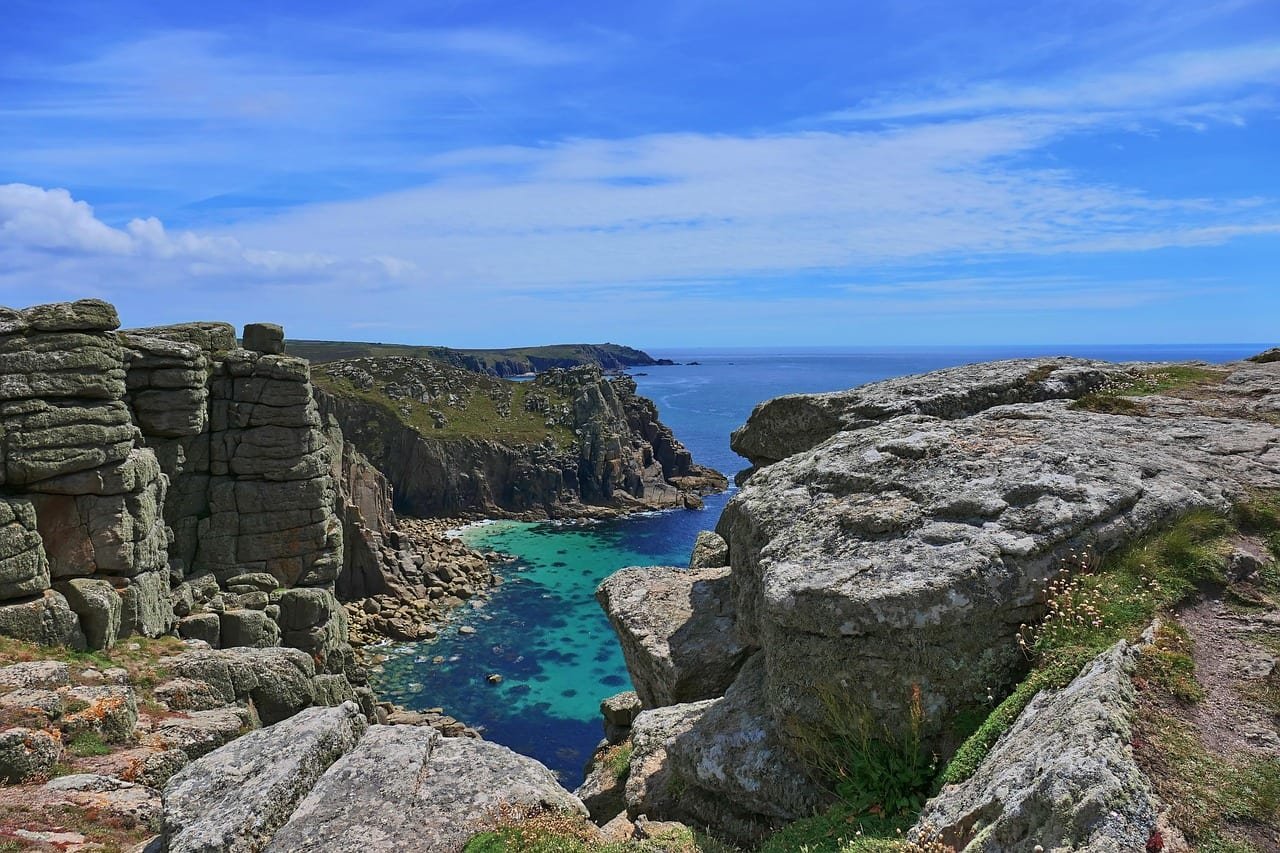
Land's End is the westernmost point of mainland England, and the cliffs there fall straight into the Atlantic. The area around the main visitor site is commercial, but the cliff walk away from it is free and much quieter. Walk north towards Sennen Cove, a small harbour with a wide beach, or south towards Porthgwarra for empty coves. Storm days in fall and winter give the most dramatic waves.
2Minack Theatre and Porthcurno Beach

The Minack Theatre is an open-air theatre cut into the cliff above the sea. It was built by hand by Rowena Cade, starting in the 1930s, and it is open for visits during the day as well as for performances. Below it, Porthcurno Beach has pale sand and clear water. The PK Porthcurno museum next to the beach tells the story of the undersea telegraph cables that landed here.
3Geevor Tin Mine and the Mining Coast

Cornwall's mining landscape is a UNESCO World Heritage Site, and Geevor Tin Mine at Pendeen is the best place to see it. Tours go underground into old tunnels and through the surface buildings. Along the same coast, the engine houses at Botallack stand on cliff edges and are some of the most photographed ruins in Cornwall.
4St Ives: Beaches, Galleries and Harbour

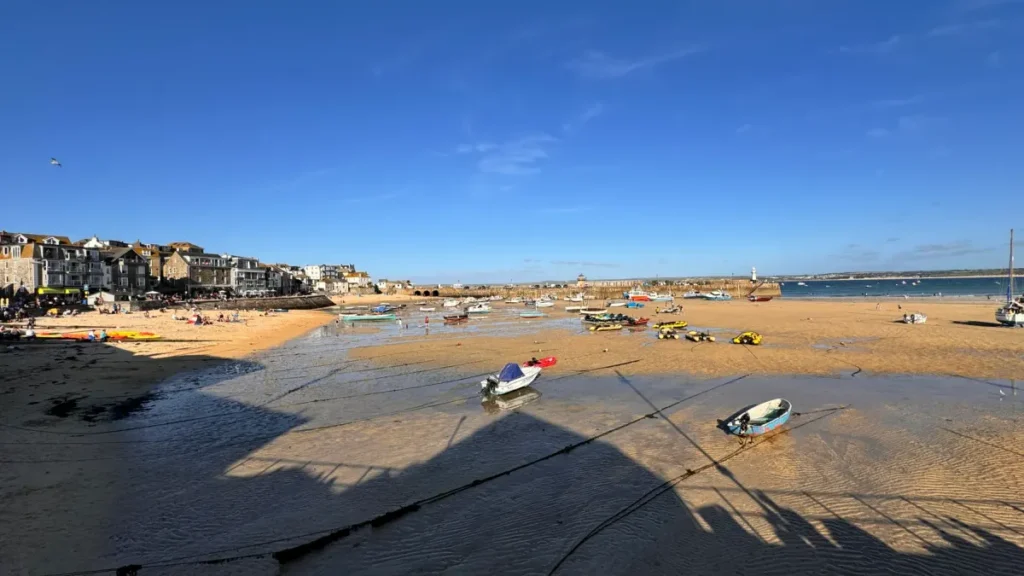
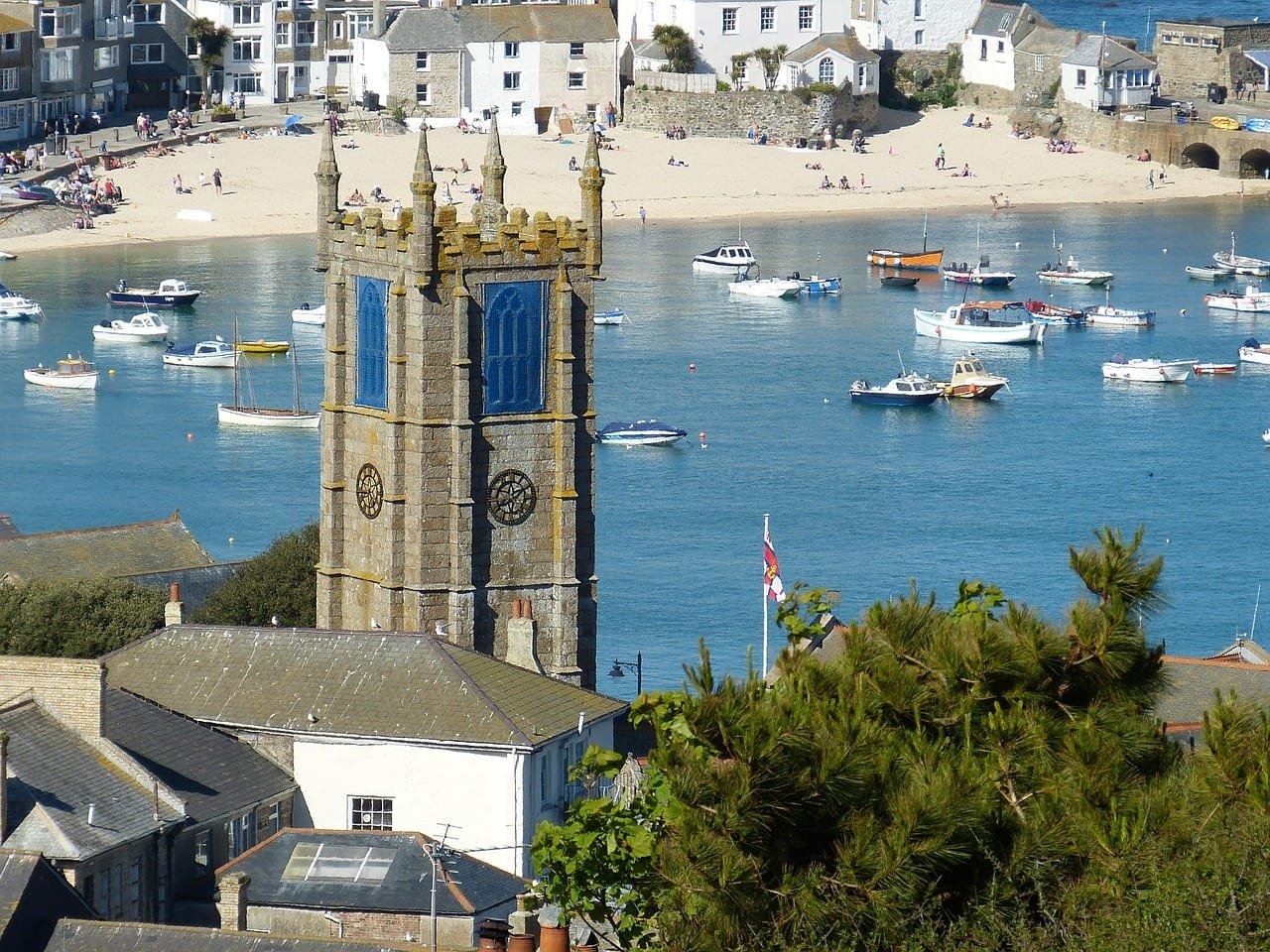
St Ives is the most visited town on the north coast for good reason. Porthmeor Beach is a wide surf beach, and the Tate St Ives sits above it. The Barbara Hepworth Museum and Sculpture Garden is a short walk away. The narrow streets of the old fishing quarter and the harbour are best explored early, before day-trippers arrive.
5St Michael's Mount
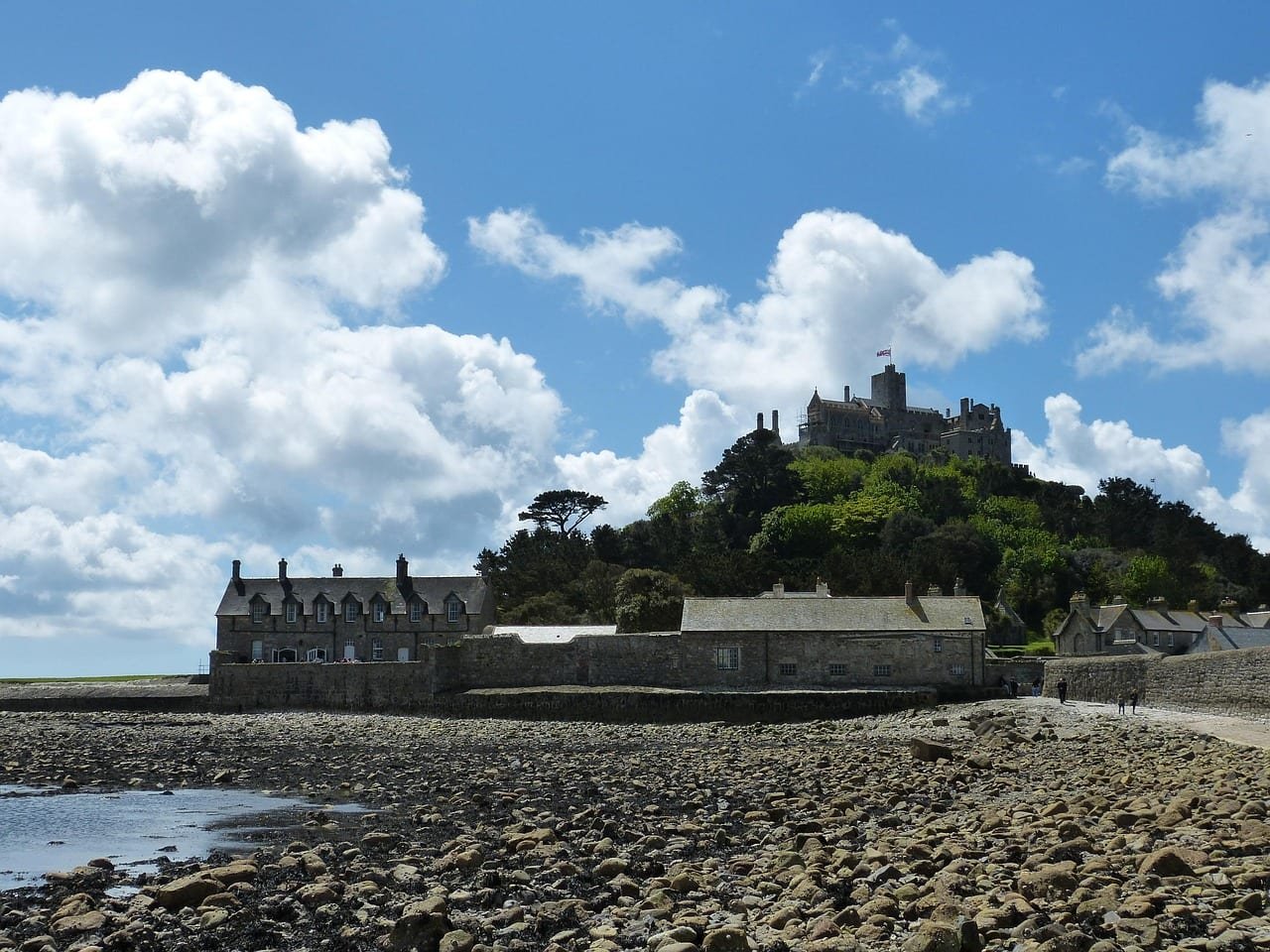
St Michael's Mount is a tidal island with a medieval castle on top, reached from Marazion on a stone causeway at low tide, or by boat at high tide. The castle and gardens are run by the National Trust. Check tide times before you go, and allow a few hours for the castle, the gardens and the harbour village on the island.
6The Lizard and Kynance Cove

The Lizard is the southernmost point of mainland Britain, and its coast has coves and colourful serpentine rock. Kynance Cove is the standout, with turquoise water and rock stacks at low tide. The National Trust runs the cove, and the car park is small and fills early in summer. Walk the coast path from the Lizard Point if you want the wider view.
7Falmouth: Pendennis Castle and St Mawes

Falmouth is a working harbour town on a deep natural estuary. Pendennis Castle, an English Heritage site, is one of the artillery forts Henry VIII built, and it looks over the harbour mouth. Across the water, St Mawes Castle is a smaller twin you can reach by passenger ferry. The National Maritime Museum Cornwall is a good wet-weather stop.
8Eden Project
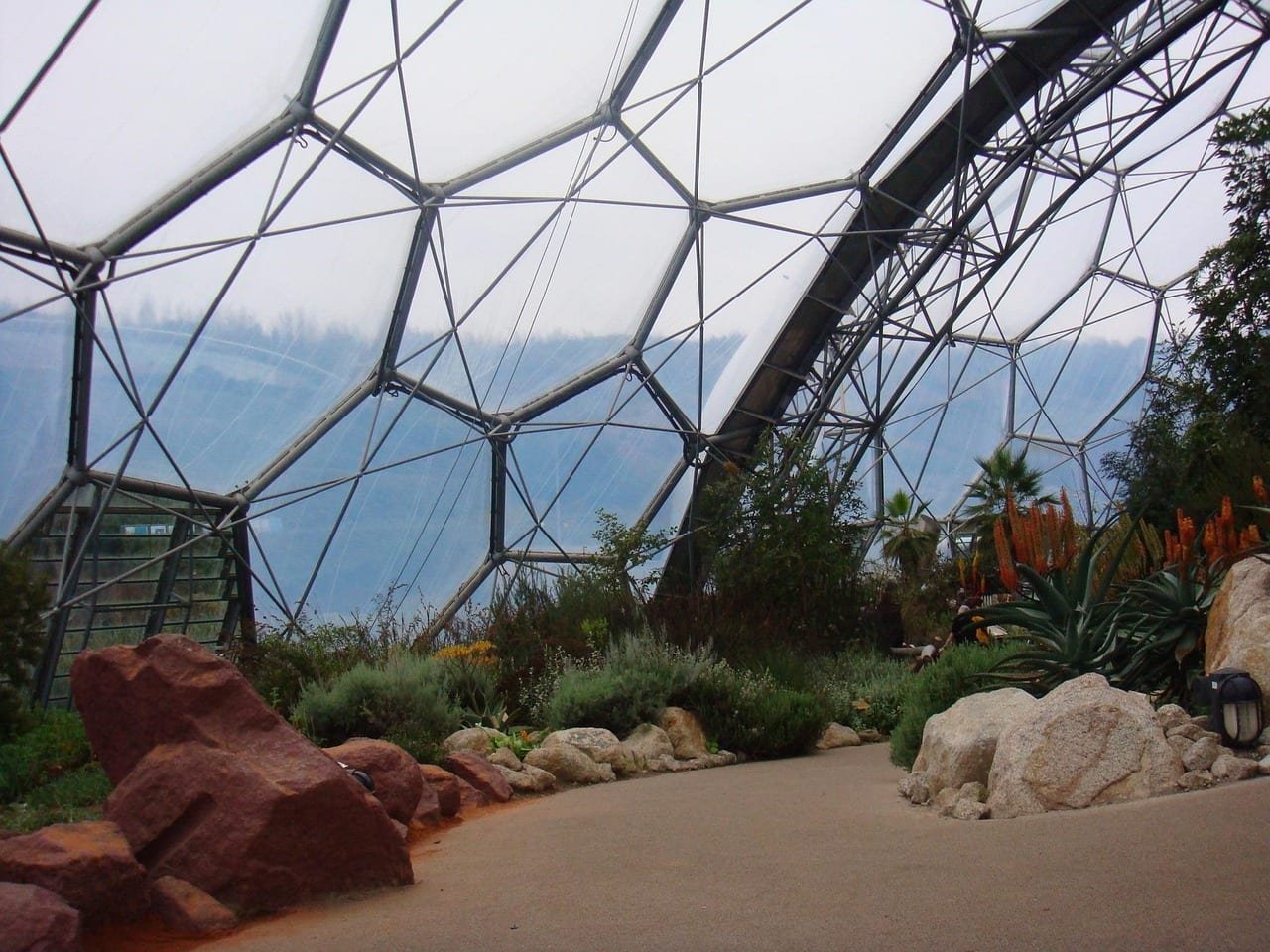
The Eden Project is near St Austell and is built in a former clay pit. Huge domed biomes hold a rainforest and a Mediterranean garden, with outdoor trails between them. It is one of the best things to do in Cornwall when it rains. The Lost Gardens of Heligan, a restored Victorian estate, is a short drive away and pairs well with it.
9Padstow and the Camel Trail

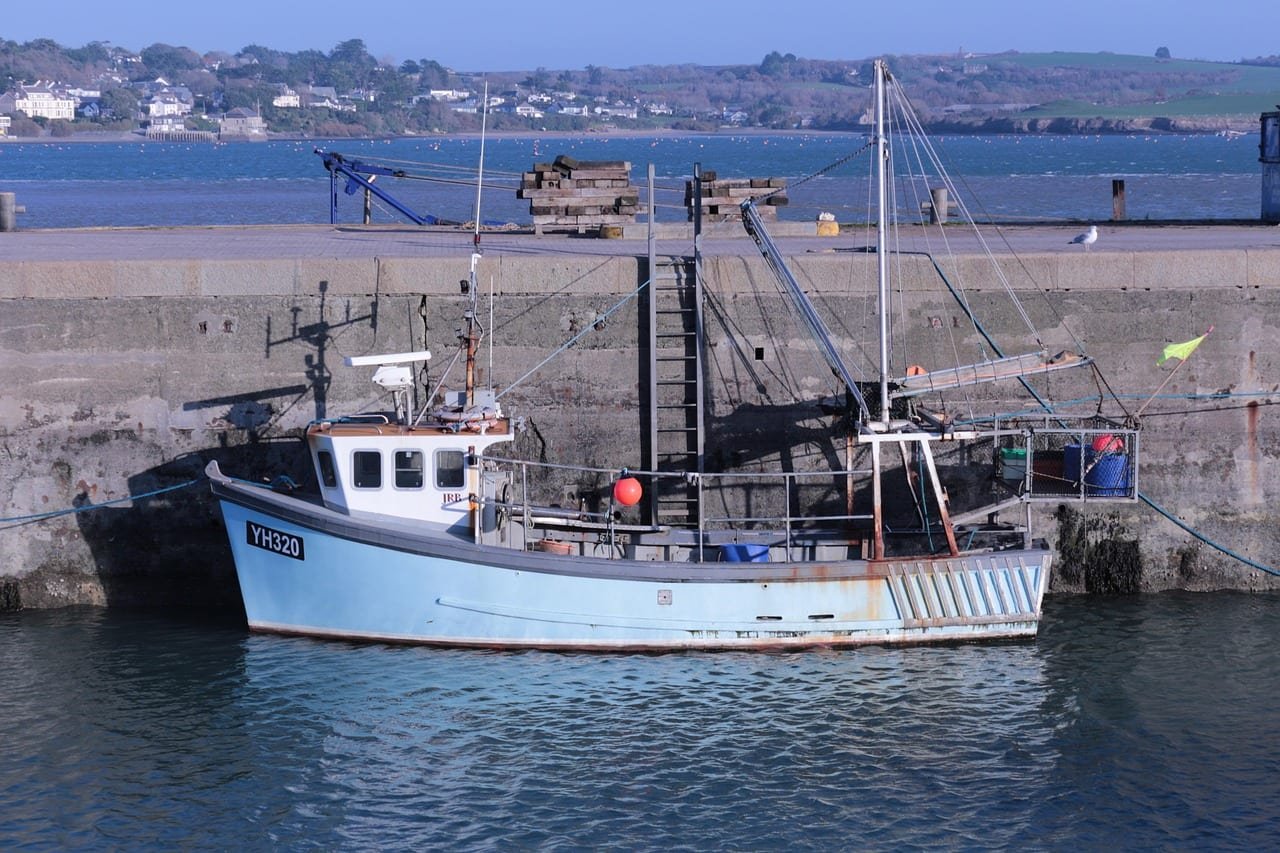
Padstow is a small fishing harbour on the north coast, known for seafood and for the restaurants of the chef Rick Stein. The Camel Trail is a flat cycling and walking route along an old railway line beside the estuary, which makes it a good option for families. Hire bikes in Padstow and ride towards Wadebridge.
10Tintagel Castle

Tintagel Castle is an English Heritage site on a rocky headland linked to the legend of King Arthur. A footbridge opened in 2019 connects the two halves of the site across a gap in the cliff. The path involves many steps, so wear sturdy shoes. Allow two to three hours, and visit early or late to avoid the busiest times.
More places worth a stop

If you have extra days, add Lanhydrock House, a grand Victorian National Trust house near Bodmin, and Launceston Castle in the east. Port Isaac is a small harbour village on the north coast, and Newquay has Fistral Beach, one of the best-known surf beaches in England.
Beaches, Coast Path and Food to Try in Cornwall
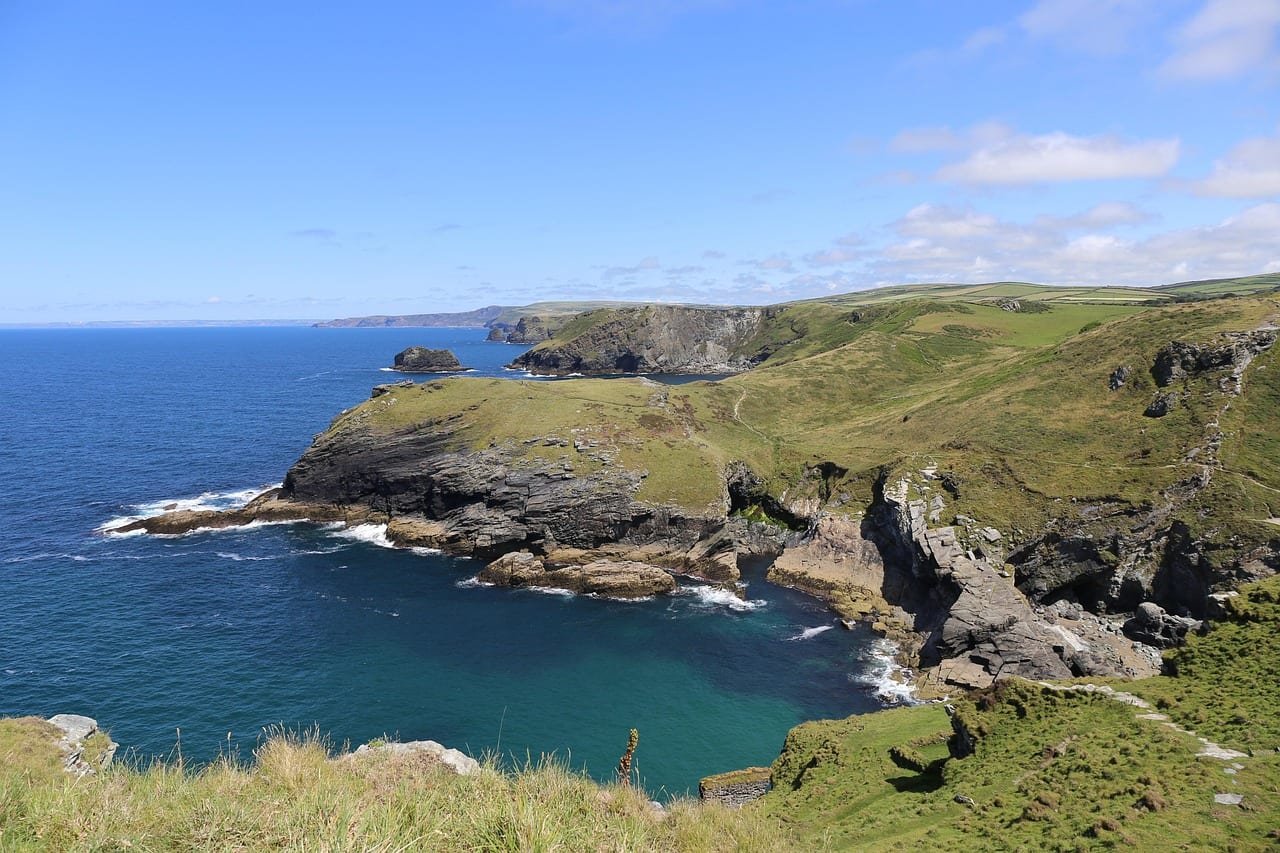
Cornwall's coast is more than the ten places above. Most days can include a beach or a short walk on the South West Coast Path, which runs along almost the whole shoreline.
- Beaches: Porthcurno, Sennen and Porthmeor are among the best known. For quieter sand, try the small coves on the Lizard or the beaches around Mawgan Porth. Lifeguards cover many popular beaches in summer, so swim in the flagged areas.
- Walks: short sections of the coast path work well, such as Sennen Cove to Land's End or the cliffs between Zennor and St Ives. Wear grippy shoes and check the tide on rocky routes.
- Pasties: the Cornish pasty has protected geographical status, which means a true one is made in Cornwall to a set recipe. Try one at a bakery rather than a chain.
- Cream tea: Cornwall puts jam first, then cream. Locals take this seriously.
- Seafood: fish and chips on a harbour wall, and fresh crab and mussels in Padstow, Falmouth and Mousehole.
- Saffron buns: a traditional yeast bun that is easy to find in bakeries.
What to do in Cornwall when it rains

Rain is common on the Atlantic coast, and it rarely lasts all day. Keep a few indoor options ready so a wet morning does not cost you the day:
- The Eden Project: the biomes are indoors, and the outdoor trails are still worth walking in a light shower.
- Tate St Ives and the Barbara Hepworth Museum: two compact art stops in the same town.
- National Maritime Museum Cornwall in Falmouth: boats, harbour views and a long, easy visit.
- Geevor Tin Mine: the underground tour stays dry, and the surface buildings are covered.
- Pendennis Castle: some of the gun emplacements and exhibitions are indoors.
Pack a waterproof jacket even in summer, and wear shoes with grip. Wet cliff paths and slipways are slippery, and coast path signs warn of unstable edges in several places. Stay well back from cliff edges in strong wind.
For more background on the area, see Cornwall on Wikipedia.
Where to Stay in Cornwall by Area
Cornwall is a long peninsula, so choose a base that cuts your daily driving.
- West Cornwall (St Ives, Penzance, Land's End): the best base for the far west. St Ives is lively and expensive in summer. Penzance is cheaper and has the rail station.
- The Lizard and Falmouth: good for coves, castles and estuary boat trips. Falmouth has plenty of places to eat.
- Mid Cornwall (St Austell, Fowey): convenient for the Eden Project and Heligan, with a quieter harbour at Fowey.
- North coast (Padstow, Port Isaac, Tintagel): scenic, and best for walkers and surfers.
- Newquay: has a large choice of lodging and surf beaches, and a regional airport.
For a first trip, split your stay: three nights near St Ives or Penzance, then two near Padstow or Falmouth. In summer and school holidays, book at least three months ahead. Parking is limited in small harbour towns, so check whether your lodging has it.
Best Time to Visit Cornwall and How Many Days You Need

Cornwall changes a lot by season, so match the time of year to what you want.
| Season | What works best | What to watch for |
|---|---|---|
| Spring (April to June) | Wildflowers, quieter coast paths, longer days | Showers, some sites open fewer days |
| Summer (July to August) | Warm sea, long days, all sites open | Peak crowds, high prices, traffic on narrow roads |
| Early autumn (September) | Warm water, fewer visitors | Shorter days late in the month |
| Late autumn and winter | Storm watching, empty coastline, low prices | Short opening hours, some attractions closed |
Late spring and September give the best mix of weather and quiet. For how long to stay, four days covers the main sights if you pick a region. Five to seven days lets you see both coasts without driving long distances every day.
Getting to Cornwall and Getting Around

Cornwall is far from most of England, so plan the journey.
- By train: Great Western Railway runs services from London Paddington to Penzance, with stops at Truro, St Austell and Plymouth. The journey takes about five to six hours, and an overnight sleeper service also runs. Check current timetables.
- By air: Cornwall Airport Newquay has flights from several UK airports.
- By car: from London, the drive is long, so expect a full day and heavy traffic on summer weekends. The main road into Cornwall is the A30.
- Getting around: a car gives the most freedom, but the lanes are narrow and parking in harbour towns is limited. In summer, use park and ride in St Ives. Buses and trains link the main towns, and many coastal villages have few services.
- Memberships: if you plan to visit several National Trust or English Heritage sites, a membership or pass can cost less than paying at each gate. Compare the current options.
Four habits save money and stress:
- Book timed tickets online where a site offers them, especially for the Eden Project, St Michael's Mount and Tintagel in school holidays.
- Arrive early at car parks near Kynance Cove, Porthcurno and Sennen, because they fill by mid-morning in summer.
- Use park and ride at St Ives and similar towns, which avoids town-centre parking.
- Check tide times for the St Michael's Mount causeway and for any beach walk around rocks.
For wider UK planning, our guides to the best times to visit Scotland and the Edinburgh travel guide help if Cornwall is one stop on a longer trip.
Things to Do in Cornwall England: A 5-Day Itinerary
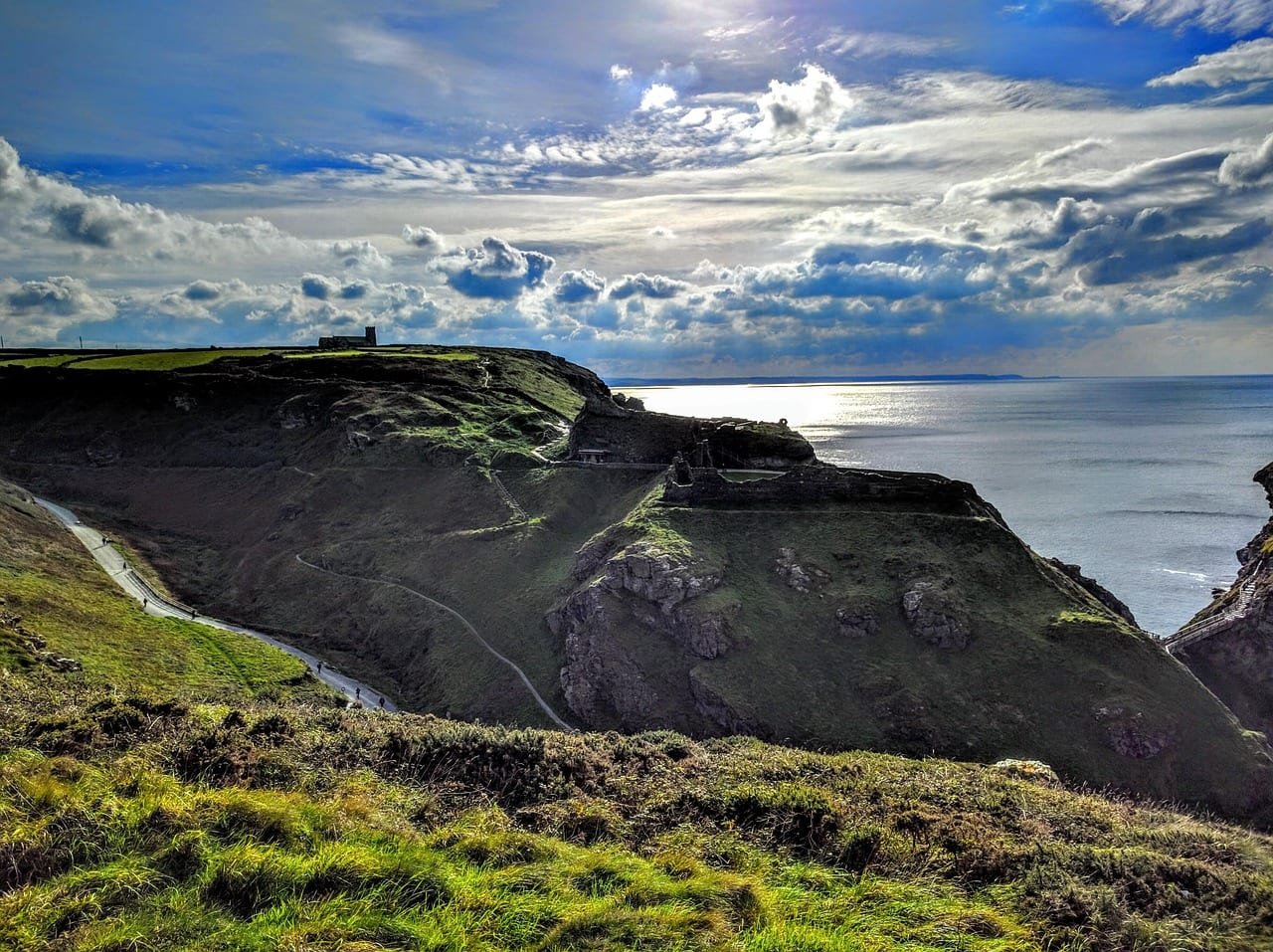
This route works for a first trip by car. Swap days if the weather turns, and check opening times first.
Day 1: Penzance, St Michael's Mount and Marazion
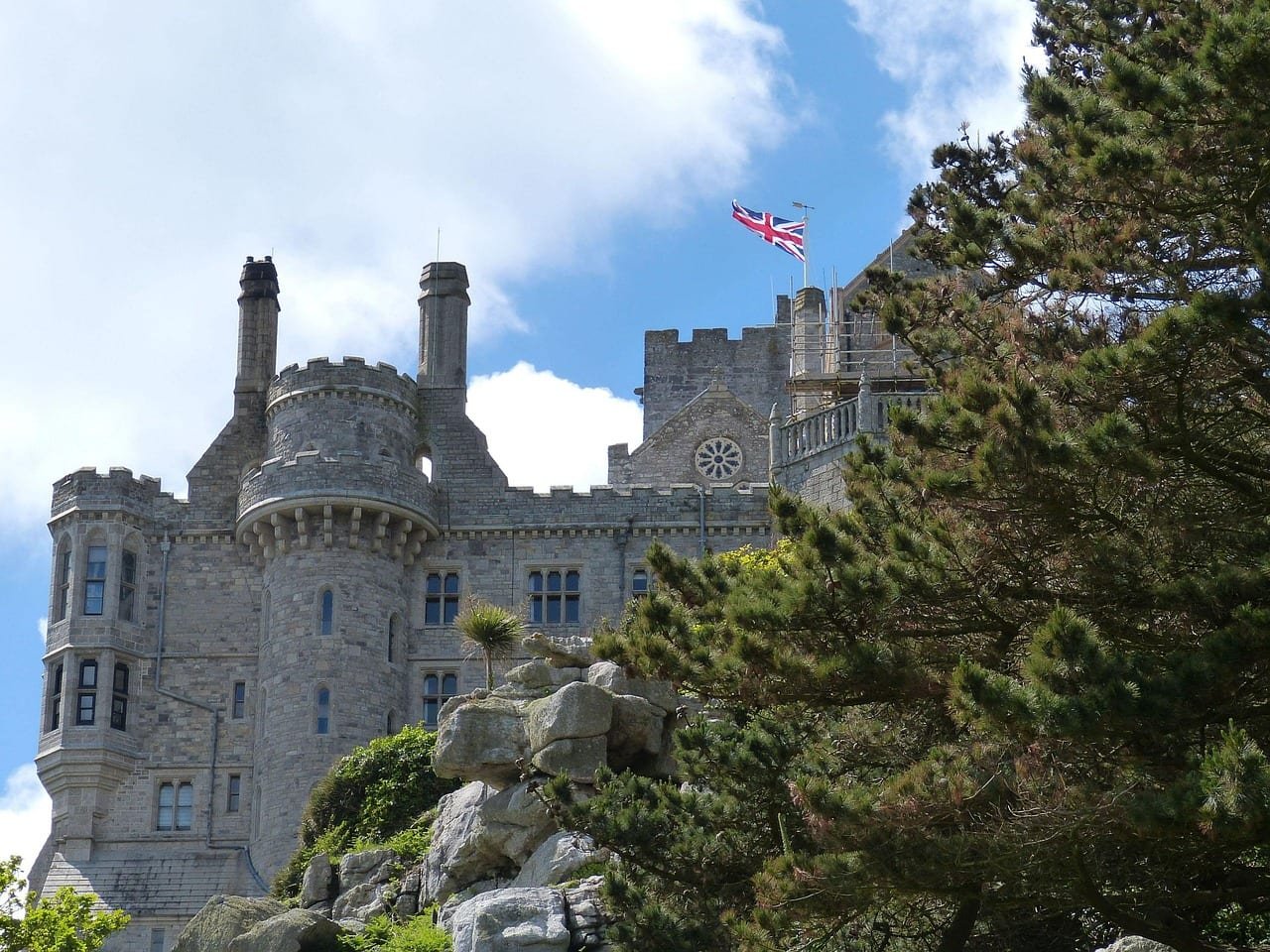
Arrive in west Cornwall, walk the causeway to St Michael's Mount at low tide or take the boat, and eat in Marazion. Spend the evening in Penzance.
Day 2: Land's End, Minack Theatre and Porthcurno

Drive to Land's End early, walk the cliffs to Sennen Cove, then visit the Minack Theatre and Porthcurno Beach in the afternoon.
Day 3: Geevor and St Ives
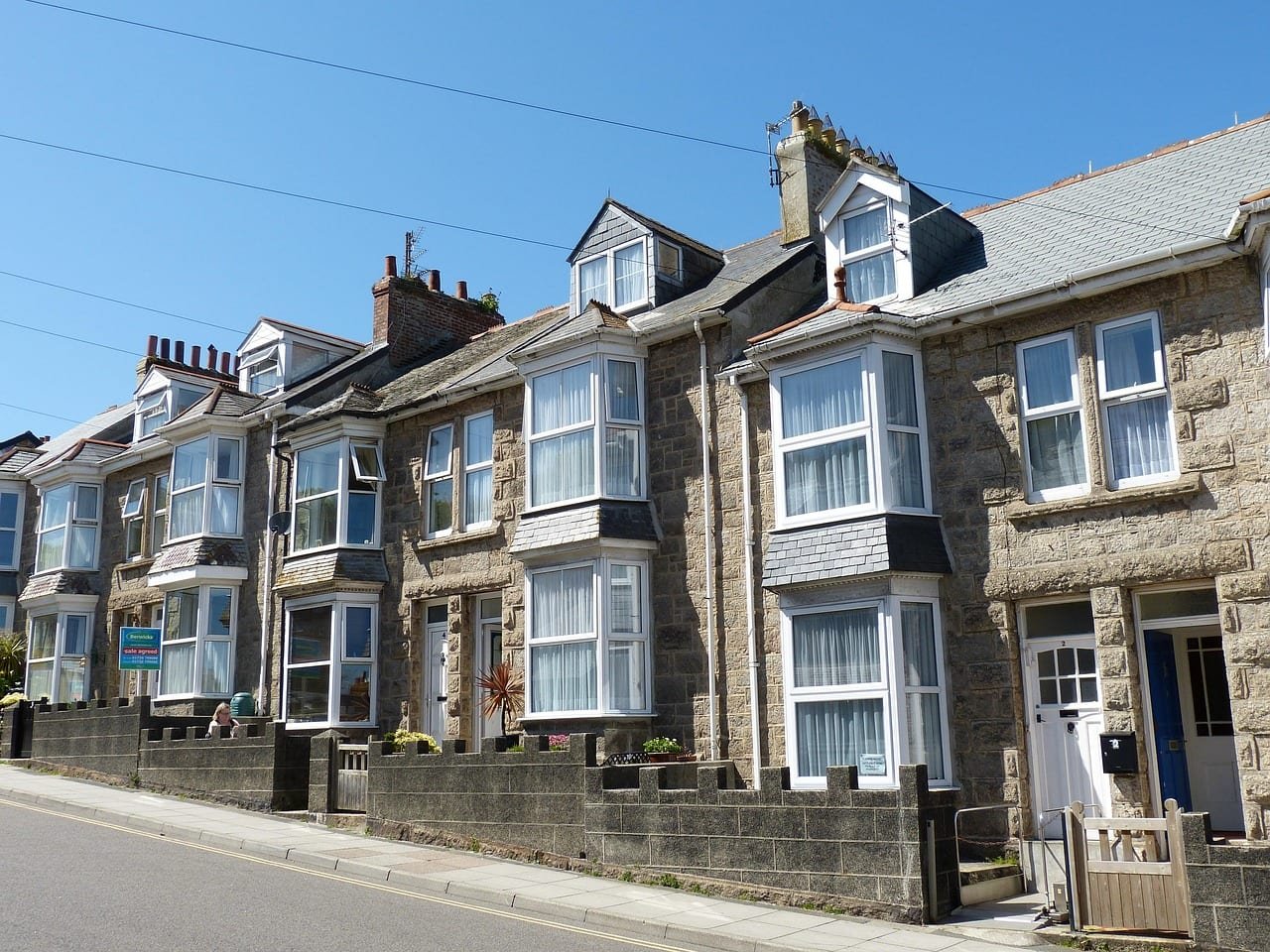
Visit Geevor Tin Mine in the morning and the engine houses at Botallack, then drive to St Ives for the afternoon. See the Tate or the Hepworth Garden, and walk the harbour at sunset.
Day 4: The Lizard, Falmouth and Pendennis Castle
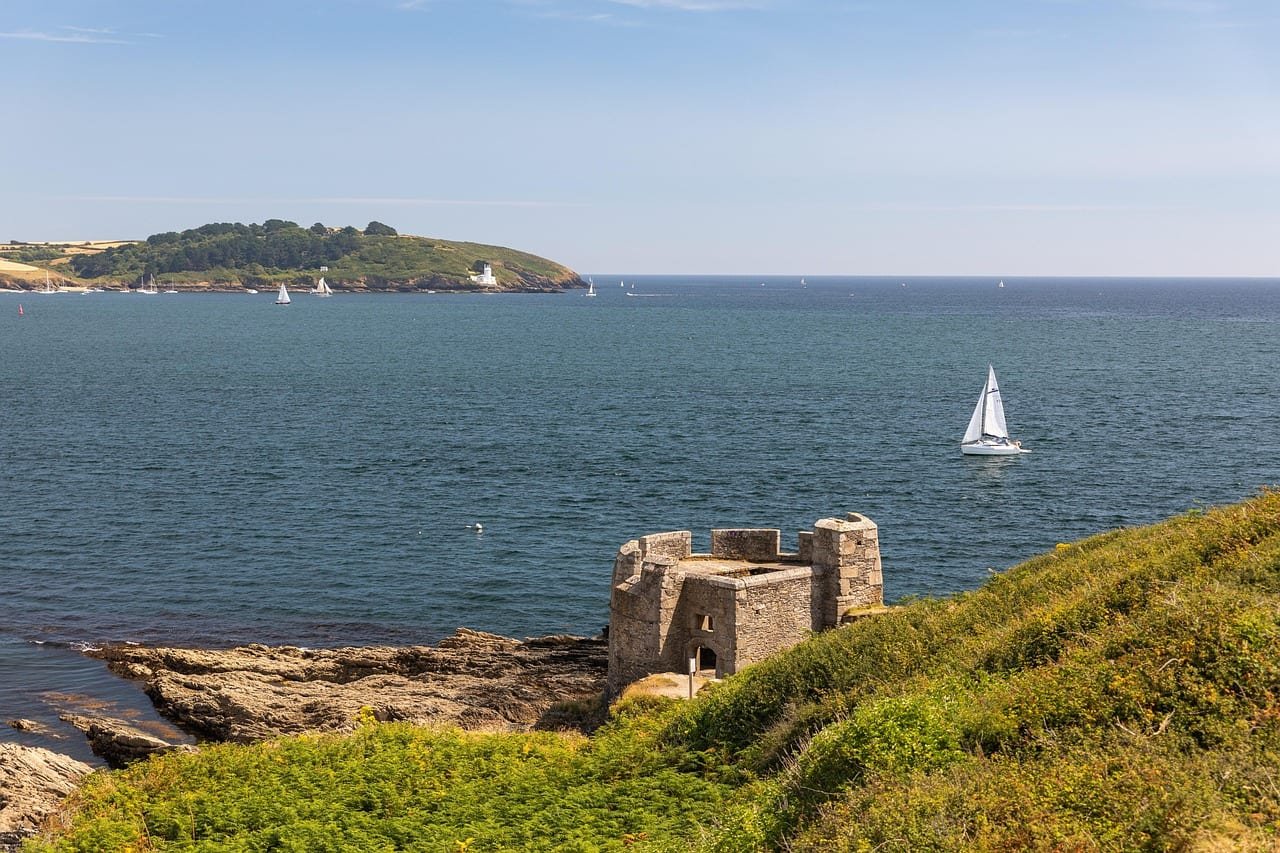
Drive south to Kynance Cove, walk to Lizard Point, then continue to Falmouth for Pendennis Castle and dinner by the harbour.
Day 5: The Eden Project and Tintagel

Spend the morning at the Eden Project, then drive north to Tintagel Castle for late-afternoon light. Stay near Padstow if you can, so the Camel Trail and the harbour are close the next morning.
FAQ: Visiting Cornwall
What are the best things to do in Cornwall for a first visit?
For a first visit, choose St Ives, St Michael's Mount, Land's End, the Eden Project, Tintagel Castle and Padstow. They cover both coasts and mix beaches, history and food. Add Kynance Cove if you have a fifth day.
How many days do you need in Cornwall?
Four days covers the main highlights if you stay in one region. Five to seven days is better, because Cornwall is long and narrow lanes slow driving. Plan two or three bases rather than moving every night.
When is the best time to visit Cornwall?
Late spring and September give the best balance of weather, daylight and fewer crowds. July and August are warmest but busiest, with the highest prices and heavy traffic. Winter is quiet and dramatic, but some attractions close or open fewer days.
Can you visit Cornwall without a car?
Yes, but your options are limited. Trains reach Penzance, Truro, St Austell and Falmouth, and buses link many towns. St Ives has a branch rail line. Remote coves and castles are much easier by car, so choose a base in one town and use local buses.
Is Cornwall expensive to visit?
It can be, mainly in July and August, when lodging and parking cost the most. You can keep costs down by travelling in late spring or September, staying outside St Ives and Padstow, buying National Trust or English Heritage passes if you visit several sites, and eating pasties and fish and chips for lunch.
Is Cornwall worth visiting in winter?
Yes, if you want empty beaches, storm watching and low prices. Expect short days and shorter opening hours, and some attractions or ferries run reduced services. Land's End, St Ives and the Lizard coast are dramatic in rough weather. Check opening times before you drive far.
What food should you try in Cornwall?
Try a Cornish pasty, a cream tea with jam first, fresh seafood in Padstow or Falmouth, and a saffron bun from a local bakery. Fish and chips by the harbour is also worth doing at least once.