Best Time to Travel to Germany: Quick Answer

The best time to travel to Germany for fall experiences is late September through October, when temperatures sit between 10°C and 18°C (50°F–64°F), tourist numbers drop after the summer rush, and the landscapes turn gold and crimson. This window captures Oktoberfest in Munich, wine harvest festivals along the Rhine and Mosel, and peak foliage in the Bavarian Alps and Black Forest. You get comfortable sightseeing weather, lower accommodation prices than summer, and a calendar packed with seasonal events. Below you'll find seven specific bucket-list experiences timed to this window, plus a practical three-day itinerary, where-to-stay guidance, and transport tips.
Germany on Wikipedia provides a solid geographic overview if you're mapping your route for the first time.
Free Germany trip checklist
Get the printable itinerary outline and packing checklist for Germany, sent straight to your inbox.
No spam. One email with your checklist.
7 Fall Bucket List Experiences in Germany
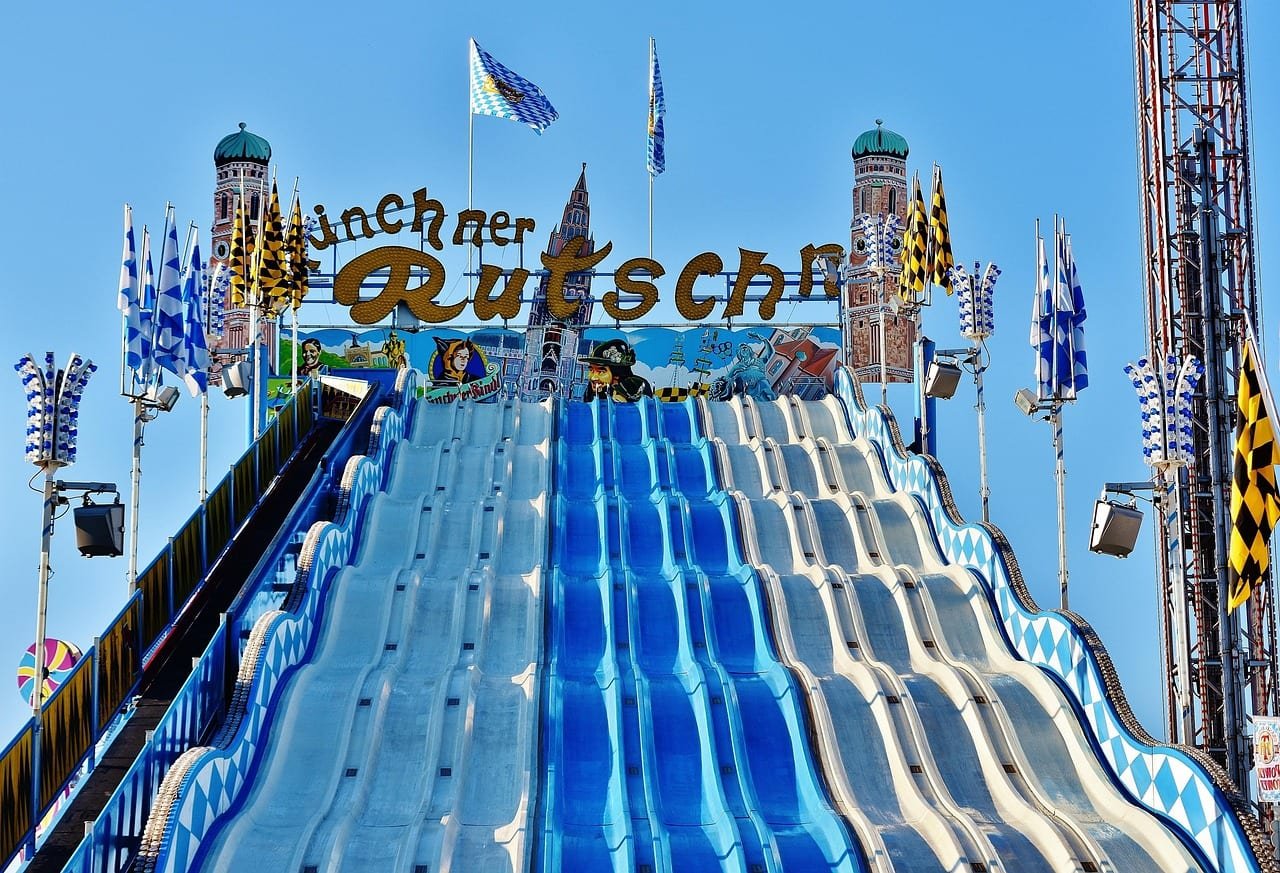
These seven experiences are sequenced to follow the natural rhythm of a German autumn, starting with the biggest festival and ending with quiet forest trails. Each one includes the practical detail you need to slot it into a real itinerary.
1Oktoberfest in Munich (Late September – First Weekend October)

The world's largest folk festival runs 16–18 days, ending the first Sunday in October. Arrive before 10 AM on a weekday to snag a seat without a reservation; weekends require booking tables months ahead. A liter of Märzen costs roughly €13–€14 (2024 prices), and a half-chicken runs about €15. Wear sturdy shoes, the Theresienwiese grounds are vast and the beer tents are crowded. If you want the full fall vibe without the crush, visit the smaller Herbstfest on the same grounds two weeks later.
2Rhine Valley Wine Festivals (Weekends in September–October)

Towns like Rüdesheim, Bacharach, and Cochem host weekend Weinlesefeste celebrating the grape harvest. You'll taste Federweißer (partially fermented new wine) with Zwiebelkuchen (onion tart) at pop-up stalls along the promenade. Trains run every 30 minutes from Mainz or Koblenz; a Rheinland-Pfalz Ticket (€26 for one person, +€8 per extra traveler) covers unlimited regional rides for a day. Stay in a family-run Weingut (winery guesthouse) for €80–€120 per night including breakfast.
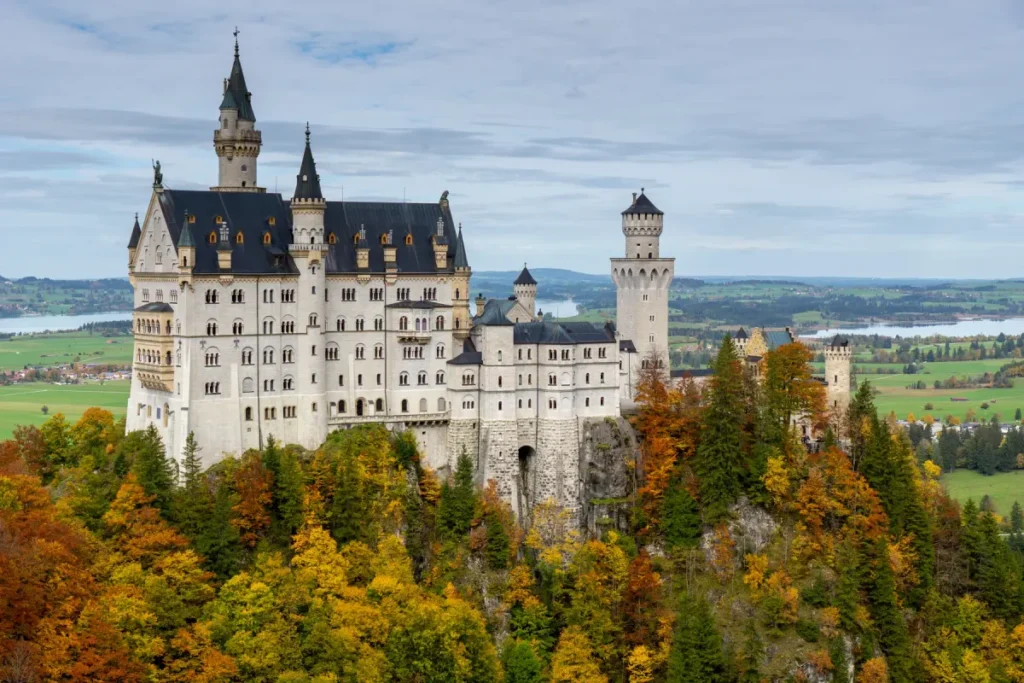
3Neuschwanstein Castle at Sunrise (Late September – Mid-October)

The iconic castle frames perfectly against autumn-colored Tegelberg forests. Take the 7:15 AM regional train from Munich to Füssen (2 hours), then bus 73 or 78 to Hohenschwangau. Walk 30 minutes uphill or book the horse-drawn carriage (€8 uphill). Reserve your timed-entry ticket online at ticket-center-hohenschwangau.de at least two days ahead, walk-ups are rare in fall. The Marienbrücke bridge offers the classic postcard shot; go early to avoid the 10 AM tour bus wave.
4Black Forest Hiking & Thermal Baths (October)

The Westweg long-distance trail shows peak beech and oak color in mid-October. A manageable day section: Titisee to Feldberg summit (12 km, 4–5 hours) with panoramic Alpine views on clear days. Afterward, soak in the Badeparadies Schwarzwald thermal complex at Titisee (€32 for 3 hours). Stay in a Gasthaus in Hinterzarten (€90–€130 half-board) to access trails directly. Pack layers, summit temps can sit near freezing while valleys hit 15°C.
5Romantic Road Timber-Framed Towns (Late September – October)

Rothenburg ob der Tauber, Dinkelsbühl, and Nördlingen glow in low autumn light with half the summer crowds. Walk Rothenburg's walls at 6 PM for golden-hour photos without tour groups. The Rothenburg ob der Tauber guide: 7 details the best photo alleys and where to eat Schneeballen pastries. Drive the 350 km route over 3–4 nights; park outside old towns (€5–€8/day) and walk. Many hotels offer fall packages with breakfast and a regional dinner for €110–€160.
6Mosel River Steep-Slope Vineyards (Early–Mid October)

The Mosel's slate terraces turn amber early. Base yourself in Cochem or Bernkastel-Kues; take the passenger ferry (€2–€3) between villages instead of driving narrow roads. Hike the Calmont Klettersteig (via ferrata) near Bremm for dramatic river bends, 2 hours round-trip, fixed cables, sure footing needed. Evening wine tastings at family estates cost €15–€25 for 5–6 pours; book directly via the winery website.
7Hamburg Harbor & Speicherstadt in Mist (Late October)

Northern Germany's fall arrives later. Early morning fog drapes the UNESCO Speicherstadt warehouse district and the Elbphilharmonie. Take the 62 harbor ferry (€3.80 with HVV day ticket) from Landungsbrücken for a 50-minute loop past container terminals and the historic Rickmer Rickmers ship. Warm up with Labskaus (corned beef mash) at a HafenCity restaurant (€18–€22). The Munich in Fall: Best Things to Do (2026 Guide) contrasts southern and northern autumn vibes if you're debating regions.
Best Photo Spots & Scenic Views
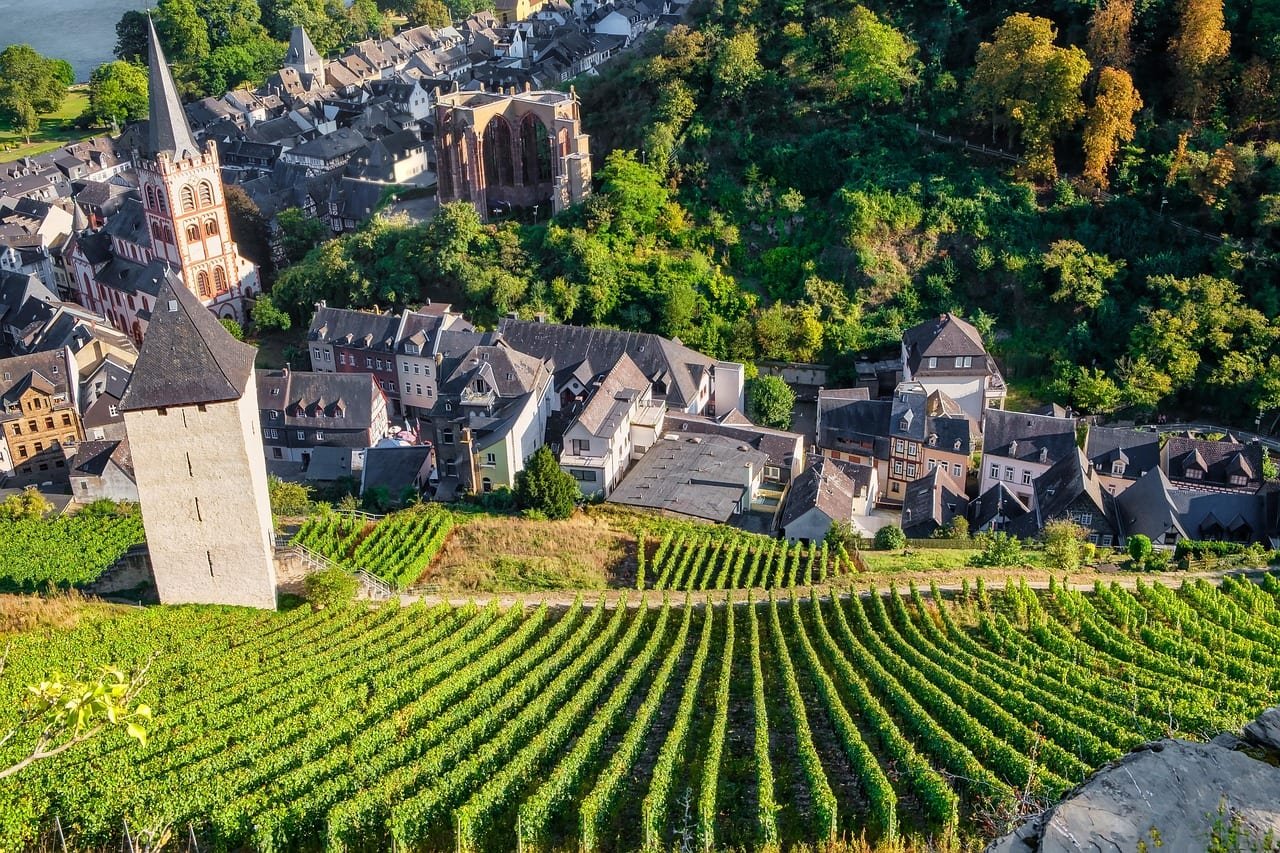
Autumn light in Germany is soft, directional, and fleeting, plan your shots around these three locations for the highest payoff.
Marienbrücke at Neuschwanstein (7:30–8:30 AM): The bridge spans the Pöllat Gorge directly opposite the castle. In late September, mist often fills the valley below while the castle catches first light. A 24 mm lens on full frame captures the full span; a 70–200 mm compresses the towers against the Alps. Tripods are allowed on the bridge but not on the castle grounds.
Rheinstein Castle Viewpoint near Trechtingshausen (Golden Hour): A short steep climb from the B9 road yields a sweeping Rhine bend with vineyards stepping down to the water. The castle itself is privately owned but the viewpoint is public. Arrive 45 minutes before sunset; the west-facing aspect lights the vines gold. Parking is free at the small lot 200 m downhill.
Feldberg Summit Tower, Black Forest (Midday for Panoramas, Dawn for Mist): The 1,493 m summit has a 360° observation tower (€2 entry). On clear October days you see the Alps 150 km south. For mist shots, hike up from Feldberg-Bärental (1.5 hours) before sunrise, the temperature inversion traps cloud in the valleys while the peak stays clear. Bring a headlamp and warm layers; the wind chill at dawn can drop below 0°C.
Where to Stay in Germany for Fall

Match your base to the experience you prioritize; fall availability is good but weekends at festival-adjacent towns book early.
Munich (Oktoberfest & Alps Access): Stay near Hauptbahnhof or Isartor for train connections to Füssen and the Romantic Road. Mid-range: Hotel Torbräu (€180–€250/night in fall) offers a quiet courtyard and included breakfast. Budget: Wombats City Hostel (€45–€70 dorm, €120–€160 private) has a lively bar and kitchen. Book by July for Oktoberfest dates.
Rothenburg ob der Tauber (Romantic Road Hub): Inside the walls: Hotel Eisenhut (€200–€280) in a 16th-century patrician house. Outside walls: Gasthaus Lamm (€90–€130) with parking and a Franconian restaurant. Both walk to the Marktplatz in 5 minutes.
Titisee / Hinterzarten (Black Forest Trails & Baths): Hotel Vier Jahreszeiten am Schluchsee (€140–€200 half-board) sits lakeside with spa access. For hikers: Berghotel Menzenschwand (€100–€140) at 1,000 m elevation puts you on the Westweg immediately.
Cochem / Bernkastel-Kues (Mosel Wine & Castles): Weingut Dr. Frey (€110–€160 B&B) in Bernkastel offers cellar tastings downstairs. Hotel Kessler-Meyer (€130–€190) in Cochem has a terrace overlooking the Reichsburg castle. Both provide bike rentals (€15/day) for vineyard paths.
Hamburg (Harbor & City Culture): 25hours Hotel HafenCity (€160–€230) has circular windows framing the Elbe. Budget: A&O Hamburg Hauptbahnhof (€40–€65 dorm, €100–€140 private) with direct S-Bahn to the airport.
Pro tip: Many German hotels drop prices 15–20% after October 15 once school holidays end. Check cancellation policies, flexible rates cost €10–€20 more but let you shift dates if the weather forecast turns wet.
Best Time to Visit Germany & How Many Days to Plan: Best Time to Travel to Germany

Germany's fall splits into three micro-seasons, each with distinct trade-offs. The table below summarizes the practical differences.
| Period | Weather | Crowds | Price Level | Key Events |
|---|---|---|---|---|
| Early Sep | 15–22°C, dry | Moderate | High (summer tail) | Berlin Art Week, Stuttgart Wine Village |
| Late Sep – Mid Oct | 10–18°C, crisp | Low–Moderate | Medium | Oktoberfest, Weinlesefeste, peak foliage South |
| Late Oct – Early Nov | 5–12°C, damp | Low | Low (pre-Christmas) | Hamburg fog, Mosel late harvest, fewer hours |
How many days?
- 7 days: Munich (2) → Romantic Road (2) → Black Forest (2) → travel buffer (1). Fast but doable.
- 10 days: Add Mosel (2) or Hamburg (2) for a north–south arc.
- 14 days: Full grand tour including Berlin, Dresden, and the Baltic coast.
The best season to visit germany for a first-timer wanting the classic fall postcard is the late September to mid-October window. You hit comfortable temperatures, maximum festival density, and reliable train schedules before the November timetable change. If your priority is wine and quiet villages, shift to mid-October through early November, the Mosel and Rheingau are emptier, and Federweißer flows until All Saints' Day (November 1).
Check the German National Tourist Board for real-time event calendars and any regional transport strikes before you book.
Getting There & Getting Around Germany

Most international travelers land at Frankfurt (FRA) or Munich (MUC). Frankfurt is Europe's busiest hub with direct trains to the city center (15 min, €5.90) and ICE connections to every region. Munich's S-Bahn reaches Marienplatz in 40 minutes (€11.60). Berlin Brandenburg (BER) works well if you start north.
Train strategy: The Deutschland-Ticket (€49/month) covers all regional (RE, RB, S-Bahn) and city transport nationwide, ideal for 7+ day trips with multiple day hops. For 3–5 days, buy single Länder-Tickets (€26–€36 per day for one person, +€8 per extra traveler up to 5) valid on regional trains after 9 AM on weekdays, all day weekends. ICE/IC long-distance trains need separate reservations; book 2–3 months ahead for €19.90–€29.90 saver fares.
Car rental: Makes sense for the Romantic Road, Black Forest, and Mosel where trains are slow or indirect. Compact automatic: €40–€60/day in fall (vs. €80+ in summer). Book via Sixt, Europcar, or Billiger-Mietwagen.de. Most rentals include unlimited km; check vignette requirements for Austria if you detour to Salzburg. Parking in old towns: use P+R lots (€5–€10/day) and walk or bus in.
Domestic flights: Rarely worth it for fall distances, train city-center-to-city-center beats airport security + transfer time. Exception: Munich to Hamburg (1h 15m) if you're tight on days.
Local transit: Every city has a Tageskarte (day ticket) for U-Bahn, tram, bus. Munich: €8.80 inner zone. Berlin: €9.00 AB zones. Hamburg: €8.60 HVV day ticket (includes harbor ferries). Validate paper tickets in the red/blue boxes on platforms, fines are €60.
Mistakes to avoid:
- Buying a Eurail Germany Pass, it's almost always more expensive than the Deutschland-Ticket or Länder-Tickets for residents and non-residents alike.
- Assuming all trains accept bikes, regional trains do (free with Deutschland-Ticket, €5/day otherwise), but ICE requires a €9 reservation and limited slots.
- Skipping travel insurance, Deutsche Bahn strikes happen; a policy covering transport delay pays for last-minute hotel nights.
- Forgetting cash, many village bakeries, wine stands, and Christmas market stalls take only cash (EC/Girocard preferred, some take Visa/Mastercard).
- Overpacking formal wear, Germans dress casually even at nice restaurants; smart-casual (dark jeans, merino sweater, clean sneakers) fits everywhere.
3-Day Germany Fall Itinerary

This route assumes you fly into Munich and out of Frankfurt, covering the highest-density fall experiences in 72 hours. Adjust start times based on your arrival.
Day 1: Munich & the Alps

Morning: Land by 9 AM, store luggage at Hauptbahnhof (€5–€7/day). Take the 10:15 AM direct RE train to Füssen (1h 58m). Bus 73 to Hohenschwangau (10 min). Walk to Marienbrücke for the 11:30 AM light on Neuschwanstein, 45 minutes for photos and the bridge crossing.
Lunch: Gasthof am See in Schwangau (€15–€20 for Käsespätzle salad).
Afternoon: Return to Munich by 3 PM. Check in, freshen up. Walk the Englischer Garten to the Chinesischer Turm beer garden (open until 10 PM in fall) for a Maß and pretzel, €13 + €4. Evening: Early dinner at Augustiner-Keller (reserve 6 PM) for Schweinshaxe (€18).
Day 2: Romantic Road to Rothenburg
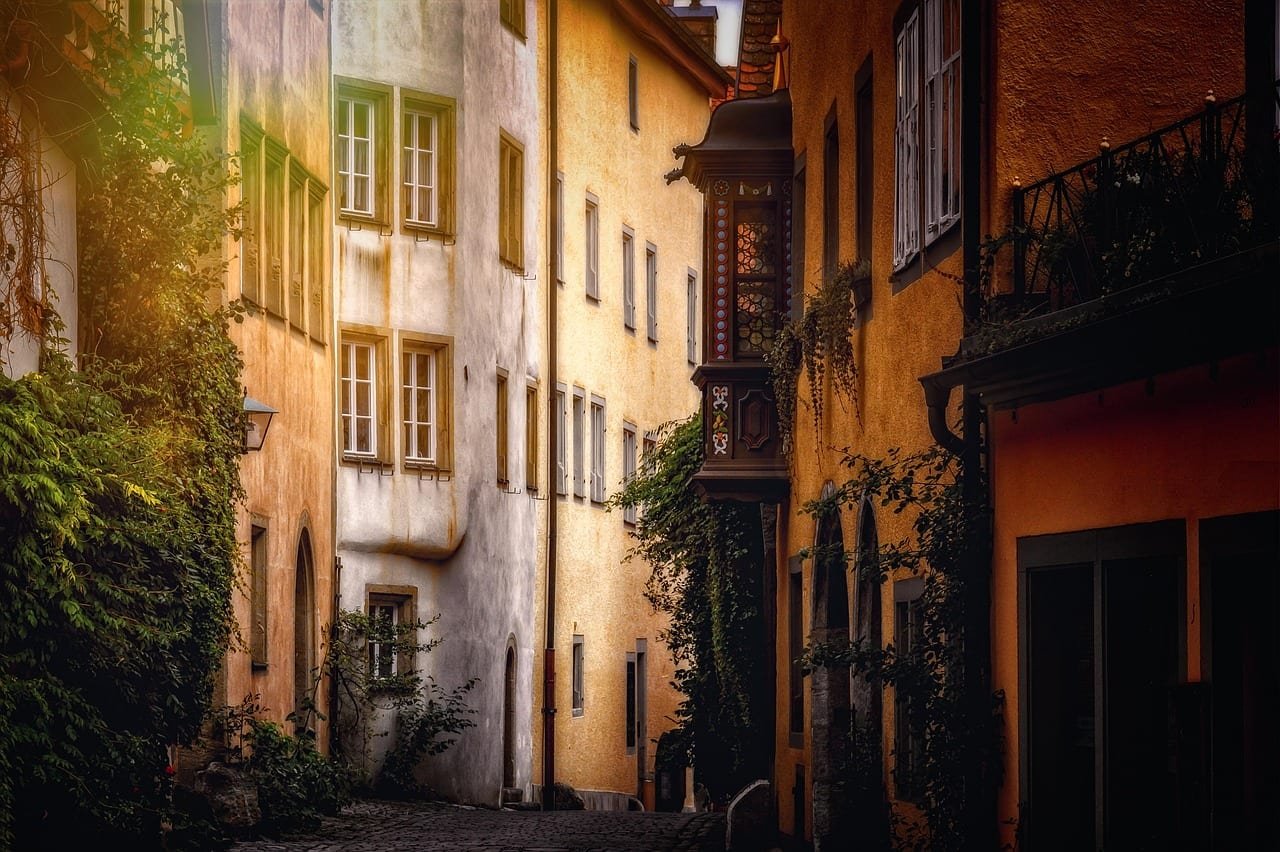
Morning: Pick up rental car at Munich Hbf (8 AM). Drive 2h 15m via A7 to Rothenburg ob der Tauber. Park at P2 (€6/day). Walk the walls clockwise from Rödertor, 40 minutes for the full loop with towers.
Lunch: Reichsküchenmeister (€20–€25 for Franconian tasting plate).
Afternoon: Visit the Medieval Crime Museum (€7, 1 hour) or Käthe Wohlfahrt Christmas shop (year-round). Coffee and Schneeballen at Café Einzig (€6). Depart 4 PM, drive 1h 40m to Heidelberg. Check in, sunset walk on the Alte Brücke (Old Bridge) for castle reflections.
Dinner: Vetter's Alt Heidelberger Brauhaus (€22 for Vetter 33 strong beer + plate).
Day 3: Rhine Valley & Frankfurt Departure

Morning: Train from Heidelberg Hbf to Bacharach (1h 10m, change Mainz). Walk the vineyard trail to Stahleck Castle youth hostel (30 min uphill) for Rhine panorama. Descend, explore Bacharach's half-timbered lanes.
Lunch: Weingut Toni Jost (€25 for tasting + Flammkuchen).
Afternoon: Train Bacharach → Frankfurt Hbf (1h direct). Store bags at station (€6). S-Bahn to Flughafen (15 min) for evening flight. If time allows, detour to Römerberg square in Frankfurt Altstadt for a final Apfelwein (€4).
Packing essentials for this pace: Waterproof shell, merino base layers, 30 L daypack, universal plug adapter (Type F), portable power bank (cold kills phone batteries), reusable water bottle (tap water is excellent everywhere).
FAQ

What is the best month to visit Germany in autumn?
October is the single best month, specifically the second and third weeks. You catch peak foliage in the Alps and Black Forest, the tail end of Oktoberfest (first weekend), wine harvest festivals every weekend along the Rhine and Mosel, and daytime highs around 14°C (57°F) with minimal rain statistically. November brings earlier darkness (sunset ~4:45 PM) and damp chill.
What is the cheapest time to visit Germany in fall?
Late October through mid-November. Hotel rates drop 20–30% after the autumn school holidays (Herbstferien) end, usually around October 25. Regional trains run the same frequency. The trade-off: shorter days, higher rain chance, and most outdoor festivals have ended except late wine events.
Is Germany worth visiting in winter for the Christmas markets?
Yes, if you prioritize atmosphere over outdoor hiking. Markets open the last Monday in November and run through December 23. Nuremberg, Dresden, and Cologne draw the biggest crowds; smaller towns like Quedlinburg or Esslingen feel more authentic. Book hotels by September, prices triple in December. Pack thermal layers; temperatures often sit at -2°C to 4°C (28–39°F).