Morocco Holiday Guide: Quick Answer for Fall Travelers

A Morocco holiday guide built for autumn shows you exactly where to go when temperatures drop to the 20s °C (70s °F) and the summer crowds vanish. You get eight hand-picked fall experiences, from a Sahara sunrise camel trek to a blue-alley photo walk in Chefchaouen, plus a three-day route that links Marrakech, the High Atlas, and the desert without backtracking. Expect daily costs of roughly 600–1,000 MAD ($60–$100) for mid-range comfort, easy train connections between major cities, and a packing list that balances warm days with chilly desert nights. Check the official Morocco tourism site for current visa rules and the UK Foreign Office travel advice for safety updates before you book.
Free Morocco trip checklist
Get the printable itinerary outline and packing checklist for Morocco, sent straight to your inbox.
No spam. One email with your checklist.
8 Fall Bucket List Experiences from This Morocco Holiday Guide

1Sunrise Camel Trek in Erg Chebbi Dunes
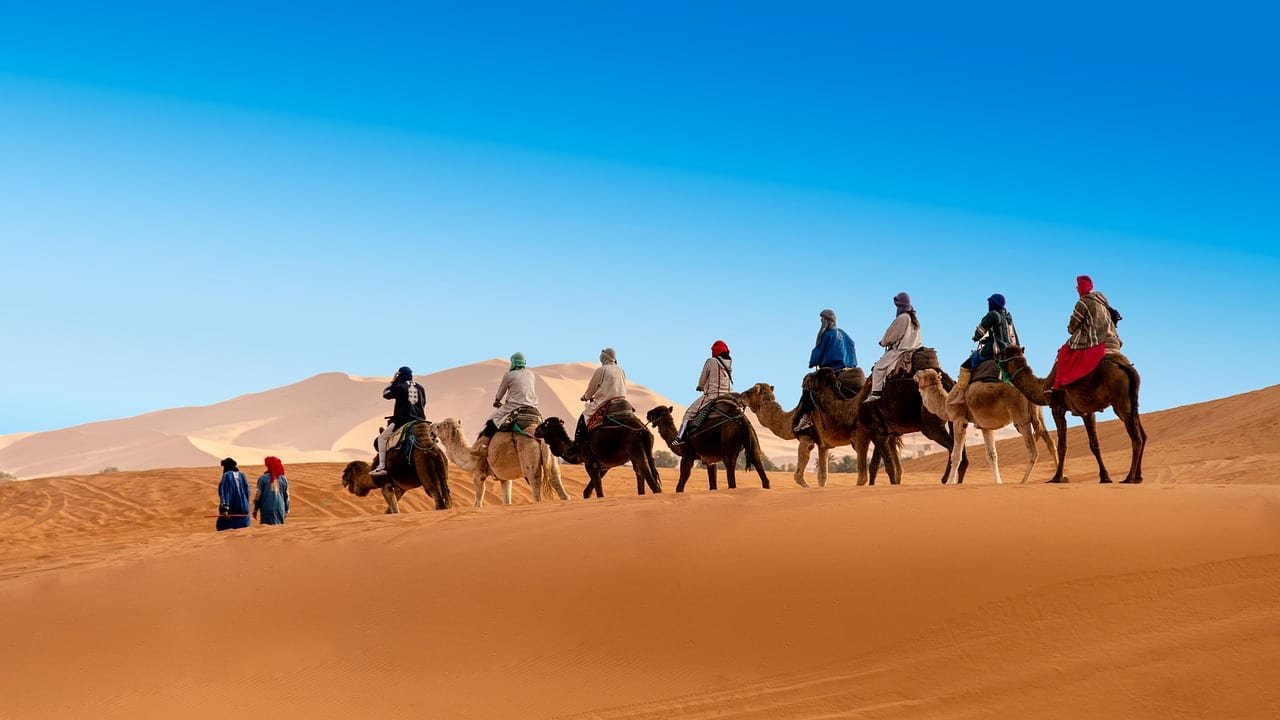
Wake at 5:30 a.m. in Merzouga, climb onto a camel, and ride 45 minutes into the dunes to watch the first light turn the sand rose-gold. Most camps charge 300–500 MAD ($30–$50) per person including dinner, breakfast, and the return ride. Book a camp with private tents and real bathrooms (like Merzouga Luxury Desert Camp) to avoid the shared-facility surprise. Allow two full days: one for the trek in, one for the 4×4 return via the fossil beds of Erfoud.
2Blue-Alley Photography Walk in Chefchaouen

Arrive by 8 a.m. before day-trippers from Tangier flood the medina. The iconic blue streets, Rue Outta Hammam, Rue Sidi Ahmed Tazi, and the Spanish Mosque trail, glow in soft morning light. A local guide (150 MAD/hour) unlocks rooftop terraces for aerial shots. Stay overnight in a medina riad (Dar Echchaouen averages 800 MAD) to catch the empty alleys at dusk. The Chefchaouen travel guide: 7 Best Summer Spots (2026 Guide) covers summer specifics, but fall cuts the crowds in half.
3High Atlas Hike: Imlil to Aroumd Village

Drive 90 minutes from Marrakech to Imlil (1,740 m), then hike 2.5 hours on a mule track to Aroumd (1,950 m) through walnut groves and terraced fields. Daytime highs hit 22 °C (72 °F) in October; nights drop to 5 °C (41 °F). Hire a certified guide at the Imlil depot (200 MAD/day), mandatory for Toubkal National Park entry. Pack layers, 2 L water, and cash for the Aroumd guesthouse lunch (tagine, bread, mint tea ≈ 80 MAD).
4Fes Medina Deep Dive with a Crafts Focus
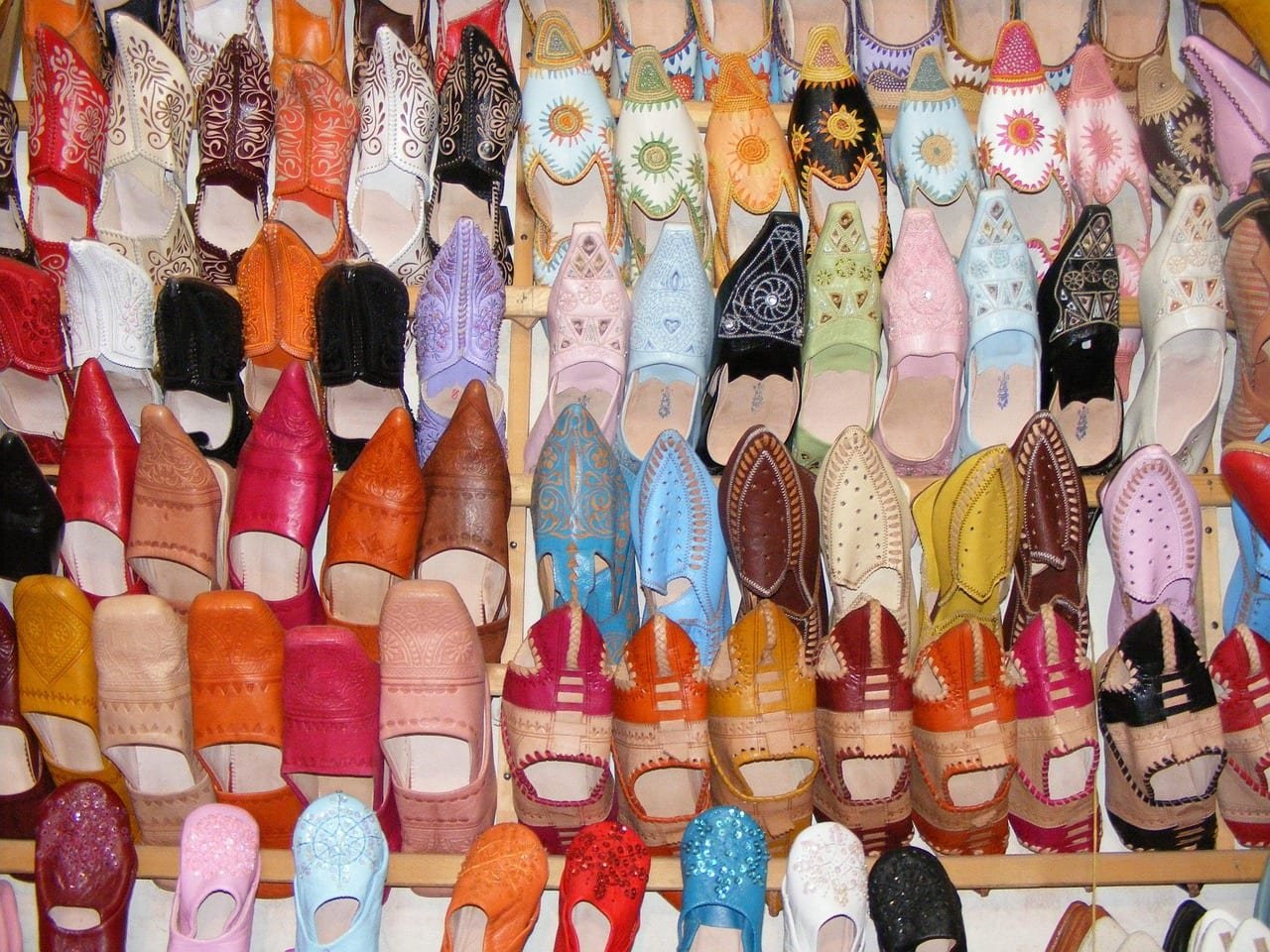
Spend a full day (9 a.m.–5 p.m.) navigating the 9,000 alleys of Fes el-Bali with a specialist guide (300 MAD) who unlocks the Chouara Tannery viewing terraces, the Seffarine copper square, and the Nejjarine woodworking museum. Wear closed shoes, the tannery area smells strong and floors are slick. Lunch at Cafe Clock (camel burger, 120 MAD) supports local literacy projects. The medina gates close to cars at sunset; plan your exit.
5Essaouira Ramparts Sunset & Fresh Seafood

Take the 3-hour Supratours bus from Marrakech (110 MAD) to this Atlantic port. Walk the 18th-century Skala de la Ville ramparts at 6:30 p.m. for the cannon-line silhouette against the setting sun. Dinner at the port grills: pick your fish (sardines, sea bream, lobster) by weight, pay ~150 MAD/kg cooked with chermoula. Stay in a medina riad (Riad Dar Maya ≈ 1,000 MAD) to hear the Gnawa music drifting from Bab Marrakech square after dark.
6Ait Benhaddou Kasbah at Golden Hour

The UNESCO ksar 30 km from Ouarzazate opens at 8 a.m., but the magic hour is 5:30–6:30 p.m. when the mud-brick walls burn amber. Cross the river on the footbridge (5 MAD) for the classic wide shot. A local guide (100 MAD) explains the granary, the mosque, and the film sets (Gladiator, Game of Thrones). The Ben Rector Tour: 5 Essential Ait Ben details a full-day loop from Ouarzazate including the Atlas Film Studios.
7Todra Gorge Rock-Corridor Walk
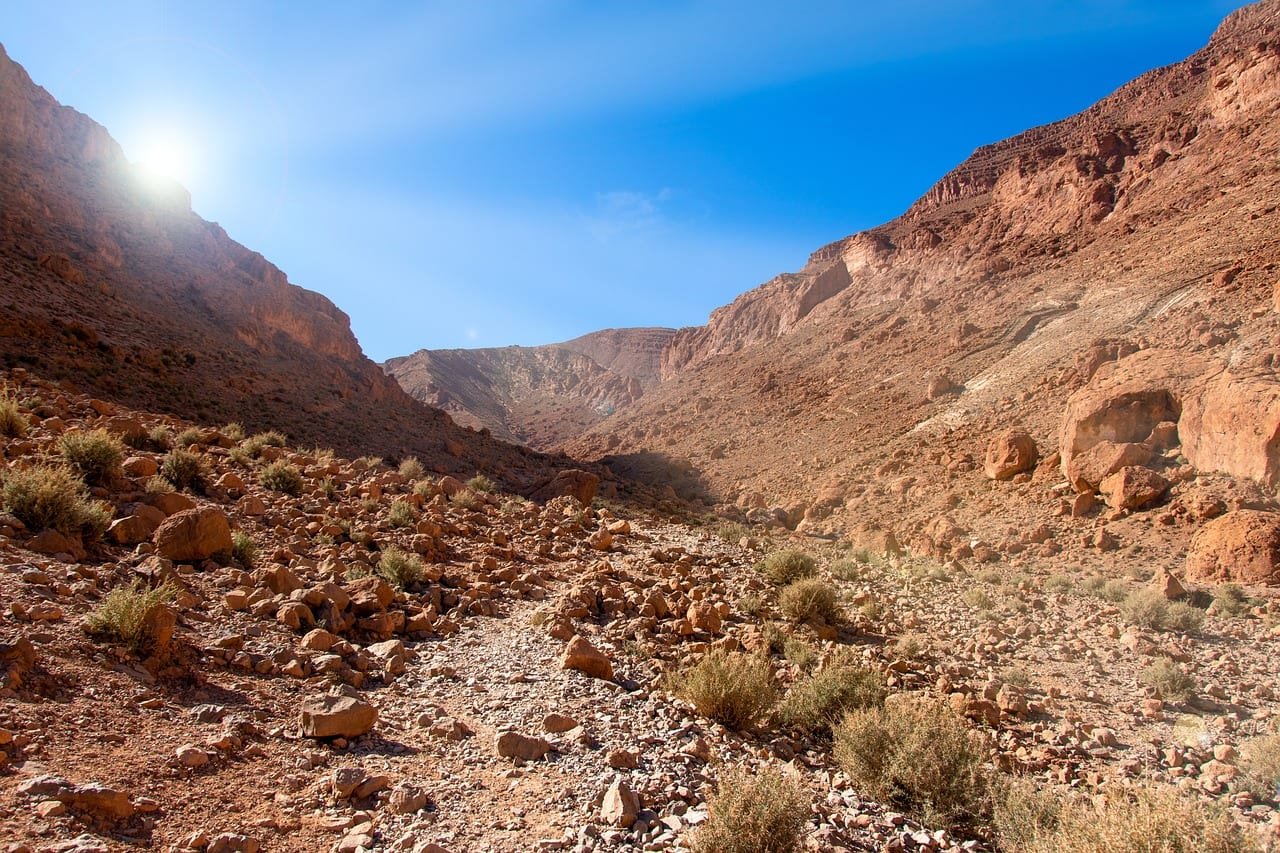
Drive the Dades Valley road (N10) to Tinghir, then 15 km up the gorge to the 300 m limestone walls that narrow to 10 m. A flat 1 km walk takes 30 minutes each way; climbers rent gear in Tinghir. October temps sit at 25 °C (77 °F), ideal for the via ferrata (200 MAD half-day with guide). Sleep at Auberge Le Festival (600 MAD half-board) to catch the morning light on the cliffs.
8Marrakech Jemaa el-Fna Night Market Immersion
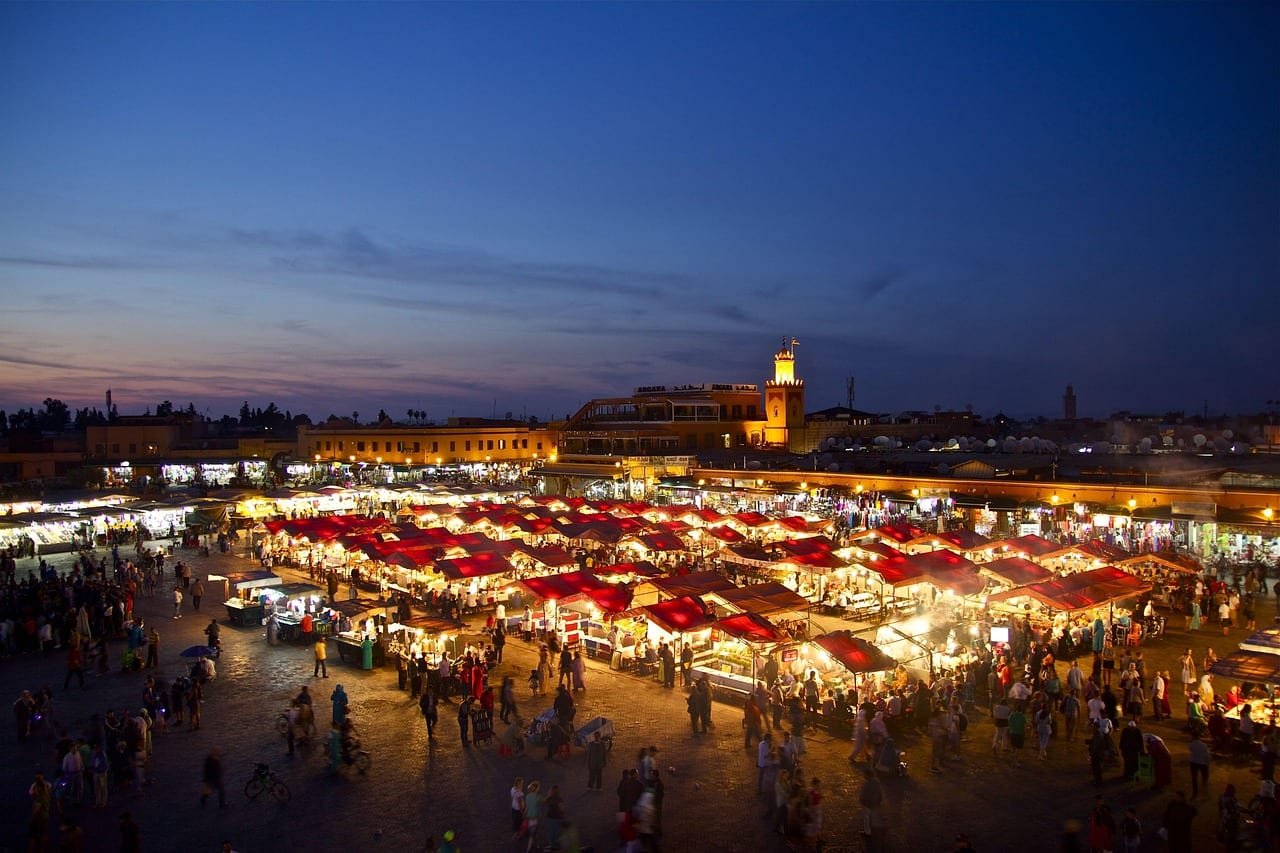
Arrive at 7 p.m. when the smoke rises from 100+ food stalls. Order snail soup (15 MAD), grilled sardines (30 MAD), and fresh orange juice (10 MAD) from stall #14 (Haj Mohamed, consistent quality). Storytellers, Gnawa troupes, and snake charmers perform in rotating circles. Stay in a Riad near Bab Doukkala (Riad Kniza ≈ 2,500 MAD) for a 5-minute walk home. The Marrakech in Summer: Best Experiences (2026 Guide) contrasts the summer heat; fall evenings are pleasantly cool.
Best Photo Spots & Scenic Views in Morocco This Fall

Three locations deliver the highest visual payoff for the least effort in autumn light. First, the Spanish Mosque trail above Chefchaouen: a 20-minute uphill walk from the medina's east gate yields a panoramic frame of the blue city cascading down the Rif foothills, best at 7:30 a.m. when shadows stretch long. Second, the Dades Gorge hairpin bends (the "Monkey Fingers"): pull off at the designated viewpoint 12 km before Boumalne Dades; the road snakes through ochre cliffs that glow at 6 p.m. Third, the rooftop of Cafe Clock in Fes: climb the narrow stairs for a bird's-eye view of the medina's green-tiled mosques and the distant Middle Atlas peaks, order a camel burger and shoot through the late-afternoon haze. All three require zero permits, zero fees, and fit into a standard driving route between Marrakech, Fes, and the desert.
For more background on the area, see Morocco on Wikipedia.
Where to Stay in Morocco: Areas & Budget Tiers

Match your base to the experience you prioritize. In Marrakech, the medina near Bab Doukkala puts you 5 minutes from Jemaa el-Fna but keeps night noise manageable; riads run 800–2,500 MAD ($80–$250). Gueliz (the modern district) offers chain hotels at 600–1,200 MAD and easier parking for rental cars. In Fes, stay inside Fes el-Bali near the Blue Gate (Bab Bou Jeloud) for 700–1,500 MAD, you'll walk everywhere but haul luggage through narrow alleys. Chefchaouen's medina riads (Dar Echchaouen, Lina Ryad & Spa) cluster around 800–1,200 MAD; book 3 months ahead for October weekends. Merzouga desert camps vary wildly: basic Berber tents start at 300 MAD (shared bathrooms), while luxury camps (Merzouga Luxury Desert Camp, Erg Chebbi Luxury Desert Camp) charge 1,500–3,000 MAD for private baths, heating, and 4×4 transfers. Essaouira's medina near the Skala offers sea-breeze riads at 900–1,800 MAD; the newer Quartier France district has apartments at 500 MAD for self-catering. For the High Atlas, Imlil guesthouses (Dar Adrar, Atlas Trekker Lodge) run 400–700 MAD half-board, book directly via WhatsApp for the best rate. Always confirm heating availability for October nights; many riads lack central heat and rely on space heaters.
Best Time to Visit Morocco & Ideal Trip Length

Fall (late September through October) hits the sweet spot: daytime highs of 22–28 °C (72–82 °F) in the cities and desert, crisp nights of 10–15 °C (50–59 °F) in the mountains, and virtually no rain. Spring (March–April) mirrors these temps but draws larger crowds to the imperial cities. Summer (June–August) pushes Marrakech and the desert past 40 °C (104 °F), only the coast stays comfortable. Winter (December–February) brings snow to the High Atlas (great for skiing at Oukaimeden) and rain to the north; desert nights drop below freezing.
| Season | Weather | Crowds | Price Level |
|---|---|---|---|
| Fall (Sep–Oct) | 22–28 °C days, cool nights | Low | Baseline |
| Spring (Mar–Apr) | 20–25 °C, occasional showers | High | +15–20% |
| Summer (Jun–Aug) | 35–45 °C inland, 25 °C coast | Medium | -10% (heat discount) |
| Winter (Dec–Feb) | 15–20 °C days, cold nights | Low | Baseline |
Trip length drives the route. 7 days covers Marrakech → High Atlas → Merzouga → Fes (one-way, no backtrack) at a brisk pace. 10 days adds Essaouira, Chefchaouen, and a second Sahara night. 14 days lets you loop south through the Dades Valley, Todra Gorge, and the Anti-Atlas without rushing. Most first-timers underestimate transit: the Marrakech–Merzouga drive is 9–10 hours with stops; the train Marrakech–Fes takes 7 hours. Build in buffer days.
Getting There & Getting Around Morocco

Fly into Casablanca Mohammed V (CMN) or Marrakech Menara (RAK), both have direct flights from major European hubs (Paris, Madrid, London, Frankfurt) and connecting flights from North America via European carriers. Royal Air Maroc and low-cost carriers (Ryanair, Transavia, EasyJet) serve domestic routes: CMN–RAK (1 hr), CMN–Fes (1 hr 15 min), RAK–Ouarzazate (45 min). Book domestic legs 4–6 weeks ahead for fares under 800 MAD.
Trains (ONCF) are the backbone: the Al Boraq high-speed line links Tangier–Kenitra–Rabat–Casablanca in 2 hrs 10 min; conventional trains connect Casablanca–Rabat–Fes–Marrakech (7 hrs). First class (1re classe) costs ~250 MAD Casablanca–Marrakech; second class ~150 MAD. Reserve seats online at oncf.ma or at station machines.
Buses fill the gaps: CTM and Supratours (ONCF subsidiary) run reliable, air-conditioned coaches to Essaouira, Chefchaouen, Ouarzazate, Merzouga, and the Dades Valley. Marrakech–Essaouira: 3 hrs, 110 MAD. Marrakech–Merzouga: 10 hrs, 250 MAD (overnight bus saves a hotel night). Buy tickets at bus stations or via ctmbus.ma.
Grand taxis (shared Mercedes sedans, 6 passengers) operate fixed routes between towns not served by bus, e.g., Tinghir–Todra Gorge (20 MAD/person), Ouarzazate–Ait Benhaddou (30 MAD). Petit taxis (metered, 3 passengers max) work inside cities; insist on the meter or agree a price before moving. For the desert and mountain legs, a private 4×4 with driver (1,200–1,800 MAD/day including fuel, driver meals, and accommodation) is the standard choice, book through a reputable agency (Morocco Excursions, Desert Majesty) and confirm the vehicle has A/C and insurance. Rental cars (Hertz, Europcar, local firms) start at 350 MAD/day for a small SUV; Moroccan driving is aggressive, rural signage is sparse, and police checkpoints are frequent, only rent if you're confident.
3-Day Morocco Itinerary: Marrakech, Atlas, Desert
Day 1: Marrakech to Merzouga via High Atlas
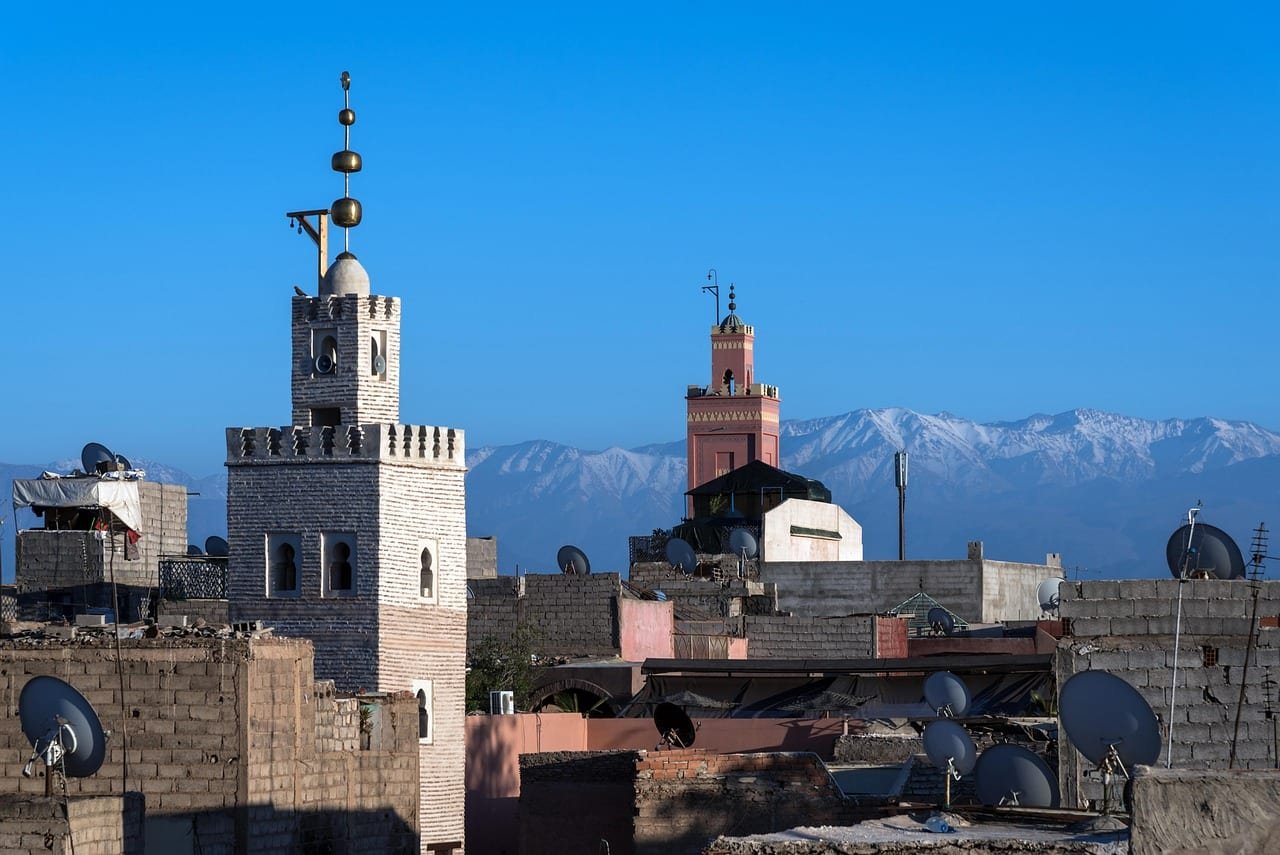
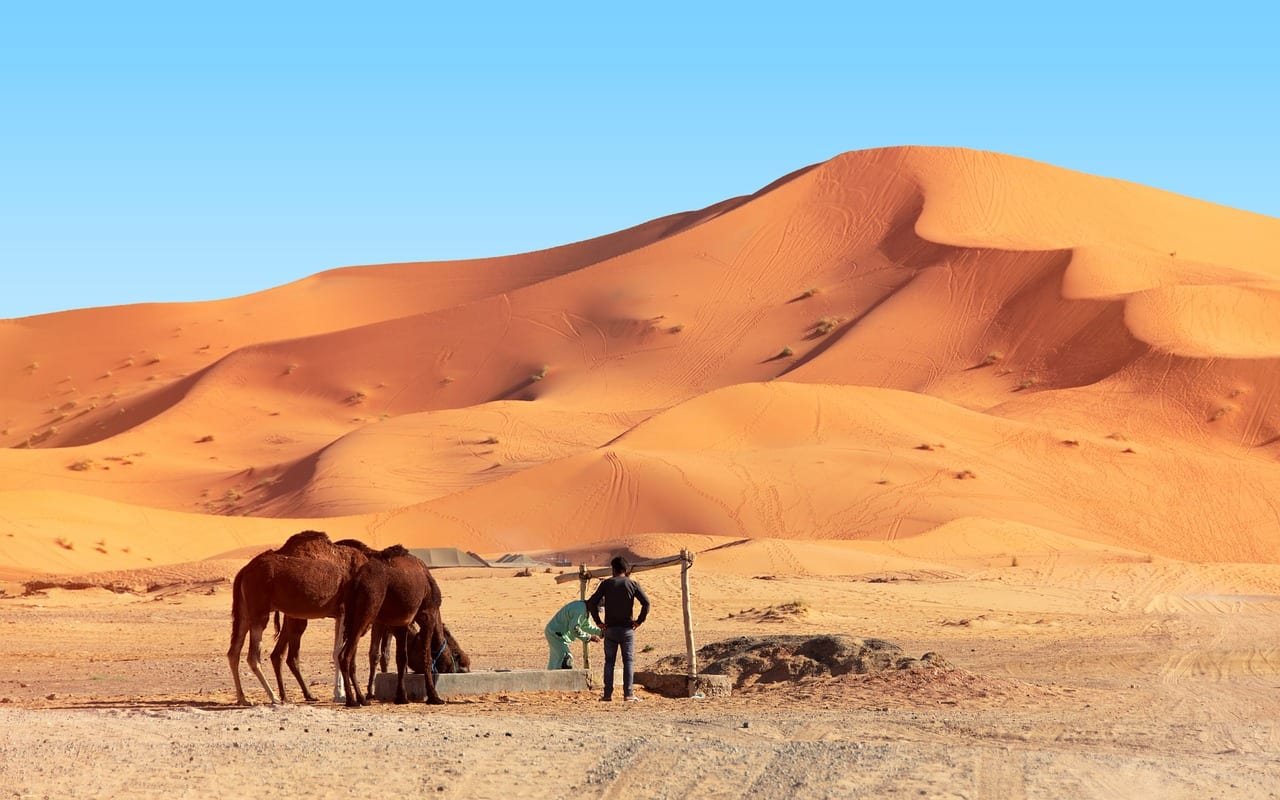
Depart Marrakech at 7 a.m. in a pre-booked 4×4 (1,500 MAD/day). Cross the Tizi n'Tichka pass (2,260 m) by 9:30 a.m. stop at the viewpoint for the valley panorama. Visit Ait Benhaddou kasbah at 11 a.m. (guide 100 MAD, 1.5 hrs). Lunch in Ouarzazate (200 MAD). Continue through the Valley of Roses (Kelaat M'Gouna) and the Dades Gorge hairpins. Arrive Merzouga by 5:30 p.m., transfer to camel for 45-minute ride to desert camp (included in 500 MAD camp package). Dinner, stargazing, overnight in private tent.
Day 2: Erg Chebbi Sunrise to Fes via Ziz Valley

Wake 5:30 a.m. for sunrise camel return (included). Breakfast at camp, depart 8 a.m. Drive the Ziz Valley palmeraie, stop at the Aoufous viewpoint for the river oasis shot. Lunch in Midelt (250 MAD, try the local apples). Cross the Middle Atlas cedar forests (possible Barbary macaque sightings at 1,800 m). Arrive Fes by 6 p.m. Check into medina riad (800 MAD). Evening walk to Bab Bou Jeloud for orientation.
Day 3: Fes Medina Deep Dive

Hire specialist guide at 9 a.m. (300 MAD, 6 hrs). Route: Chouara Tannery terraces → Seffarine copper square → Nejjarine Museum → Al-Attarine Madrasa → University of Al Quaraouiyine library exterior → Mellah (Jewish quarter) → Borj Nord for the city panorama. Lunch at Cafe Clock (120 MAD). Afternoon free: shop for ceramics in Ain Nokbi (taxi 30 MAD each way) or hammam at Hammam Mernissi (150 MAD self-scrub). Evening train to Marrakech (7 hrs, 250 MAD 1st class) or fly Fes–Casablanca (1 hr 15 min, ~800 MAD) for onward connections.
FAQ: Morocco Holiday Guide Essentials
What is the best month to visit Morocco in fall?
October is the single best month: daytime temperatures sit at 24–28 °C (75–82 °F) in Marrakech and the desert, nights cool to 12–15 °C (54–59 °F) in the mountains, and tourist numbers drop 30% compared to September. Rain is rare (< 20 mm monthly average). Book riads and desert camps by July for October dates.
Is Morocco safe for travelers in 2025?
Yes, violent crime against tourists is extremely rare. Petty theft (pickpocketing in medinas, bag snatching on scooters in Casablanca) is the main risk. The UK Foreign Office and US State Department both rate Morocco Level 2 (exercise increased caution) primarily for border regions near Algeria and Western Sahara, standard tourist routes are unaffected. Keep valuables in riad safes, use cross-body bags, and avoid isolated alleys after dark.
How many days do I really need for a first Morocco trip?
Minimum 7 days for a one-way Marrakech → Atlas → Desert → Fes route. Ten days adds Essaouira or Chefchaouen without rushing. Fourteen days covers the full southern loop (Dades, Todra, Anti-Atlas) plus the north. Anything under 5 days forces you to choose between the desert and the mountains, both lose their magic when compressed.
Morocco: What to See and Do, Travel Tips and Destinations
A short Morocco travel guide: Morocco what to see and do, the main Morocco travel destinations and a few practical Morocco travel tips.
- Marrakech: the medina, Jemaa el-Fnaa square and the Majorelle Garden.
- Fes: the old medina and its tanneries, one of the largest car-free old towns.
- Chefchaouen: the blue-painted town in the Rif Mountains.
- Sahara at Merzouga or Zagora: camel treks and desert camps.
- Essaouira: a walled Atlantic port with a relaxed feel.
- Atlas Mountains and Ait Benhaddou: hiking and an earthen kasbah village.
What are the top Morocco travel destinations?
Marrakech, Fes, Chefchaouen, the Sahara and Essaouira form the classic route.
What Morocco travel tips matter most?
Dress modestly, carry small change, agree taxi prices before you ride and book desert camps with reviewed operators.