California Hidden Gems: Quick Answer
The best California hidden gems are the Mendocino coast, the Lost Coast, Lassen Volcanic National Park, the Alabama Hills near Lone Pine, Mono Lake, Channel Islands National Park, Pinnacles National Park and Anza-Borrego Desert State Park. Each is a day or more from a major city, and each gets a fraction of the visitors that Yosemite, Disneyland or the Golden Gate Bridge draws. Between them they cover the coast, the mountains, the desert and an island national park.
California is too big to see in one trip, so this guide groups the eight places by region and says when each is at its best. Fall suits most of them: crowds drop, the Eastern Sierra turns gold, and the coast has clear, calm days. A few, such as Lassen and the high Sierra roads, close when snow arrives, so check access before you drive.
Distances are approximate drive times from the nearest big city, and opening hours, permits and road closures change, so confirm them on each park's official page. If you are starting in a city, our guides to San Francisco hidden gems, hidden gems in LA and hidden gems in San Diego cover the cities themselves.
8 California Hidden Gems, From the Coast to the Desert

The list below runs roughly from north to south. Each entry says where it is, what to do there and when to go.
1Mendocino Coast

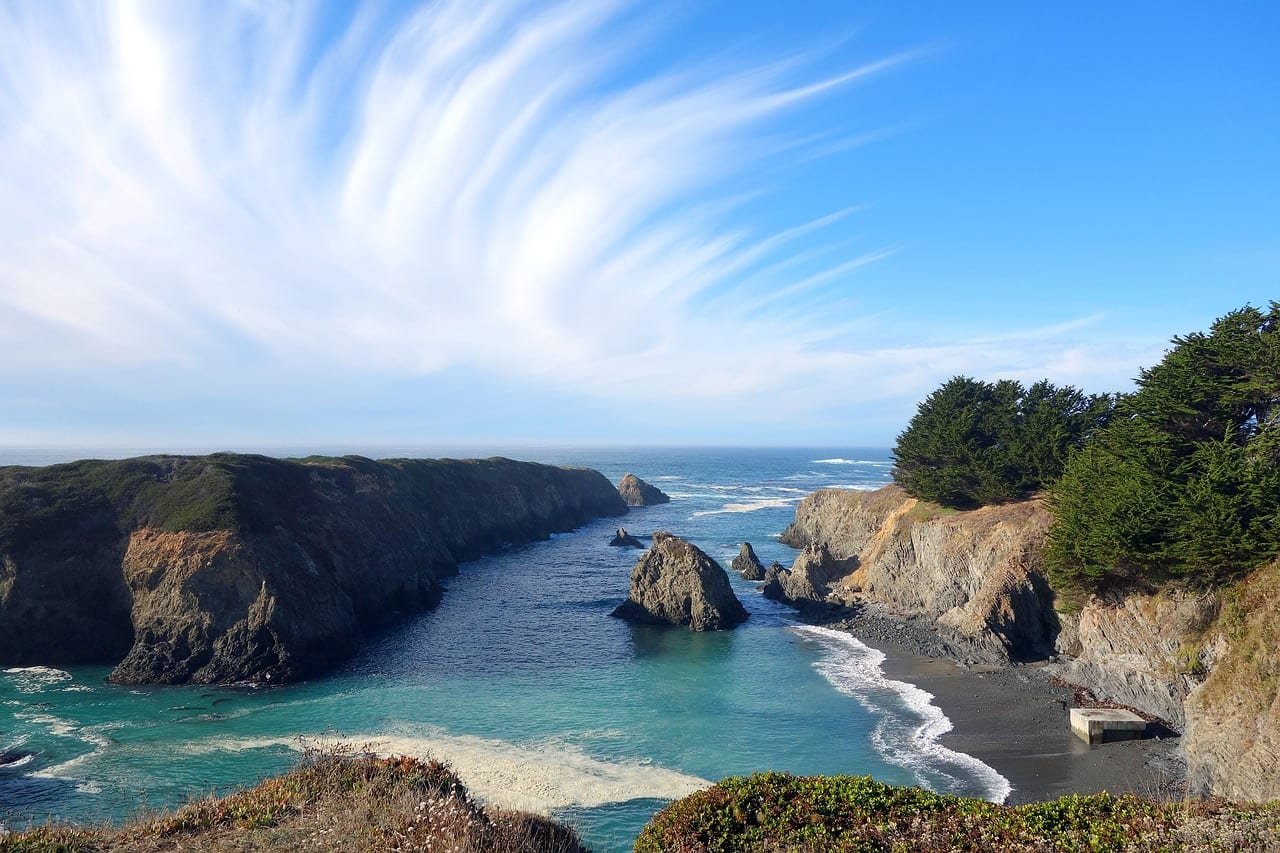
Mendocino is a small seaside town on a bluff, about three hours north of San Francisco. Its village streets, headlands and rocky coves are quieter than Monterey or Carmel. Walk the Mendocino Headlands State Park trails at sunset, then drive north to Fort Bragg and look at the Glass Beach area in MacKerricher State Park, where sea-polished glass lines a small beach. Take only photos, because the glass is protected.
Winter and spring bring gray whales along the coast, and fall has mild days and fewer visitors. Point Arena Lighthouse, a short drive south, has a tower you can climb on open days.
2The Lost Coast

The Lost Coast is the least developed stretch of California's coastline, in the King Range National Conservation Area. Steep mountains reach the sea, so there is no coastal highway. Black Sands Beach near Shelter Cove can be reached by car, and the Lost Coast Trail for backpackers runs along the shore, with tide tables, bear canisters and permits for overnight stays. This is for prepared hikers, so check current rules before you go.
If you do not hike, Shelter Cove still gives you sea views, tide pools and quiet beaches. Fall is clear and good for hiking, and winter brings storms.
3Lassen Volcanic National Park

Lassen is a national park in northern California that most visitors skip. It has hot springs and mud pots at Bumpass Hell, a lava peak and quiet alpine lakes. The main park road is closed by snow for much of the winter, so late summer and early fall are the easiest seasons. Check the park's road status before you go.
It is about four hours from Sacramento, so plan an overnight. Bumpass Hell is a short trail, but stay on the boardwalks because the ground is thin and hot.
4Alabama Hills and Lone Pine

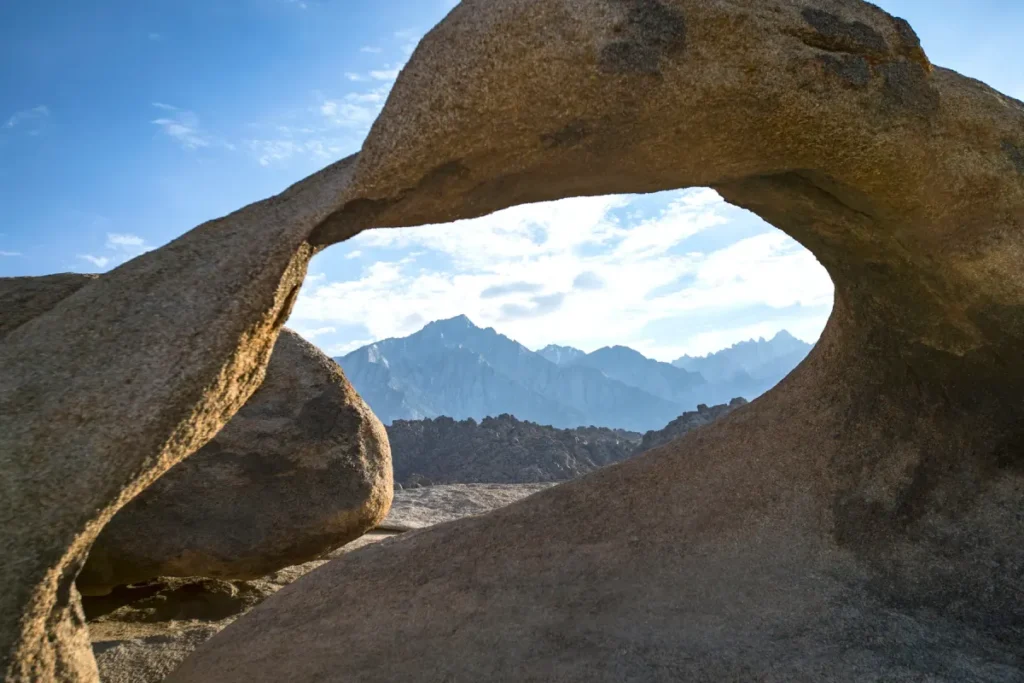
The Alabama Hills are a field of rounded orange rocks at the foot of the Sierra Nevada, near the town of Lone Pine. The rocks have been used as a Western film set for decades. Mobius Arch is a short walk, and the view through it frames Mount Whitney on a clear morning. Sunrise and sunset light make this one of the most photogenic places in the state.
Fall is clear and cool, and the area is on public land with free dispersed camping in places, subject to current rules. It is about 3.5 hours from Los Angeles.
5Mono Lake

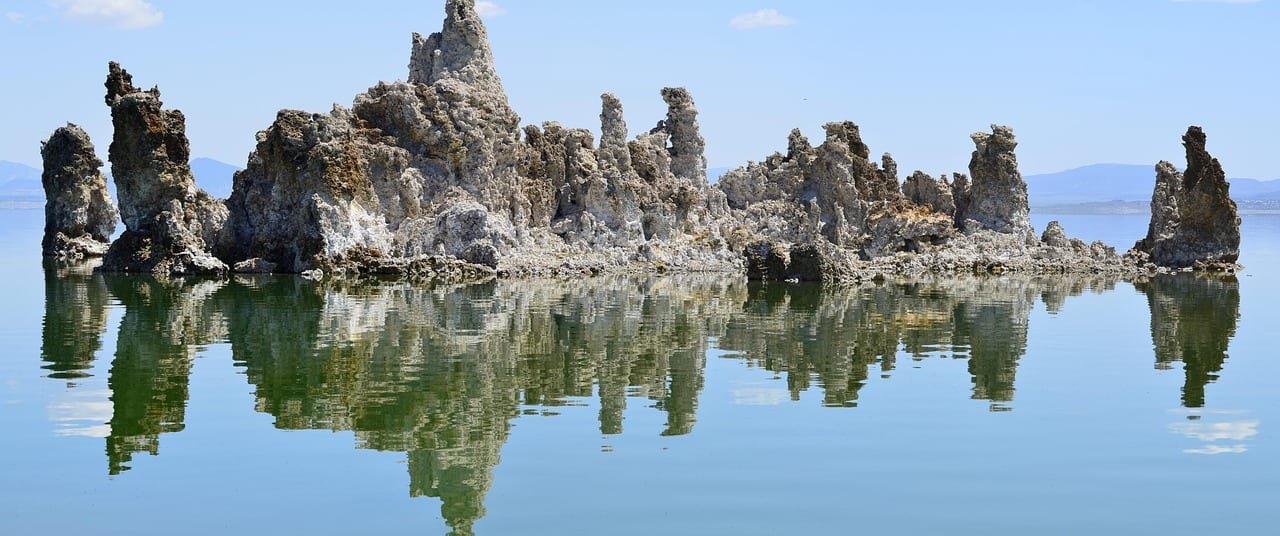
Mono Lake is an ancient salt lake east of the Sierra, near the town of Lee Vining. Its white tufa towers rise out of the water and glow at sunrise. The South Tufa area has a flat walking trail and interpretive signs. In fall, the aspens in nearby canyons turn gold, which pairs well with a visit.
The lake is high-altitude and often windy, so bring a layer. The Tioga Pass road into Yosemite closes for winter, usually by late fall, so check its status if you plan to continue to the park.
6Channel Islands National Park

Channel Islands National Park is a group of islands off Ventura and Santa Barbara, reached by boat or small plane. Santa Cruz Island has sea caves, hiking trails and the island fox, a small fox found only here. Visitors need to book a boat in advance, and the crossing can be rough. Check current schedules and conditions with the park and the concession boats.
Fall has some of the calmest, clearest weather, and whale watching can be good on the crossing. Plan a full day or stay overnight at the campground if you are prepared.
7Pinnacles National Park

Pinnacles is a smaller national park in the Gabilan Mountains, about two hours from San Jose. Volcanic spires rise above chaparral hillsides, and talus caves form where boulders have fallen into narrow canyons. Hikers can walk to the High Peaks, and it is one of the best places in California to see wild California condors.
Spring and fall are best, because summer heat can be intense. Bring a headlamp for the caves and check whether they are open, since closures depend on bat activity and conditions.
8Anza-Borrego Desert State Park

Anza-Borrego is the largest state park in California, east of San Diego. Slot canyons, badlands and palm oases fill the desert, and the town of Borrego Springs is a certified International Dark Sky Community, so the stars are excellent. Spring wildflowers draw crowds in good rain years, but fall and winter are comfortable for hiking and stargazing.
Summer is dangerously hot, so go between October and April. Carry plenty of water, and stay on marked roads if you drive off-pavement.
Best Photo Spots Among California’s Hidden Gems

These stops give the best photographs without the crowds:
- Mendocino Headlands at sunset: sea stacks and wildflowers in spring, golden light in fall.
- Black Sands Beach at Shelter Cove: dark sand against green hills, best at low tide.
- Bumpass Hell boardwalk in Lassen: steaming pools and colourful rock.
- Mobius Arch in the Alabama Hills: the arch framing Mount Whitney at sunrise.
- South Tufa at Mono Lake: tufa towers reflected in the water at dawn.
- Painted Cave and the cliffs of Santa Cruz Island in Channel Islands: dramatic sea caves.
- The High Peaks trail in Pinnacles: spires with condors overhead.
- Palm Canyon in Anza-Borrego: fan palms in a desert oasis.
Bring a lens cloth and a tripod for low light, and arrive early. Light and weather change quickly in the mountains and on the coast.
For more background on the area, see California on Wikipedia.
Where to Stay Near These California Hidden Gems
Lodging varies widely across these places, so plan by region and book early for weekends.
- Mendocino and Fort Bragg: bed and breakfasts and cottages in the village, with more choice in Fort Bragg.
- Lost Coast: simple cabins and rentals in Shelter Cove, plus campgrounds in the King Range.
- Lassen: cabins and small lodges around the park, plus campgrounds. Chester and Mineral are common bases.
- Alabama Hills and Mono Lake: motels and inns in Lone Pine and Lee Vining, which are good bases for the Eastern Sierra.
- Channel Islands: hotels in Ventura or Santa Barbara, plus campgrounds on the islands.
- Pinnacles: campgrounds at the park and motels in Hollister or Soledad.
- Anza-Borrego: resorts, inns and rentals in Borrego Springs.
Many of these towns are small, so lodging fills quickly on weekends. In the desert and high mountains, bring fuel, water and food, because services are limited.
Best Time for California Hidden Gems and How Long to Stay

The best season depends on altitude and region. Use this table to plan.
| Region | Best time | What to watch for |
|---|---|---|
| Mendocino and the Lost Coast | September to November, spring | Fog and storms in winter |
| Lassen | July to October | Snow closes roads from late fall |
| Alabama Hills and Mono Lake | September to October | Cold nights, Tioga Pass closure in winter |
| Channel Islands | September to November | Rough crossings in winter and spring |
| Pinnacles | March to May, October to November | Summer heat |
| Anza-Borrego | October to April | Extreme summer heat |
For how long to stay, use two nights for each region and add travel time. A week can combine the Eastern Sierra with one more region. Do not try to see all eight in a single trip.
Getting Around California Hidden Gems
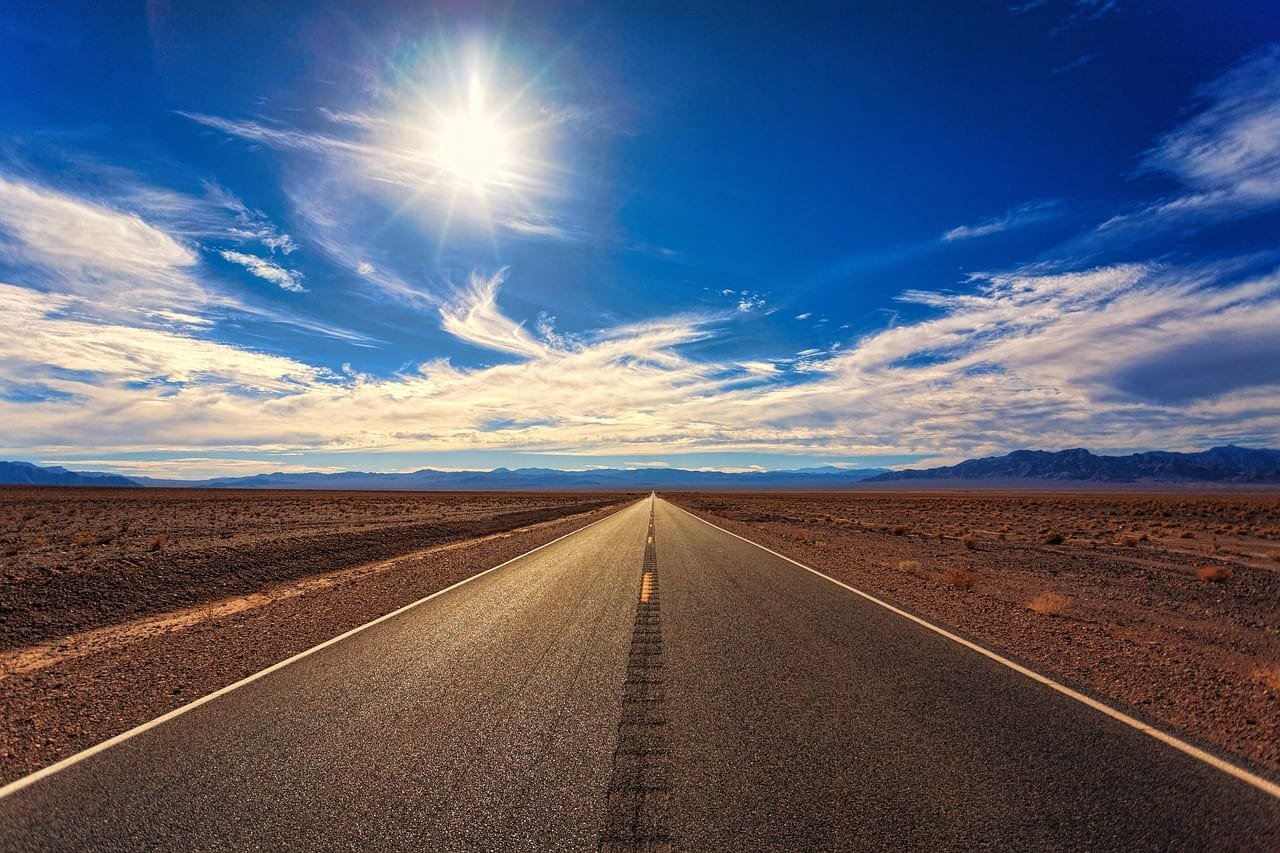
A car is essential for almost every place on this list, and some roads are slow, so plan for time.
- Distances: California is large. Mendocino is about three hours from San Francisco, Lone Pine about 3.5 hours from Los Angeles, and Anza-Borrego about two hours from San Diego.
- Mountain roads: some passes close for snow, including Tioga Pass and the main road in Lassen. Check road status before you drive.
- Fuel and services: gas stations and food are limited in the Eastern Sierra, the Lost Coast and the desert, so fill up when you can.
- Permits and reservations: boats to Channel Islands, backpacking on the Lost Coast and some campgrounds need advance bookings.
- Weather: coastal fog, mountain snow and desert heat all affect travel. Check the forecast the day you leave.
If you are building a longer California route, our guides to Big Sur hidden gems, secret spots in Monterey and Joshua Tree in fall fit well along the coast and desert.
Three Sample Trips

These plans mix several places into a trip you can follow, and you can swap days for weather. Check opening times and road conditions first.
4 Days on the Northern California Coast

Day 1: Drive from San Francisco to Mendocino and walk the headlands at sunset. Day 2: Explore Fort Bragg and Glass Beach, then drive south to Point Arena Lighthouse. Day 3: Drive north to Shelter Cove for the Lost Coast and Black Sands Beach. Day 4: Return to San Francisco or continue north.
5 Days in the Eastern Sierra

Day 1: Drive from Los Angeles to Lone Pine. Day 2: Visit the Alabama Hills at sunrise, then drive north. Day 3: Stop at Mono Lake for South Tufa and sunset. Day 4: See the fall color in nearby canyons. Day 5: Drive home or continue to Yosemite if Tioga Pass is open.
4 Days of Desert and Islands in Southern California

Day 1: Drive to Ventura and take an early boat to Channel Islands. Day 2: Hike on Santa Cruz Island and return. Day 3: Drive east to Anza-Borrego and stargaze in Borrego Springs. Day 4: Walk Palm Canyon and drive back to San Diego.
FAQ: Visiting California’s Hidden Gems

What are the best hidden gems in California?
The best California hidden gems include the Mendocino coast, the Lost Coast, Lassen Volcanic National Park, the Alabama Hills, Mono Lake, Channel Islands National Park, Pinnacles National Park and Anza-Borrego. They are far less crowded than Yosemite or the big coastal cities.
When is the best time to visit California's hidden gems?
Fall and spring work best for most. The Eastern Sierra is gold in fall, the coast is clear, and the desert is comfortable from October to April. High mountains such as Lassen are best from late summer to early fall.
How many days do you need?
Plan two nights per region. A week can cover the Eastern Sierra plus one more area. Trying to see every place in one trip means too much driving.
Are California's hidden gems good for families?
Yes, but choose by age. Pinnacles, Mono Lake and Anza-Borrego work for older children. Channel Islands involves boat travel and hiking, and the Lost Coast Trail is for prepared hikers only.
Do you need a car for these places?
Yes. Public transport does not reach most of these destinations, and distances are long. Rent a car with good tires, and check road conditions before mountain drives.