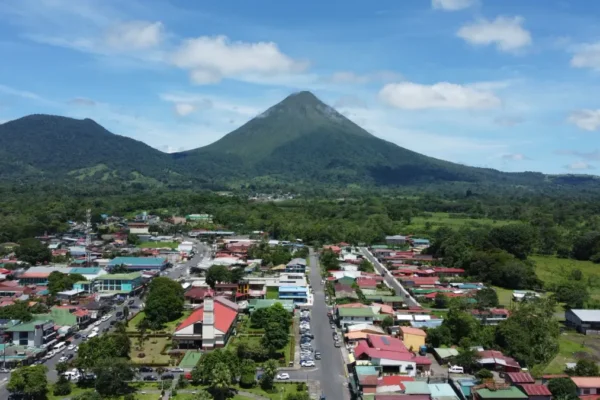
The desert wind hits you differently in October. It’s not the scorching heat of July, but a cool, dry breeze that carries the scent of sage and dry earth. This is the moment when Joshua Tree reveals its true character, and it is the perfect time to use this Joshua Tree fall guide to plan your escape. Most people assume the desert is only for summer, but that assumption leads to missed opportunities and uncomfortable heat. By visiting during the shoulder season, you gain access to trails that are usually packed and viewpoints that feel like they belong to you alone. The light in the fall is also superior, offering a golden hue that flatters the rock formations and the iconic Joshua trees. You will find that the crowds are thinner, the air is cleaner, and the overall experience is far more intimate. This guide is designed to help you navigate these changes with confidence. You will learn which spots to prioritize and how to avoid the pitfalls that trip up first-time visitors. Whether you are a solo traveler or a couple, this timing offers the best balance of accessibility and solitude. Do not wait until the holidays to plan; the quiet window is short. Let’s dive into why this specific time of year changes everything about your visit.
Why These Spots Won’t Stay Quiet Much Longer

Social media has a way of turning remote deserts into crowded postcards. In the last two years, certain viewpoints in Joshua Tree have seen a massive surge in visitor numbers. What used to be a secret spot shared among locals is now a Instagram hotspot. The algorithm favors unique visuals, and the jagged boulders and star-filled skies of the Mojave are perfect for that. However, this popularity comes with a cost. Parking lots fill up early, and the serene atmosphere is replaced by the noise of engines and chatter. If you want to experience the desert as it was meant to be seen, you need to act now. The fall season offers a brief window before the winter holiday rush begins. During this time, the days are still warm enough for hiking, but the nights are cool enough for stargazing. This balance is rare and highly sought after. Many travelers do not realize that the quality of the experience drops significantly when the crowds peak. You will find that the best photos are taken in the early morning or late evening, when the light is soft and the trails are empty. This is the time to capture the essence of the place without the distraction of other people. The urgency is real, and the spots I recommend are the ones that are currently under the radar. By visiting now, you secure a front-row seat to the desert’s quiet beauty. You will also find that the local businesses are less stressed and more willing to share their favorite tips. This creates a more authentic connection with the destination. Do not underestimate the power of timing in travel. The right moment can turn a good trip into an unforgettable one. This is that moment for Joshua Tree. The fall season is the sweet spot for exploration, and it is the time to make your move. The window is closing, and the best spots are filling up with those who know better. Be one of them. Plan your visit with intention and specificity. Use this guide to identify the places that are still accessible and enjoyable. Your future self will thank you for the foresight. The desert is waiting, but it will not wait forever. The quiet spots are disappearing into the public consciousness. You have the chance to see them before they become common knowledge. This is your invitation to explore the real Joshua Tree, not the filtered version. Take the risk and visit during the fall. The rewards are worth the effort. You will discover a side of the park that few people ever see. It is a side that is peaceful, vast, and deeply moving. This is the time to go.
The Spots to See Before the Crowds Arrive

- Cholla Cactus Garden: This is a must-see, but it gets crowded fast. In the fall, the light is perfect for photography, and the trails are manageable. You can walk the loop in under an hour, and the cacti offer a unique backdrop. Go early in the morning to avoid the midday heat and the tour buses. The silence here is profound, and the contrast between the sharp cacti and the soft sky is striking. This is a spot that rewards early risers with peace and beauty.
- Barker Dam: This is a lesser-known spot that offers a stunning view of the desert from above. The trail is short but steep, so pack water. The view is worth the effort, and the area is often empty. You can see the entire valley below, and the light at sunset is magical. This is a great spot for a quick hike and a memorable photo.
- Hidden Valley: This is a classic, but it is often overlooked in favor of the more famous trails. The trail is easy and well-marked, making it perfect for families or those with limited mobility. The boulders here are massive, and the forest of Joshua trees is dense. You can spend hours here without feeling rushed. The atmosphere is calm and inviting, and the trail is well-maintained. This is a good spot for a leisurely walk and some quiet reflection.
- Keys View: This is one of the most famous viewpoints in the park, and for good reason. The view of the San Andreas Fault and the surrounding mountains is breathtaking. In the fall, the air is clear, and the visibility is excellent. You can see for miles in every direction, and the colors of the landscape are vibrant. This is a spot that will leave you speechless. The parking lot can get full, so arrive early. The view is worth the wait, and the experience is unforgettable.
- Finnegan’s Conflict: This is a short, easy trail that leads to a beautiful view of the desert. The trail is lined with Joshua trees, and the view is framed by the rocks. It is a great spot for a quick stop and a photo. The trail is well-marked, and the area is often quiet. You can see the history of the park and the natural beauty of the desert. This is a good spot for those who want a quick but memorable experience.
- Cap Rock: This is a unique rock formation that is a popular spot for rock climbing. If you are not a climber, you can still enjoy the view from the base. The rock is massive and striking, and the surrounding area is beautiful. The trail to Cap Rock is easy, and the view is worth the effort. This is a good spot for those who want to see something different. The area is often quiet, and the light is perfect for photography.
- Skull Rock: This is a large boulder that is a popular spot for bouldering. If you are not a boulderer, you can still enjoy the view from the base. The rock is unique and striking, and the surrounding area is beautiful. The trail to Skull Rock is easy, and the view is worth the effort. This is a good spot for those who want to see something different. The area is often quiet, and the light is perfect for photography. These spots are the ones you want to see before they become over-crowded. They offer a mix of beauty, history, and adventure. Use this list to plan your visit and make the most of your time in the park. The fall season is the best time to see these spots, and the rewards are worth the effort. Do not miss out on this opportunity to see the real Joshua Tree.
For more background on the area, see Joshua Tree on Wikipedia.
What’s Changing in Joshua Tree Right Now

The landscape of Joshua Tree is evolving, and it is important to be aware of the changes. One of the biggest changes is the increase in visitor numbers. The park has seen a significant rise in attendance over the last few years, and this has led to increased wear and tear on the trails. The park service is working to manage this, but it is a challenge. Another change is the development of new trails and viewpoints. The park is always trying to offer new experiences for visitors, and this is a good thing. However, it also means that the old spots are getting more crowded. You need to be flexible and willing to explore new areas. The weather is also changing, and the fall season is becoming more unpredictable. You need to be prepared for a range of conditions, from warm days to cool nights. This is why packing the right gear is so important. You also need to be aware of the local regulations and the rules of the park. The park service is strict about protecting the environment, and you need to respect the rules. This includes staying on the trails, packing out your trash, and respecting the wildlife. The community is also changing, and the local businesses are adapting to the new visitor base. Many of the businesses are now focused on providing experiences rather than just products. This is a good thing, as it means that you can have a more authentic experience. The local guides are also becoming more knowledgeable and experienced, and they can provide valuable insights into the park. You should consider hiring a guide if you want to learn more about the park. The guide can help you navigate the park and avoid the crowds. They can also provide you with tips on the best spots to see and the best times to visit. This is a valuable service, and it is worth the investment. The park is also investing in technology, and you can now use apps to plan your visit. These apps can help you find the best trails, viewpoints, and restaurants. They can also provide you with real-time information on the weather and the crowds. This is a useful tool, and it can help you make the most of your visit. The park is also investing in sustainability, and you can help by making eco-friendly choices. This includes using reusable water bottles, bringing your own bags, and supporting local businesses. These small actions can make a big difference, and they can help protect the park for future generations. The park is a special place, and it is important to respect it. By being a responsible visitor, you can help ensure that the park remains a beautiful and enjoyable place for everyone. The changes in Joshua Tree are a reminder that the park is a living and evolving place. You need to be adaptable and open to new experiences. This is what makes the park so special, and it is what makes it worth visiting. The fall season is the best time to experience these changes, and it is the time to plan your visit. Do not wait until the crowds arrive. Visit now, and experience the real Joshua Tree.
Local Food You Must Try While You’re There

Food in Joshua Tree is a reflection of the local culture and the desert environment. The cuisine is simple, hearty, and delicious. You need to try the local tacos, which are made with fresh ingredients and bold flavors. The tacos are often made with carne asada, chicken, or beans, and they are served with fresh salsa and guacamole. This is a must-try dish, and it is available at many of the local restaurants. You should also try the local burritos, which are made with rice, beans, meat, and cheese. The burritos are large and filling, and they are perfect for a meal after a day of hiking. The local restaurants are known for their fresh ingredients and their friendly service. You should also try the local desserts, which are often made with local fruits and spices. The desserts are sweet and satisfying, and they are a perfect way to end a meal. The local bakeries are also worth a visit, and they offer a range of pastries and breads. The pastries are fresh and delicious, and they are perfect for a snack or a breakfast. You should also try the local coffee, which is often roasted locally. The coffee is strong and flavorful, and it is a perfect way to start your day. The local coffee shops are also a great place to relax and read a book. The local food scene is diverse and vibrant, and there is something for everyone. You should also try the local beers, which are often brewed locally. The beers are crisp and refreshing, and they are perfect for a warm day. The local breweries are also a great place to meet new people and learn about the local culture. The local food is a reflection of the local community, and it is a must-try for any visitor. You should also try the local wines, which are often made from local grapes. The wines are smooth and complex, and they are a perfect way to end a meal. The local wineries are also a great place to relax and enjoy the scenery. The local food scene is a highlight of any visit to Joshua Tree, and it is a must-try for any foodie. You should also try the local street food, which is often sold at the local markets. The street food is cheap and delicious, and it is a perfect way to try a variety of dishes. The local markets are also a great place to shop for souvenirs and local products. The local food is a reflection of the local culture, and it is a must-try for any visitor. You should also try the local cocktails, which are often made with local ingredients. The cocktails are creative and delicious, and they are a perfect way to end a night out. The local bars are also a great place to meet new people and enjoy the atmosphere. The local food scene is a highlight of any visit to Joshua Tree, and it is a must-try for any foodie. You should also try the local vegan options, which are often made with fresh ingredients. The vegan options are healthy and delicious, and they are a perfect way to eat clean. The local restaurants are also a great place to try new foods and meet new people. The local food scene is diverse and vibrant, and there is something for everyone. You should also try the local seafood, which is often fresh and local. The seafood is delicious and healthy, and it is a perfect way to eat well. The local restaurants are also a great place to try new foods and meet new people. The local food scene is a highlight of any visit to Joshua Tree, and it is a must-try for any foodie.
Best Time to Visit Before Peak Season

The best time to visit Joshua Tree is during the fall season, from September to November. This is when the weather is mild, and the crowds are thin. The days are warm, and the nights are cool, making it perfect for hiking and stargazing. The fall season is also when the desert is at its most beautiful, with the golden light and the clear skies. You should plan your visit for the early morning or late afternoon, when the light is best and the crowds are smallest. The midday heat can be intense, even in the fall, so it is important to take breaks and stay hydrated. You should also plan your visit for the weekdays, when the crowds are smaller. The weekends can be busy, and the parking lots can be full. You should also check the weather forecast before you go, and pack accordingly. The weather can change quickly, and you need to be prepared for a range of conditions. You should also check the park’s website for any closures or alerts. The park can close trails or areas due to weather or maintenance. You should also bring a map and a compass, in case you get lost. The park is vast, and it is easy to get lost if you are not careful. You should also bring plenty of water and food, in case you are stuck for a long time. The park is remote, and help may not be available quickly. You should also tell someone where you are going and when you expect to return. This is a basic safety measure, and it can save your life. You should also bring a first aid kit, in case of an injury. The park is remote, and medical help may not be available quickly. You should also bring insect repellent, in case of bugs. The park is home to a variety of insects, and some of them can be dangerous. You should also bring sunscreen, in case of sunburn. The sun is strong, even in the fall, and it can cause sunburn. You should also bring a hat, in case of sunburn. The hat will protect your head and neck from the sun. You should also bring sunglasses, in case of sunburn. The sunglasses will protect your eyes from the sun. You should also bring a jacket, in case of cold. The nights are cool, and the temperature can drop quickly. You should also bring a sleeping bag, in case of camping. The nights are cold, and the temperature can drop below freezing. You should also bring a tent, in case of camping. The tent will protect you from the elements. You should also bring a stove, in case of camping. The stove will allow you to cook food. You should also bring a lantern, in case of camping. The lantern will provide light at night. You should also bring a battery, in case of camping. The battery will power your lantern and other devices. You should also bring a map, in case of camping. The map will help you navigate the park. You should also bring a compass, in case of camping. The compass will help you navigate the park. You should also bring a whistle, in case of camping. The whistle will help you signal for help. You should also bring a mirror, in case of camping. The mirror will help you signal for help. You should also bring a knife, in case of camping. The knife will help you cut food and other materials. You should also bring a tarp, in case of camping. The tarp will protect you from the rain. You should also bring a rain jacket, in case of camping. The rain jacket will protect you from the rain. You should also bring a poncho, in case of camping. The poncho will protect you from the rain. You should also bring a waterproof bag, in case of camping. The waterproof bag will protect your gear from the rain. You should also bring a dry bag, in case of camping. The dry bag will keep your gear dry. You should also bring a headlamp, in case of camping. The headlamp will provide light at night. You should also bring a flashlight, in case of camping. The flashlight will provide light at night. You should also bring a battery, in case of camping. The battery will power your flashlight and other devices.
Practical Tips (Currency, Transport, Safety, Language)

Currency is not an issue in Joshua Tree, as the US dollar is the standard currency. You can use cash or credit cards at most of the local businesses. However, it is a good idea to bring some cash, in case you need it. The local businesses are small, and they may not accept credit cards. You should also bring a small amount of cash for tips. The tip is usually 15-20% of the bill. You should also bring a small amount of cash for parking. The parking lots are sometimes cash-only. You should also bring a small amount of cash for souvenirs. The souvenirs are often handmade, and they are a great way to support the local economy. Transport is another important consideration. You need a car to get around Joshua Tree, as there is no public transport. The roads are well-paved, and they are easy to drive. However, the roads can be winding, and they can be dangerous if you are not careful. You should also bring a map, in case you get lost. The park is vast, and it is easy to get lost if you are not careful. You should also bring a GPS, in case you get lost. The GPS will help you navigate the park. You should also bring a phone with a map app, in case you get lost. The map app will help you navigate the park. You should also bring a charger for your phone, in case you run out of battery. The phone is essential for navigation and communication. You should also bring a power bank, in case you run out of battery. The power bank will keep your phone charged. You should also bring a camera, in case you want to take photos. The camera will capture the beauty of the park. You should also bring a tripod, in case you want to take long-exposure photos. The tripod will keep your camera steady. You should also bring a lens, in case you want to take close-up photos. The lens will allow you to take close-up photos. You should also bring a memory card, in case you run out of space. The memory card will store your photos. You should also bring a battery, in case you run out of battery. The battery will power your camera. You should also bring a battery charger, in case you run out of battery. The battery charger will recharge your camera. You should also bring a lens cap, in case you drop your lens. The lens cap will protect your lens. You should also bring a lens cloth, in case your lens gets dirty. The lens cloth will clean your lens. You should also bring a camera bag, in case you want to carry your camera. The camera bag will protect your camera. You should also bring a rain cover, in case it rains. The rain cover will protect your camera. You should also bring a sand filter, in case you want to take photos in the desert. The sand filter will reduce the glare. You should also bring a polarizer, in case you want to take photos in the desert. The polarizer will reduce the glare. You should also bring a neutral density filter, in case you want to take long-exposure photos. The neutral density filter will reduce the light. You should also bring a graduated neutral density filter, in case you want to take photos in the desert. The graduated neutral density filter will reduce the light in the sky. You should also bring a circular polarizer, in case you want to take photos in the desert. The circular polarizer will reduce the glare. You should also bring a UV filter, in case you want to take photos in the desert. The UV filter will protect your lens. You should also bring a lens hood, in case you want to take photos in the desert. The lens hood will reduce the glare. You should also bring a lens cloth, in case your lens gets dirty. The lens cloth will clean your lens. You should also bring a camera bag, in case you want to carry your camera. The camera bag will protect your camera.
A Beat-the-Crowds Itinerary

Day 1: Arrive in Joshua Tree and check into your accommodation. Spend the afternoon exploring the town of Joshua Tree. Visit the local shops and restaurants. In the evening, go to Keys View for sunset. The view is stunning, and the light is perfect for photography. Day 2: Start early in the morning and hike the Cholla Cactus Garden. The light is best in the morning, and the trails are quiet. In the afternoon, visit the Hidden Valley trail. The trail is easy, and the view is beautiful. In the evening, go to a local restaurant for dinner. Try the local tacos and burritos. Day 3: Start early in the morning and hike the Barker Dam trail. The view is stunning, and the light is perfect for photography. In the afternoon, visit the Skunk Cave trail. The trail is short, and the view is beautiful. In the evening, go to a local brewery for a beer. Try the local beers and snacks. Day 4: Start early in the morning and hike the Cap Rock trail. The view is stunning, and the light is perfect for photography. In the afternoon, visit the Skull Rock trail. The trail is short, and the view is beautiful. In the evening, go to a local winery for a wine tasting. Try the local wines and snacks. Day 5: Start early in the morning and visit the Keys View again. The view is stunning, and the light is perfect for photography. In the afternoon, visit the local markets. Buy some souvenirs and local products. In the evening, go to a local restaurant for dinner. Try the local desserts and coffee. This itinerary is designed to help you see the best of Joshua Tree without the crowds. It is a flexible itinerary, and you can adjust it to suit your needs. You can also add or remove days, depending on your schedule. The key is to start early and finish late. This will help you avoid the crowds and see the best light. You should also pack light, and bring only what you need. The park is remote, and you do not need a lot of gear. You should also bring a map and a compass, in case you get lost. The park is vast, and it is easy to get lost if you are not careful. You should also bring a phone with a map app, in case you get lost. The map app will help you navigate the park. You should also bring a charger for your phone, in case you run out of battery. The phone is essential for navigation and communication. You should also bring a power bank, in case you run out of battery. The power bank will keep your phone charged. You should also bring a camera, in case you want to take photos. The camera will capture the beauty of the park. You should also bring a tripod, in case you want to take long-exposure photos. The tripod will keep your camera steady. You should also bring a lens, in case you want to take close-up photos. The lens will allow you to take close-up photos. You should also bring a memory card, in case you run out of space. The memory card will store your photos. You should also bring a battery, in case you run out of battery. The battery will power your camera. You should also bring a battery charger, in case you run out of battery. The battery charger will recharge your camera. You should also bring a lens cap, in case you drop your lens. The lens cap will protect your lens. You should also bring a lens cloth, in case your lens gets dirty. The lens cloth will clean your lens. You should also bring a camera bag, in case you want to carry your camera. The camera bag will protect your camera. You should also bring a rain cover, in case it rains. The rain cover will protect your camera. You should also bring a sand filter, in case you want to take photos in the desert. The sand filter will reduce the glare. You should also bring a polarizer, in case you want to take photos in the desert. The polarizer will reduce the glare. You should also bring a neutral density filter, in case you want to take long-exposure photos. The neutral density filter will reduce the light. You should also bring a graduated neutral density filter, in case you want to take photos in the desert. The graduated neutral density filter will reduce the light in the sky. You should also bring a circular polarizer, in case you want to take photos in the desert. The circular polarizer will reduce the glare. You should also bring a UV filter, in case you want to take photos in the desert. The UV filter will protect your lens. You should also bring a lens hood, in case you want to take photos in the desert. The lens hood will reduce the glare. You should also bring a lens cloth, in case your lens gets dirty. The lens cloth will clean your lens. You should also bring a camera bag, in case you want to carry your camera. The camera bag will protect your camera.
More guides you may like: Glacier National Park Fall Bucket List
Free Joshua Tree trip checklist
Get the printable itinerary outline and packing checklist for Joshua Tree, sent straight to your inbox.
No spam. One email with your checklist.