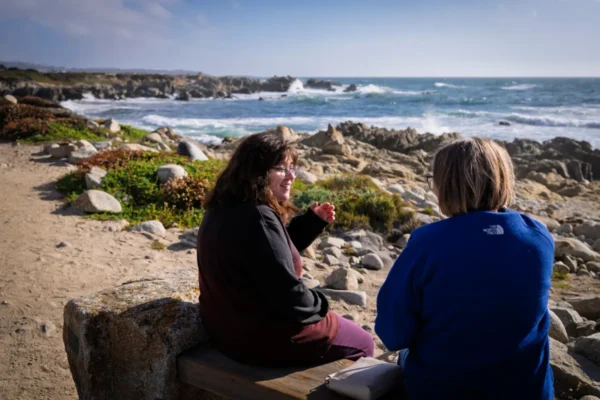
Lake Tahoe travel guide opens a world of alpine sparkle that most first‑time visitors overlook. Picture yourself stepping onto a sun‑warmed pebble beach while the mountains reflect like a mirror, this moment sets the tone for a trip that feels both adventurous and relaxed. In the next few pages you’ll discover why a well‑planned checklist can turn uncertainty into confidence, how to balance budget with unforgettable experiences, and which local secrets keep seasoned travelers coming back. Whether you travel solo, with family, or on a weekend escape, the tips below will help you move from dreaming to doing without a hitch. Let’s dive into the details that make a Lake Tahoe adventure both practical and inspiring. The guide is structured to give you quick reference points: a pre‑departure checklist, climate‑specific wardrobe ideas, realistic budgeting, and a day‑by‑day itinerary that can be customized. Each section includes actionable advice you can copy into your own travel planner, plus links to official resources you’ll need to verify before you go. Ready to pack smart and travel confident? Let’s get started.
Before You Go: Lake Tahoe Travel Guide Essentials

Before you set foot on the shore, there are a few practical matters that can make or break your trip. First, check the current road conditions on the California Department of Transportation website, especially if you plan to drive the scenic Highway 89 during winter. Snow chains may be required, and the official tourism board provides up‑to‑date alerts on its site. Visit the Lake Tahoe Visitors Authority for the latest on park permits, boat launch fees, and seasonal events that could affect availability. Altitude can affect breathing, so stay hydrated and give yourself a day to acclimate before tackling high‑elevation hikes. The lake sits at 6,225 feet, and temperatures can swing dramatically between morning and afternoon. Pack a reusable water bottle and consider a lightweight portable oxygen monitor if you have a history of altitude sensitivity. For families, the local health department recommends bringing a basic first‑aid kit and any prescription medications, as some remote trailheads have limited medical facilities. If you love outdoor activities, you’ll find that Lake Tahoe offers both summer water sports and winter snow sports within a short drive. The region’s dual‑season appeal means you should verify the operating dates of ski lifts and boat rentals before you book. The official tourism website lists the opening weeks for each major resort, and you can cross‑check with the latest snow report on the National Weather Service. For a deeper look at nearby natural wonders, consider a day trip to Yosemite National Park in Fall: Travel Guide. The park’s dramatic cliffs and waterfalls complement Tahoe’s alpine vibe, and the drive offers breathtaking vistas along the way. Remember to reserve any required park passes in advance, as they often sell out during peak seasons. Finally, keep an eye on travel advisories from the U.S. Department of State, especially if you plan to cross the Nevada border. While the region is generally safe, sudden weather changes can affect road safety. Checking the latest advisory ensures you stay informed and prepared for any unexpected conditions.
Packing List for Lake Tahoe Travel Guide

A well‑thought‑out packing list saves space, money, and stress. Below is a numbered checklist that covers everything from clothing to tech gear. Adjust quantities based on the length of your stay and the season you visit. 1. Layered Clothing – Base layers (moisture‑wicking shirts), mid‑layers (fleece or lightweight down), and a waterproof shell. Even in summer, evenings can be chilly.
2. Sturdy Footwear – Waterproof hiking boots for trail days and a pair of comfortable sandals for lakefront strolls.
3. Sun Protection – Broad‑brimmed hat, UV‑blocking sunglasses, and reef‑safe sunscreen (minimum SPF 30).
4. Hydration System – Reusable 1‑liter water bottle or hydration bladder; many trailheads have refill stations.
5. Tech Essentials – Portable power bank, universal travel adapter (if you’re coming from abroad), and a compact camera for sunrise shots.
6. Safety Gear – Small first‑aid kit, whistle, and a multi‑tool. If you plan water activities, bring a personal flotation device approved by the U.S. Coast Guard.
7. Food Snacks – Trail mix, energy bars, and dried fruit. Local grocery stores stock fresh produce, but having on‑hand snacks speeds up early morning hikes.
8. Travel Documents – Printed copies of reservation confirmations, park permits, and a list of emergency contacts. Store digital copies in a secure cloud folder as a backup. For families traveling with children, add a lightweight stroller that folds easily for train or bus rides, and a set of child‑friendly earplugs for noisy ski lifts. Solo travelers may want a compact daypack with hidden pockets for valuables. Don’t forget a reusable tote bag for market trips, Lake Tahoe’s farmers’ markets feature fresh berries, artisanal cheese, and locally roasted coffee. Packing a tote reduces single‑use plastic and gives you a handy carry‑all for souvenirs. Lastly, double‑check that you have any required permits for backcountry camping. The official Tahoe Basin Management Unit website provides printable permits that you must display at camp sites. If you’re unsure, call the visitor center ahead of time; they can guide you through the process and answer any lingering questions.
What to Wear: Outfit & Climate Guide

Lake Tahoe’s climate varies dramatically from sunrise to sunset, so dressing in layers is the key to staying comfortable. In summer, daytime highs hover around 75°F (24°C) while evenings dip into the 40s. A breathable tee, a light fleece, and a wind‑proof jacket cover the range. For water activities, a quick‑dry boardshort or swim trunks paired with a rash guard protects against sunburn and lake chill. Winter visitors should prioritize insulated jackets, thermal leggings, and waterproof snow pants. The lake’s elevation means snow can linger into May, especially on higher trails. A pair of insulated gloves and a beanie keep extremities warm during early‑morning ski sessions. If you plan to snowboard or ski at Heavenly or Northstar, consider renting gear on site to avoid lugging bulky equipment. Footwear choices depend on activity. Trail runners work well for moderate hikes, but for steep, rocky paths, a sturdy boot with ankle support reduces the risk of twists. For lake‑side picnics, slip‑on sandals with good grip prevent slips on wet rocks. Don’t forget accessories that add style and function. A patterned scarf can double as a blanket on chilly boat rides, and a compact daypack with a rain cover protects electronics during sudden showers. If you’re a solo traveler, a bright‑colored jacket makes you easy to spot on crowded lift lines. Finally, check the weather forecast the night before each day using the National Weather Service app. Rapid changes are common, and a flexible wardrobe ensures you’re ready for sunshine, fog, or a sudden snow flurry without compromising comfort.
Budgeting & Travel Logistics for Lake Tahoe Travel Guide

Understanding the cost structure of a Lake Tahoe trip helps you allocate funds where they matter most. Accommodation ranges from budget hostels in South Lake Tahoe (around $80 per night) to upscale cabins on the Nevada side ($250+). Booking a condo or vacation rental a few months ahead often secures better rates, especially during peak ski season. Transportation options include renting a car, using rideshare services, or taking the Tahoe Area Regional Transit (TART) bus system. A compact car rental averages $45 per day, while a weekly TART pass costs $30 and covers most major stops, including the lakefront ferry terminals. If you’re traveling solo, rideshare can be cost‑effective for short hops between trailheads. Food costs can be managed by mixing restaurant meals with grocery store purchases. A hearty breakfast at a local café averages $12, while a dinner of fresh trout and seasonal vegetables runs $25‑$35. To stretch your budget, visit the Tahoe City Farmers Market on Saturdays for fresh produce and artisanal snacks at lower prices. For activity fees, allocate $60‑$100 per person for a full‑day lift ticket at Heavenly Mountain during winter, and $30‑$45 for a kayak rental on the lake in summer. Many trailheads are free, but some require a day‑use permit ($5‑$10). Always verify current pricing on the official resort or rental website before you book. If you’re planning a multi‑day hike, consider a campsite reservation through the Tahoe Basin Management Unit, which costs $15‑$30 per night. Camping reduces lodging expenses and immerses you in the natural soundscape of the forest. To keep track of spending, use a budgeting app that categorizes expenses by accommodation, transport, food, and activities. Set daily limits and review them each evening to avoid surprise overspend. For additional budgeting inspiration, check out the Big Sur Hidden Gems: 7 Essential Spots article, which outlines cost‑saving strategies for another iconic West Coast destination. Applying similar tactics to Lake Tahoe can stretch your dollars further while preserving the adventure spirit.
Best Time to Visit Lake Tahoe Travel Guide

Lake Tahoe shines year‑round, but each season offers distinct experiences. Summer (June‑August) brings warm water, vibrant festivals, and clear skies perfect for paddleboarding and hiking. The lake’s water temperature reaches a comfortable 68°F, making sunrise swims a memorable start to the day. Fall (September‑November) paints the surrounding forests in fiery reds and golds. Daytime temperatures stay pleasant (60‑70°F), and crowds thin out, giving you more solitude on popular trails like Eagle Lake and Rubicon Trail. Fall also hosts the annual Tahoe Food & Wine Festival, a great chance to sample local produce. Winter (December‑February) transforms the area into a snow‑covered playground. Ski resorts such as Heavenly, Northstar, and Kirkwood offer world‑class powder, while the lake itself freezes enough for ice‑fishing adventures. Be prepared for sub‑zero temps and occasional snowstorms; check the Lake Tahoe on Wikipedia page for historical climate data. Spring (March‑May) is a shoulder season where snowmelt feeds waterfalls and wildflowers burst into bloom. Hiking trails become lush, and the lake’s surface reflects a kaleidoscope of colors at sunrise. Early spring also offers lower lodging rates before the summer rush. When deciding, consider your activity priorities. If water sports are the focus, aim for late summer when the lake is warmest. For ski enthusiasts, December through February provides the most reliable snowpack. For photographers seeking dramatic foliage, September offers the most vivid color palette. Regardless of season, always verify the operating status of seasonal attractions. Some boat tours suspend service in winter, while certain ski lifts close for maintenance in early spring. Checking the official tourism board’s calendar ensures you won’t miss out on a key experience you’ve planned.
Practical Tips: Currency, Transport, Safety, Language for Lake Tahoe Travel

Lake Tahoe straddles the California‑Nevada border, but the U.S. dollar is the sole currency. Credit cards are widely accepted, and most shops offer contactless payment. For small purchases at farmers’ markets or trailhead kiosks, carry a modest amount of cash (around $20) to avoid minimum‑purchase restrictions on card terminals. Public transport is reliable via the Tahoe Area Regional Transit (TART) system, which connects major towns, ski resorts, and ferry terminals. Purchase a day pass for unlimited rides, and download the TART app for real‑time bus schedules. If you prefer driving, rent a fuel‑efficient compact car to navigate narrow mountain roads; keep a spare tire and emergency kit in the trunk. Safety on the lake and trails is paramount. Always wear a life jacket when kayaking or paddleboarding, and check water conditions on the official lake safety website before heading out. Trailheads often have posted wildlife warnings, black bears are common, so store food in bear‑proof containers and keep a safe distance from any wildlife you encounter. For solo travelers, let a friend know your daily itinerary and check in via a messaging app at the end of each day. The local ranger station offers free maps and can advise on trail conditions, especially after recent storms. English is the primary language, but you’ll hear Spanish and occasional indigenous Washoe language signs in cultural centers. If you need assistance, most visitor centers have multilingual staff. When traveling across state lines, remember that Nevada has no sales tax, while California does. This can affect the final cost of purchases, especially larger items like ski equipment rentals. For more travel tips, see the Zion National Park Itinerary: Best Hikes and Tips article, which outlines how to pack light and stay safe in high‑altitude environments. Applying those principles to Lake Tahoe will keep you prepared for any scenario. Lastly, keep a copy of your health insurance card and note the nearest urgent‑care clinics in South Lake Tahoe and Carson City. In remote areas, emergency services may have longer response times, so a basic first‑aid kit is essential.
Day‑by‑Day Itinerary for Lake Tahoe Travel Guide

Below is a flexible 5‑day itinerary that blends iconic sights with off‑the‑beaten‑path experiences. Adjust the pace to match your energy level, but each day includes a core activity, a meal suggestion, and a quick tip to maximize enjoyment. Day 1 – Arrival & Lakeside Exploration
Fly into Reno‑Tahoe International Airport and pick up your rental car. Drive 45 minutes to South Lake Tahoe and check into your accommodation. Spend the afternoon strolling the historic downtown, visiting local boutiques, and sampling a bowl of fresh trout chowder at a waterfront café. As the sun sets, head to the Lake Tahoe shoreline for a golden‑hour photo session at Emerald Bay. Tip: Grab a reusable water bottle at the visitor center to stay hydrated on the walk. Day 2 – Hiking & Mountain Views
Start early with a hearty breakfast of sourdough toast and local honey. Drive to the Eagle Lake trailhead; the 2‑mile loop offers panoramic lake views and a chance to spot marmots. Pack a picnic of apple slices and cheese from the nearby market. After the hike, descend to the Tahoe City Farmers Market for fresh fruit and artisanal snacks. Evening: unwind at a local brewery, trying the seasonal pumpkin ale. Day 3 – Water Sports & Beach Time
Rent a kayak or paddleboard from a marina at Sand Harbor. The calm morning waters provide perfect conditions for beginners and seasoned paddlers alike. After a few hours on the water, relax on the sandy beach, reading a guidebook or people‑watching. Lunch at a beachside grill, order the grilled salmon with a side of roasted potatoes. In the late afternoon, take the Lake Tahoe Ferry to Emerald Bay for a sunset cruise; the water reflects the mountains in a stunning display. Day 4 – Scenic Drive & Hidden Gems
Embark on a scenic loop along Highway 89, stopping at lesser‑known spots like the Cascade Falls trailhead and the quiet village of Glen Alpine. Pack a snack and enjoy a short hike to the waterfall, where you can dip your feet in the cool pool. Continue to the historic Tallac Historic Site for a glimpse of early 20th‑century resort architecture. Dinner at a family‑run restaurant in Tahoe City, trying the locally sourced bison burger. Day 5 – Departure & Final Highlights
Before you leave, take a short morning walk along the Tahoe Rim Trail at Kings Beach for a final panoramic view. Grab a coffee and a pastry from a downtown bakery, then head back to the airport. If time permits, stop at the Lake Tahoe Museum of History to pick up a souvenir that tells the story of the region’s cultural heritage. Throughout the trip, keep an eye on weather alerts and trail conditions via the National Weather Service app. Adjust activities as needed, flexibility is the secret to a stress‑free vacation. This itinerary balances adventure, relaxation, and local flavor, giving you a confident roadmap to experience the best of Lake Tahoe.
Free Lake Tahoe trip checklist
Get the printable itinerary outline and packing checklist for Lake Tahoe, sent straight to your inbox.
No spam. One email with your checklist.