The Heat is On: Why You Need a Plan

Stepping out of the station in Kyoto during July or August, you are immediately greeted by a wall of warm, humid air. It is a stark contrast to the crisp autumn or the mild spring that most travel blogs hype up. However, this heat brings a unique vibrancy to the city. The streets fill with people escaping into air-conditioned cafes, and the temples offer cool, shaded sanctuaries. If you walk without a plan, you will exhaust yourself within the first hour. The sun is relentless, and the humidity makes every step feel heavier. This is why a structured approach is not just helpful; it is essential for enjoying your trip. You need to know when to move, when to rest, and where to find shade. Many first-time visitors make the mistake of trying to see everything in one day. This leads to burnout and disappointment. Instead, treat your days as a series of focused blocks. Spend your mornings in the coolest part of the day, exploring outdoor sites like the bamboo groves or temple grounds. Use the midday heat to explore indoor spaces, such as museums, tea houses, or shopping arcades. Save your evenings for the lively atmosphere of the Gion district or a riverside walk. By aligning your activities with the natural rhythm of the day, you will stay fresh and engaged. This strategy allows you to appreciate the details of the architecture and the culture without feeling like you are fighting the weather. It turns a challenging climate into a manageable part of your experience. You will find that the locals have adapted beautifully to this environment, and by following their lead, you will feel more connected to the place. Do not let the heat scare you away. With the right mindset and a solid plan, Kyoto in summer offers a depth of experience that other seasons simply cannot match. The energy is palpable, and the city feels alive in a way that is both invigorating and exhausting. Your goal is to harness that energy without being overwhelmed by it. That is where this guide comes in. We have broken down the essential experiences into a logical flow, ensuring you get the most out of your time while respecting your physical limits. This is not about doing more; it is about doing it better. Link to related content: If you are looking for other summer destinations that balance heat with culture, check out our guide to Oaxaca Travel Guide for a different kind of tropical adventure.
The Big Picture: Why Kyoto Belongs on This Summer’s Bucket List

Kyoto is not just a city; it is a living museum of Japanese culture. For over a thousand years, it has served as the imperial capital, preserving traditions that have faded elsewhere in the country. In summer, this preservation takes on a new dimension. The lush greenery of the gardens reaches its peak, creating a backdrop that is both serene and vibrant. The contrast between the ancient wooden structures and the bright, fresh foliage is visually stunning. This is the time when the city truly blooms, both literally and figuratively. The festivals that take place during this period, such as the Gion Matsuri, add layers of color and sound to the streets. You will see floats carried through the narrow lanes, drums beating in the distance, and the air filled with the smell of grilled skewers. This sensory richness is something you cannot replicate in other seasons. The summer light in Kyoto is also unique. It is bright and clear, casting sharp shadows that highlight the intricate details of the temple roofs and the patterns of the stone lanterns. This lighting is perfect for photography, allowing you to capture the essence of the city in a way that is crisp and vivid. Moreover, the summer season is when the local food scene is at its most dynamic. Fresh ingredients like peaches, watermelons, and young bamboo shoots are abundant, leading to creative and refreshing dishes. You will find that the local restaurants are eager to share these seasonal flavors with visitors. The hospitality in Kyoto is renowned, and in summer, it is expressed through the offering of cold drinks and shaded resting spots. This is not just a tourist destination; it is a community that welcomes you into its daily life. By visiting in summer, you are joining a local rhythm that is fast-paced yet deeply rooted in tradition. It is an opportunity to see the city as its residents do, dealing with the heat while finding joy in the small moments. The experience is authentic and unfiltered, offering a glimpse into the heart of Japanese culture. You will leave with a deeper understanding of the place and a collection of memories that will last a lifetime. The summer heat is a challenge, but it is also a gateway to a more profound connection with the city. It forces you to slow down, observe, and appreciate the details that might otherwise be missed in the cooler, quieter months. This is the true value of a summer trip to Kyoto. It is not just about seeing the sights; it is about feeling the pulse of the city. And that pulse is strongest in the heat of the season. For more inspiration on cultural cities, explore our article on Experience Prague’s Summer Secrets Before the Crowds Arrive.
The Bucket List: 8 Must-Do Experiences

- Dawn at Fushimi Inari Taisha: Start your day before the crowds arrive. The thousands of vermilion torii gates are most beautiful in the soft morning light. Hike up the mountain for a view of the city below.
- Arashiyama Bamboo Grove: Walk through the towering bamboo stalks early in the morning. The sound of the wind rustling through the leaves is calming. Combine this with a visit to the Tenryu-ji temple gardens.
- Gion Evening Stroll: Wander through the historic geisha district at dusk. Look for the traditional machiya townhouses and the lantern-lit streets. Keep your distance and respect the privacy of the residents.
- Kinkaku-ji (Golden Pavilion): Visit the golden temple in the late afternoon. The reflection of the pavilion in the pond is iconic. The surrounding garden is a masterpiece of Japanese landscape design.
- Nishiki Market Food Crawl: Sample local delicacies at the "Kyoto Kitchen." Try fresh mochi, pickled vegetables, and grilled fish. This is the best place to experience the local food culture.
- Kiyomizu-dera Temple: Walk the wooden stage that overlooks the city. The temple is built without nails, showcasing traditional craftsmanship. The view is especially stunning during the summer greenery.
- Philosopher's Path: Take a leisurely walk along the canal lined with cherry trees. In summer, the leaves provide a natural canopy of shade. It is a peaceful escape from the busy streets.
- Pontocho Alley Nightlife: Experience the vibrant nightlife along the canal. Enjoy a dinner with a view of the water and the lanterns. The atmosphere is lively and romantic, perfect for ending your day. Each of these experiences offers a different facet of Kyoto's character. From the spiritual calm of the temples to the sensory overload of the markets, there is something for everyone. The key is to pace yourself. Do not try to do all eight in one day. Spread them out over your trip, allowing time to absorb each experience. This will ensure that you do not feel rushed or overwhelmed. You will have the opportunity to truly connect with each location. The summer heat makes these experiences even more special. The contrast between the hot outside and the cool inside of the temples is refreshing. The shade provided by the trees and buildings is a welcome respite. You will find that the locals are accustomed to this rhythm, and they will be happy to share their tips on how to make the most of your visit. This bucket list is not just a checklist; it is a guide to experiencing the city at its best. Use it as a framework for your trip, and adapt it to your own interests and pace. The goal is to create a memorable and authentic experience that will stay with you long after you leave. Kyoto in summer is a challenge, but it is also a reward. The effort you put into planning and adapting will pay off in the form of unforgettable memories. So pack your bags, bring your water bottle, and get ready to explore the heart of Japan. If you are interested in other food-focused travel guides, check out our Valletta Food Guide: Eat Like a Local in Malta's Capital.
Best Photo Spots & Scenic Vistas

Photography in Kyoto is an art form, and summer offers a unique palette of colors. The lush green of the foliage provides a vibrant backdrop for the traditional architecture. However, finding the right spot requires knowledge and patience. One of the best places for photography is the approach to Kinkaku-ji. The angle from the garden path offers a perfect view of the golden pavilion reflected in the pond. Try to shoot during the golden hour, when the light is soft and warm. This will enhance the colors and create a dramatic effect. Another stunning spot is the top of Kiyomizu-dera. The wooden stage offers a panoramic view of the city, with the temple in the foreground and the mountains in the background. In summer, the trees are full of leaves, creating a natural frame for the shot. You can also capture the details of the temple's architecture, such as the carved beams and the stone lanterns. For a more intimate setting, head to the Philosopher's Path. The canal is lined with trees, and the water reflects the greenery above. This is a great place for close-up shots of flowers, insects, or the texture of the stone path. The light filtering through the leaves creates a dappled effect that is very photogenic. Do not forget the bamboo grove in Arashiyama. The vertical lines of the bamboo stalks create a sense of height and mystery. The light coming through the leaves is soft and diffused, perfect for portrait shots. You can also capture the sound of the wind in the bamboo, adding an auditory element to your visual experience. When shooting in the city, look for the contrast between old and new. The traditional machiya townhouses in Gion stand out against the modern buildings in the background. This juxtaposition tells a story of the city's evolution. Use wide-angle lenses to capture the scale of the streets, or telephoto lenses to isolate specific details. Remember to respect the privacy of the locals. Do not point your camera at people without their permission. Instead, focus on the architecture, the nature, and the atmosphere. This will allow you to tell the story of Kyoto without intruding on the lives of its residents. Photography in summer requires extra care. The heat can affect your equipment, so keep your camera in a cool place when not in use. Bring extra batteries, as the hot weather can drain them quickly. Also, be mindful of the crowds. Some of the most popular spots can be busy, which may make it difficult to get a clean shot. Plan your timing carefully, and be patient. The best photos often come from waiting for the right moment. With these tips, you will be able to capture the beauty of Kyoto in all its summer glory. Your photos will serve as a reminder of the incredible experiences you had during your trip. They will also allow you to share your journey with others, inspiring them to visit this amazing city. So take your time, experiment with different angles, and enjoy the process of capturing the essence of Kyoto. The summer light is a gift, and you should make the most of it. For more photography tips, see our guide to Dubrovnik Hidden Gems: A Local’s Guide to Secret Spots.
Where to Stay for the Best Views

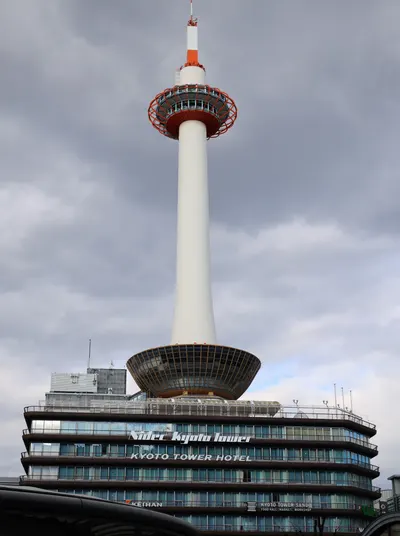
Choosing the right place to stay can make or break your trip to Kyoto. The city is compact, but the differences between neighborhoods are significant. For the best views, consider staying in the Higashiyama district. This area is known for its traditional architecture and its proximity to the major temples. Many hotels here offer rooms with views of the mountains or the city skyline. The atmosphere is quiet and peaceful, even though it is close to the busy streets. This makes it a great place to relax after a day of sightseeing. Another excellent option is the Arashiyama district. This area is famous for its bamboo grove and its natural beauty. Staying here puts you in the middle of nature, with easy access to the temples and gardens. The views from the hotels in this area are often of the mountains or the river. It is a great choice for travelers who want to escape the city center and enjoy a more tranquil environment. If you prefer a more modern setting, consider staying in the Kyoto Station area. This area is well-connected by public transport, making it easy to get around the city. The hotels here are often newer and more comfortable, with modern amenities. The views are not as scenic as in Higashiyama or Arashiyama, but the convenience is a major plus. This is a great option for travelers who are on a tight schedule or who plan to spend a lot of time exploring the city. When choosing a hotel, look for one that offers a balcony or a terrace. This will allow you to enjoy the views from your room and to relax in the morning or evening. Many hotels in Kyoto also offer traditional Japanese breakfasts, which are a great way to start your day. The food is often fresh and delicious, and it gives you a taste of the local cuisine. Do not be afraid to ask the hotel staff for recommendations. They are often well-informed about the local attractions and can provide valuable tips on how to make the most of your trip. They can also help you with any logistical issues, such as transportation or ticket booking. This level of service can make a big difference in your overall experience. Remember to check the reviews of the hotels before you book. Look for comments about the cleanliness, the service, and the location. This will help you to make an informed decision and to avoid any disappointments. Booking in advance is also important, especially during the summer season. The best hotels fill up quickly, so it is a good idea to book as early as possible. This will ensure that you get the room you want and at a good price. With the right accommodation, your trip to Kyoto will be even more enjoyable. You will have a comfortable base to return to after a day of exploring, and you will be able to relax and recharge. This is essential for maintaining your energy levels and for making the most of your time in the city. So take your time to choose the right place to stay, and you will not regret it. The views from your hotel room will be a constant reminder of the beauty of Kyoto, and they will enhance your overall experience. For more accommodation tips, check out our Explore Bergen.
Best Time to Visit This Summer

Summer in Kyoto spans from June to August, and each month has its own character. June is the start of the rainy season, which brings lush greenery and fewer crowds. The rain can be a nuisance, but it also creates a unique atmosphere. The temples and gardens look especially beautiful when wet, and the air is cooler. This is a good time to visit if you do not mind the rain and want to avoid the peak summer heat. July is the hottest month, with high temperatures and high humidity. This is when the major festivals take place, such as the Gion Matsuri. The city is alive with activity, and the streets are filled with people. However, the heat can be challenging, especially for those who are not used to it. It is important to plan your days carefully, taking breaks in the afternoon and staying hydrated. August is similar to July, with hot and humid weather. However, the crowds start to thin out towards the end of the month, as the summer holiday season ends. This is a good time to visit if you want to experience the summer atmosphere without the peak crowds. The heat is still intense, but it is slightly more manageable. When planning your trip, consider the specific events that take place during your visit. The Gion Matsuri in July is a major highlight, with parades and festivals throughout the city. If you are interested in experiencing this event, plan your trip accordingly. However, be aware that the crowds will be large, and you may need to book your accommodation and tickets in advance. If you prefer a quieter experience, consider visiting in late August or early September. The weather is still warm, but the crowds are smaller, and the city feels more relaxed. This is a good time to explore the lesser-known attractions and to take your time. No matter when you choose to visit, the key is to prepare for the heat. Bring plenty of water, wear light and breathable clothing, and plan your days around the cooler parts of the day. This will help you to enjoy your trip without being overwhelmed by the weather. The summer season in Kyoto is a unique experience, and it is worth the effort to plan your trip carefully. By choosing the right time to visit, you can make the most of your time in the city and create memories that will last a lifetime. So take the time to research the best time for you, and you will be rewarded with an unforgettable trip. For more seasonal travel tips, see our New York City Summer Bucket List: 8 Experiences You Can’t.
Getting There & Getting Around

Reaching Kyoto is easy, with multiple options available. The most popular way is by train from Tokyo, using the Shinkansen bullet train. This is a fast and comfortable way to travel, taking about two hours. The train is punctual and reliable, and the views along the way are beautiful. Alternatively, you can fly into Kansai International Airport, which is about an hour from the city center. From there, you can take a bus or a train to the city. Both options are convenient, and you can choose the one that best fits your schedule and budget. Once in Kyoto, getting around is straightforward. The city has an extensive public transport system, including buses and subways. The bus network covers most of the major attractions, and the fares are reasonable. You can buy a one-day bus pass, which is a good deal if you plan to use the bus frequently. The subway is faster and more comfortable, but it does not cover as many areas. It is a good option for getting between the city center and the airport. For shorter distances, walking is a great option. The city is compact, and many of the attractions are within walking distance of each other. Walking allows you to explore the streets and to discover hidden gems that you might miss if you are always on the move. However, be mindful of the heat, and take breaks in shaded areas. If you are staying in a different part of the city, consider renting a bicycle. This is a fun and eco-friendly way to get around, and it allows you to cover more ground in less time. There are many bike rental shops in the city, and the roads are generally safe for cyclists. Just be aware of the traffic and follow the local rules. Taxis are also available, but they can be expensive, especially during peak hours. They are a good option if you are in a hurry or if you are traveling with a group. Overall, getting around Kyoto is easy and convenient. You can choose the mode of transport that best suits your needs and preferences. With a little planning, you can make the most of your time in the city and explore all that it has to offer. Do not be afraid to ask for directions if you get lost. The locals are friendly and helpful, and they will be happy to point you in the right direction. This is part of the charm of Kyoto, and it is one of the reasons why people love visiting. So relax, enjoy the ride, and let the city guide you. For more transport tips, check out Experience Hanoi Summer: Your Essential Bucket List Guide.
Your Bucket-List Itinerary (3 or 5 day plan)

For a three-day trip, focus on the highlights. Day 1: Start with Fushimi Inari Taisha in the morning. Spend the afternoon at Kinkaku-ji and the surrounding gardens. End the day with a stroll in Gion. Day 2: Visit Arashiyama in the morning, including the bamboo grove and Tenryu-ji temple. Spend the afternoon at the Nishiki Market, trying local foods. End the day at Kiyomizu-dera temple. Day 3: Start with a walk along the Philosopher's Path. Visit the Kyoto National Museum in the afternoon. End the day with dinner in Pontocho Alley. For a five-day trip, add two more days to explore the city in more depth. Day 4: Visit the Kamo River area and the surrounding temples. Spend the afternoon at the Nijo Castle. End the day with a tea ceremony experience. Day 5: Explore the Higashiyama district in more detail. Visit the Yasaka Shrine and the surrounding streets. End the day with a farewell dinner in a traditional restaurant. This itinerary is flexible, and you can adjust it to fit your interests and pace. The key is to balance sightseeing with relaxation, and to allow time to explore on your own. Do not feel pressured to see everything in one day. Take your time, and enjoy the experience. The summer heat can be challenging, so make sure to take breaks and stay hydrated. Use the air-conditioned spaces, such as museums and cafes, to cool down during the hottest part of the day. This will help you to stay fresh and engaged throughout your trip. By following this itinerary, you will be able to see the best of Kyoto and create memories that will last a lifetime. The city is full of surprises, and you are sure to discover something new and exciting with each step. So pack your bags, bring your camera, and get ready for an unforgettable adventure. Kyoto in summer is a unique experience, and it is one that you should not miss. With the right plan, you can make the most of your time in the city and enjoy all that it has to offer. This itinerary is just a starting point, and you can customize it to fit your needs. The goal is to create a trip that is enjoyable and memorable, and that allows you to connect with the culture and the people of Kyoto. So take the time to plan, and you will be rewarded with a trip that you will never forget. For more itinerary ideas, see our Queenstown Hidden Gems: Secret Spots & Local Secrets for.
More guides you may like: Puerto Iguazu Food Itinerary: 5-Day Guide
Free Kyoto trip checklist
Get the printable itinerary outline and packing checklist for Kyoto, sent straight to your inbox.
No spam. One email with your checklist.