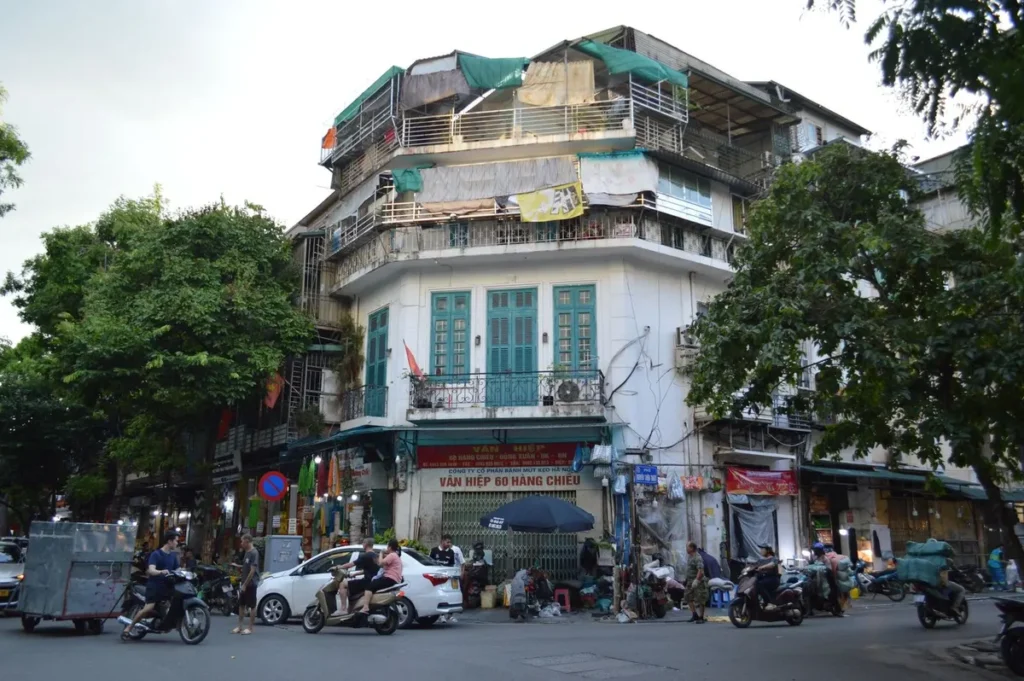

Step off the curb and feel the warm pavement vibrate beneath your shoes as a street vendor flips a sizzling bánh mì over a charcoal grill. The sound of a distant trumpet from a nearby café blends with the chatter of locals bargaining over fresh herbs, creating a soundtrack that feels both timeless and electric. You are not just arriving in a city; you are stepping into a living mosaic where every corner invites a new taste, a fresh view, or a quiet moment of reflection. This opening scene sets the stage for a summer bucket list that goes beyond the usual checklist, promising experiences that will linger long after you leave. What makes Hanoi’s summer uniquely compelling is the way the city balances intense heat with bursts of refreshing shade. Early mornings reveal mist curling over Hoan Kiem Lake, while late afternoons bring sudden showers that cool the streets and release the fragrant aroma of wet stone and blooming frangipani. These shifting conditions encourage travelers to adapt their plans, seeking indoor markets during the midday sun and heading to lakeside promenades when the temperature drops. By embracing this rhythm, you’ll discover a side of Hanoi that many guidebooks overlook. As you read on, you’ll find practical advice woven into vivid descriptions, helping you translate inspiration into action. Each section builds on the last, moving from the big picture of why Hanoi belongs on your summer agenda to detailed itineraries that you can print, save, or share. The goal is simple: give you the confidence to explore, the knowledge to plan, and the excitement to make every day count. Ready to turn curiosity into a concrete plan? Let’s begin by looking at why Hanoi’s summer energy makes it a bucket‑list destination worth prioritizing.
Free Hanoi trip checklist
Get the printable itinerary outline and packing checklist for Hanoi, sent straight to your inbox.
No spam. One email with your checklist.
The Big Picture: Why Hanoi Belongs on This Summer’s Bucket List

Hanoi’s summer appeal starts with its ability to offer both iconic landmarks and intimate neighborhood vibes within walking distance. The Old Quarter’s narrow lanes, lined with centuries‑old tube houses, provide a backdrop for spontaneous discoveries like a hidden tea shop or a pop‑up art stall. Just a short ride away, the imposing Ho Chi Minh Mausoleum and the serene Temple of Literature remind visitors of the city’s deep historical roots. This blend of grandeur and intimacy creates a travel experience that feels both expansive and personal. Beyond sightseeing, the city’s culinary scene explodes with seasonal specialties that are best enjoyed under the summer sun. Street vendors serve up bowls of bun cha grilled over open flames, while floating markets on the Red River offer fresh fruit shakes that taste like liquid sunshine. These food moments are not just meals; they are cultural touchstones that connect you to the rhythms of daily life in Hanoi. Pairing a dish with a local beer or a glass of sugarcane juice becomes a ritual that marks each day’s adventure. The summer calendar also brings a series of festivals and outdoor performances that animate public spaces. From traditional water puppet shows on Hoan Kiem Lake to modern music festivals in the parks, there is always something happening that invites participation. These events provide natural opportunities to meet locals, learn a few Vietnamese phrases, and gain insights that no guidebook can fully capture. Engaging with these celebrations transforms a simple visit into a story worth telling. Finally, Hanoi’s accessibility makes it an ideal base for exploring northern Vietnam. Day trips to the limestone karsts of Ninh Binh, the ancient town of Duong Lam, or the scenic beaches of Halong Bay are all achievable within a few hours. This flexibility lets you tailor your summer bucket list to include both urban excitement and natural escapes, ensuring a balanced itinerary that satisfies varied interests. For more inspiration on blending city culture with natural beauty, check out our guide on Explore Bergen and see how other travelers combine urban and landscape experiences.
The Bucket List: 6-8 Must-Do Experiences

- Watch the sunrise over Hoan Kiem Lake – Arrive before the crowds to see the lake’s surface glow pink as the early light hits the Turtle Tower. The quiet atmosphere lets you hear the gentle lapping of water and the distant calls of early‑morning joggers. Bring a light jacket, as the breeze off the water can be cool even in summer.
- Savor a bowl of bun cha at a local stall – Seek out the famous bun cha joints in the Old Quarter where grilled pork patties sit atop a bed of rice noodles, fresh herbs, and a tangy dipping sauce. The smoky aroma and the crunch of pickled vegetables create a flavor profile that defines Hanoi street food.
- Explore the Temple of Literature at midday – This historic Confucian university offers shaded courtyards and intricate stone steles that tell stories of scholars past. Visiting during the heat of the day lets you appreciate the cool stone interiors and the peaceful gardens that provide a respite from the bustling streets.
- Take a cyclo ride through the French Quarter – Let a driver pedal you past grand colonial buildings, tree‑lined avenues, and bustling cafes. The slow pace offers a unique perspective on architectural details you might miss while walking, and the open‑air seat lets you feel the summer breeze.
- Enjoy a water puppet show on Hoan Kiem Lake – This traditional art form dates back centuries and features wooden puppets dancing on a water stage accompanied by live music. The performances often depict rural life and folklore, providing a cultural glimpse that is both entertaining and educational.
- Visit the Vietnam Museum of Ethnology – Spend an afternoon exploring exhibits that showcase the diverse cultures of Vietnam’s 54 ethnic groups. The outdoor garden features authentic traditional houses, allowing you to step inside and imagine daily life in different regions.
- Shop for souvenirs at Dong Xuan Market – This sprawling indoor market is the perfect place to find silk scarves, handicrafts, and local snacks. Bargaining is expected, so start with a friendly smile and be ready to negotiate for the best price.
- Take a day trip to Ninh Binh’s Trang An landscape – Just two hours south, the limestone karsts and winding rivers create a scenery reminiscent of Halong Bay but with fewer crowds. A boat tour through the caves offers cool shade and stunning photo opportunities. Each of these experiences can be found detailed in other destination guides on our site; for example, see how we approach market exploration in Discover San Marino Before Summer.
Best Photo Spots & Scenic Vistas

Hanoi’s summer light creates a photographer’s playground, with golden hours that stretch long enough to capture both architectural details and lively street scenes. Begin your visual journey at the Long Bien Bridge, where the steel lattice frames the Red River at sunrise, offering silhouettes of passing trains and the soft glow of morning mist. The bridge’s pedestrian walkway lets you move safely while shooting long‑exposure shots of the water’s movement. Next, head to the Ho Chi Minh Mausoleum complex. The imposing granite structure contrasts beautifully with the surrounding green lawns, especially when the late afternoon sun casts long shadows across the marble. Capture the changing of the guard ceremony for a dynamic shot that adds a sense of ceremony to your feed. For a more intimate perspective, wander into the hidden courtyards of the Old Quarter. Narrow alleys open onto small gardens where bougainvillea spills over stone walls, creating vibrant color pops against the muted tones of aged wood. These spots are ideal for portrait‑style photos that highlight texture and depth. The West Lake area provides expansive water views that are perfect for sunset photography. Walk along the shaded path and capture the sun dipping behind the pagodas, turning the water into a mirror of orange and purple hues. A tripod will help you keep the camera steady for those low‑light moments. If you enjoy aerial perspectives, consider a short ride to the Hanoi Flag Tower. The climb rewards you with a panoramic view of the cityscape, where rooftops blend with greenery and distant hills. The view is especially striking on clear summer days when the humidity creates a soft haze that adds depth to the landscape. Finally, don’t overlook the vibrant night markets that light up after dark. Stalls illuminated by strings of lanterns create a festive atmosphere perfect for capturing candid moments of locals enjoying street food and live music. Use a fast lens to freeze the motion and preserve the ambiance. For tips on shooting in humid conditions, refer to our article on Uncover Rio de Janeiro, which covers similar challenges in tropical environments.
Where to Stay for the Best Views

Choosing the right accommodation can elevate your Hanoi summer experience from comfortable to unforgettable. If you prioritize skyline views, consider a boutique hotel in the French Quarter that offers rooftop terraces overlooking the Hoan Kiem Lake area. These properties often feature infinity pools that seem to blend with the horizon, providing a refreshing escape after a day of exploring. Look for rooms with floor‑to‑ceiling windows to maximize the natural light that floods in during the morning hours. For travelers who want to be immersed in the Old Quarter’s energy, a heritage guesthouse housed in a restored tube house delivers authentic charm. Many of these guesthouses have small courtyards where you can enjoy a cup of Vietnamese coffee while listening to the distant hum of motorbikes. The thick walls keep interiors cooler during the peak summer heat, and the hosts often share personalized tips on the best street food stalls and hidden temples. If you prefer a quieter setting with easy access to nature, a serviced apartment near West Lake offers spacious layouts and balcony views of the water. These accommodations typically include kitchenettes, allowing you to prepare light meals using fresh ingredients from nearby markets. The lakeside promenade is just a short walk away, perfect for early‑morning jogs or evening strolls. Budget‑conscious travelers will find excellent value in well‑rated hostels that offer private rooms with air conditioning and communal rooftop lounges. These lounges often host social events like movie nights or cultural talks, providing opportunities to meet fellow travelers and exchange tips on navigating the city. When booking, always verify the latest policies directly with the property, as amenities such as pool access or breakfast inclusions can change seasonally. For additional insights on selecting accommodations that balance location and comfort, see our guide on London Summer Trip, which outlines similar considerations for a different urban destination. Ultimately, the best place to stay is one that aligns with your itinerary’s rhythm, whether you crave the buzz of the Old Quarter at night, the tranquility of a lakeside retreat, or the luxury of a rooftop pool with city views.
Best Time to Visit This Summer

Hanoi’s summer season runs roughly from May through September, but the experience varies month by month, allowing you to tailor your trip to your tolerance for heat and rainfall. May marks the transition from spring, with temperatures climbing into the low thirties Celsius and occasional afternoon showers that refresh the streets. This month is ideal if you enjoy vibrant greenery, as the city’s parks and tree‑lined avenues are at their lushest. June brings the peak of early summer heat, with daily highs often reaching the mid‑thirties. Humidity rises, making the air feel heavier, but the frequent brief thunderstorms in the late afternoon can provide dramatic cooling breaks. If you plan to be outdoors, schedule strenuous activities like temple visits or market explorations for the early morning or late evening when the sun is less intense. July and August are the hottest and wettest months, characterized by intense sunshine punctuated by powerful, short‑duration downpours. These rains often arrive suddenly, turning streets into reflective surfaces that create striking photo opportunities. Carry a lightweight poncho or a compact umbrella to stay dry while still being able to move quickly between sights. Indoor attractions such as museums, galleries, and cafes become especially appealing during the midday downpours. September signals the retreat of the summer monsoon, with temperatures beginning to ease and rainfall decreasing in frequency. The weather becomes more predictable, making it a favorite month for travelers who want warm days without the extreme humidity of midsummer. The city’s outdoor festivals and open‑air concerts often continue into early September, offering cultural events that are less crowded than the peak summer weeks. Regardless of the month you choose, always check the latest forecast a few days before departure and pack accordingly. Light, breathable fabrics, a wide‑brimmed hat, and sturdy walking shoes are essentials. For a deeper look at packing strategies for tropical climates, you might find our article on Uncover Sydney's Secrets useful, as it addresses similar considerations for humid environments. By aligning your travel dates with the specific weather patterns that suit your preferences, you can maximize comfort and ensure that each day of your Hanoi summer bucket list feels enjoyable rather than exhausting.
Getting There & Getting Around

Most international travelers arrive at Noi Bai International Airport, located about 30 kilometers northeast of the city center. From the airport, you have several reliable options to reach your accommodation. The most convenient is a pre‑booked private transfer, which offers a direct ride in an air‑conditioned vehicle and allows you to relax after your flight. If you prefer public transport, the airport shuttle bus runs regularly to major hotels and the Old Quarter, providing an economical choice that still offers comfort. Once in the city, getting around is a mix of walking, cycling, and motorbike taxis known locally as ‘xe om’. The Old Quarter’s compact layout makes it perfect for exploring on foot; you can easily cover several blocks in a short time while discovering hidden alleys and street‑food stalls. For longer distances, consider renting a bicycle from one of the many shops near Hoan Kiem Lake. The city’s flat terrain and expanding network of bike lanes make cycling a pleasant way to see the sights at your own pace. Motorbike taxis are ubiquitous and can be hailed from the street or booked via ride‑hailing apps. Agree on a price before you start the ride, or use the app’s fare estimate to avoid surprises. This mode of transport is especially useful during peak heat when you want to minimize exposure to the sun while still reaching destinations quickly. Public buses operate throughout Hanoi and cover routes to attractions such as the Temple of Literature, the Vietnam Museum of Ethnology, and the outer districts. Buses are inexpensive, but they can be crowded during rush hour, and signage is primarily in Vietnamese, so having a translation app handy helps you navigate stops. If you plan to take day trips to destinations like Ninh Binh or Halong Bay, many tour operators offer pick‑up services from central hotels. These tours typically include transportation, a guide, and entrance fees, simplifying logistics for travelers who prefer a guided experience. Always keep a copy of your passport and travel insurance details accessible, and consider downloading offline maps of the city in case you lose internet connectivity. For additional advice on navigating urban environments in Southeast Asia, our guide on Medellin Travel Guide offers practical tips that translate well to Hanoi’s streets. With a clear plan for arrival and intra‑city movement, you’ll spend less time worrying about logistics and more time enjoying the experiences that make your Hanoi summer bucket list unforgettable.
Your Bucket-List Itinerary (3 or 5 day plan)

Option 1: 3‑Day Highlights Day 1 – Arrival and Old Quarter Immersion
- Morning: Land at Noi Bai, transfer to hotel, freshen up.
- Late morning: Begin a walking tour of the Old Quarter, stopping at Dong Xuan Market for a quick snack and to observe local commerce.
- Afternoon: Visit Hoan Kiem Lake and Ngoc Son Temple; enjoy a coffee at a lakeside café.
- Evening: Explore the night market on Ta Hien Street, try grilled pork skewers and fresh sugarcane juice.
Day 2 – Cultural Deep Dive
- Morning: Head to the Temple of Literature, spend time in the courtyards and the adjacent Quan Thanh Temple.
- Late morning: Walk to the nearby Vietnam Museum of Ethnology to explore indoor exhibits and the outdoor traditional houses.
- Afternoon: Lunch at a local restaurant serving bun cha or pho, then relax at your hotel or a nearby park.
- Evening: Catch a water puppet show on Hoan Kiem Lake, followed by a leisurely stroll around the illuminated perimeter.
Day 3 – Scenic Outskirts and Departure
- Morning: Take a guided tour to Ninh Binh’s Trang An landscape (approximately 2‑hour drive each way). Enjoy a boat ride through limestone caves and visit Bai Dinh Pagoda.
- Afternoon: Return to Hanoi, freshen up, and collect luggage.
- Late afternoon: Depending on flight time, enjoy a final coffee or snack at a sidewalk cafe before heading to the airport.
Option 2: 5‑Day Expanded Experience
Day 1 – Arrival and Orientation
- Same as Day 1 of the 3‑day plan.
Day 2 – Old Quarter and Lakeside
- Morning: Guided walking tour focusing on hidden temples and colonial architecture in the French Quarter.
- Afternoon: Rent a bicycle and ride around West Lake, stopping at Tran Quoc Pagoda for photos.
- Evening: Dinner at a riverside restaurant featuring grilled fish and fresh herbs.
Day 3 – Museums and Markets
- Morning: Visit the Vietnam Museum of Ethnology.
- Late morning: Explore the Fine Arts Museum to see contemporary Vietnamese works.
- Afternoon: Lunch at a bustling street‑food alley, then browse the handicraft stalls at Hang Gai Street for silk and lacquerware.
- Evening: Free time to relax at your hotel’s rooftop pool or enjoy a spa treatment.
Day 4 – Day Trip to Halong Bay
- Early morning: Depart for Halong Bay (approximately 3‑hour drive). Join a cruise that includes kayaking, cave exploration, and a seafood lunch on board.
- Late afternoon: Return to Hanoi, freshen up.
- Evening: Light dinner and early rest.
Day 5 – Final Exploration and Departure
- Morning: Revisit a favorite spot from earlier in the trip, perhaps a quiet café or a scenic viewpoint you missed.
- Late morning: Last‑minute souvenir shopping at the Night Market or a boutique in the Old Quarter.
- Afternoon: Check out of accommodation, transfer to Noi Bai Airport for departure. Both itineraries are designed to be flexible; feel free to swap activities based on weather, personal interest, or energy levels. Remember to verify opening hours, tour availability, and any entry requirements directly with providers before your trip, as details can change. For additional inspiration on multi‑day planning in other locales, see our article on Discover Barcelona, which outlines a similar approach to balancing city highlights with day trips.
More guides you may like: Kilimanjaro Food Guide