Free Prague trip checklist
Get the printable itinerary outline and packing checklist for Prague, sent straight to your inbox.
No spam. One email with your checklist.
Hook Intro: Feel the Pulse of Prague Before the Summer Rush

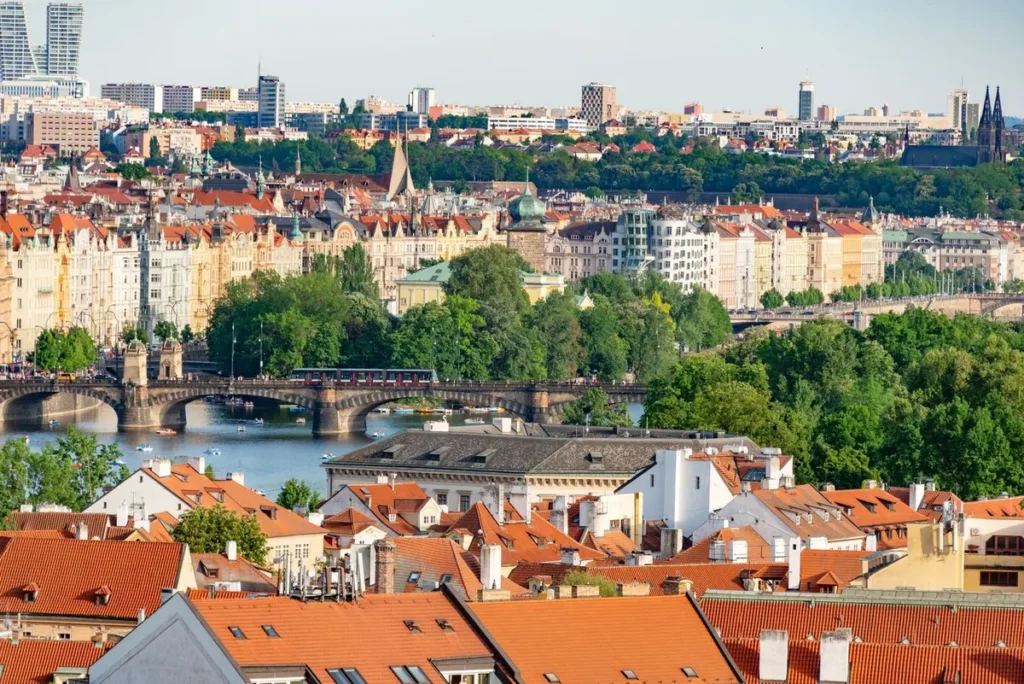
Feel the first light hit the Charles Bridge as the city awakens, and you’ll sense a rhythm that most tourists miss. Imagine walking the cobblestones of Old Town Square while the astronomical clock chimes, yet the crowds are still thin enough to hear your own footsteps. This moment offers a curiosity gap: what hidden corners of Prague stay quiet just long enough for you to claim them as your own before summer swarms in? In the following sections, we reveal the spots that are already whispering about change, the local flavors that define a season, and a practical plan to experience the city on your terms. Start your morning with a quiet walk along the Vltava River’s western bank, where joggers and early‑rise fishermen share the path with few visitors. The water reflects the pastel façades of Malá Strana, and the scent of fresh bread drifts from a nearby bakery that opens before 7 a.m. Grab a warm rohlík and a cup of strong Czech coffee, then cross the Legion Bridge to find the tucked‑away garden of Vojanovy sady, a peaceful oasis rarely mentioned in guidebooks. As the sun climbs, head toward the lesser‑known Vyšehrad fortress. Its ancient walls offer sweeping views of the city’s red rooftops, and the surrounding park feels like a secret garden where locals practice yoga or read under the shade of old lindens. You’ll notice the contrast: just a few kilometers away, Wenceslas Square begins to fill with tour groups, but here the pace remains relaxed. By midday, treat yourself to a plate of svíčková at a family‑run hospoda that has been serving the same recipe for generations. The creamy sauce, tender beef, and dollop of cranberry compote taste like a hug from the past. After lunch, wander the side streets of Žižkov, where murals cover old warehouses and independent cafés serve craft beer brewed in micro‑breweries tucked behind unmarked doors. As evening approaches, climb the Petřín Hill funicular just before the lines grow long. At the top, the mirror maze and the miniature Eiffel Tower provide playful photo ops, while the surrounding gardens offer quiet benches perfect for watching the sunset paint the sky over Prague’s spires. This early‑evening calm is the reward for those who arrive before the peak summer rush. These opening experiences set the tone for a trip that feels personal and authentic. They also highlight the urgency: each of these spots is gaining attention on social media and travel blogs, and the window to enjoy them without crowds is narrowing fast. The next sections dive deeper into why these places are changing, which specific spots to prioritize, and how to build a flexible itinerary that lets you savor Prague’s summer magic before it transforms.
Why These Spots Won’t Stay Quiet Much Longer

Prague’s charm has long drawn visitors, but recent shifts are accelerating the pace of change. The city’s historic core, once a preserve of locals and slow‑travel enthusiasts, is now appearing in Instagram reels and TikTok travel compilations that showcase its fairy‑tale architecture and vibrant street life. As these clips gain millions of views, algorithm‑driven recommendations push Prague onto the radars of travelers who previously opted for other European capitals. Infrastructure upgrades are also playing a role. The city has invested in new tram lines, expanded bike‑share programs, and renovated pedestrian zones that make getting around easier than ever. While these improvements benefit residents, they also lower the barrier for day‑trippers and short‑stay visitors who can now hop from the airport to the city center in under 30 minutes. The result is a steady increase in foot traffic at popular plazas, museums, and viewpoints that were once quieter after the morning rush. Another factor is the rise of experiential travel. Modern travelers seek more than sightseeing; they want to taste local food, join workshops, and interact with artisans. Prague’s culinary scene, think modern takes on goulash, craft beer halls, and farm‑to‑table bistros, has responded with pop‑up events, food‑market nights, and cooking classes that fill up weeks in advance. As word spreads about these offerings, the neighborhoods that host them, such as Karlín and Holešovice, see a surge in visitors eager to participate. Finally, the city’s cultural calendar is expanding. Summer music festivals, open‑air cinema nights, and historical reenactments now draw crowds that stretch from late May through early September. While these events enrich the visitor experience, they also concentrate people in specific areas, turning formerly tranquil parks and riverbanks into bustling gathering spots. All of these dynamics mean that the quiet corners you enjoyed today may look very different next year. Recognizing this shift helps you prioritize which spots to visit now, which experiences to book ahead, and how to structure your days to capture Prague’s authentic spirit before the summer crowds permanently reshape the landscape.
The Spots to See Before the Crowds Arrive (Numbered List)

- Vojanovy sady Garden – Tucked behind the Karmelitská street in Malá Strana, this baroque garden feels like a hidden courtyard. Ancient trees, a small pond, and a quiet fountain create a retreat where locals read or practice tai chi. Visit early in the morning to enjoy the mist rising off the water and the soft chirping of birds before tour groups arrive.
- Vyšehrad Fortress and Park – Often overlooked for the Prague Castle complex, Vyšehrad offers panoramic views of the Vltava and the city’s skyline. Walk the ancient ramparts, explore the Basilica of St. Peter and St. Paul, and relax in the surrounding park where families picnic and joggers loop the trails. The site’s relatively low profile means you can explore at your own pace.
- Žižkov Television Tower’s Hidden Crawl Space – While the tower itself is a tourist magnet, the surrounding park contains a lesser‑known network of concrete tunnels and graffiti‑covered walls that urban explorers love. Access is free, and the space offers a cool escape from the summer heat, especially in the late afternoon when shadows lengthen.
- Kampa Island’s Quiet Waterfront – The island’s eastern shore, away from the bustling Museum Kampa, features a serene promenade lined with willow trees. Here you can watch swans glide across the water, enjoy a quiet picnic, or rent a paddleboat without the long lines found at the more popular western side.
- Divoká Šárka Nature Reserve – A short tram ride north of the city center brings you to this rugged valley with sandstone cliffs, forest trails, and a natural swimming pool. Locals flock here on weekends for hiking and cliff diving, but arriving on a weekday morning grants you near‑solitude amid breathtaking scenery.
- Náplavka Riverside Farmers’ Market (Saturday Morning) – While the market draws crowds later in the day, arriving at 8 a.m. lets you stroll among stalls selling fresh cheese, smoked fish, and artisan breads before the weekend rush. The atmosphere is lively yet relaxed, and you can chat directly with producers about their products.
- St. Nicholas Church’s Lesser‑Known Crypt – Most visitors admire the church’s baroque interior, but few descend into the crypt where quiet chapels and historic tombs offer a contemplative space. The cool stone corridors provide a break from the summer heat and a chance to reflect on Prague’s layered history.
- Letná Park’s Hidden Meadow – Beyond the famous beer garden and metronome, a secluded meadow on the park’s western edge offers wide‑open views of the city without the crowds. Bring a blanket, a book, and enjoy a sunset that paints the rooftops in gold while the city hums softly in the distance. Each of these locations provides a distinct slice of Prague’s character, whether it’s tranquil nature, historic depth, or local vibrancy. Prioritizing them now ensures you experience the city’s authentic side before increased visibility transforms the atmosphere.
What’s Changing in Prague Right Now

Prague’s transformation is visible in both tangible developments and subtle cultural shifts. One of the most noticeable changes is the rise of boutique hotels and design hostels occupying renovated historic buildings. These establishments often feature rooftop bars, locally sourced breakfast menus, and curated art installations that attract a younger, experience‑driven traveler. As these properties gain popularity, the surrounding streets see increased foot traffic, new cafés, and pop‑up shops that cater to guests seeking Instagram‑worthy moments. The city’s public transportation network is also evolving. Recent extensions to the metro’s Line A and the introduction of new tram routes have reduced travel times between the airport, the city center, and emerging neighborhoods like Libuš and Pankrác. This improved connectivity encourages day trips from nearby towns and makes it easier for visitors to explore districts that were once considered off the beaten path. Another shift is the growth of experiential tourism. Cooking classes that teach how to make traditional dumplings (knedlíky), beer‑brewing workshops in micro‑breweries, and guided street‑art tours in Žižkov now fill up weeks ahead of time. These activities not only provide deeper cultural immersion but also concentrate visitors in specific neighborhoods, prompting local businesses to adapt their hours and offerings. Environmental initiatives are also shaping the cityscape. Prague has expanded its network of bike lanes, introduced electric‑bus fleets on major routes, and launched river‑clean‑up projects along the Vltava. While these efforts improve quality of life for residents, they also make the city more appealing to eco‑conscious travelers who prioritize sustainable destinations. Finally, the digital footprint of Prague is growing. Local influencers and travel blogs regularly highlight hidden courtyards, secret speakeasies, and panoramic viewpoints, driving curious travelers to seek out these spots. As a result, places that once relied on word‑of‑mouth recommendations now see steady streams of visitors guided by online maps and curated lists. Understanding these changes helps you anticipate where crowds may appear, which experiences may require advance booking, and how to balance popular attractions with quieter alternatives. By staying informed, you can adapt your plans on the fly and still capture the essence of Prague’s evolving summer landscape.
Local Food You Must Try While You’re There

Prague’s culinary identity is rooted in hearty, comforting dishes that reflect centuries of Bohemian tradition. Start with svíčková na smetaně, a marinated beef sirloin served with a creamy vegetable sauce, a dollop of cranberry compote, and a slice of lemon. The dish is traditionally accompanied by bread dumplings that soak up the rich sauce, creating a satisfying bite that balances savory and sweet notes. Next, try guláš, a slow‑cooked beef stew flavored with paprika, caraway, and garlic. Unlike its Hungarian cousin, the Czech version tends to be thicker and is often served with fresh bread or dumplings. Look for a version that includes a hint of marjoram for an authentic local touch. For a quick street‑food snack, seek out trdelník, a spit‑cake rolled in sugar and nuts, then grilled until golden. While popular with tourists, many locals enjoy it warm from a market stall, especially when filled with vanilla ice cream or whipped cream for a decadent treat. If you prefer something savory, order vepřo‑knedlo‑zelo, the classic combo of roasted pork, bread dumplings, and sauerkraut. The pork is typically seasoned with caraway and garlic, resulting in a tender, flavorful cut that pairs perfectly with the tangy cabbage and soft dumplings. Another must‑try is bramboráky, crispy potato pancakes mixed with onions, garlic, and herbs, then pan‑fried until golden. They are often served with a dollop of sour cream or a sprinkle of smoked bacon bits, making them a beloved comfort food especially during cooler summer evenings. Don’t miss the chance to sample sýr smažený, fried cheese, usually a block of Edam or Hermelín coated in breadcrumbs and fried until melty inside and crisp outside. It is commonly accompanied by tartar sauce and a wedge of lemon, offering a delightful contrast of textures. For dessert, indulge in ovocné knedlíky, fruit‑filled dumplings made with dough wrapped around fresh plums, strawberries, or blueberries, then boiled and topped with melted butter, sugar, and a sprinkle of ground poppy seeds. The warm, juicy burst of fruit inside the soft dough is a perfect end to a meal. When dining, look for hospodas and traditional restaurants that source ingredients from local farms and breweries. Many establishments proudly display the Czech lion emblem, indicating they follow authentic recipes. Pair your meal with a glass of world‑renowned Czech pilsner, pale, crisp, and slightly bitter, or try a locally brewed dark ale for a richer flavor profile. By seeking out these dishes, you’ll taste the layers of history that shape Prague’s food culture, from medieval influences to modern twists that keep the cuisine vibrant and relevant.
Best Time to Visit Before Peak Season

Timing your Prague trip can make the difference between a relaxed exploration and a scramble through crowds. The city’s high season typically runs from mid‑June through late August, when schools are on holiday and international visitors flock to the capital for festivals, outdoor concerts, and long daylight hours. During this period, accommodation prices rise, popular attractions develop queues, and the atmosphere in historic squares can feel bustling rather than tranquil. To enjoy Prague’s summer charm while avoiding the peak rush, aim for the shoulder windows of early‑June or late‑August through mid‑September. In early‑June, the weather is comfortably warm, average highs hover around 22 °C (72 °F), and the city’s gardens are in full bloom. Tourist numbers are still modest, allowing you to wander the Charles Bridge or climb Petřín Hill without lengthy waits. Late‑August to mid‑September offers a similar advantage. Summer heat begins to ease, with temperatures often ranging from 20 °C to 25 °C (68 °F to 77 °F). The crowds that peaked in July start to thin as families return home for the school year, yet many outdoor cafés, river cruises, and open‑air events remain active. This window also coincides with the grape‑harvest season in nearby Moravia, giving you the chance to take a day trip to sample young wines and enjoy scenic vineyard views. If you prefer cooler weather and even fewer visitors, consider early‑October. While technically outside the summer range, the city’s autumn colors add a romantic hue to the parks and riverbanks, and tourist traffic drops significantly. Just be prepared for occasional rain and pack a light waterproof layer. Regardless of when you travel, keep an eye on local event calendars. Major festivals such as the Prague Fringe Festival (late May‑early June) or the Signal Festival of light (mid‑October) can draw concentrated crowds to specific areas. Checking schedules ahead of time lets you plan alternative routes or adjust your itinerary to maintain a relaxed pace. By selecting the right weeks, you’ll experience Prague’s summer vitality, long daylight, lively street life, and abundant outdoor dining, while still having the space to savor quiet moments in hidden gardens, riverside promenades, and neighborhood cafés that retain their local character.
Practical Tips (currency, transport, safety, language)

Traveling confidently in Prague starts with a few practical basics. The official currency is the Czech koruna (CZK). While many hotels, restaurants, and larger shops accept credit and debit cards, smaller cafés, market stalls, and public transport ticket machines often prefer cash. It’s wise to carry a modest amount of koruna for these situations; you can withdraw cash from ATMs that typically offer competitive exchange rates, especially if you choose to be charged in the local currency rather than your home currency. Public transportation is efficient and affordable. The integrated system includes metro lines, trams, and buses, all operating under a single ticket framework. Purchase a short‑term pass (24‑hour or 72‑hour) if you plan to use transit frequently; these passes validate across all modes and can be bought at ticket machines, newsstands, or via the PID Lítačka app. Remember to validate your ticket before boarding, inspectors do random checks, and riding without a valid ticket can result in a fine. For getting from Václav Havel Airport to the city center, the Airport Express (AE) bus runs directly to the main train station (Hlavní nádraží) in about 30 minutes. Alternatively, take the AE bus to the Nadraží Veleslavín metro station and transfer to Line A for a quick ride into the center. Taxis and ride‑share services are also available, but agree on a price or ensure the meter is running to avoid overcharging. Safety-wise, Prague ranks as one of Europe’s safer capitals. Pickpocketing can occur in crowded areas such as Old Town Square, the Charles Bridge, and major transit hubs, especially during peak tourist hours. Keep your wallet in a front pocket or a zippered bag, and stay aware of your surroundings when navigating busy squares or tram stops. The official language is Czech, but English is widely spoken in hotels, restaurants, and tourist attractions, particularly among younger staff. Learning a few basic greetings, such as "Dobrý den" (good day), "Děkuji" (thank you), and "Promiňte" (excuse me), goes a long way in showing respect and often elicits warmer interactions. Signs in the metro and major museums are typically bilingual, making navigation straightforward. When it comes to dining, remember that many restaurants add a 10 % service charge to the bill; check whether it’s already included before leaving an additional tip. If service charge is absent, rounding up the total or leaving 5‑10 % is customary. Finally, keep a digital or paper copy of your passport, travel insurance details, and emergency contact numbers. The European emergency number 112 works for police, medical, and fire services throughout the Czech Republic. By attending to these details, you’ll navigate Prague smoothly and focus on enjoying its summer sights, sounds, and flavors.
A Beat-the-Crowds Itinerary (3 or 5 day plan)

3‑Day Essentials Day 1 – Historic Core & Riverside Calm
Morning: Arrive, drop luggage, and grab a quick breakfast of fresh rohlík and coffee at a bakery near Powder Tower. Walk to the Charles Bridge just after sunrise to enjoy the early light and minimal crowds. Cross the bridge and explore the quieter side of Malá Strana, stopping at Vojanovy sady garden for a peaceful pause.
Midday: Head to Old Town Square to see the astronomical clock, then duck into the nearby St. Nicholas Church crypt for a reflective moment.
Afternoon: Lunch at a traditional hospoda in Žižkov, trying svíčková with bread dumplings. After eating, wander the Žižkov murals and visit the lesser‑known TV tower crawl space for an urban‑exploration twist.
Evening: Take the funicular up Petřín Hill just before the lines grow long. Explore the mirror maze, enjoy the views from the miniature Eiffel Tower, and find a quiet bench to watch the sunset over the city’s rooftops. Day 2 – Castle Heights & Local Flavors
Morning: Purchase a 2‑day tram pass and ride to Prague Castle. Arrive right at opening to beat the tour‑group rush. Explore St. Vitus Cathedral, the Old Royal Palace, and the Golden Lane, then exit via the less‑crowded North Gardens for a panoramic view of the city.
Midday: Descend to Malá Strana and enjoy lunch at a riverside café, sampling guláš and a pint of local pilsner.
Afternoon: Cross the Charles Bridge again (now livelier) and head to Kampa Island’s eastern shore for a relaxed walk along the water. Rent a paddleboat if you feel active, or simply sit on a bench and watch the Vltava flow.
Evening: Return to the city center and explore the vibrant food stalls at Náplavka Riverside Market (if it’s a Saturday). Try trdelník with ice cream or a savory bramborák, then finish with a glass of Moravian white wine at a nearby wine bar. Day 3 – Neighborhood Gems & Green Escape
Morning: Take the tram to Vyšehrad. Spend the morning exploring the fortress, the basilica, and the peaceful park where locals jog and practice yoga.
Midday: Picnic in the park with ingredients picked up from a local market, cheese, fresh fruit, and crusty bread.
Afternoon: Head north to Divoká Šárka Nature Reserve. Hike the sandstone trails, dip your toes in the natural pool, and enjoy the quiet forest atmosphere.
Evening: Return to the city for a relaxed dinner in Karlín, trying vepřo‑knedlo‑zelo or a vegetarian option like fried cheese with tartar sauce. End the night with a leisurely stroll along the illuminated riverfront before heading back to your accommodation. 5‑Day Deep Dive
Add two extra days to the 3‑day plan for deeper immersion. Day 4 – Art, Beer & Alternative Vibes
Morning: Visit the DOX Centre for Contemporary Art in Holešovice to see cutting‑edge exhibitions.
Midday: Lunch at a Holešovice micro‑brewery, tasting a flight of locally brewed ales and a plate of fried cheese.
Afternoon: Explore the industrial‑chic streets of Holešovice, visiting independent galleries and a community garden where locals grow herbs.
Evening: Experience a live jazz session at a basement club in Žižkov, then enjoy a nightcap of herbal liqueur at a speakeasy‑style bar. Day 5 – Day Trip to Kutná Hora
Morning: Take a train to Kutná Hora (about 1 hour). Arrive early to explore the UNESCO‑listed Sedlec Ossuary (the Bone Church) and the stunning St. Barbara’s Cathedral.
Midday: Lunch at a local tavern trying Kutná Hora’s speciality, marinated beef with horseradish sauce.
Afternoon: Wander the historic silver‑mining town, visit the Italian Court, and enjoy a quiet walk along the Vrchlice River before returning to Prague in the late evening. This structure gives you flexibility: choose the 3‑day version for a quick, impactful trip, or extend to 5 days for a richer blend of history, nature, food, and local culture. Each day balances must‑see sights with quieter alternatives, helping you savor Prague’s summer charm before the crowds reach their peak.
More guides you may like: Copenhagen Itinerary