
If you’re searching for a copenhagen itinerary that feels fresh and uncrowded, you’ve landed in the right place. Picture a crisp autumn breeze drifting through Tivoli’s lantern‑lit pathways before the holiday rush. In the next few minutes you’ll discover why this city’s fall vibe is a secret worth exploring. We’ll walk you through hidden cafés, lesser‑known museums, and scenic routes that most tourists miss. By the end, you’ll have a clear plan you can save and adapt for your own adventure.
Free Copenhagen trip checklist
Get the printable itinerary outline and packing checklist for Copenhagen, sent straight to your inbox.
No spam. One email with your checklist.
Why These Copenhagen Itinerary Spots Won’t Stay Quiet Much Longer

Copenhagen’s reputation as a design capital and culinary hotspot is spreading fast, especially among Instagram‑savvy travelers. As more people discover the city’s compact charm, the quiet streets of Vesterbro and the canals of Christianshavn are beginning to fill up earlier in the season. Travel writers from Sintra Travel Guide note that once‑off‑the‑beaten‑path neighborhoods quickly become must‑see attractions. If you wait until the peak summer months, you’ll likely face longer lines at the Little Mermaid statue and crowded bike lanes on the Øresund Bridge. By planning your copenhagen itinerary now, you can experience the city’s fall colors, from the amber leaves in the King’s Garden to the soft mist over the harbor, before they become a backdrop for selfie sticks. The early‑fall window also means lower hotel rates and more room to breathe in the city’s historic quarters. Don’t let the season slip by, secure these spots while they’re still tranquil, and you’ll return with stories of quiet canals and cozy cafés rather than crowded tourist traps.
Copenhagen Itinerary: The Spots to See Before the Crowds Arrive

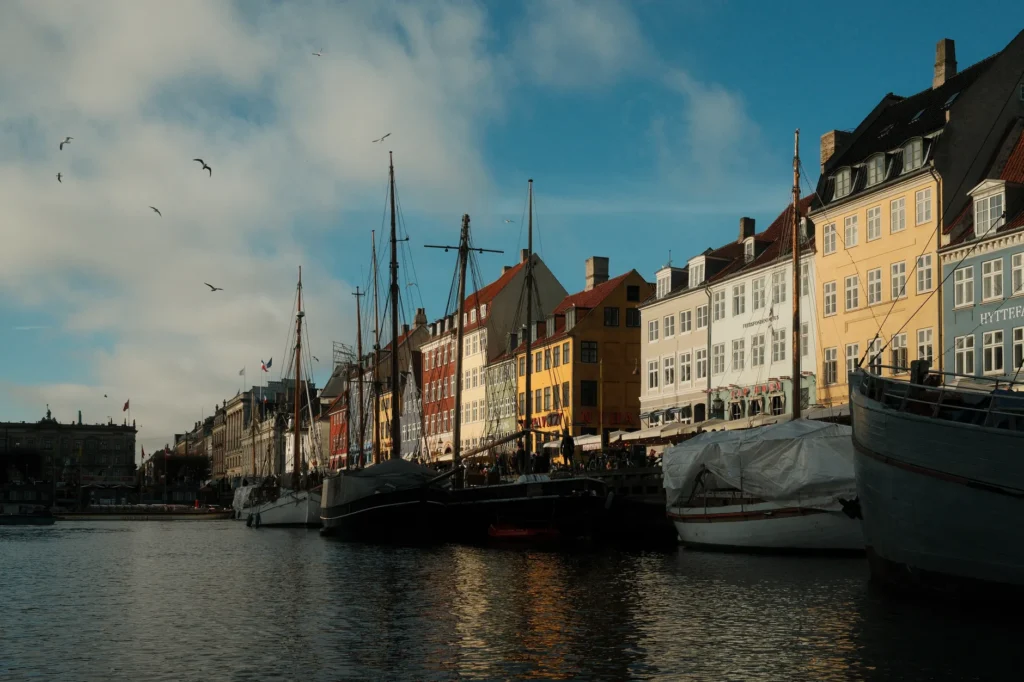
- Nyhavn at Dawn – Arrive before sunrise to watch the harbor glow under pastel skies. The reflections on the historic wooden houses are picture‑perfect, and you’ll avoid the lunchtime throngs.
- Assistens Cemetery – A peaceful park‑like cemetery where famous Danes rest. In October, the maple trees turn vivid orange, offering a serene walk away from the city buzz.
- Torvehallerne Food Market – Sample smørrebrød and fresh seafood early in the morning. Vendors are less busy before the lunch rush, letting you taste local flavors at a relaxed pace.
- The Botanical Garden’s Autumn Display – The garden’s glasshouses stay warm, while the surrounding park showcases a kaleidoscope of fall foliage. It’s a perfect spot for a quiet picnic.
- Christianshavn’s Free Town – Explore the colorful murals and canals early on a weekday. The area feels like an artistic enclave before the weekend crowds arrive.
- Rosenborg Castle Gardens – The king’s summer palace is surrounded by neatly trimmed hedges that turn gold in September. Early visits let you wander the grounds without the school groups.
- Amager Strandpark – A breezy beachside promenade that’s ideal for a sunrise jog. The early morning light makes the sea sparkle, and you’ll have the shoreline largely to yourself. These seven spots form the backbone of a copenhagen itinerary that balances iconic sights with tranquil moments. Feel free to reorder them based on your arrival day, but try to hit each location early for the best experience.
What’s Changing in Copenhagen Right Now

The city is investing heavily in sustainable tourism, expanding bike lanes and adding electric‑bus routes that connect the outer neighborhoods to the city centre. New pop‑up art installations appear in the streets of Nørrebro, giving travelers fresh photo opportunities each week. Copenhagen’s culinary scene is also evolving. Several former industrial warehouses have been converted into modern food halls, where chefs blend Nordic ingredients with global influences. Keep an eye on the opening of the Reffen Street Food Market’s autumn pavilion, which promises a rotating roster of local vendors. The municipal government has launched a “Fall Green Pass” that offers discounted entry to museums and parks for residents and visitors who present a reusable travel card. This initiative aims to spread visitor traffic more evenly throughout the season. Finally, the city’s nightlife is shifting toward smaller, intimate venues. Jazz clubs in the Latin Quarter are hosting late‑night acoustic sets, and rooftop bars are introducing seasonal cocktail menus featuring locally foraged herbs. All these changes make now a perfect time to craft a fresh copenhagen itinerary that captures the city’s dynamic spirit.
Local Food You Must Try While You’re There

Copenhagen’s food culture is built around simplicity, freshness, and a touch of hygge. Start with smørrebrød, the open‑face sandwich piled with pickled herring, roast beef, or liver pâté. Look for it at the stalls in Torvehallerne early in the day. Next, try frikadeller, Danish meatballs seasoned with nutmeg and served with caramelized onions. Many family‑run eateries in the Vesterbro district serve them with creamy potatoes and lingonberry jam. Don’t miss flæskesteg, a crispy‑skin pork roast that’s a staple at holiday tables but appears on menus year‑round. Pair it with red cabbage and boiled potatoes for a hearty lunch. For a quick street snack, grab a rød pølse (red sausage) from a vendor near the City Hall Square. It’s traditionally served with mustard, ketchup, and a side of fried onions. If you have a sweet tooth, seek out wienerbrød (Danish pastry) from a bakery in the Latin Quarter. The buttery layers and almond topping are perfect with a cup of strong coffee. These dishes give you a genuine taste of Copenhagen’s culinary identity and fit nicely into any copenhagen itinerary that values local flavor. Remember to check each vendor’s opening hours, as many markets close early in the fall.
Best Time to Visit Before Peak Season

Late September to early October offers the ideal balance of mild weather, vibrant foliage, and fewer tourists. Average daytime temperatures hover around 14‑17°C (57‑63°F), making it comfortable for walking tours and bike rides. During this window, the city’s parks, especially the King’s Garden and the Botanical Garden, display a spectacular array of autumn colors. The shorter daylight hours also give a magical golden glow to the canals at dusk. If you prefer a slightly cooler climate, aim for the first week of November. While the temperature drops to around 10°C (50°F), the holiday lights begin to twinkle across Strøget, creating a festive atmosphere without the December crowds. Avoid the peak summer months of July and August, when hotel prices spike and the main attractions become congested. By traveling in the early fall, you’ll enjoy lower accommodation rates and more relaxed museum visits. For the most up‑to‑date weather forecasts and any travel advisories, consult the official tourism board at Visit Copenhagen and check the Danish government’s travel information page.
Practical Tips

Currency: Denmark uses the Danish krone (DKK). Credit cards are widely accepted, but it’s wise to carry a small amount of cash for market stalls. Transport: The city’s bike‑share program, Bycyklen, offers electric bikes that make hill climbs effortless. Purchase a Copenhagen Card for unlimited public transport and free entry to many museums. Safety: Copenhagen consistently ranks among the safest capitals in Europe. Nevertheless, keep an eye on your belongings in crowded areas and follow standard city‑travel precautions. Language: Danish is the official language, but most locals speak excellent English, especially in the tourism sector. Learning a few simple phrases, like “Hej” (hello) and “Tak” (thank you), can earn you friendly smiles. Connectivity: Free Wi‑Fi is available in most cafés and public squares. For uninterrupted service, consider buying a local SIM card at the airport. Accessibility: Many attractions are wheelchair‑friendly, but older historic sites may have limited ramps. Check each venue’s accessibility details ahead of time. Lastly, always verify opening hours and ticket requirements on the official websites before you go. For comprehensive city information, refer to Copenhagen on Wikipedia.
A Beat-the-Crowds Itinerary

Day 1 – Arrival & Nyhavn
Start your morning with a leisurely coffee at a café overlooking Nyhavn. Walk the harbor promenade at sunrise, then head to the National Museum for a quick cultural immersion. Lunch at Torvehallerne, sampling smørrebrød. Spend the afternoon exploring the Round Tower before dinner at a cozy Vesterbro bistro. Day 2 – Gardens & Hidden History
Begin at the Botanical Garden, strolling through the greenhouse collections. Continue to Assistens Cemetery, where you can enjoy the autumn canopy and visit the graves of famous Danes. In the late afternoon, wander the streets of Christianshavn, stopping at the Church of Our Saviour for a panoramic view. Evening: try frikadeller at a family‑run eatery. Day 3 – Island Excursion
Take a short train ride to Amager Island. Cycle along the Amager Strandpark boardwalk, catching the sunrise over the Øresund. Return to the city for a late lunch of flæskesteg at a traditional restaurant in the Latin Quarter. Spend the evening at Tivoli Gardens, where the autumn lights create a magical atmosphere. Day 4 – Art & Nightlife
Visit the Louisiana Museum of Modern Art (a 35‑minute train ride north). Its seaside setting offers spectacular views and fewer crowds in the fall. After returning, explore the Nørrebro neighborhood’s street art and boutique shops. End the night with a jazz set at a small club in the Latin Quarter. Day 5 – Departure
Before you leave, stroll through Rosenborg Castle Gardens, enjoying the last burst of fall color. Grab a final rød pølse from a street vendor near City Hall Square, then head to the airport with a confident, well‑planned copenhagen itinerary in hand. Feel free to adjust the days based on your arrival time, but this framework ensures you see the city’s highlights before the crowds swell, while still leaving room for spontaneous discoveries.