Free Great Smoky Mountains trip checklist
Get the printable itinerary outline and packing checklist for Great Smoky Mountains, sent straight to your inbox.
No spam. One email with your checklist.
Hook Intro: The Misty Magic of the Smokies

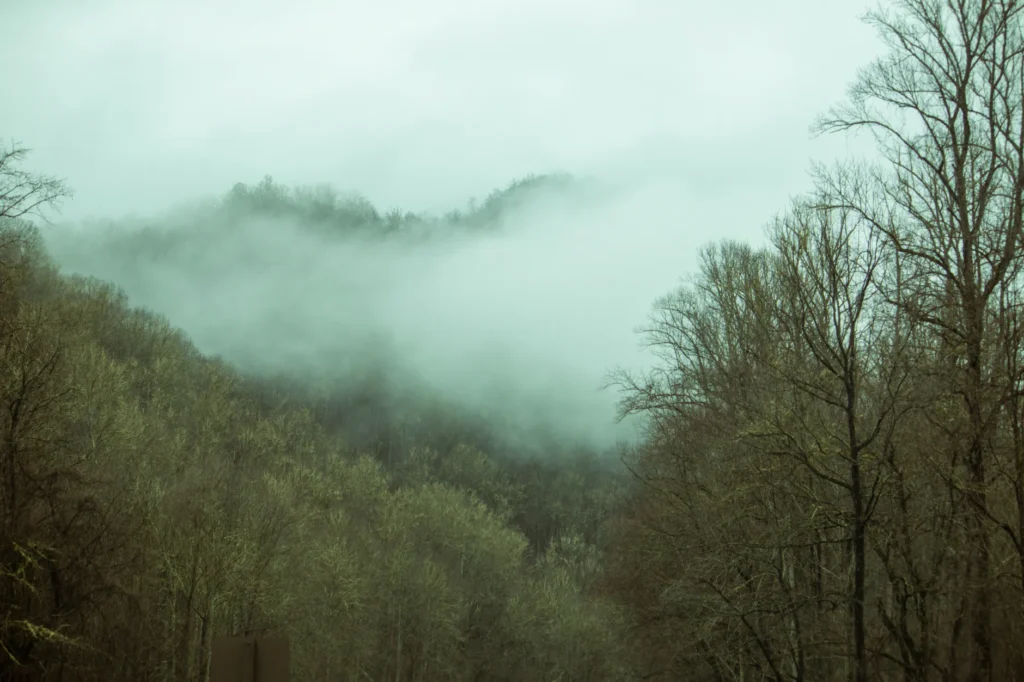
You stand at the trailhead, and the air is cool, carrying the scent of damp earth and pine. The Great Smoky Mountains National Park trails offer a landscape that feels almost prehistoric, where the fog clings to the treetops like a living thing. This is not just a park; it is a living ecosystem that demands respect and preparation. Many travelers arrive unprepared for the rapid weather changes, leading to missed views and uncomfortable hikes. The key to a successful trip is understanding the rhythm of the park. The mist, known as the 'smoke' that gives the mountains their name, is not just a visual effect but a vital part of the ecosystem's health. It delivers moisture to the plants and animals, supporting one of the most biodiverse regions in the eastern United States. To experience this magic, you need the right gear and the right timing. This guide is designed to give you the confidence to navigate the park like a local. We will break down the logistics, the gear, and the specific trails that offer the best value for your time and energy. By the end of this article, you will have a clear plan that balances ambition with practicality. You will know exactly what to pack, what to wear, and how to budget your trip. Let us dive into the details that make a visit to the Great Smoky Mountains National Park trails truly unforgettable.
Before You Go: Understanding the Terrain

Before you lace up your boots, you need to understand the unique character of the Great Smoky Mountains National Park trails. The park spans 522,427 acres across Tennessee and North Carolina, making it the most visited national park in the United States. This popularity means that popular trailheads can be crowded, especially during peak seasons. Understanding the terrain helps you plan your days effectively. The park features a variety of ecosystems, from the oak-hickory forests of the lower elevations to the spruce-fir forests of the highest peaks. Each zone has its own challenges and rewards. One critical factor is the elevation change. Many hikers underestimate the impact of altitude on their stamina. The air is thinner at higher elevations, which can make breathing feel more laborious, especially if you are not acclimatized. This is why pacing yourself is essential. We recommend starting with shorter trails to gauge your fitness level before tackling longer, more strenuous routes. The park's official website provides up-to-date trail conditions, which is vital information that can change daily. Another aspect to consider is the wildlife. The Smokies are home to black bears, deer, and numerous bird species. While encounters are generally peaceful, knowing how to behave around wildlife is crucial for safety. Keep a safe distance, make noise on the trail to avoid startling animals, and store food properly. The park has strict regulations regarding food storage to protect both visitors and animals. Ignoring these rules can lead to fines and, more importantly, dangerous situations. By understanding these basics, you set the stage for a safe and enjoyable experience on the Great Smoky Mountains National Park trails.
The Essential Packing List

Packing for the Great Smoky Mountains National Park trails requires a balance between comfort and functionality. The weather can change rapidly, so layering is your best friend. Here is a categorized list of essential items that will keep you prepared for any situation. 1. Footwear: Invest in a pair of broken-in hiking boots with good ankle support. The trails can be muddy, rocky, or slippery, so traction is non-negotiable. Avoid new shoes, as blisters can ruin your trip. 2. Clothing Layers: Pack a moisture-wicking base layer, a fleece or wool mid-layer, and a waterproof and windproof outer shell. The temperature can drop significantly in the morning and evening, even in summer. 3. Rain Gear: A lightweight rain jacket is essential. The Smokies are known for frequent rain showers, often without much warning. A compact umbrella can also be useful for short bursts of rain. 4. Backpack: A 20-30 liter daypack is sufficient for most day hikes. Look for one with a rain cover and comfortable straps. 5. Hydration: Carry at least two liters of water per person. There are few water sources on the trails, and dehydration can set in quickly. A water filter or purification tablets are recommended if you plan to refill from streams. 6. Nutrition: Pack high-energy snacks like nuts, trail mix, and energy bars. A hot meal in a thermos can be a morale booster on cold days. 7. Safety Gear: A first-aid kit, whistle, headlamp, and map of the park are must-haves. Cell service is inconsistent in many parts of the park, so a physical map is a reliable backup. 8. Sun Protection: Sunglasses, sunscreen, and a wide-brimmed hat protect you from the intense sun, especially at higher elevations. This list covers the basics, but you should adjust it based on the specific trails you plan to hike. For example, if you are doing a multi-day backpacking trip, you will need additional gear like a tent, sleeping bag, and stove. Always check the park's website for any specific requirements or restrictions. Having the right gear ensures that you can focus on the beauty of the Great Smoky Mountains National Park trails rather than worrying about comfort or safety.
For more background on the area, see Great Smoky Mountains on Wikipedia.
What to Wear: Outfit & Climate Guide

Choosing the right outfit for the Great Smoky Mountains National Park trails is about more than just style; it is about staying comfortable and safe. The climate in the Smokies is humid and unpredictable, so your clothing choices should reflect that. The general rule is to dress in layers, allowing you to adjust to changing conditions throughout the day. For the base layer, opt for moisture-wicking fabrics like merino wool or synthetic materials. Cotton is a common mistake, as it retains moisture and can lead to chills when you stop moving. A moisture-wicking base layer keeps you dry and comfortable, even if you sweat during the hike. This is especially important in the summer months, when humidity levels can be high. The mid-layer should provide insulation without adding too much bulk. A fleece jacket or a lightweight down sweater works well for this purpose. You can easily remove this layer if the temperature rises, or add it back on if the weather turns cool. This flexibility is key to staying comfortable on the Great Smoky Mountains National Park trails. The outer layer is your defense against wind and rain. A waterproof and windproof jacket is essential, as the weather in the Smokies can change quickly. Look for a jacket with a hood, as this provides extra protection for your head and neck. If you are hiking in the spring or fall, a waterproof shell is even more important, as rain is more frequent during these seasons. For your lower body, choose hiking pants that are durable and allow for a full range of motion. Convertible pants, which can be zipped off into shorts, are a great option for warmer days. Avoid jeans, as they are heavy and slow to dry if they get wet. Finally, do not forget your accessories. A hat, gloves, and a scarf can be useful in cooler weather. Sunglasses are essential for protecting your eyes from the sun and wind. By dressing appropriately, you ensure that you are ready for any conditions the Great Smoky Mountains National Park trails may throw at you.
Budgeting & Travel Logistics

Planning your budget for a trip to the Great Smoky Mountains National Park trails is an important step in ensuring a stress-free experience. The park itself is free to enter, which is a significant saving compared to other national parks. However, there are other costs to consider, such as accommodation, food, and transportation. Accommodation is one of the biggest expenses. The park has several lodges and campgrounds, but they are popular and often book up months in advance. If you are traveling during peak season, consider staying in nearby towns like Gatlinburg or Pigeon Forge. These towns offer a wide range of lodging options, from budget motels to luxury resorts. Booking early is essential, as prices can increase as the dates get closer. Food costs can also add up, especially if you are eating out every day. The towns surrounding the park have many restaurants, but they can be expensive. To save money, consider bringing your own snacks and meals for hiking. You can also look for grocery stores in the area to buy ingredients for simple meals. This approach not only saves money but also gives you more control over your nutrition. Transportation is another factor to consider. If you are driving, factor in gas and parking fees. The park has several parking lots, and some may have fees, especially during peak times. If you are using public transportation, check the schedules and routes in advance. The area has a system of shuttles and buses that can take you to popular trailheads. By planning your budget carefully, you can enjoy the Great Smoky Mountains National Park trails without worrying about unexpected expenses. Set aside a contingency fund for any emergencies, such as medical expenses or vehicle repairs. This preparation will allow you to focus on the beauty of the park and the joy of hiking. For more tips on managing travel expenses, check out our guide on Budget Travel Tips.
Best Time to Visit the Park

The best time to visit the Great Smoky Mountains National Park trails depends on your preferences and what you hope to experience. Each season offers a unique set of conditions and attractions. Spring is a time of renewal, with wildflowers blooming and waterfalls at their peak flow. The weather is mild, making it a great time for hiking. However, spring can also be rainy, so be prepared for wet conditions. Summer is the most popular time to visit, with warm temperatures and long days. This is the best time for backpacking and exploring higher elevations. However, the crowds can be intense, and the heat can be challenging. If you choose to visit in summer, start your hikes early in the morning to avoid the midday heat. The Great Smoky Mountains National Park trails are at their most vibrant during this time, with lush greenery and active wildlife. Fall is arguably the most beautiful time to visit. The leaves change color, creating a stunning display of reds, oranges, and yellows. The weather is cool and crisp, making it perfect for hiking. Fall is also a popular time for photographers, so expect crowds at the most scenic viewpoints. If you are planning a fall trip, book your accommodation well in advance, as this is peak season. Winter offers a quieter experience, with fewer crowds and a chance to see the park in a different light. Snow can fall on the higher peaks, creating a magical atmosphere. However, some trails may be closed due to snow and ice. If you are visiting in winter, check the park's website for trail conditions and bring appropriate gear for cold weather. Each season has its own charm, so choose the one that best fits your interests. Whether you prefer the blossoms of spring, the heat of summer, the colors of fall, or the quiet of winter, the Great Smoky Mountains National Park trails offer something for everyone. By choosing the right time to visit, you can maximize your enjoyment and minimize any potential challenges. For more information on seasonal activities, see our guide on Best Time to Visit National Parks.
Practical Tips for a Smooth Trip

To ensure a smooth and enjoyable trip to the Great Smoky Mountains National Park trails, there are several practical tips to keep in mind. First, always check the weather forecast before you leave. The weather in the Smokies can change quickly, so having up-to-date information is crucial. If rain is expected, adjust your plans accordingly. Second, plan your hikes carefully. Choose trails that match your fitness level and experience. Do not overestimate your abilities, as this can lead to exhaustion or injury. It is better to finish a shorter hike feeling good than to push yourself too hard on a longer one. The Great Smoky Mountains National Park trails vary in difficulty, so take the time to research each one. Third, be respectful of the environment. Leave no trace, meaning pack out all your trash and do not disturb the wildlife. This helps preserve the park for future visitors. The park has strict rules about campfires and food storage, so familiarize yourself with these regulations before you go. Fourth, stay hydrated and fueled. Dehydration and low blood sugar can be dangerous, especially at higher elevations. Carry plenty of water and snacks, and eat regularly throughout the day. If you are hiking in hot weather, increase your fluid intake to prevent heat exhaustion. Fifth, be aware of your surroundings. Keep an eye out for wildlife, especially black bears. If you see a bear, do not run. Instead, make yourself look large and make noise to scare it away. Most bears will retreat if given the chance. Finally, enjoy the experience. The Great Smoky Mountains National Park trails are a place of beauty and peace. Take time to appreciate the scenery, the sounds, and the smells. Disconnect from technology and connect with nature. This will make your trip more memorable and fulfilling. By following these practical tips, you can have a safe and enjoyable time on the Great Smoky Mountains National Park trails.
Day-by-Day Itinerary: 3-Day Plan

Here is a sample 3-day itinerary for visiting the Great Smoky Mountains National Park trails. This plan balances hiking with relaxation and allows you to experience the best of the park. Day 1: Arrival and Easy Hike Start your trip with a gentle hike to acclimate to the altitude. The Cades Cove Loop is a great option, as it is a flat, 11-mile loop that can be done by car or on foot. You can drive the loop and stop at viewpoints, or hike a section of it. In the evening, explore the town of Gatlinburg, which is known for its shops and restaurants. Day 2: Moderate Hike and Scenic Views On the second day, tackle a moderate hike like the Alum Cave Trail. This 5.5-mile round-trip hike leads to a beautiful cave and a waterfall. The trail is well-maintained and offers stunning views of the surrounding mountains. In the afternoon, visit the Appalachian Trail Museum in Townsend to learn about the history of the trail. Day 3: Challenging Hike and Relaxation For your final day, choose a more challenging hike, such as the Laurel Falls Trail. This 2.6-mile one-way hike leads to a stunning 80-foot waterfall. The trail is rocky and steep, so take your time and use your poles if needed. After the hike, relax at a local spa or enjoy a quiet meal at a scenic restaurant. This itinerary is just a suggestion, and you can adjust it based on your interests and fitness level. The key is to balance activity with rest, allowing you to enjoy the Great Smoky Mountains National Park trails without burning out. For more detailed itineraries, check out our guide on National Park Itineraries.