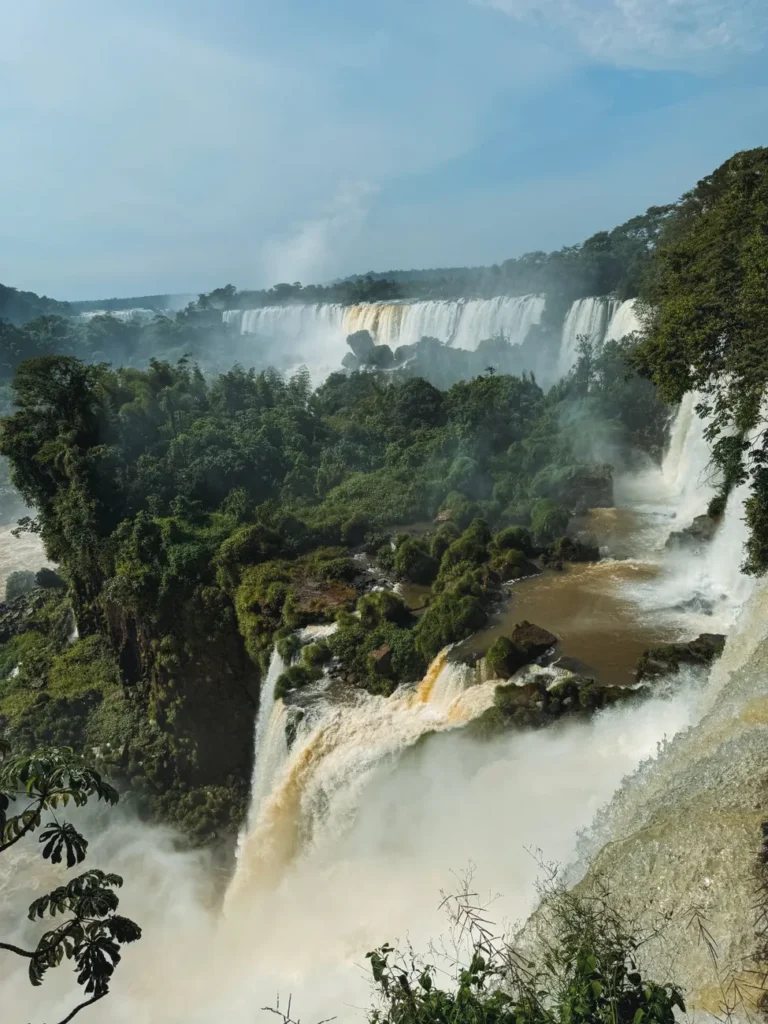

Picture yourself standing on a wooden boardwalk, the roar of the Iguazú Falls echoing behind you while a nearby stall hands you a steaming empanada that bursts with smoky pork and sweet corn, an instant taste of the region's bold flavors. You might think that such moments belong only to seasoned travelers, but this guide shows how a first‑time visitor can capture them with a clear, saveable itinerary that blends market wanderings, riverfront grills, and festive street fairs into a seamless experience. Ready to trade guesswork for confidence? Let’s map out every bite, sip, and local nuance so you can arrive prepared, curious, and fully satisfied.
The Food Scene: What Makes Puerto Iguazu’s Cuisine Distinct

Puerto Iguazu sits at the crossroads of Argentine, Paraguayan, and Brazilian influences, creating a culinary that feels both familiar and exotic. The city’s proximity to the Paraná River means fresh fish and river prawns appear on menus alongside hearty beef cuts, while the subtropical climate nurtures abundant tropical fruits like mango, papaya, and passion fruit, which find their way into desserts, juices, and even savory sauces. Local chefs often blend traditional Argentine grilling techniques, known as asado, with Paraguayan starches such as mandioca, resulting in dishes that are richly layered in texture and flavor. Beyond the main courses, the city’s street food culture thrives on quick, affordable bites that showcase regional ingredients. From the crunchy chipa guasu, a corn‑based bread infused with cheese, to the smoky mbeju, a cassava pancake cooked on a griddle, each stall tells a story of migration, adaptation, and community. The vibrant market squares pulse with the sounds of vendors calling out fresh produce, while nearby cafés serve mate, the iconic herbal infusion that fuels conversation and camaraderie. For a deeper dive into how markets shape travel experiences, see our guide to Plan a Confident Salta Itinerary: Hidden Gems & Practical.
Dishes You Must Try: 5‑8 Local Specialties

- Mbeju – A golden, slightly chewy cassava pancake cooked on a hot stone, often topped with melted cheese. Its subtle sweetness pairs perfectly with a cup of hot mate.
- Chipa Guasu – A moist, corn‑based bread enriched with cheese and onions, baked until the top turns a caramelized brown. It’s a staple at breakfast tables and street stalls alike.
- Empanada Salteña – Unlike the classic beef empanada, this version is packed with a juicy mixture of pork, potatoes, and hard‑boiled egg, spiced with cumin and paprika, then folded into a flaky pastry.
- Asado de Tira – Long rib cuts seasoned simply with coarse salt and grilled over wood fire, allowing the natural beef flavor to shine. Served with chimichurri, it embodies the Argentine love of meat.
- Mate – Not a dish but a ritual, this bitter herbal tea is shared among friends in a hollowed gourd, passed around with a metal straw. Learning the etiquette of mate can open doors to local conversations.
- Pira Caldo – A comforting river fish soup flavored with citrus, tomatoes, and fresh herbs. It reflects the city’s connection to the Paraná and is best enjoyed at waterfront eateries.
- Cocido Paraguayo – A hearty stew of beef, pork, corn, and beans, simmered slowly until the broth thickens. It’s a comforting reminder of the region’s Paraguayan roots.
- Dulce de Mandioca – A sweet dessert made from grated cassava, sugar, and coconut, baked until caramelized. It offers a gentle finish after a savory meal. These dishes provide a roadmap to the region’s cultural blend; each bite tells a part of the story that makes Puerto Iguazu’s food scene unforgettable.
Best Markets, Street Food & Local Restaurants

The beating heart of Puerto Iguazu’s culinary life is the Mercado de la Frontera, a sprawling market where vendors display piles of ripe mangoes, golden plantains, and freshly caught river fish. Wander early in the morning to catch the best selections and chat with stall owners about seasonal specials. A short walk away, the San Martín Street Food Row offers a parade of grills and carts serving grilled chorizo, pork ribs, and the ever‑popular chipa guasu, all cooked over open flames that fill the air with smoky perfume. For sit‑down experiences, Restaurante La Selva blends Argentine steakhouse vibes with Paraguayan side dishes, while El Refugio del Mate specializes in mate ceremonies and serves a brunch menu that includes mbeju and fresh fruit salads. If you crave a river view, Aqua Bar on the Paraná offers grilled fish tacos alongside a glass of Argentine Malbec, an unexpected but delightful pairing. Travelers looking for a broader South American food perspective might also enjoy checking out our Plan a Confident Hoi An Food Itinerary for First‑Time for cross‑cultural inspiration. Don’t overlook the Night Market at Avenida Brasil, which lights up after sunset with stalls selling fried yucca, sweet churros, and local craft beers. Here, you can sample a bite of everything while listening to live folk music, a perfect way to end a day of exploration. Remember to confirm opening hours with vendors, as they can shift with seasonal demand.
A Food Lover’s Neighborhood Guide

Puerto Iguazu’s neighborhoods each carry a distinct flavor profile, making it easy to plan meals around where you stay. Centro is the commercial hub, packed with cafés that serve quick breakfasts of toast with dulce de leche and strong coffee. Its central location means you’re within walking distance of the main market and the iconic Iguazú Falls entrance, ideal for early‑morning snack runs. A short bus ride north leads to Barrio San Antonio, a quieter residential area where family‑run eateries dominate. Here, you’ll find Casa del Asado, a modest grill that offers generous portions of asado de tira at local prices, and La Casa del Mate, where elders gather to share stories over freshly brewed mate. The relaxed vibe makes it perfect for leisurely lunches. Further east, the Río Paraná Riverside district boasts waterfront restaurants like Mar y Tierra, known for its pira caldo and river‑front seating. Evening diners can watch the sunset while sipping a glass of sparkling rosé, a local favorite during summer festivals. For a boutique experience, explore Boutique Sabores, a small shop that curates artisanal jams made from regional fruits, great for souvenir gifts. If you’re planning a multi‑day stay, consider basing yourself in Centro for easy access to transport, then venture out to San Antonio or the Riverside district for dinner to experience the city’s culinary diversity. For packing inspiration, see our Pack Smart for Tokyo: A Practical Checklist & Itinerary which offers a template you can adapt for tropical climates.
Best Time to Visit for Food Festivals & Seasonal Dishes

Puerto Iguazu’s culinary calendar peaks during the Feria del Mango in late January, when the city’s streets overflow with mango‑laden desserts, smoothies, and savory sauces. This festival showcases local growers and offers cooking demos that teach visitors how to incorporate the fruit into traditional dishes like empanadas and glazes for grilled meat. Another highlight is the Festival de la Selva held each August, celebrating the region’s rainforest heritage with a focus on river fish, cassava‑based dishes, and indigenous music. During this time, restaurants often feature special menus that include pira caldo and cocido paraguayo, giving travelers a chance to taste dishes that are rarely on the regular menu. Spring (September to November) brings a milder climate and an abundance of fresh produce, making it ideal for market tours and outdoor picnics. Summer (December to February) is hotter but aligns with the mango festival and a vibrant nightlife scene, while winter (June to August) offers cooler evenings perfect for enjoying a warm mate by a fire‑pit at a riverside bar. For travelers interested in broader festival experiences across South America, our Plan a Confident Reykjavik Itinerary with Secret Spots provides a comparative look at how seasonal events shape local food culture.
Practical Tips for Eating Like a Local

Currency: The Argentine peso (ARS) is the primary medium of exchange. While many restaurants accept credit cards, street vendors and market stalls typically prefer cash, often in small denominations. Carry a mix of bills and coins, and consider using a reputable exchange service before you arrive. Etiquette: When ordering meat, it’s common to ask for the "punto" the level of doneness you prefer. Argentines favor "a punto" (medium) for beef, but feel free to request "bien cocido" if you prefer it well‑done. Sharing mate is a social ritual; if offered, accept with a nod, sip slowly, and avoid refilling the gourd yourself unless invited. Language: Spanish is the official language, but many locals in the tourism sector speak basic English. Learning a few key phrases, "¿Cuánto cuesta?" (How much?), "Una porción de…" (One portion of…), and "Gracias" (Thank you), goes a long way in building rapport. Safety: Food safety standards are generally high in established restaurants, but when trying street food, look for stalls with high turnover and visible cleanliness. Always confirm that fish is cooked through and that fruit is washed. For a quick reference on travel safety and health, check official Argentine tourism sites before departure. To streamline packing, review our dedicated checklist for summer travel, which includes reusable containers for leftovers, a compact cooler bag, and breathable clothing suitable for both humid mornings and cooler evenings.
A Food‑Focused Day‑by‑Day Itinerary

Day 1 – Arrival & Market Immersion
Land in Puerto Iguazu and settle into a boutique hotel in Centro. After a brief rest, head to the Mercado de la Frontera before noon. Sample fresh mango slices, grab a chipa guasu, and chat with vendors about the day’s mango festival schedule. Lunch at Restaurante La Selvaorder the asado de tira with chimichurri and a side of mandioca mash. Spend the afternoon strolling the Iguazú Falls viewpoint, then return to the city for a relaxed dinner of mbeju and mate at El Refugio del Mate. Day 2 – River Flavors & Evening Fest
Start with a light breakfast of toast with dulce de leche and a cup of café con leche. Take a short boat ride on the Paraná River (confirm schedule with local operators) and enjoy a pira caldo prepared on board. In the afternoon, explore the Riverside district, visiting Mar y Tierra for grilled fish tacos. As dusk falls, join the Feria del Mangotry mango‑glazed empanadas, mango sorbet, and a mango‑infused cocktail. End the night with live folk music and a shared mate circle. Day 3 – Cultural Cooking Class & Night Market
Enroll in a morning cooking class offered by Casa del Asado (pre‑booked). Learn to make empanada salteña and chipa guasu from a local chef, then enjoy your creations for lunch. Spend the afternoon wandering the San Antonio neighborhood, stopping at a small bakery for dulce de leche pastries. Evening: head to the Avenida Brasil Night Market for fried yucca, churros, and a glass of Argentine rosé. Finish with a stroll along the riverfront, watching lanterns reflect on the water. Day 4 – Day Trip to Iguazú Falls (Argentinian Side)
Take an early bus to the national park (verify ticket prices and opening times). Pack a picnic of local cheeses, cured meats, and fresh fruit, use a reusable cooler bag. After exploring the upper and lower trails, enjoy a riverside lunch of pira caldo at a park kiosk. Return to town for a relaxed dinner at Aqua Bar, pairing a grilled steak with a glass of Malbec. End the night with a quiet mate session on your balcony. Day 5 – Farewell Brunch & Departure
Enjoy a leisurely brunch at Boutique Sabores, tasting artisanal fruit jams on fresh bread, accompanied by a fresh orange juice. Take a final walk through the market to pick up any last‑minute souvenirs, perhaps a jar of dulce de leche or a hand‑woven tote. Head to the airport with a satisfied palate and a notebook full of recipes, ready to plan your next culinary adventure. For inspiration on post‑trip sharing, see our guide on creating travel photo albums. This itinerary balances iconic attractions with authentic food experiences, giving solo travelers a confident roadmap that can be saved, printed, or edited on the go.
Free Puerto Iguazú trip checklist
Get the printable itinerary outline and packing checklist for Puerto Iguazú, sent straight to your inbox.
No spam. One email with your checklist.