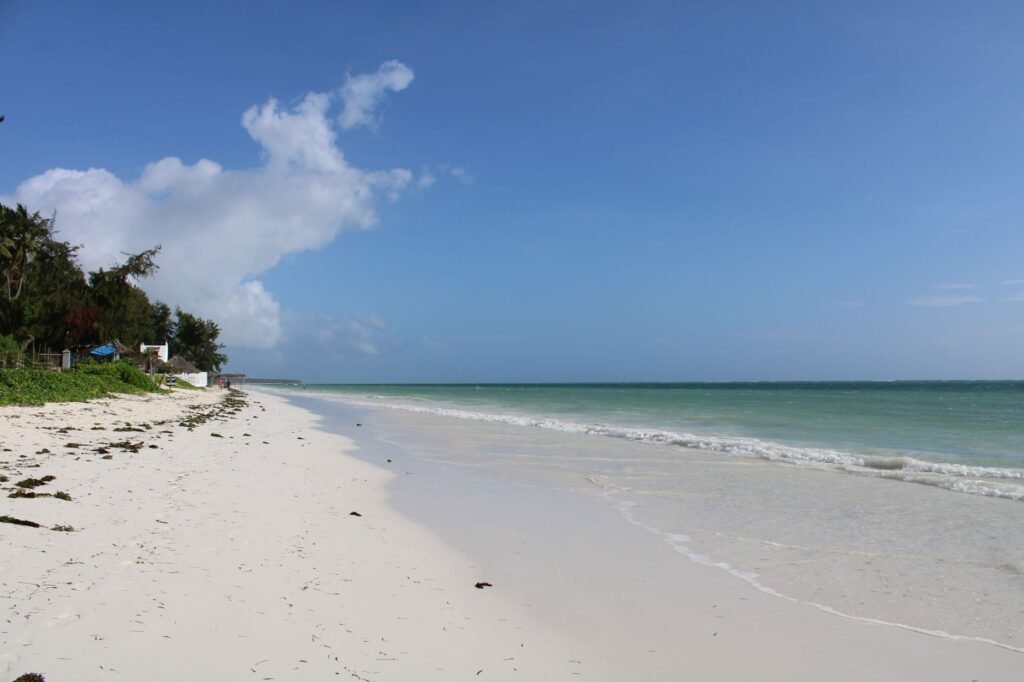

Picture yourself walking along a narrow lane in Stone Town where the air tastes of sweet mango and distant ocean spray, and a sudden call to prayer echoes from a centuries‑old mosque. That moment, when history, culture, and nature collide in a single breath, is the hook that makes Zanzibar unforgettable for first‑time visitors. Beyond the postcard beaches, the island pulses with stories of Omani sultans, spice traders, and Swahili artisans whose legacy lives in every carved door and bustling market stall. In this opening section we set the stage with vivid sensory details that spark curiosity: the way the light filters through mangrove roots at low tide, the rhythm of a taarab melody drifting from a seaside café, and the surprise of finding a fresh‑caught octopus grilled on a street corner stall. These impressions are more than pretty pictures; they are invitations to explore deeper, to ask why a tiny archipelago can feel both timeless and vibrantly modern. As we move forward, each subsequent section builds on this foundation, turning initial wonder into a practical, saveable itinerary that respects the island’s rhythms while delivering the bucket‑list experiences you crave. By the end of this guide you’ll know exactly where to linger for sunrise, which local dishes to seek out, and how to move between attractions without missing the subtle magic that makes Zanzibar a summer destination unlike any other.
The Big Picture: Why Zanzibar Belongs on This Summer’s Bucket List

Zanzibar earns its place on a summer bucket list not merely because of its postcard‑perfect shores but because it offers a layered experience that few tropical destinations can match. First, the island’s geographic position off the Tanzanian coast creates a microclimate where warm, sunny days are tempered by refreshing sea breezes, making outdoor exploration comfortable even at the peak of summer. Second, the cultural mosaic, African, Arab, Indian, and European influences, shows up in architecture, cuisine, and daily life, giving travelers a chance to taste dishes like Zanzibar pizza, sip spiced coffee, and wander through alleys where centuries‑old wooden doors tell stories of trade and conquest. Third, the natural environment presents a playground for adventure seekers: snorkeling over coral reefs teeming with tropical fish, kayaking through mangrove forests, and hiking the Jozani Chwaka Bay National Park to spot the rare red colobus monkey. These elements combine to create a vacation that satisfies both the desire for relaxation and the thirst for authentic discovery. Importantly, Zanzibar remains accessible for independent travelers; ferry connections from Dar es Salaam are frequent, and a range of budget‑friendly guesthouses coexist with boutique hotels, allowing visitors to tailor comfort levels to their preferences. By highlighting these pillars, climate comfort, cultural richness, natural diversity, and travel ease, this section demonstrates why the island should sit high on any summer travel planner’s list, setting the stage for the detailed experiences that follow.
The Bucket List: 6-8 Must-Do Experiences

Numbered list format makes it easy to tick off each highlight as you plan your days. 1. Explore Stone Town’s UNESCO‑listed lanes: start at the House of Wonders, wander past the Old Fort, and pause at the bustling Darajani Market where vendors pile high with spices, fresh fruit, and hand‑woven kikoi fabrics. Allocate at least half a day to absorb the layered history and snap photos of the iconic carved doors. 2. Take a spice farm tour inland: guided walks reveal how cloves, nutmeg, cinnamon, and black pepper are cultivated, and you’ll get to sample fresh‑picked fruits and a traditional Swahili lunch served on a banana leaf. 3. Relax on the pristine sands of Nungwi or Kendwa beaches: these northern stretches offer powdery white sand, clear turquoise water, and vibrant beachfront bars where you can enjoy a sunset cocktail while watching local fishermen mend their nets. 4. Snorkel or dive at Mnemba Atoll: the protected marine reserve boasts coral gardens, reef sharks, and schools of colorful fish; day trips usually include equipment, a knowledgeable guide, and a beachside barbecue. 5. Visit Jozani Chwaka Bay National Park: a guided trek through the mangrove forest leads to sightings of the endemic red colobus monkey, bush babies, and a variety of bird species; the park also features a butterfly centre that showcases native species. 6. Sail on a traditional dhow at sunset: board a wooden sailing vessel from Stone Town or the east coast, glide along the coastline as the sky turns shades of orange and pink, and enjoy fresh seafood prepared on board. 7. Experience a night of taarab music: many hotels and cultural centers host live performances where Arabic melodies blend with African rhythms; it’s a perfect way to end a day of exploration. 8. Try the local street food scene: sample Zanzibar pizza (a fried dough topped with minced meat, vegetables, and egg), urojo soup (a tangy, spicy broth), and fresh sugarcane juice from roadside stalls. Each experience is designed to be savored at a leisurely pace, allowing you to absorb the island’s rhythm while checking off unforgettable summer highlights.
Best Photo Spots & Scenic Vistas

Capturing Zanzibar’s beauty requires knowing where light, landscape, and culture intersect to create frame‑worthy moments. Begin at the Forodhani Gardens in Stone Town at dusk: the open‑air food market comes alive with grilling seafood stalls, and the silhouette of the Old Fort against a pastel sky offers a classic urban shot. Move north to the rugged cliffs of Ras Mkumbuu near the tip of the island, where waves crash against ancient coral rock and the horizon stretches uninterrupted, a perfect setting for dramatic seascape images. For a softer palette, head to the mangrove channels of Jozani at sunrise; the filtered light through the canopy creates ethereal reflections on the water, ideal for long‑exposure shots that convey tranquility. The beaches of Paje and Jambiani provide wide‑angle opportunities: low tide reveals expansive sandbars dotted with traditional dhows, while kite surfers add dynamic movement to the frame. Venture inland to the spice plantations near Kidichi; the orderly rows of green vines against red earth create striking geometric patterns, especially when captured from a slight elevation. Don’t overlook the underwater world: a waterproof housing or a reliable snorkel mask lets you photograph the vibrant coral gardens of Mnemba, where schools of fusilier fish flash like living jewels. Finally, consider a aerial perspective if you can arrange a short helicopter or seaplane flight; the patchwork of turquoise lagoons, white sand beaches, and green jungle interior reveals the island’s true scale and diversity. Each location benefits from visiting during the golden hours, shortly after sunrise or before sunset, when the light is warm and shadows are long, enhancing textures and colors without harsh contrast.
Where to Stay for the Best Views

Selecting accommodation that maximizes your visual experience can transform a good trip into an unforgettable one. For travelers who prize sunrise over the ocean, consider a beachfront bungalow in Nungwi or Kendwa; many properties place rooms just steps from the sand, allowing you to step onto your private terrace and watch the first light paint the water gold. If you prefer the charm of historic architecture, a restored Swahili house in Stone Town offers rooftop terraces with views over the labyrinthine lanes and the distant sea; the blend of ancient stone walls and modern comforts creates a unique ambiance. Eco‑conscious visitors might opt for an eco‑lodge tucked within the Jozani forest periphery; these lodges often feature open‑air decks that overlook the mangrove canopy, providing chances to spot monkeys and birds right from your breakfast table. For those seeking luxury with a view, several boutique resorts on the east coast, such as those near Paje, provide infinity pools that seem to merge with the ocean horizon, complemented by spa suites with floor‑to‑ceiling glass walls. Budget travelers need not sacrifice scenery: numerous guesthouses in Jambiani offer clean, comfortable rooms with balconies facing the sea, and the friendly hosts often share tips on the best local snorkeling spots. When evaluating options, check the orientation of the building, properties facing west capture spectacular sunsets, while east‑facing rooms guarantee dramatic sunrises. Also verify whether the venue offers unobstructed sightlines; some gardens or adjacent structures can block the view despite a beachfront label. By aligning your stay with your visual priorities, you ensure that every morning and evening begins and ends with a breathtaking panorama that reinforces the summer bucket‑list feeling.
Best Time to Visit This Summer

Timing your visit to Zanzibar can dramatically affect weather, crowd levels, and the availability of certain activities. The island experiences two main rainy seasons: the long rains from March to May and the short rains in November. For a summer trip targeting June through August, you’ll encounter the dry season’s peak, characterized by warm temperatures averaging 28‑30°C (82‑86°F) and low humidity thanks to steady sea breezes. Rainfall is infrequent and usually brief, often occurring as isolated afternoon showers that quickly give way to sunshine. This period also coincides with the kite surfing season along the southeast coast, where consistent winds attract enthusiasts to spots like Paje and Jambiani. If your priority is pristine beach conditions with minimal seaweed, aim for July and August when the ocean is typically calmest and visibility for snorkeling reaches its peak. Travelers interested in cultural events should note that the Zanzibar International Film Festival usually takes place in early July, offering screenings, workshops, and live performances across Stone Town venues. Conversely, if you prefer fewer tourists and slightly lower prices, consider late June or early September, just before or after the high‑summer rush, when the weather remains favorable but the crowds thin. Always verify current conditions with a reliable forecast closer to your departure date, as climate patterns can shift. Packing lightweight, breathable clothing, a wide‑brimmed hat, reef‑safe sunscreen, and a light rain jacket for occasional showers will keep you comfortable regardless of minor variations. By aligning your travel dates with these climatic insights, you maximize sunshine, minimize disruptions, and set the stage for a seamless summer bucket‑list adventure.
Getting There & Getting Around

Reaching Zanzibar begins with a flight to Abeid Amani Karume International Airport (ZNZ) just outside Zanzibar City, or alternatively a flight to Dar es Salaam’s Julius Nyerere International Airport (DAR) followed by a short ferry hop. Numerous international carriers offer direct flights to ZNZ from hubs such as Doha, Istanbul, and Addis Ababa, while regional airlines connect from Nairobi, Johannesburg, and other African capitals. If you opt for the Dar es Salaam route, the ferry from Dar es Salaam port to Zanzibar takes about two hours and operates multiple times daily; tickets can be purchased at the terminal or online, and it’s wise to arrive at least 30 minutes before departure to allow for security checks. Once on the island, transportation options vary by budget and comfort level. For maximum flexibility, renting a car or scooter is popular; several agencies in Stone Town and the beach areas provide vehicles with full insurance, though drivers should be comfortable navigating narrow streets and occasional unpaved roads. Taxis are widely available and can be hailed on the street or booked via hotel concierges; agree on a price before starting the journey to avoid misunderstandings. Dala‑dalas, minibusses that follow set routes, offer the most economical way to travel between towns, though they can be crowded and lack fixed schedules. For short beach‑to‑beach hops, many resorts operate complimentary shuttle services, and bicycle rentals are common in flat areas like Nungwi and Kendwa. When planning day trips to attractions such as Jozani Forest or Mnemba Atoll, consider booking a guided tour that includes transport; this often proves more convenient than coordinating multiple separate rides. Always keep a copy of your driver’s license, passport, and insurance documents handy, and note that driving is on the left side of the road. By understanding these logistics ahead of time, you can move smoothly between the island’s highlights and focus on enjoying the experiences that matter most.
Your Bucket-List Itinerary (3 or 5 day plan)

Below is a flexible five‑day itinerary that balances iconic sights, relaxation, and local flavor, easily adaptable to a three‑day version by omitting the optional activities marked with an asterisk. Day 1 – Arrival and Stone Town Immersion: Morning: Arrive at ZNZ, transfer to your Stone Town accommodation, and settle in. Afternoon: Begin a guided walking tour of Stone Town’s highlights, House of Wonders, Old Fort, Sultan’s Palace, and the bustling Darajani Market. Pause for a coffee at a rooftop café with views over the harbor. Evening: Dine at a local restaurant offering Zanzibar biryani and fresh seafood, then stroll through Forodhani Gardens to sample street‑food treats like Zanzibar pizza and sugarcane juice. Optional: Sunset dhow cruise from the harbor for a first taste of the island’s coastal beauty. Day 2 – Spice and Nature: Morning: Depart for a guided spice farm tour in the Kidichi area; learn about cloves, nutmeg, and cinnamon, and enjoy a traditional Swahili lunch. Afternoon: Head to Jozani Chwaka Bay National Park for a monkey‑spotting trek and visit the butterfly centre. Return to Stone Town in the late afternoon. Evening: Free time to explore the night markets or enjoy a taarab music performance at a cultural center. Optional: Night snorkeling trip to see bioluminescent plankton (seasonal). Day 3 – Beach Bliss in the North: Morning: Take a early‑morning taxi or rental car to Nungwi Beach (approximately one hour drive). Spend the morning swimming, snorkeling near the reef, or simply lounging on the powdery sand. Afternoon: Beachfront lunch of grilled fish and coconut rice, followed by a visit to the Nungwi lighthouse for panoramic views. Evening: Sunset drinks at a beach bar, then dinner featuring fresh lobster or prawns. Optional: Evening fire dance show often hosted by larger resorts. Day 4 – Southeast Coast Adventure: Morning: Drive to the southeast coast, stopping at Paje Beach to watch kite surfers in action. If interested, book a beginner kite‑surfing lesson (many schools offer hourly rates). Afternoon: Continue to Jambiani for a relaxed beach walk and a seafood lunch at a local shack. Evening: Return to your Stone Town lodging or stay overnight in a southeast boutique hotel for a change of scenery. Optional: Evening mangrove kayaking tour to observe nocturnal wildlife. Day 5 – Marine Exploration and Departure: Morning: Early departure for a snorkeling excursion to Mnemba Atoll; most tours include equipment, guide, lunch, and a beach stop on a deserted island. Afternoon: Return to the main island, freshen up, and depending on your flight time, either enjoy a final lunch in Stone Town or head directly to the airport for departure. Evening: If your flight is late, consider a final sunset walk along the beachfront of Barracca or a quick visit to the Peace Memorial Museum for a reflective end to your trip. This itinerary provides a roadmap that can be compressed into three days by combining Stone Town and spice farm on Day 1, northern beaches on Day 2, and Mnemba snorkeling plus departure on Day 3, while still delivering the core bucket‑list experiences of culture, spice, beach, and marine adventure.
More guides you may like: Kilimanjaro Food Guide
Free Zanzibar trip checklist
Get the printable itinerary outline and packing checklist for Zanzibar, sent straight to your inbox.
No spam. One email with your checklist.