
The first bite of a warm, salty pretzel from a street cart hits your tongue as the sun climbs over the skyscrapers, casting long shadows across Times Square. You hear a saxophone riff drift from a nearby subway station, mingling with the honk of yellow cabs and the laughter of tourists snapping selfies. This sensory cocktail is just the opening act of what a New York City summer can feel like. Imagine trading the typical tourist rush for a rhythm that lets you linger at a rooftop bar with a view of the Empire State Building, then slip down to a hidden speakeasy in the East Village for a craft cocktail made with locally sourced honey. The city’s energy shifts with the season: longer daylight hours mean you can explore the High Line at sunset, catch a free Shakespeare in the Park performance, or paddle a kayak around Manhattan’s islands while the skyline glows. In this guide we’ll show you how to turn those fleeting sensations into a structured, saveable itinerary that balances iconic sights with local flavor. You’ll discover why summer is the ideal time to tackle the city’s bucket list, which experiences deliver the biggest wow factor without overwhelming your schedule, and how to move between boroughs efficiently. By the end, you’ll have a practical plan that you can print, bookmark, or pin to your travel board, ensuring you leave New York with memories that feel both grand and personal. Let’s begin by unpacking the big picture of why this summer belongs on your travel radar.
Free New York City trip checklist
Get the printable itinerary outline and packing checklist for New York City, sent straight to your inbox.
No spam. One email with your checklist.
The Big Picture: Why New York City Belongs on This Summer’s Bucket List

Summer transforms New York City from a year‑round metropolis into a playground of outdoor festivals, rooftop cinema, and waterfront activities that simply aren’t available in colder months. The city’s extensive park system, over 1,700 parks ranging from the sprawling Central Park to tiny pocket gardens, comes alive with free concerts, movie nights, and food festivals that draw locals and visitors alike. Because the humidity lifts the smog just enough for crystal‑clear views, landmarks like the Statue of Liberty and the Chrysler Building appear sharper against the blue sky, making photo opportunities more rewarding. Additionally, many museums extend their hours and offer special summer exhibitions, giving you a chance to see world‑class art without the winter crowds. The season also brings a surge of pop‑up markets where you can sample artisanal cheeses, fresh fruit, and international street food that reflect the city’s immigrant heritage. All these factors combine to create a travel experience that feels both expansive and intimate: you can tick off the major attractions while still discovering neighborhood gems that most guidebooks overlook. For independent travelers planning their first or next visit, this means you can build a flexible schedule that adapts to weather changes, energy levels, and spontaneous recommendations from locals you meet along the way. In short, summer in New York City offers the perfect blend of iconic sightseeing, cultural immersion, and relaxed exploration, exactly what a bucket‑list trip should deliver.
The Bucket List: 6-8 Must-Do Experiences

- Watch the sunrise from Top of the Rock – Arrive before 6 am to beat the crowds and see Manhattan awaken in golden light. The observation deck offers 360‑degree views that include the Empire State Building, Central Park, and the Hudson River. Bring a light jacket; the morning breeze can be brisk even in July. Afterward, walk down to Rockefeller Center for a classic New York breakfast of bagels and schmear at a nearby deli.
- Stroll the High Line at sunset – This elevated rail‑turned‑park stretches 1.45 miles from the Meatpacking District to Hudson Yards. As the sun dips, the art installations cast long shadows and the Hudson glows. Pause at the 10th Avenue Square for a panoramic view of the cityscape, then continue to the Hudson Yards Vessel for a quick photo. Wear comfortable shoes; the pathway is mostly flat but includes some stairs.
- Catch a free Shakespeare in the Park performance – Held at the Delacorte Theater in Central Park, these productions run from June through August. Arrive early to secure a spot on the lawn; bring a blanket and low‑snack picnic. The experience combines world‑class theater with the park’s natural ambiance, creating a memory that feels both cultured and relaxed. Check the Public Theater website for the exact schedule and any ticket‑free reservation steps.
- Explore the Statue of Liberty and Ellis Island via an early ferry – The first ferry of the day departs Battery Park before 8 am, giving you cooler temperatures and shorter lines. Allocate at least three hours to tour both islands; the audio guide provides rich historical context without feeling like a lecture. Remember to reserve your ferry tickets online in advance, as same‑day availability can be limited during peak summer.
- Savor a slice of authentic New York‑style pizza in Brooklyn – Head to Di Fara Pizza in Midwood or Lucali in Carroll Gardens for a pie that balances a thin, crispy crust with bubbling mozzarella and a robust tomato sauce. Eat it folded, as locals do, and pair it with a craft soda or a local beer from a nearby brewery. Note that these spots often have lines; consider visiting during off‑peak hours (mid‑afternoon) for a quicker seat.
- Kayak around Manhattan with Manhattan Kayak Company – Paddle from Pier 96 in Hudson River Park and loop around the island, passing under the Brooklyn, Manhattan, and Williamsburg bridges. Tours typically last two hours and include a brief safety briefing. You’ll get unique angles of the skyline, the Statue of Liberty, and the United Nations building. Bring sunscreen, a hat, and a change of clothes; you might get splashed. Reservations are required, especially on weekends.
- Attend an outdoor movie screening at Bryant Park – Every Monday night from June to August, the park hosts a free film festival. Bring a low‑back blanket or a portable chair; the lawn fills quickly, so arrive by 7 pm for a good spot. The screen rises as the sun sets, and the surrounding skyscrapers create a cinematic backdrop. Snacks are available from nearby vendors, but you can also pack your own picnic.
- Visit the Brooklyn Botanic Garden’s Cherry Esplanade in early summer – Though the famous cherry blossoms peak in April, the garden’s summer displays of lilies, lotus, and water features are equally stunning. Walk the Japanese Hill‑and‑Pond Garden for a tranquil escape from city noise. Admission is modest, and the garden offers guided tours that highlight seasonal horticulture. Check the website for any special summer events like night‑time lantern walks.
Best Photo Spots & Scenic Vistas

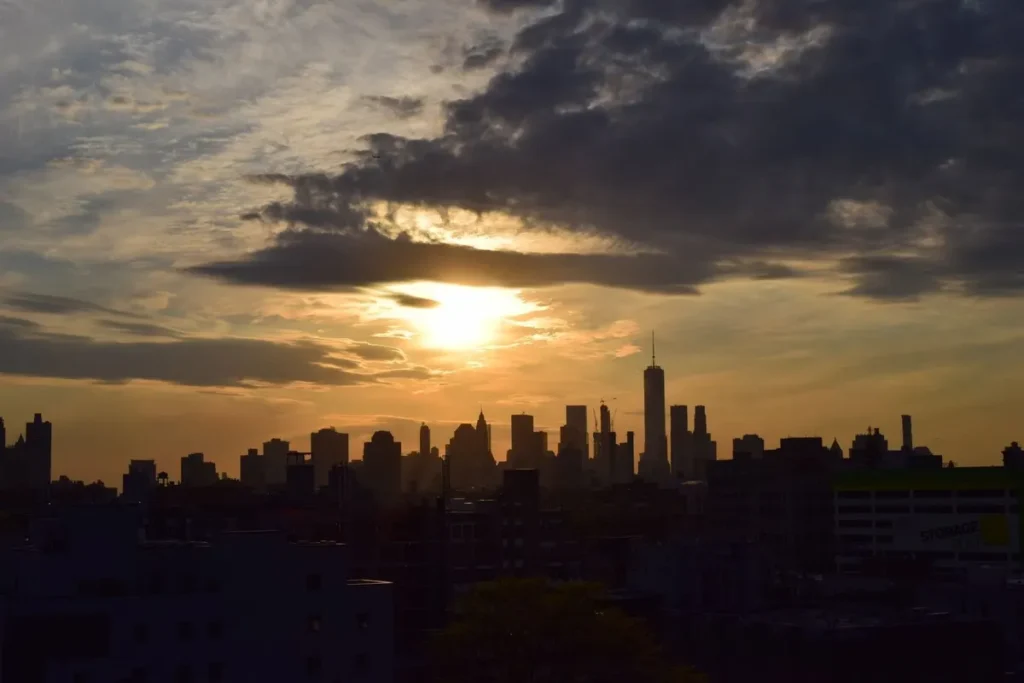
When you think of iconic New York City images, the skyline usually comes to mind first, but summer offers unique angles that make those shots even more striking. Start your photo day at the Brooklyn Bridge Park’s Pier 1, where you can frame the bridge with the lower Manhattan skyline behind it. Arrive just after sunrise to catch the soft light reflecting off the water and to avoid the crowds that gather later. Walk across the bridge itself for a classic shot of the cable pattern; the pedestrian lane is wide enough for tripods if you bring one. Next, head to the Top of the Rock observation deck at Rockefeller Center. The glass‑enclosed decks provide unobstructed views of the Empire State Building, Central Park, and the Hudson River. For the best lighting, aim for the golden hour just before sunset; the city lights begin to twinkle as the natural light fades, creating a dynamic contrast. Use a wide‑angle lens to capture the full panorama, and consider a polarizing filter to reduce glare from the glass. If you prefer waterfront vistas, take the Staten Island Ferry, a free ride that offers postcard‑worthy views of the Statue of Liberty, Ellis Island, and the lower Manhattan skyline. The best time to shoot is mid‑morning when the sun is behind you, illuminating Lady Liberty’s face. Keep your camera steady; the ferry’s motion can cause blur, so use a faster shutter speed or brace your elbows against the rail. For a more intimate perspective, explore the Gantry Plaza State Park in Long Island City, Queens. The park’s gantries frame the Chrysler Building and the United Nations complex, offering a symmetrical composition that works well for both wide shots and detail shots of the riveted steel. Visit on a weekday afternoon to avoid the weekend crowds, and stay until dusk to see the lights of Manhattan turn on across the water. Finally, don’t overlook the city’s green spaces. The Bethesda Terrace and Fountain in Central Park provide a classic backdrop of arches, carvings, and water. Early summer brings lush foliage and blooming flowers that add color to your shots. Shoot from the terrace steps for a leading‑line effect that draws the eye toward the fountain. Remember to respect any posted rules about tripods in congested areas, and always be mindful of pedestrians when setting up your gear.
Where to Stay for the Best Views

Choosing accommodation with a view can elevate your New York City summer trip from memorable to extraordinary. If you want to wake up to the Empire State Building glowing in the morning light, consider a hotel in Midtown West such as the Hilton New York or the New York Marriott Marquis. Both properties offer rooms with floor‑to‑ceiling windows that face the iconic tower; request a high floor when booking to maximize the vista. Keep in mind that these hotels are steps away from Times Square, so you’ll have easy access to subway lines and Broadway shows, but the area can be noisy, ask for a room on a quieter side of the building if you’re a light sleeper. For a more relaxed vibe with river views, look toward the West Side neighborhoods of Hell’s Kitchen or the Upper West Side. Properties like the Hudson Hotel or the Excelsior Hotel offer rooms that overlook the Hudson River, where you can watch ferries glide past and catch spectacular sunsets over New Jersey. The Hudson Hotel also features a rooftop bar with a panoramic outlook, perfect for an evening cocktail after a day of sightseeing. These locations are quieter than Midtown yet still within a 15‑minute subway ride to major attractions like Central Park and the Museum of Modern Art. If you prefer to stay in Brooklyn and enjoy a skyline view that includes the Statue of Liberty, consider a boutique hotel in Williamsburg or DUMBO. The Wythe Hotel in Williamsburg offers rooms with exposed brick and large windows that look out over the East River and the Manhattan skyline. In DUMBO, the 1 Hotel Brooklyn Bridge provides direct views of the bridge itself and the lower Manhattan towers from its rooms and its rooftop terrace. Staying here puts you within walking distance of Brooklyn Bridge Park, Smorgasburg food market, and the lively Bedford Avenue corridor, ideal for travelers who want to blend city exploration with neighborhood charm. When booking, always verify the exact view description; some hotels advertise a "city view" that may actually face an interior courtyard. Use the hotel’s photo gallery or call the front desk to confirm that your room will face outward toward the landmark you desire. Additionally, check whether the property offers blackout curtains or white‑noise machines if you plan to sleep during the bright summer mornings. Finally, remember that summer is peak travel season in New York City, so rates can be higher and availability limited, book at least four to six weeks in advance to secure your preferred room type and view.
Best Time to Visit This Summer

New York City’s summer season runs roughly from late June through early September, but the ideal window for a bucket‑list trip depends on your tolerance for heat, crowds, and precipitation. Late June to early July offers warm temperatures averaging 78‑82 °F (25‑28 °C) with relatively lower humidity than the peak months. This period also coincides with the start of free outdoor events such as Shakespeare in the Park and the beginning of the city’s summer concert series in parks like Prospect Park and Flushing Meadows‑Corona. If you aim to attend a specific festival, check its exact dates; for example, the Tribeca Film Festival’s outdoor screenings usually begin in mid‑July. Mid‑July through August sees the highest temperatures, often climbing into the high 80s to low 90s °F (30‑33 °C) with humidity that can make it feel warmer. Afternoon thunderstorms are common, typically brief but intense, so pack a lightweight rain jacket or poncho and plan indoor alternatives (museums, galleries, or shopping) for those periods. Despite the heat, this is when the city’s rooftop bars and pools are in full swing, and many attractions offer extended evening hours, perfect if you prefer to sightsee after the sun sets and the temperature drops a few degrees. Early September marks a transition: temperatures begin to dip back into the high 70s °F (around 25 °C), humidity eases, and the summer crowds start to thin as schools resume. This window can be ideal if you want pleasant weather for walking the High Line or cycling around Central Park without the peak‑summer swarms. Additionally, the US Open tennis tournament in Flushing Meadows‑Corona runs from late August to early September, offering a major sporting event if that interests you. When planning your daily schedule, aim to start outdoor activities before 11 am to avoid the strongest sun and heat. Schedule indoor museum visits or lunch breaks during the early afternoon when temperatures peak, then resume exploration in the late afternoon or evening. Always check the forecast the night before and adjust accordingly; New York City’s weather can shift quickly, especially near the coast. By aligning your itinerary with these seasonal patterns, you’ll maximize comfort while still enjoying the full range of summer offerings the city provides.
Getting There & Getting Around

Reaching New York City is straightforward thanks to its three major airports: John F. Kennedy International (JFK), LaGuardia (LGA), and Newark Liberty International (EWR). JFK handles the most international arrivals and offers multiple transit options to Manhattan, including the AirTrain to the Jamaica Station where you can catch the E, J, or Z subway lines, or the Long Island Rail Road to Penn Station. LaGuardia primarily serves domestic flights and is connected to Manhattan via the M60 SBS bus that links to the 1 train at 106th Street, or via a taxi or rideshare that typically takes 30‑45 minutes depending on traffic. Newark, located in New Jersey, provides the AirTrain to Newark Liberty International Station where you can transfer to NJ Transit trains heading to New York Penn Station; the journey usually takes about 30‑40 minutes. If you prefer a direct ride, consider booking a shared shuttle or a private car service in advance, especially if you have lots of luggage or are arriving late at night. Once in the city, the subway remains the fastest and most economical way to move between boroughs. Purchase a MetroCard or use the contactless OMNY system (tap‑and‑go with a credit card, smartphone, or wearable) for unlimited rides within a set period. The subway operates 24 hours on most lines, though service may be reduced late at night; check the MTA website for any planned work that could affect your route. For shorter trips within Manhattan or to explore neighborhoods like Greenwich Village or the East Village, consider using the Citi Bike bike‑share program. Stations are plentiful, and a single ride costs a few dollars with discounts for daily or weekly passes. Remember to wear a helmet and follow traffic laws; bike lanes are clearly marked but can be busy during rush hour. If you prefer above‑ground travel, the city’s bus network covers routes not served by the subway, including crosstown trips across Manhattan and connections to outer boroughs. Buses accept the same MetroCard/OMNY payment as the subway and are useful when you want to enjoy the scenery at a slower pace, ideal for routes along the Hudson River Greenway or through Central Park. Taxis and rideshares are readily available, but be aware that congestion pricing in Manhattan (effective 2023) adds a surcharge for vehicles entering the busiest zones below 60th Street during peak hours; factor this into your budget if you plan to rely heavily on car travel. Finally, walking is often the best way to soak in the atmosphere of neighborhoods like SoHo, Chinatown, or the West Village. Sidewalks are wide, pedestrian signals are frequent, and many attractions are clustered within comfortable walking distances. Always stay alert at intersections, obey pedestrian signs, and keep your valuables secure in crowded areas. By combining these transit options, subway for speed, bike or bus for flexibility, and walking for immersion, you’ll navigate New York City efficiently while keeping your travel budget in check.
Your Bucket-List Itinerary (3 or 5 day plan)

Below is a flexible five‑day plan that you can compress into three days if you have limited time. Feel free to swap activities based on your interests, weather, or opening hours; the goal is to experience the city’s highlights while leaving room for spontaneous discoveries. Day 1 – Iconic Midtown & Central Park
Morning: Arrive, drop luggage at your hotel, and head to Top of the Rock for sunrise views (aim to be on the deck by 6 am).
Mid‑morning: Walk down Fifth Avenue, stopping at the New York Public Library’s main branch for a quick interior peek.
Lunch: Grab a classic New York deli sandwich at Katz’s Delicatessen on the Lower East Side (take the subway downtown).
Afternoon: Explore the Museum of Modern Art (MoMA) or, if you prefer modern architecture, visit the nearby Chrysler Building lobby.
Late afternoon: Enter Central Park at the southeast corner and stroll to Bethesda Terrace, then rent a rowboat on the lake for 30 minutes.
Evening: Dinner in the Theater District, try a pre‑show burger at Shake Shack near Times Square, then catch a Broadway matinee or evening show. Day 2 – Lower Manhattan & Waterfront
Morning: Take the early ferry to Statue of Liberty and Ellis Island (depart before 8 am). Allocate three hours for the tour.
Mid‑day: Return to Battery Park and walk along the waterfront to the South Street Seaport; explore the historic ships and grab a light lunch at a seaside café.
Afternoon: Walk north through the Financial District, seeing the Charging Bull and Fearless Girl sculptures, then enter the 9/11 Memorial & Museum (reserve tickets online).
Evening: Head to the West Village for dinner at a trattoria featuring authentic Italian pasta, then enjoy a nightcap at a historic speakeasy like Please Don’t Tell (PDT) – call ahead for a reservation. Day 3 – Brooklyn Exploration
Morning: Take the L train to Bedford Avenue in Williamsburg. Start with breakfast at a local café known for its avocado toast and specialty coffee.
Mid‑morning: Walk the Williamsburg Bridge for skyline views, then explore the neighborhood’s boutiques, street art, and the famous Smorgasburg food market (if it’s a Saturday).
Lunch: Choose a vendor offering Korean tacos or a classic New York‑style pizza slice from a nearby pizzeria.
Afternoon: Take the subway to DUMBO; walk through Brooklyn Bridge Park, pause at the Jane’s Carousel for a photo, and capture the iconic view of the Manhattan Bridge framing the Empire State.
Late afternoon: Visit the Brooklyn Museum or the Barclays Center area if a game or concert is scheduled.
Evening: Dinner at a riverfront restaurant offering fresh seafood, then stroll along the promenade to watch the lights of Manhattan sparkle across the water. Day 4 – Queens & Cultural Mix
Morning: Take the 7 train to Flushing Meadows‑Corona Park. Visit the Queens Museum to see the Panorama of the City of New York, a massive scale model that’s fun to explore.
Mid‑morning: Walk through the park’s botanical gardens or, if it’s tournament season, catch a match at the US Open tennis complex.
Lunch: Head to Flushing’s Main Street for authentic Asian cuisine, try a dumpling house or a noodle shop known for its hand‑pulled la mian.
Afternoon: Return to Manhattan via the 7 train and explore the Museum of the Moving Image in Astoria (a short subway ride away).
Evening: If you’re interested in comedy, check out a show at the Comedy Cellar in Greenwich Village; otherwise, enjoy a relaxed dinner at a farm‑to‑table spot in the East Village. Day 5 – Relaxed Wrap‑Up & Personal Favorites
Morning: Revisit a favorite spot from earlier days, perhaps the High Line for a second sunset view, or a rooftop bar you loved.
Mid‑morning: Enjoy a leisurely brunch at a café with outdoor seating, sampling dishes like eggs Benedict or a seasonal fruit parfait.
Afternoon: Use this time for any missed museums, a shopping trip on Fifth Avenue for souvenirs, or a peaceful walk through the Cloisters in Upper Manhattan if you enjoy medieval architecture.
Evening: Conclude your trip with a farewell dinner at a rooftop restaurant offering panoramic views, then take a final night walk along the riverfront to soak in the city lights one last time. If you only have three days, combine Day 1 and Day 2 into a single intensive day (prioritize Top of the Rock, Statue of Liberty, and the 9/11 Memorial), keep Day 3 as your Brooklyn exploration, and use the evening of Day 3 for a Broadway show or a memorable dinner. Adjust meal times and transit based on your pace, and always verify opening hours and reservation requirements on the official websites of each attraction before you go.
More guides you may like: Blue Ridge Parkway Trail: 7 Unforgettable Fall Hikes