Best Time to Travel to Spain: Quick Answer for Autumn

The best time to travel to Spain for fall experiences is late September through October, when temperatures sit between 18°C and 24°C (64°F–75°F) across most regions, summer crowds have thinned by roughly 40 percent, and the grape harvest paints the countryside in gold. You get comfortable sightseeing weather in Madrid and Seville, active harvest festivals in Rioja and Ribera del Duero, and the first ski dustings in the Pyrenees by November. This guide gives you seven concrete bucket-list experiences built for that window, plus the logistics to string them together without wasting days in transit.
Spain's geography means you can swim in the Mediterranean near Valencia on Tuesday and wear a light jacket hiking Ordesa y Monte Perdido by Friday. The trade-off is distance: Madrid to Granada is 4 hours by train or 4.5 hours driving, so clustering by region saves vacation days. Check Renfe's official schedule and the Spain tourism board for current festival dates before locking in flights.
Free Spain trip checklist
Get the printable itinerary outline and packing checklist for Spain, sent straight to your inbox.
No spam. One email with your checklist.
7 Fall Bucket List Experiences in Spain

1Rioja Vendimia: Harvest Festival in Haro and Logroño

Late September turns Rioja Alavesa into a working landscape. The vendimia (harvest) kicks off in Haro with the Batalla del Vino aftermath still sticky on the streets, then moves to Logroño's San Mateo festival (usually Sept 20–26) where you can stomp grapes in the Plaza del Mercado. Book a bodega tour at Muga or López de Heredia six weeks ahead; tastings run €25–€40 and include cellar access. Allow a full day in Haro, half a day in Logroño, and stay overnight in Laguardia's medieval walled town for the best sunrise over vineyards.
2Alhambra Nasrid Palaces at Golden Hour

The last entry slot (6 pm October, 7 pm September) bathes the Court of the Lions in side-light that makes the stucco glow. General tickets (€19.09) sell out 90 days ahead; the "Dobla de Oro" night visit (€8) runs Friday–Saturday and includes the Generalife gardens lit by lanterns. Wear flat shoes, the gravel paths and marble stairs are slippery when damp. Pair this with a morning in the Albaicín miradores for the classic postcard shot.
3Pyrenees Foliage Hike: Ordesa y Monte Perdido

The GR-11 stage from Torla to Cola de Caballo (17 km round-trip, 6–7 hours) hits peak color the second week of October. The beech and oak canopy turns burnt orange against limestone cliffs. Start at 8 am from Torla's visitor center (parking €5/day); the Pradera de Ordesa bus (€4.50 return) runs every 30 minutes in season. Pack layers, temperature drops 10°C from valley to cirque. Refugio Góriz allows overnight stays if booked by July.
4Cava Harvest in Sant Sadurní d'Anoia
Thirty minutes by Rodalies train from Barcelona Sants, the Cava capital celebrates the Festa de la Verema the first weekend of October. Freixenet and Codorníu offer harvest tours (€20–€30) ending with a tasting of vintage brut nature. The town's modernist cellars (Codorniu's are a UNESCO site) stay cool at 14°C, bring a light jacket. Combine with a morning at Montserrat (R5 line, 1 hour) for a full day trip from Barcelona.
5Seville Alcázar Gardens in Autumn Light

Without July's 40°C heat, the Mudéjar courtyards and the English Garden's pond reflect palm fronds in water that's actually still. Buy the "Alcázar + Cathedral" combo ticket (€17) online for the 9:30 am slot; you'll finish by 12:30 pm before tour groups peak. The orange trees carry fruit but aren't harvested until January, the scent is subtle, not overwhelming. Walk to Triana's ceramic workshops afterward for a ceramic tile demo (free entry, pieces €15–€60).
6Valencia Albufera Sunset Paella
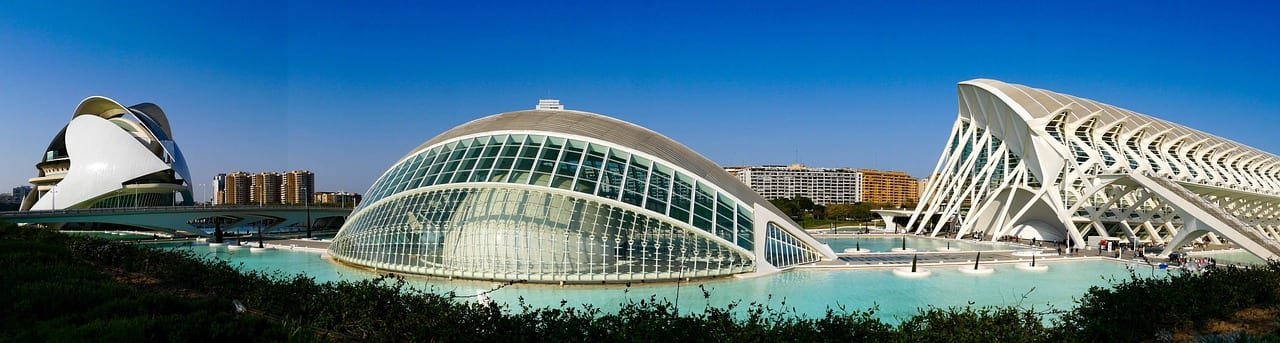
The rice harvest finishes in late September, so the bomba rice in your paella was likely cut weeks ago. Take the EMT bus 25 from Valencia city center (40 minutes, €1.50) to El Palmar, book a table at Casa Carmela (reserve 2 weeks ahead, €28 paella for two), and walk the 5-minute boardwalk to the lagoon for sunset. Mosquitoes appear at dusk, bring repellent. The Albufera Natural Park visitor center (free) explains the wetland ecology in 20 minutes.
7Santiago de Compostela Camino Finale in October

The French Way's last 100 km from Sarria qualifies for the Compostela certificate. October sees 60 percent fewer pilgrims than August; albergues (€10–€15/night) have space without pre-booking. The cathedral's Botafumeiro swings during the 12 pm Pilgrim Mass (check schedule on arrival). Fly into Santiago (SCQ) or take the ALVIA train from Madrid (5.5 hours). Allow 5 walking days plus a rest day in Santiago.
These seven experiences span Spain's north, center, and south. If you have only 10 days, pick either the northern trio (Rioja, Pyrenees, Cava) or the southern trio (Alhambra, Seville, Valencia) plus Santiago as a standalone 6-day add-on. For more ideas on structuring a Portugal-Spain combo, see our 7 Days in Portugal Itinerary: Fall Bucket List.
Best Photo Spots & Scenic Views in Spain This Fall

Three locations deliver the season's most reliable light and color without requiring a 4 am alarm.
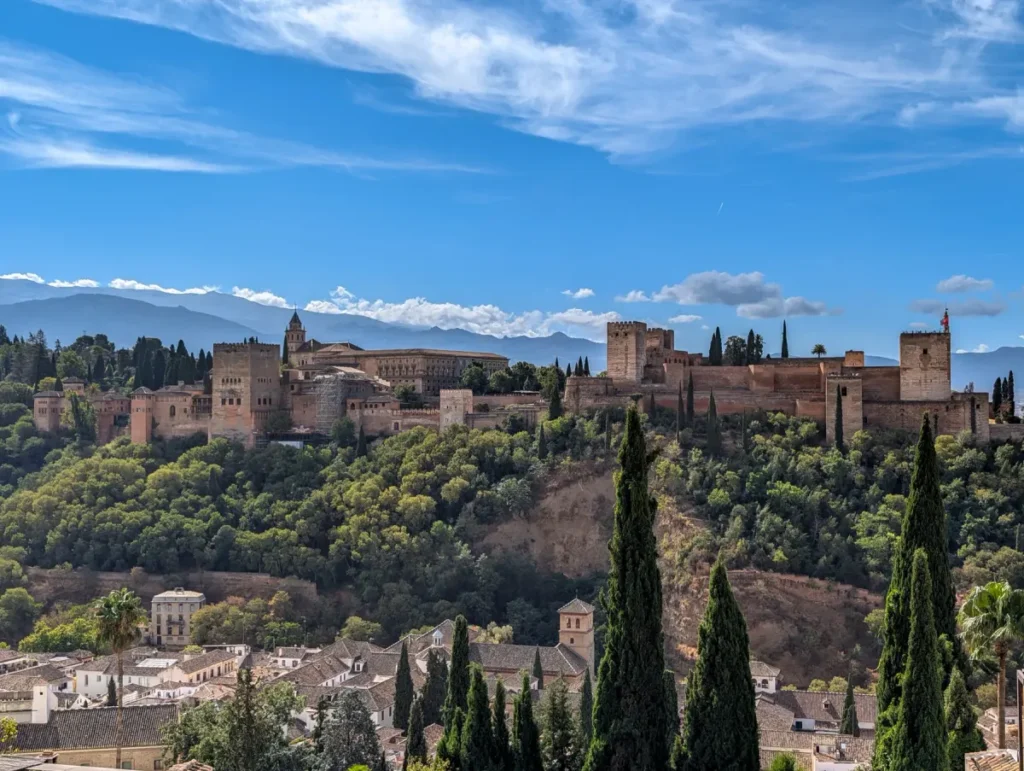
1. Mirador de San Nicolás, Granada (Alhambra backdrop)
Arrive 45 minutes before sunset (check timeanddate.com for exact time). The plaza fills with guitarists and travelers, but the wide terrace absorbs crowds. The Sierra Nevada peaks often catch first snow by late October, adding white contrast to the red fortress. Tripods are allowed; a 24–70mm lens covers both wide fortress shots and compressed telephoto details.
2. Laguardia Medieval Walls, Rioja Alavesa
The town sits on a mesa surrounded by vineyard patchwork. Walk the full perimeter (1.2 km, 25 minutes) for 360-degree views. Early morning mist sits in the valley until 9 am, ideal for drone pilots with EASA registration. The Church of Santa María de los Reyes' polychrome portico (free entry 10 am–1 pm, 4 pm–7 pm) adds architectural detail.
3. Ordesa Valley Cirque, Pyrenees
From the Cola de Caballo waterfall viewpoint, the U-shaped glacial cirque frames the beech forest's gradient from green to gold to rust. A 16–35mm wide lens captures the scale; a 70–200mm isolates the waterfall's veil against rock. Cloud inversions trap mist in the valley bottom until 10 am on calm high-pressure days, check the AEMET mountain forecast the night before.
Each spot works with a smartphone if you tap to focus on the horizon and lock exposure. For print-quality files, shoot RAW and bracket exposures (±2 EV) for HDR blending in post.
Where to Stay in Spain for Fall Travel
Match your base to the experience cluster you chose. Prices below are approximate per night for a double room in October; confirm on the property's direct site.
Northern Cluster (Rioja, Pyrenees, Cava)
- Laguardia (Rioja): Hotel Viura (modern, rooftop pool, €140–€190) or Hospedería de los Parajes (stone courtyard, €110–€150). Walk to 15 bodegas.
- Torla-Ordesa (Pyrenees): Hotel Silken Ordesa (valley views, €100–€140) or Casa Rurales (stone cottages, €80–€120, book 3 months ahead).
- Sant Sadurní d'Anoia (Cava): Hotel Mas Tinell (vineyard estate, €130–€180) or urban apartments in town (€70–€100). Rodalies train to Barcelona Sants in 30 minutes.
Southern Cluster (Granada, Seville, Valencia)
- Granada: Hotel Alhambra Palace (inside the complex, €180–€250, book 4 months ahead) or Albaicín cave houses (€90–€130, steep stairs, no elevator).
- Seville: Hotel Amadeus (Alfama district, rooftop pool, €120–€170) or Triana riverside apartments (€100–€140, quieter nights).
- Valencia: Hotel Caro (modernist palace, €150–€210) or El Cabanyal beach apartments (€90–€130, tram line 6 to center in 20 minutes).
Santiago de Compostela Standalone
- Parador dos Reis Católicos (Plaza del Obradoiro): €200–€300, historic hospital-turned-hotel, book 6 months ahead for October.
- Urban pensions near Rúa do Vilar: €60–€90, basic but clean, 3-minute walk to cathedral.
If you split time between clusters, Madrid makes the logical pivot: AVE to Barcelona (2.5h), Seville (2.5h), Valencia (1h 45m), and ALVIA to Santiago (5.5h). The Madrid Itinerary: 7 Amazing Fall Experiences details a 3-day Madrid stopover that connects both loops.
Best Time to Visit Spain & How Many Days to Plan: Best Time to Travel to Spain

Spain's fall splits into three micro-seasons that affect what you can do and what you'll pay.
| Period | Weather (Madrid/Seville/Granada) | Crowds | Price Level | Key Events |
|---|---|---|---|---|
| Sept 1–15 | 28°C/30°C/26°C days, 16°C nights | High (tail end of summer) | Peak | San Mateo (Logroño), La Mercè (Barcelona) |
| Sept 16–Oct 31 | 22°C/25°C/20°C days, 12°C nights | Medium | Shoulder | Rioja vendimia, Cava harvest, Bienal de Flamenco (Seville, even years) |
| Nov 1–30 | 15°C/19°C/14°C days, 7°C nights | Low | Low | Olive harvest starts, ski season opens Pyrenees |
Ideal trip length by scope:
- 7 days: One cluster only (north OR south) plus travel days. Do not try to cross the country.
- 10 days: Northern cluster (4 days) + Madrid pivot (1 day) + Southern highlight (3 days) + buffers.
- 14 days: Full north-to-south loop with 2 nights per base, rest days built in.
- 21 days: Add Portugal's Douro Valley (2 hours from Salamanca) or Morocco ferry from Tarifa (1 hour).
Weather reality check: Andalusia stays T-shirt weather until mid-November. The Pyrenees see first permanent snow around November 15. The Meseta (Madrid) drops to single digits at night by November 1. Pack a merino base layer, a packable down vest, and a waterproof shell, layers handle the 15°C daily swing. For official climate averages, see Spain on Wikipedia.
Getting There & Getting Around Spain

International arrivals: Madrid-Barajas (MAD) and Barcelona-El Prat (BCN) handle 70 percent of long-haul flights. Málaga (AGP), Valencia (VLC), and Seville (SVQ) take seasonal European routes. Santiago (SCQ) and Bilbao (BIO) connect to London, Frankfurt, and Lisbon.
Domestic high-speed rail (Renfe AVE/AVLO):
- Madrid–Barcelona: 2h 30m, €18–€90 (AVLO basic, book 8 weeks ahead).
- Madrid–Seville: 2h 30m, €25–€85.
- Madrid–Valencia: 1h 45m, €15–€60.
- Madrid–Málaga: 2h 30m, €30–€95.
- Barcelona–Seville: 5h 30m (via Madrid), €40–€130.
Regional trains (Media Distancia, Rodalies, Cercanías): Slower, cheaper, no reservation needed. Example: Barcelona Sants to Sant Sadurní d'Anoia (Cava), 30 minutes, €4.20 one way.
Car rental: Essential for Rioja (bodegas are 5–15 km from towns) and Pyrenees (trailheads lack transit). Compact €35–€55/day in October; one-way drop fees €150–€250 between north/south. Book via DiscoverCars or Rentalcars.com for free cancellation. Spanish toll roads (AP-68 Bilbao–Zaragoza, AP-7 Mediterranean) accept credit cards; carry €20 cash for older booths.
Urban transit: All major cities have metro/bus apps (TMB Barcelona, EMT Madrid, Tussam Seville). A 10-ride multi ticket (€6–€12) beats single fares. Valencia's Suárez card (€2 deposit) works on bus, metro, tram.
Practical tip: Download the Renfe app for mobile tickets (QR code scans at gate). Seat reservations are mandatory on AVE, your ticket includes a specific carriage and seat. For the official rail planner, see Renfe.
3-Day Spain Itinerary: Southern Highlights

Day 1: Granada, Alhambra and Albaicín

Morning (8:30–13:30): Alhambra General ticket (booked 90 days prior). Enter at 8:30 am for Nasrid Palaces at 10:00 am slot. Visit Generalife gardens first (cooler, fewer people), then Palaces, then Alcazaba fortress. Allow 4 hours.
Lunch (13:45): Ruta del Azafrán (Calle San Matías), tasting menu €32, reservation essential.
Afternoon (15:00–19:00): Walk Cuesta del Chapiz to Mirador de San Nicolás. Explore Albaicín's Carmen de los Mártires gardens (free). Sunset at the mirador with the Alhambra backdrop.
Evening (20:00): Tapas crawl on Calle Navas, Los Diamantes (fried fish), La Taberna del Tío Jorge (montaditos). Budget €35.
Day 2: Seville, Alcázar, Cathedral, Triana

Morning (8:30–13:00): Alcázar 9:30 am slot (booked 30 days prior). Gardens first, then Mudéjar Palace. Walk to Cathedral (combined ticket €17), climb Giralda ramp for city views.
Lunch (13:30): Eslava (Calle Eslava), spinach chickpea stew, carrillada ibérica. Reserve 2 weeks ahead.
Afternoon (15:30–19:00): Cross Puente de Isabel II to Triana. Ceramic workshop visit at Cerámica Santa Ana (free entry). Mercado de Triana for churros con chocolate.
Evening (20:30): Flamenco at Casa de la Memoria (€20, 1-hour intimate show, book online).
Day 3: Valencia, City of Arts, Albufera Sunset

Morning (9:00–13:30): City of Arts and Sciences, Oceanogràfic (€36, 3 hours) or Museu de les Ciències (€8, 2 hours). Walk Turia Gardens to historic center.
Lunch (14:00): Casa Carmela (El Palmar), paella valenciana €28 for two. Bus 25 from city center (40 min).
Afternoon (16:00–19:30): Albufera boardwalk sunset. Boat tour (€10, 45 min) from Embarcadero. Return by bus 25 (last 20:30).
Evening (21:00): Horchata at Horchatería Santa Catalina (Calle Santa Catalina). Fly out late night or overnight.
Logistics: Granada–Seville AVE 2h 30m (first train 7:00 am). Seville–Valencia AVE 3h 50m (via Madrid, one change). Book all trains 4–6 weeks ahead for €120–€180 total. For a northern alternative, see our Granada Fall Bucket List: 7.
FAQ: Best Time to Travel to Spain

What is the best month to visit Spain for first-timers?
October balances comfortable temperatures (20–24°C days), open seasonal attractions, and shoulder-season pricing. You avoid August's 40°C heat in Seville and July's crowds at the Alhambra. Book accommodations and major tickets 6–8 weeks ahead.
When is the cheapest time to visit Spain?
November through February (excluding Christmas week) sees hotel rates drop 30–50 percent and flight deals from Europe. The trade-off: shorter daylight (sunset 5:45 pm in Madrid), cooler nights (5–10°C), and some coastal businesses closed. The Spain tourism board publishes annual low-season calendars.
Is September a good time to visit Spain beaches?
Yes, Mediterranean water peaks at 24–25°C in September, air temps are 26–29°C, and beach towns like Valencia, Málaga, and Cádiz keep full services running. Crowds thin after Spanish schools restart (Sept 10–15). By October, water drops to 21°C, still swimmable for many.
How does weather vary across Spain by month?
Northern Spain (Galicia, Basque Country, Pyrenees) sees rain 10–12 days/month in October; pack a quality shell. Central Meseta (Madrid) is dry, sunny, 15°C diurnal swing. Southern Andalusia stays dry and warm until November. Check AEMET (Spanish meteorological agency) 7-day forecasts before each leg.
What festivals should I plan around in Spain?
Rioja San Mateo (Sept 20–26), Cava Verema (early Oct), Seville Bienal de Flamenco (Sept–Oct, even years), Barcelona La Mercè (Sept 24), Valencia 9 d'Octubre (Oct 9). Confirm 2024 dates on each festival's official site, schedules shift yearly.
Is Spain safe to visit in winter?
Yes. Violent crime rates remain low (Eurostat 2023: 0.7 homicides/100k). Pickpocketing spikes in metro stations and tourist queues, use a money belt, keep phone in front pocket. Mountain areas require winter gear and avalanche awareness (check Guardia Civil alerts).