Best Times to Visit Ireland: Quick Answer

The best times to visit Ireland for fall bucket list experiences are mid-September through October, when summer crowds vanish, daylight still stretches past 7 p.m., and the landscape shifts to amber and rust. You get comfortable temperatures (10–15°C / 50–59°F), lower accommodation prices than July, and the year's most vibrant cultural calendar, harvest festivals, oyster season, and trad sessions in rural pubs. This guide covers seven iconic autumn experiences, a 3-day itinerary, where to stay, and the practical details that turn a good trip into a great one. Check the official Ireland tourism board for current event dates and travel advisories before you book.
Free Ireland trip checklist
Get the printable itinerary outline and packing checklist for Ireland, sent straight to your inbox.
No spam. One email with your checklist.
7 Fall Bucket List Experiences in Ireland
These seven experiences capture why autumn is arguably the best times to visit Ireland. Each one is tied to a specific place, date window, and practical detail so you can slot it into your route.
1Drive the Wild Atlantic Way in September Light

The 2,500 km coastal route shows off best in early autumn: heather blooms purple on the Connemara bogs, the Cliffs of Moher glow at golden hour without the July tour buses, and you can actually find parking at the Ring of Kerry viewpoints. Allow 5–7 days for the full Galway-to-Kinsale stretch, or 3 days for the Dingle Peninsula loop. Fuel costs roughly €1.70/L; fill up in larger towns, rural stations close early.
2Cliffs of Moher at Sunset Without the Crowds

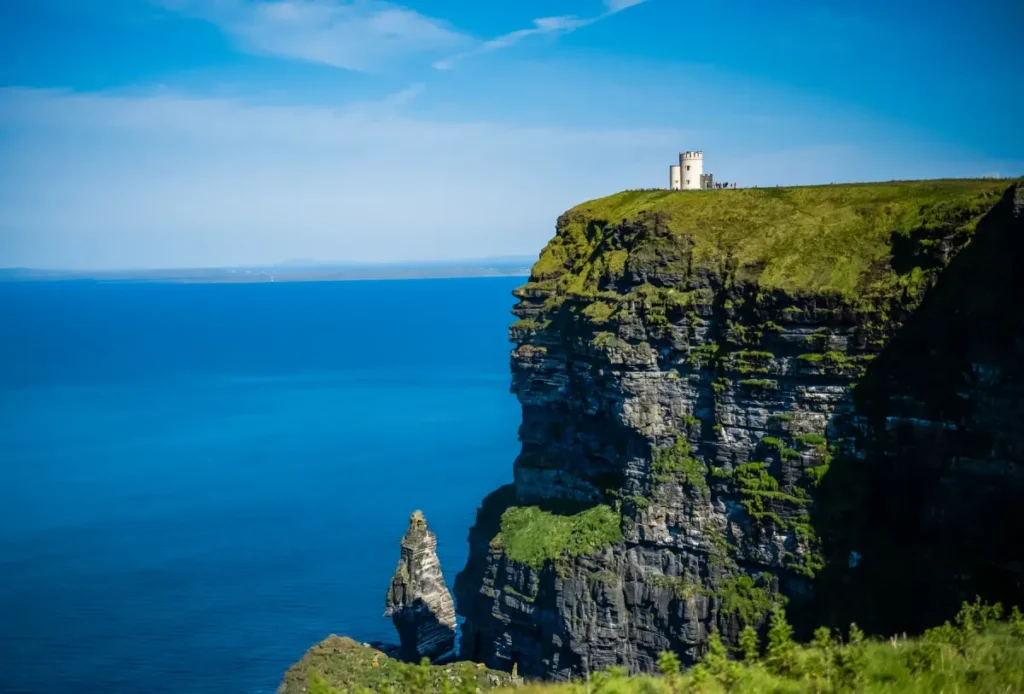
Arrive after 6 p.m. in September and you'll share the 214 m cliffs with maybe 20 other people. The visitor centre (€12 adult) stays open until 7 p.m.; the cliff walk itself is free and accessible 24/7. Bring a windproof layer, the Atlantic gust hits hard even on calm days. The Doolin coastal walk north from the cliffs adds 2 hours of empty trail if you have time.
3Galway International Oyster & Seafood Festival (Late September)

The world's longest-running oyster festival (since 1954) takes over the Latin Quarter for a long weekend. A tasting plate of six native Galway oysters with a pint of Guinness costs about €18 at the festival marquee. Book B&Bs in Salthill or Oranmore by May, city centre rooms triple in price. The festival also runs shucking championships, seafood trails, and trad sessions in pubs like The Crane and Tigh Neachtain.
4Killarney National Park Autumn Colours by Bike

Rent a bike in Killarney town (€20/day) and follow the 11 km Muckross Lake loop through oak woods that turn copper-gold in mid-October. The route is flat, car-free, and passes Torc Waterfall and Muckross House (house tour €11). Jaunting cars (horse-drawn) share the path, give them space. Pack rain gear; the park averages 220 rainy days a year.
5Dingle Peninsula Food Trail in October

October brings lamb season, razor clams from Ventry Harbour, and the Dingle Food Festival (first weekend). Start at Doyle's Seafood Restaurant for chowder (€14), walk to the Distillery for a gin tour (€25), and finish at a pub session in An Droichead Beag. The Slea Head Drive (47 km loop) takes 3 hours with stops; fuel up in Dingle town, the peninsula has one pump.
6Connemara Pony Trekking in the Twelve Bens Foothills
Local stables like Cleggan Beach Riding Centre offer 2-hour guided treks (€75) across bogland and beach with the Twelve Bens mountains as backdrop. September weather is ideal, cool enough for the ponies, dry enough for the trails. No experience needed; they match horses to riders. Book 2 weeks ahead for weekend slots.
7Traditional Music Session in a Thatched Pub, County Clare

Doolin's Gus O'Connor's and McDermott's, or Dingle's An Droichead Beag, host nightly sessions starting around 9:30 p.m. Arrive by 9 p.m. for a seat; no cover charge, but buy a round. The fall schedule sees more local musicians home from summer tours. Sessions are informal, listen, don't record without asking. A pint of plain costs €5.50–6.50.
Best Photo Spots & Scenic Views

Autumn light hits these three locations differently than any other season. Plan your route to catch them at the right hour.
- Cliffs of Moher, County Clare: Shoot from the north cliff path (O'Brien's Tower side) 45 minutes before sunset. The light sweeps across the Atlantic and illuminates the cliff face. A 24–70 mm lens covers both wide vistas and puffin close-ups (they linger until late September).
- Lough Tay (Guinness Lake), Wicklow Mountains: The dark peaty water framed by white sand and autumn forest looks like its namesake. Best from the R759 pullout at 10 a.m. when the sun hits the western shore. No facilities, bring coffee from Roundwood village 10 minutes back.
- Dunquin Pier, Dingle Peninsula: The zigzag path down to the pier descends into turquoise water with the Blasket Islands offshore. Mid-afternoon light in October creates deep shadows on the steps. Park at the top (free); the walk down takes 5 minutes but the climb back tests knees.
Where to Stay in Ireland by Area and Budget

Match your base to the experiences above. Prices are approximate per night for two people sharing in October; add 30–50% for September weekends.
Dublin (city exploration, day trips)
- Mid-range: The Dean Dublin (€180–220), rooftop bar, central for trains
- Budget: Generator Hostel Dublin (€60–90 private room), 10 min walk to Connolly Station
- Splurge: The Shelbourne (€350+), historic luxury on St Stephen's Green
Galway (Wild Atlantic Way north, festivals)
- Mid-range: The Hardiman (€160–200), Victorian hotel on Eyre Square
- Budget: Snoozles Hostel (€50–80), quiet, 5 min to Latin Quarter
- Splurge: Glenlo Abbey Hotel (€280+), estate on Lough Corrib, 15 min drive
Killarney (national park, Ring of Kerry)
- Mid-range: The Ross Hotel (€140–180), park views, walk to town
- Budget: Killarney International Hostel (€45–70), kitchen, bike hire on site
- Splurge: The Europe Hotel (€250+), lakeside spa, falconry on grounds
Dingle (peninsula loop, food scene)
- Mid-range: Dingle Benners Hotel (€150–190), harbour views, great breakfast
- Budget: Dingle Town Hostel (€40–65), above a pub with nightly sessions
- Splurge: Castlewood House (€220+), Georgian B&B, 2 km out, garden dinner
Book directly with properties when possible, they often hold rooms not shown on OTAs and waive cancellation fees if you email them. For more city-specific stays, see our Dublin Food Guide: 7 Best Eats (2026 Guide) which includes neighbourhood stay tips.
Best Time to Visit Ireland & How Many Days to Plan: Best Times to Visit Ireland

The table below breaks down what each autumn month delivers so you can match your priorities.
| Month | Weather (Avg High/Low) | Crowds | Price Level | Key Events |
|---|---|---|---|---|
| September | 16°C / 10°C (61°F / 50°F) | Moderate | High (early) → Medium (late) | Galway Oyster Festival, Dublin Fringe Festival |
| October | 13°C / 8°C (55°F / 46°F) | Low | Medium | Dingle Food Festival, Cork Jazz Festival, Halloween origins tours |
| November | 10°C / 5°C (50°F / 41°F) | Very Low | Low | Trad festival season starts, Christmas markets prep |
How many days?
- 3 days: Dublin + one day trip (Glendalough or Cliffs of Moher by tour)
- 5 days: Dublin, Galway, Cliffs of Moher, one Connemara day
- 7–10 days: Full Wild Atlantic Way loop (Galway → Dingle → Killarney → Cork) with 2-night stops
- 14 days: Add the Ancient East (Kilkenny, Waterford, Wicklow) and Northern Ireland (Giant's Causeway, Belfast)
The sweet spot for a first autumn trip is 7–8 days: you hit the festival calendar, see foliage peak in the national parks, and still have energy for pub sessions. If you only have a long weekend, base yourself in Galway and do the Cliffs, Connemara, and Aran Islands as day trips. For a deeper dive on seasonal planning across Europe, our Best Time to Go to England: 7 Fall Bucket List Experiences covers similar latitude logic.
Getting There & Getting Around Ireland

Most international flights land at Dublin (DUB), Shannon (SNN), or Cork (ORK). Aer Lingus, Ryanair, and major carriers serve Dublin year-round; Shannon and Cork see seasonal cuts after October. From the US East Coast, Dublin is 6.5 hours; West Coast adds a connection.
Car rental (recommended for west coast)
- Book 3–4 months ahead for October; automatic transmission costs €30–50/week extra
- Insurance: decline CDW only if your credit card covers Ireland (many exclude it); full coverage adds €15–25/day
- Fuel: €1.70/L petrol, €1.60/L diesel; a Galway–Dingle–Killarney loop burns ~€80
- Drive on the left; roundabouts yield to the right. Narrow rural roads need pull-in etiquette, reverse to the nearest passing place.
Public transport (Dublin–Galway–Cork–Killarney corridor)
- Irish Rail: Dublin–Galway 2.5 hrs (€20–35 advance), Dublin–Cork 2.5 hrs (€20–35), Cork–Killarney 1.5 hrs (€15–25)
- Bus Éireann: connects smaller towns; slower but cheaper. Book Expressway seats online.
- Leap Card: load €20 for Dublin buses, Luas, DART; not valid intercity.
Flights within Ireland
- Only Dublin–Donegal and Dublin–Kerry (Farranfore) run year-round; 45 min, €50–120 one-way. Not worth it unless time-critical.
Mistakes to avoid
- Assuming Google Maps travel times are accurate on rural roads (add 20%)
- Booking a massive SUV, it won't fit in village car parks or narrow boreens
- Skipping travel insurance that covers rental car excess (Irish excesses hit €2,000+)
- Forgetting a physical Eircode (postcode) for rural B&Bs, GPS often fails
- Leaving coins for tolls, the M50 Dublin ring road is barrier-free; pay online by 8 p.m. next day
3-Day Ireland Itinerary: Fall Highlights
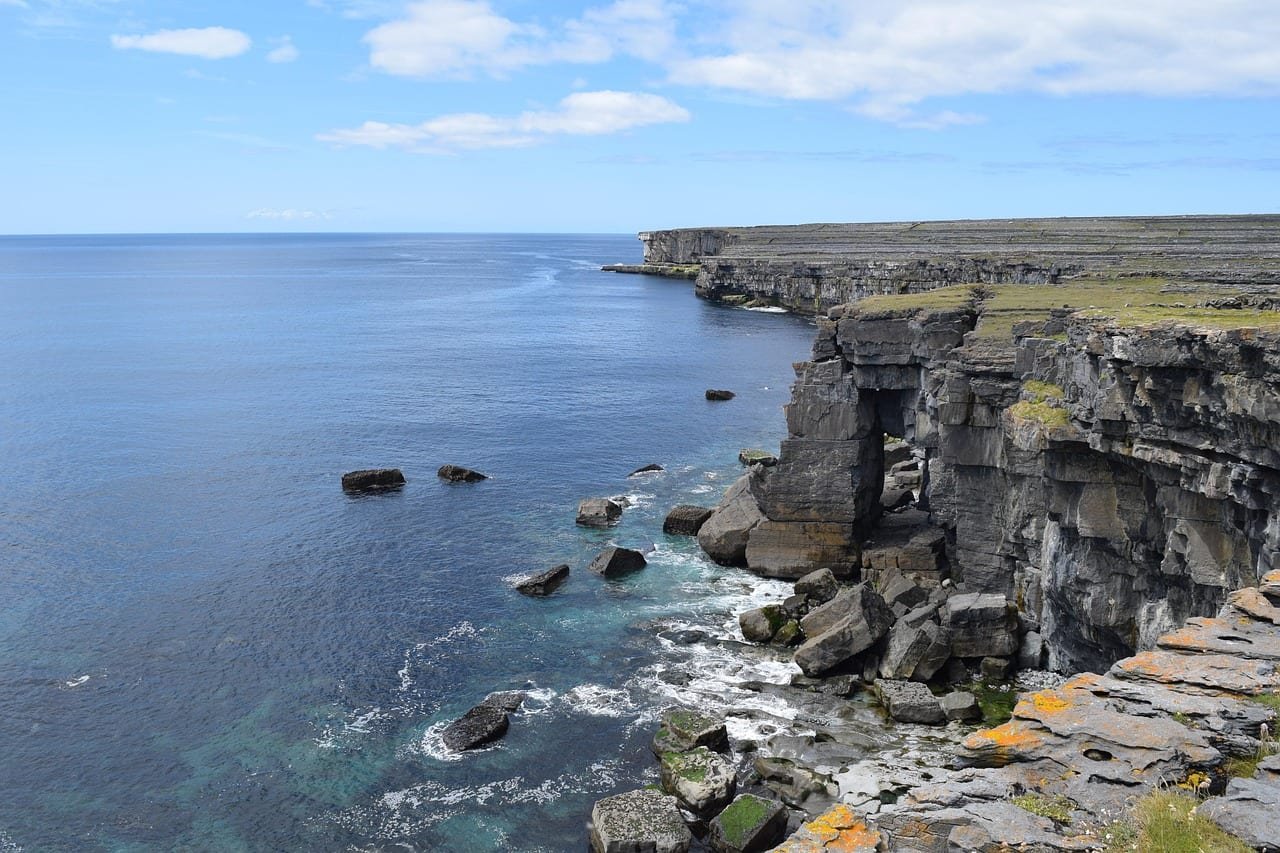
This route assumes a rental car, mid-September start, and base in Galway for two nights. Adjust days if you're using trains.
Day 1: Galway City & Connemara Loop

Morning: Pick up car in Galway (9 a.m.), drive 40 min to Connemara National Park. Hike Diamond Hill (3 hrs, 7 km, moderate) for 360° views over the Twelve Bens and Kylemore Abbey. Pack lunch, the park café closes at 4 p.m.
Afternoon: Drive the Sky Road (R341) from Clifden, 11 km coastal loop with the best autumn light on the islands. Stop at Clifden Castle ruins for photos.
Evening: Return to Galway by 6:30 p.m. Dinner at Kai Café (reserve 2 weeks ahead; €45 tasting menu). Trad session at The Crane from 9:30 p.m. (arrive 9 p.m.).
Day 2: Cliffs of Moher & The Burren

Morning: Depart 8 a.m., 1.5 hr drive to Cliffs of Moher. Walk north on the cliff path to Hags Head (2 hrs round trip, free). Visitor centre opens 9 a.m. if you want the exhibition (€12).
Midday: Drive 20 min to Doolin for lunch at Fitz's Pub (seafood chowder €12).
Afternoon: Explore the Burren, Poulnabrone Dolmen (5,000-year-old portal tomb, free), then Aillwee Cave tour (€18, 45 min) if weather turns. The Burren Perfumery (free entry) makes fragrances from local flora.
Evening: Drive back via Lisdoonvarna (matchmaking festival in September). Dinner in Galway at Ard Bia at Nimmo's (book ahead; €35).
Day 3: Aran Islands Day Trip
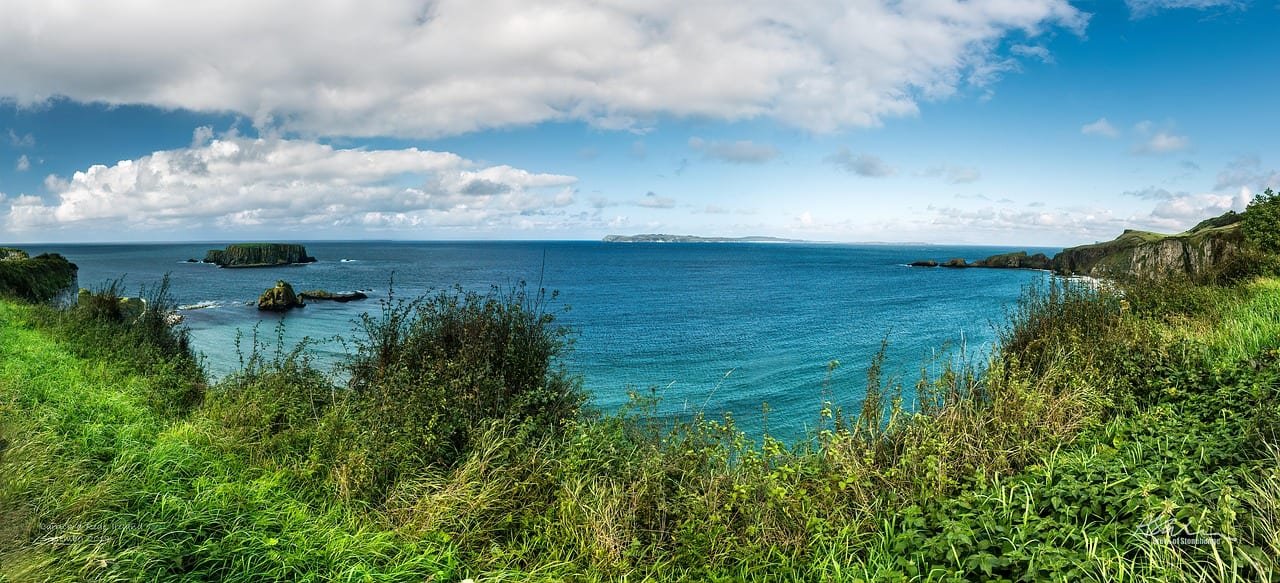
Morning: Park at Rossaveal (€8/day), 40 min ferry to Inis Mór (€30 return, 40 min). Rent bikes at the pier (€15/day). Cycle 8 km to Dún Aonghasa fort (cliff-edge Iron Age fort, free).
Midday: Picnic at the fort (grab supplies in Galway: Bánh Mì sandwich €8, apple, flapjack).
Afternoon: Cycle back via the seal colony at Kilmurvey Beach. Last ferry 5:30 p.m. (check Aran Island Ferries site for winter timetable).
Evening: Return car in Galway. Train to Dublin (2.5 hrs) or fly from Shannon (1 hr drive).
If you have 5 days: Add Killarney National Park (Day 4) and Dingle Peninsula (Day 5), see the 7 experiences above for details.
FAQ: Ireland in Autumn
What is the best time to visit Ireland for fall foliage?
Mid-October typically peaks in Killarney National Park, Wicklow Mountains, and the Burren. Elevation and coastal exposure shift dates by a week, check Ireland on Wikipedia for regional climate normals and the Met Éireann forecast 5 days before you travel.
How many days do you need for a first Ireland trip in autumn?
Seven to eight days lets you cover Dublin, Galway, the Cliffs of Moher, and either Connemara or the Dingle Peninsula without rushing. Three days works only if you base in one city and take guided day tours.
Is Ireland expensive to visit in October?
Mid-range travellers spend €150–250 per day (accommodation, car, meals, entry fees). October is 20–30% cheaper than July for B&Bs and flights, but festival weekends in Galway and Dingle spike prices, book 3–4 months out.
Best Month to Visit Ireland: Ireland in September and October
If you are choosing the best time of year to go to Ireland, the answer depends on weather, crowds and what you want to do. Here is how the months compare.
- May to June: long days, green countryside and moderate crowds.
- July and August: warmest and busiest, with high prices.
- September: Ireland in September has settled weather, fewer crowds and long evenings.
- October: Ireland in October is cooler and wetter with autumn color and quiet roads.
- November to March: low season with short days, wet weather and some closures.
What is the best month to visit Ireland?
June and September are the most balanced for weather and crowds.
When is the best time to travel to Ireland?
Late spring and early fall suit most travelers. Pack waterproofs in every season because showers are common.