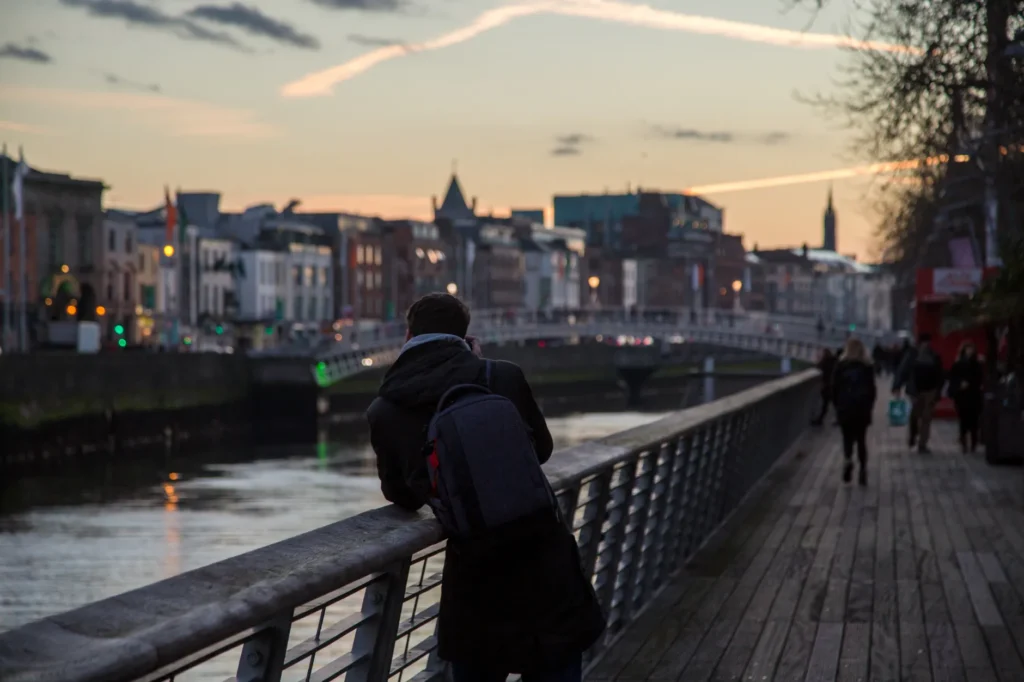

The Dublin food guide you’ve been waiting for reveals hidden flavors beyond the typical tourist trail. Picture yourself stepping out of a rain‑kissed alley into a lively market where locals barter over fresh oysters and warm potato cakes. You’ll feel the buzz of conversation, the clink of glasses, and the aroma of simmering stew that makes you wonder why you ever ate anything else. This guide promises practical tips, a saveable itinerary, and the confidence to eat like a true Dubliner. If you love discovering a city through its plates, you’ll appreciate the mix of historic pubs, modern food halls, and family‑run eateries that this guide maps out. Ready to taste Dublin’s soul? For more inspiration, check out the Munich Fall Bucket List for a taste of European culinary adventures.
Free Dublin trip checklist
Get the printable itinerary outline and packing checklist for Dublin, sent straight to your inbox.
No spam. One email with your checklist.
The Food Scene: What Makes Dublin’s Cuisine Distinct

Dublin’s food scene blends centuries‑old Irish traditions with waves of global influence. The city’s historic pubs still serve hearty stews, while contemporary chefs experiment with farm‑to‑table concepts in sleek downtown kitchens. Seasonal ingredients like Irish butter, fresh seafood, and heirloom potatoes dominate menus, giving each dish a distinct, comforting flavor. Local markets such as the Temple Bar Food Market showcase artisan cheeses, smoked salmon, and handcrafted breads that reflect the island’s agricultural heritage. Meanwhile, neighborhoods like Rathmines and Stoneybatter host pop‑up stalls where you can sample everything from Korean‑style tacos to traditional boxty. The result is a culinary that feels both familiar and surprising. The Dublin food guide highlights how the city’s maritime history still influences its plates. You’ll find Dublin Bay prawns on menus year‑round, and the annual seafood festival draws chefs from across the Atlantic. For official tourism details, visit Visit Dublin. A quick glance at the city’s Wikipedia entry gives a solid background on its food evolution: Dublin on Wikipedia.
Dishes You Must Try: 5‑8 Local Specialties

- Irish Stew – A comforting blend of lamb, potatoes, carrots, and onions simmered until melt‑in‑your‑mouth tender. Served with a slice of soda bread, it’s the ultimate comfort food for cool evenings.
- Boxty – Traditional Irish potato pancakes, crispy on the outside and fluffy inside. They’re often filled with smoked salmon or served alongside a hearty stew.
- Coddle – A one‑pot wonder of pork sausages, bacon, potatoes, and onions, slowly cooked to meld flavors. It’s a favorite among locals after a night out.
- Dublin Bay Prawns – Known locally as “langoustines,” these sweet, delicate crustaceans are best enjoyed grilled with a squeeze of lemon.
- Full Irish Breakfast – A plate piled with black and white pudding, sausages, bacon, eggs, mushrooms, tomatoes, and toast. It fuels a day of exploring the city’s streets.
- Barmbrack – A sweet, spiced fruit loaf traditionally eaten around Halloween, often containing a hidden ring for good luck.
- Seaweed Chips – A modern snack found at food markets, offering a salty crunch that nods to Ireland’s coastal heritage.
- Guinness‑Infused Chocolate – A decadent treat that pairs the iconic stout’s bitterness with silky chocolate, perfect for dessert lovers. Each of these dishes appears on the Dublin food guide’s recommended tasting list, and you’ll find them in both historic pubs and contemporary eateries.
Best Markets, Street Food & Local Restaurants

Temple Bar Food Market, open every Saturday, is a must‑visit for fresh produce, artisanal cheeses, and ready‑to‑eat bites. Vendors like “The Irish Fry” serve fish and chips with a twist, hand‑cut cod and sweet potato wedges. Further north, the George’s Street Arcade houses quirky stalls where you can grab a steaming bowl of coddle or a vegan boxty wrap. The atmosphere feels like stepping into a bustling Dublin kitchen, with the aroma of frying onions filling the air. For a sit‑down experience, head to The Woollen Mills near the River Liffey. Their menu blends classic Irish fare with modern plating, and the staff are eager to recommend seasonal specials. If you prefer a more intimate setting, Brother Hubbard on Capel Street offers a brunch menu featuring poached eggs on soda‑bread and locally sourced coffee. Don’t miss the Howth Market on the coastal village of Howth, just a short DART ride away. Here, you’ll find freshly shucked Dublin Bay prawns, seaweed chips, and homemade oatcakes. The market’s scenic backdrop of cliffs adds a memorable flavor to every bite. For a quick street‑food fix, try the Gourmet Food Truck at St. Stephen’s Green during summer evenings. Their menu rotates daily, featuring everything from Korean‑style tacos to Irish lamb kebabs. Explore more hidden culinary gems in the Discover Dubrovnik's Secret Spots: A Local's Guide to article for inspiration on finding off‑the‑beaten‑path eateries.
A Food Lover’s Neighborhood Guide

Temple Bar – The heart of Dublin’s nightlife, this area also houses a concentration of gourmet food stalls, craft breweries, and historic pubs. Try the Irish stew at The Brazen Head, reputedly Ireland’s oldest pub. Stoneybatter – A hip, residential district where you’ll find artisanal bakeries like Brother Hubbard and farm‑to‑table cafés such as The Fumbally. The neighborhood’s weekly farmers’ market offers fresh herbs, free‑range eggs, and local honey. Rathmines – Known for its multicultural vibe, Rathmines offers a mix of traditional Irish eateries and Asian‑fusion spots. Don’t miss The Greenhouse, a Michelin‑starred restaurant that reinterprets classic dishes with modern flair. Howth – A fishing village just outside the city, perfect for seafood lovers. The Oyster Tavern serves freshly shucked Dublin Bay prawns, while the promenade provides a stunning backdrop for a seaside picnic. South William Street – Home to the Guinness Storehouse and several contemporary food halls. After touring the Storehouse, grab a plate of boxty at the nearby The Woollen Mills. Each neighborhood offers a distinct culinary personality, and the Dublin food guide helps you map out a route that maximizes flavor while minimizing travel time.
Best Time to Visit for Food Festivals & Seasonal Dishes

Spring (April‑May) brings the Dublin Food Festival, a celebration of local produce, craft beer, and emerging chefs. Expect pop‑up stalls serving fresh asparagus soup, lamb stew, and strawberry‑infused desserts. Summer (June‑August) is peak season for outdoor markets and the Howth Seafood Festival, where you can taste freshly caught prawns, oysters, and smoked salmon right on the pier. The longer daylight hours also mean extended opening times for rooftop bars serving innovative Irish tapas. Autumn (September‑October) showcases the Irish Harvest Fair, highlighting heirloom potatoes, heritage pork, and apple‑cider doughnuts. This is also the best time to sample Barmbrack, which is traditionally baked with spices and dried fruit during the harvest period. Winter (November‑December) may be cooler, but the city’s pubs come alive with Christmas markets that serve mulled Guinness, gingerbread, and hearty stews. The festive atmosphere adds a cozy layer to the Dublin food guide’s recommendations. No matter the season, always verify event dates on the official tourism board website before planning: Visit Dublin Events Calendar.
Practical Tips for Eating Like a Local (Dublin Food Guide Essentials)

Currency: Ireland uses the Euro. Most places accept cards, but small cash‑only stalls may prefer exact change, especially at markets. Etiquette: When ordering a pint, say “One pint of Guinness, please.” It’s polite to wait for the server to bring the glass, and never pour your own beer. Language: While English is the primary language, you’ll hear Irish (Gaelic) greetings like “Dia dhuit” in traditional pubs. Learning a few phrases shows respect and often earns a friendly chat. Timing: Lunch is typically served between 12 pm‑2 pm, and dinner starts around 6 pm. Many restaurants close early on Sundays, so plan your meals accordingly. Reservations: For popular spots like The Woollen Mills or The Brazen Head, book a table at least a week in advance, especially during festival periods. Health & Safety: Food allergies are taken seriously in Dublin. Inform staff of any restrictions, and they’ll guide you to safe options. Always double‑check the freshness of seafood at markets. Transport: The city’s public transport (DART, Luas, and buses) makes it easy to hop between neighborhoods. A Leap Card offers discounted fares and can be topped up at most convenience stores. Finally, remember that many venues post their menus online. Checking ahead helps you budget and avoid surprises. For a deeper look at travel advisories, consult the Irish government’s official site: Irish Travel Advice.
A Food‑Focused Day‑by‑Day Itinerary

Day 1 – Morning: Start with a traditional Irish breakfast at Queen’s Café on Grafton Street. Afterward, stroll to the Temple Bar Food Market for fresh fruit and a quick bite of smoked salmon on soda bread. Mid‑Morning: Walk to the Guinness Storehouse. While the tour focuses on brewing history, the tasting room offers a small plate of boxty topped with smoked salmon, perfect for a snack. Lunch: Head to The Woollen Mills for a modern take on Irish stew, served with a side of rosemary‑infused potatoes. Afternoon: Take the DART to Howth. Wander the pier, then enjoy a seafood platter of Dublin Bay prawns and mussels at Oyster Tavern. Evening: Return to the city and dine at Brother Hubbard on Capel Street, where the menu features a vegetarian coddle made with locally sourced beans and herbs. Day 2 – Morning: Grab a coffee and a slice of Barmbrack at The Fumbally. Then explore the Stoneybatter Farmers’ Market, sampling artisanal cheeses and oatcakes. Mid‑Morning: Visit St. Stephen’s Green and relax on a bench while snacking on seaweed chips from a nearby vendor. Lunch: Experience a contemporary tasting menu at The Greenhouse, where the chef reimagines classic Irish dishes with seasonal produce. Afternoon: Walk through Grafton Street, stopping at Café Envy for a sweet treat of Guinness‑infused chocolate mousse. Evening: End your trip with a traditional music session at The Cobblestone in Smithfield. Pair the live tunes with a plate of lamb kebabs and a pint of stout. Throughout both days, the Dublin food guide reminds you to stay flexible, if a market stall looks especially inviting, pause and savor the moment. This itinerary balances iconic attractions with hidden culinary gems, giving you a confident, flavorful experience. For more inspiration on city itineraries, see the London Summer Trip article.