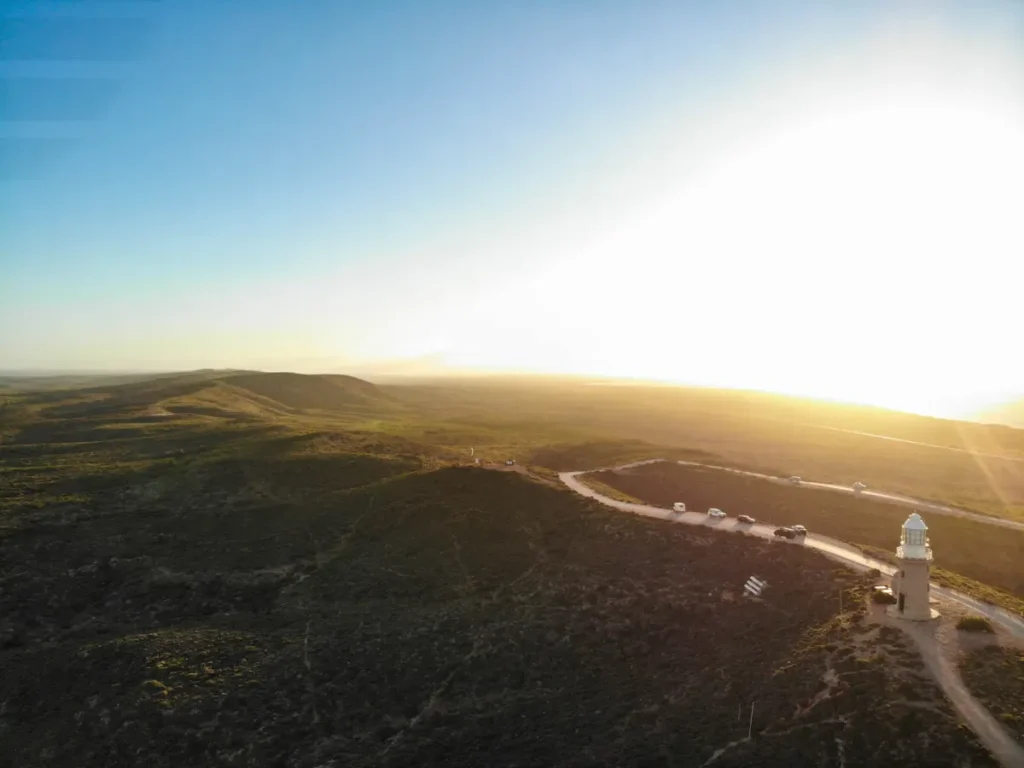
Best Times to Visit Australia: Quick Answer

The best times to visit Australia for fall bucket list experiences run from March through May, when the southern autumn brings mild temperatures, thinner crowds, and vibrant landscapes across the continent. This period unlocks ideal conditions for iconic activities like hiking the Larapinta Trail, snorkeling Ningaloo Reef during whale shark season, and chasing the Aurora Australis in Tasmania. Below you will find seven specific experiences mapped to their optimal fall windows, a three-day Red Centre itinerary, regional weather tables, and practical transport tips so you can build a trip that matches your pace and budget. For official visa and entry requirements, check the Australian Government Department of Home Affairs.
Australia spans multiple climate zones, so "fall" means something different in Tropical North Queensland than it does in Tasmania. The northern tropics shift from wet to dry season in April, while the southern states settle into crisp, golden autumn days. This guide treats the continent as a collection of distinct regions rather than a single destination, helping you match each experience to its sweet spot.
7 Fall Bucket List Experiences in Australia

1Swim with Whale Sharks at Ningaloo Reef (March–July)

Ningaloo Reef, off the coast of Exmouth in Western Australia, hosts the world's most reliable whale shark aggregation from March to July. Tours depart daily from Tantabiddi and Coral Bay; a full-day boat trip costs roughly AUD $395–$450 and includes spotter planes, snorkel gear, and a marine biologist briefing. Book at least six months ahead for April dates, operators like Ningaloo Discovery and Three Islands Whale Shark Dive fill fast. Allow a full day on the water plus travel time to Exmouth (a two-hour flight from Perth).
2Hike the Larapinta Trail Section 1 & 2 (April–May)

The Larapinta Trail stretches 223 km across the West MacDonnell Ranges near Alice Springs. Sections 1 and 2 (Euro Ridge to Simpsons Gap, about 30 km) offer the highest reward for a two-day hike: dramatic ridgeline views, permanent waterholes like Ellery Creek Big Hole, and cool autumn nights perfect for camping. Daytime highs sit around 25 °C in April. Carry 3–4 liters of water per person per day; resupply at Alice Springs before starting. Parks NT requires a camping permit (AUD $10/night) booked online.
3Chase the Aurora Australis in Tasmania (March–May)

Tasmania's southern latitude makes it one of the few accessible places to see the Southern Lights. The autumn equinox (late March) statistically boosts geomagnetic activity. Head to dark-sky sites like South Arm Peninsula (40 minutes from Hobart) or Cockle Creek (two hours south). Check the Bureau of Meteorology's aurora alerts and aim for moonless nights. Pack thermal layers, overnight lows drop to 5 °C even in March.
4Drive the Great Ocean Road in Golden Light (April–May)

Victoria's Great Ocean Road shines in autumn when tourist buses thin and the coastal heath blooms. Drive west from Torquay to Port Fairy over two days: stop at the Twelve Apostles at sunrise (6:30 am in April) for empty boardwalks, hike the 3.5 km Loch Ard Gorge circuit, and overnight in Apollo Bay. Fuel up in larger towns, stations are sparse west of Lavers Hill. Accommodation drops 20–30 % off summer rates.
5Explore Kata Tjuta's Valley of the Winds (April–September)

Kata Tjuta (The Olgas), 30 km west of Uluru, offers the 7.4 km Valley of the Winds loop, best hiked at 6 am when temperatures sit below 20 °C and the domes glow ochre. The trail closes from 11 am if the forecast hits 36 °C; autumn eliminates that risk. Entry to Uluru-Kata Tjuta National Park costs AUD $38 for a three-day pass. Stay at Ayers Rock Resort (book 4–6 months ahead) or camp at the park's designated sites.
6Wine and Wildlife on Kangaroo Island (April–May)

Kangaroo Island, a 45-minute flight or 90-minute ferry ride from Adelaide, balances cellar doors with wild koala colonies at Hanson Bay and sea lions at Seal Bay Conservation Park. Autumn harvest means vineyards like The Islander Estate and False Cape Wines offer tastings without queues. Rent a car on the island, roads are unsealed beyond Kingscote. Allow three nights to cover Flinders Chase National Park's Remarkable Rocks and Admirals Arch at sunset.
7Stargaze at Arkaroola Dark Sky Sanctuary (April–October)

Arkaroola Wilderness Sanctuary in the northern Flinders Ranges holds International Dark Sky Sanctuary status. Autumn brings clear, stable air and 14-hour nights. The sanctuary runs guided astronomy tours (AUD $60) using 14-inch telescopes; the Milky Way casts shadows on moonless nights. Access requires a 4WD or a scenic flight from Adelaide (1 hour). Stay in the sanctuary's ridge-top cabins (book early, only 12 units).
These seven experiences anchor a fall trip that moves from tropical reef to alpine desert without backtracking. Pair Ningaloo with the Larapinta Trail for a Western Australia–Northern Territory combo, or link Tasmania's aurora hunt with the Great Ocean Road for a southern coastal route.
Best Photo Spots & Scenic Views

Australia's fall light transforms familiar landmarks into photographer favorites. These three locations deliver consistent results with minimal planning:
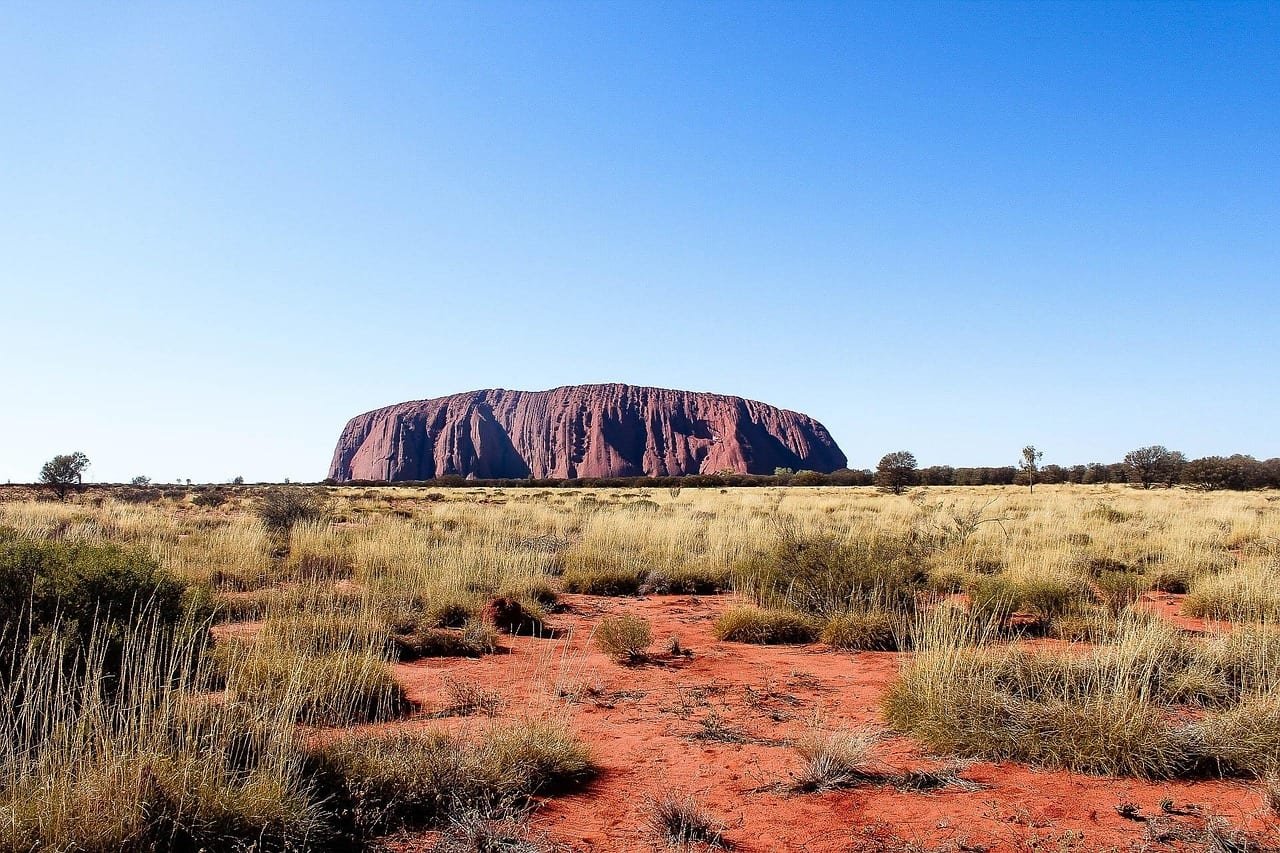
Uluru at Sunset from the Talinguru Nyakunytjaku Viewing Area, The designated platform faces west, catching the rock's color shift from ochre to deep red 20 minutes before official sunset. Arrive 45 minutes early for tripod space; the area fills by April. A 200 mm lens compresses the foreground spinifex.
Twelve Apostles at Dawn from Gibson Steps, Descend the 86 steps to beach level 30 minutes before sunrise (6:15 am in April). The low tide exposes reflective sand flats that mirror the stacks. Autumn storms often leave dramatic cloud bands; check the Bureau of Meteorology radar before the 4 am wake-up.
Cradle Mountain–Dove Lake Circuit at First Light, The 6 km loop reflects the jagged peaks in glass-calm water at 7 am. Boardwalks protect alpine vegetation; stay on them. Morning mist burns off by 9 am, so the first hour is your window. The visitor centre shuttle runs from 8 am, park at Ronny Creek if you want the earliest start.
Each spot works with a smartphone if you tap to focus on the horizon and lock exposure. For prints, bracket three shots at -2, 0, +2 EV and blend in post.
Where to Stay in Australia for Fall

Match your base to the experience cluster you choose, Australia's distances punish poor logistics.
Red Centre (Uluru–Kata Tjuta–Kings Canyon), Ayers Rock Resort at Yulara offers everything from campgrounds (AUD $50) to the luxury Sails in the Desert (AUD $450+). Book six months out for April. Alternative: Kings Creek Station (2.5 hours northeast) runs bush camps and glamping tents near Kings Canyon; their quad-bike tours access areas day-trippers miss.
Ningaloo Coast (Exmouth–Coral Bay), Exmouth has more dining and tour operators; Coral Bay is quieter with reef access straight from the beach. Mid-range: Mantarays Ningaloo Beach Resort (AUD $280–$350). Budget: Yardie Homestead Caravan Park (powered sites AUD $45). Both require March bookings for April whale shark season.
Tasmania (Hobart–South Arm–Cockle Creek), Hobart's waterfront hotels (Maciq, The Henry Jones Art Hotel) put you 40 minutes from South Arm Peninsula aurora sites. For dark-sky immersion, book a cabin at Cockle Creek Caravan Park (AUD $120), no light pollution, no mobile reception. Autumn rates drop 30 % after Easter.
Great Ocean Road (Apollo Bay–Port Campbell), Apollo Bay splits the drive; its motels and Airbnbs (AUD $180–$250) fill weekends. Port Campbell puts you 5 minutes from the Twelve Apostles at dawn but has fewer dinner options. Book refundable rates, autumn weather can close the road after heavy rain.
Kangaroo Island, Stay near Kingscote for ferry access and supplies, or at Western KI Caravan Park for Flinders Chase proximity. The island's 1,600 km of roads demand a rental car (book with the ferry).
Flinders Ranges (Arkaroola–Wilpena Pound), Arkaroola's ridge-top cabins (AUD $220) include astronomy tours. Wilpena Pound Resort (AUD $200–$300) inside Ikara-Flinders Ranges National Park offers scenic flights and 4WD tours. Both need 4WD access; verify road conditions after rain.
If you prefer a city base with day-trip reach, Adelaide covers Kangaroo Island and the Flinders Ranges; Perth anchors Ningaloo via a two-hour flight. For more coastal inspiration, see our guide to Hidden Gems in Oregon: 7 Secret Spots for a Quiet Adventure.
Best Time to Visit Australia & How Many Days to Plan: Best Times to Visit Australia

Australia's size makes a single "best time" misleading. The table below breaks the fall season (March–May) by major region so you can align your dates with the experiences above.
| Region | March | April | May | Crowd Level | Price Level |
|---|---|---|---|---|---|
| Tropical North (Cairns, Darwin) | Wet season ending, 30 °C, humid | Dry season starts, 29 °C, low humidity | Dry, 27 °C, comfortable | High (school holidays early April) | Peak early April, drops late May |
| Red Centre (Uluru, Alice Springs) | 32 °C days, 18 °C nights | 28 °C days, 12 °C nights | 23 °C days, 7 °C nights | Moderate | Moderate, Easter spike |
| Southern Coasts (Melbourne, Adelaide, Perth) | 24 °C, variable rain | 20 °C, crisp, low rain | 17 °C, cool, increasing rain | Low | Low–moderate |
| Tasmania (Hobart, Cradle Mountain) | 19 °C, long days | 15 °C, autumn color | 12 °C, short days, frost | Low | Low |
| Ningaloo/Exmouth | 35 °C, whale sharks arrive | 31 °C, peak whale sharks | 27 °C, whale sharks continue | High (whale shark season) | High (tour demand) |
How many days?
- 7–9 days: One region deeply (e.g., Red Centre + Kings Canyon + Kata Tjuta).
- 10–14 days: Two regions with flights (e.g., Ningaloo 4 nights + Red Centre 4 nights + travel).
- 18–21 days: Three regions at a relaxed pace (add Tasmania or Great Ocean Road).

Domestic flights (Qantas, Virgin, Jetstar, Rex) connect all capitals; book 8–12 weeks out for fall fares. The "Red Centre" trio (Uluru, Kata Tjuta, Kings Canyon) works as a standalone 5-night loop from Alice Springs or Ayers Rock Airport. For a broader perspective on seasonal planning, see Best Time to Visit USA: 7 Fall Bucket List Stops.
Check the Bureau of Meteorology for real-time forecasts and fire danger ratings before any Outback drive.
Getting There & Getting Around Australia

International flights land at Sydney (SYD), Melbourne (MEL), Brisbane (BNE), Perth (PER), Adelaide (ADL), and Cairns (CNS). From North America, Qantas and United fly direct to SYD and MEL (14–16 hours); from Europe, expect one stop via Singapore, Dubai, or Doha (22–26 hours total).
Domestic air network, Qantas, Virgin Australia, Jetstar, and Rex cover 60+ airports. The "Golden Triangle" (SYD–MEL–BNE) has hourly flights; routes to Uluru (AYQ), Exmouth (LEA), and Hobart (HBA) run 2–4 times daily. Book 8–12 weeks ahead for fall; last-minute fares can triple.
Car rental, Major brands (Avis, Budget, Hertz, Thrifty) operate at all airports. For Outback routes (Mereenie Loop, Gibb River Road, Arkaroola access), you need a 4WD with high clearance and two spare tires, confirm the rental agreement permits unsealed roads. Standard insurance excludes underbody damage; buy the "Outback Pack" add-on (AUD $30–$50/day). Fuel: carry 20 L extra in jerry cans west of Alice Springs; stations are 200–300 km apart.
Campervans, Britz, Maui, and Apollo rent 2–6 berth vans. A 4WD camper (AUD $180–$250/day) suits the Larapinta Trail support vehicle approach. Book Christmas–Easter periods six months out.
Public transport, Greyhound Australia runs coach routes along the east coast and to Uluru from Alice Springs (6 hours). V/Line trains connect Melbourne to Geelong (Great Ocean Road start). Tasmania has no rail network; a car is essential.

Ferries, SeaLink runs Cape Jervis–Penneshaw (Kangaroo Island) 45 minutes, 4–6 times daily (AUD $98 return car + 2 passengers). Book the 7 am departure for maximum island time.
Apps & tools, FuelMap Australia (fuel prices), WikiCamps (campsites, dump points), Emergency+ (GPS coordinates for 000 calls). Download offline maps (Maps.me or OsmAnd), mobile coverage vanishes 50 km outside towns.
For a different take on road-trip logistics, our Kauai Hidden Gems: 7 Quiet Spots to See in 3 Days covers island driving nuances.
3-Day Red Centre Itinerary

Day 1: Uluru Base Walk & Sunset

Land at Ayers Rock Airport (AYQ) by 11 am; transfer to resort (15 minutes). Check in, hydrate, then start the 10.6 km Uluru Base Walk at 3 pm, clockwise from the Mala carpark. The full loop takes 3.5 hours at a steady pace; you'll finish at sunset when the rock burns red. Carry 2 L water, hat, fly net. Dinner at the resort's Arnguli Grill (book 7 pm).
Day 2: Kata Tjuta Valley of the Winds & Kings Canyon Rim Walk

Depart 5 am for Kata Tjuta (30 minutes). Hike Valley of the Winds (7.4 km, 3–4 hours) by 6 am, cool, empty, golden light. Return to resort for brunch, then drive 3 hours via Luritja Road to Kings Canyon Resort (fuel at Curtin Springs, 100 km before). Afternoon free, swim, rest. Sunset at Kings Creek Station's dune top (10 minutes drive).
Day 3: Kings Canyon Rim Walk & Departure

Start the 6 km Rim Walk at 6 am (3–4 hours). The climb to the "Lost City" and "Garden of Eden" waterhole rewards early effort; heat builds by 9 am. Return by 10:30 am, shower, drive 4.5 hours back to Ayers Rock Airport for afternoon flights, or 5.5 hours to Alice Springs Airport (ASP) for evening departures. Fuel at Kings Canyon Resort before leaving.
Logistics, This loop covers 650 km on sealed roads (Lasseter Highway, Luritja Road). A 2WD suffices; 4WD only needed for Mereenie Loop shortcut (unsealed, permit required). Total drive time: ~11 hours over three days. Park pass (AUD $38) covers both parks. If you prefer coastal variety, our Secret Spots in Monterey: 7 Hidden Gems for a Quiet details a similar three-day structure.
FAQ

What is the best month to visit Australia for fall activities?
April balances the most experiences: whale sharks at Ningaloo, comfortable Larapinta hiking, Tasmania aurora chances, and Great Ocean Road shoulder-season pricing. March runs hotter in the Red Centre; May brings shorter days in Tasmania.
What is the cheapest time to visit Australia?
May through August (southern winter) offers the lowest airfares and accommodation outside ski fields, but northern regions (Cairns, Darwin, Ningaloo) peak in dry-season prices. Shoulder weeks in late May or early September often hit the sweet spot.
When is best for the Great Barrier Reef?
June–October delivers the clearest water (20–25 m visibility), lowest rainfall, and minimal stinger risk. April–May works but brings higher humidity and occasional trade-wind chop. Book liveaboards 6–9 months ahead for July–August.
Free Australia trip checklist
Get the printable itinerary outline and packing checklist for Australia, sent straight to your inbox.
No spam. One email with your checklist.