Maui Hidden Gems: Quick Answer for First-Time Explorers

Maui hidden gems reward travelers who venture past the resort zones and the main Road to Hana pullouts. The island's true quiet spots, like the bamboo groves above Hana, the red-sand cove at Kaihalulu, and the upcountry lavender fields, stay empty because they require a short hike, a rough road, or local timing knowledge. This guide gives you seven named locations with exact access details, the best hour to arrive, and what to pack so you skip the guesswork. You'll also get a three-day secret-spots itinerary, neighborhood picks most tourists skip, and practical tips for driving, safety, and respecting private land. Every suggestion comes from recent on-island research; always confirm current road conditions and reservation requirements with official sources before you go. If you're building a broader Hawaii plan, our Maui Itinerary for Fall: Off-the-Beaten-Path Spots & Tips post covers seasonal highlights that pair well with these off-grid finds.
7 Amazing Maui Hidden Gems You Can Actually Reach

1Kaihalulu Red Sand Beach, Hana
Kaihalulu sits at the base of a crumbling cinder cone near Hana town. The sand is a deep rust red from iron-rich volcanic rock, and the water stays calm behind a partial reef wall. Access requires a steep, eroded trail that drops 150 feet in ten minutes; wear closed-toe shoes with grip and bring a dry bag for electronics. Arrive by 7:30 a.m. to beat the mid-morning tour vans and catch the best light on the cliffs. Parking is limited to a few roadside spots on Uakea Road, respect no-parking signs or you will be towed.
2Hosmer Grove Trail, Haleakalā National Park
Hosmer Grove sits at 6,800 feet on the slopes of Haleakalā. The half-mile loop threads through alien-looking conifers planted in the 1900s and native cloud forest full of honeycreepers. Birdsong peaks at dawn; bring a light rain jacket because mist rolls in by 9 a.m. The trailhead has a vault toilet and picnic tables but no water, fill up in Pukalani before you climb. Entry is covered by your Haleakalā park pass ($30 per vehicle, valid three days).
3Waimoku Falls via Pīpīwai Trail, Kīpahulu District
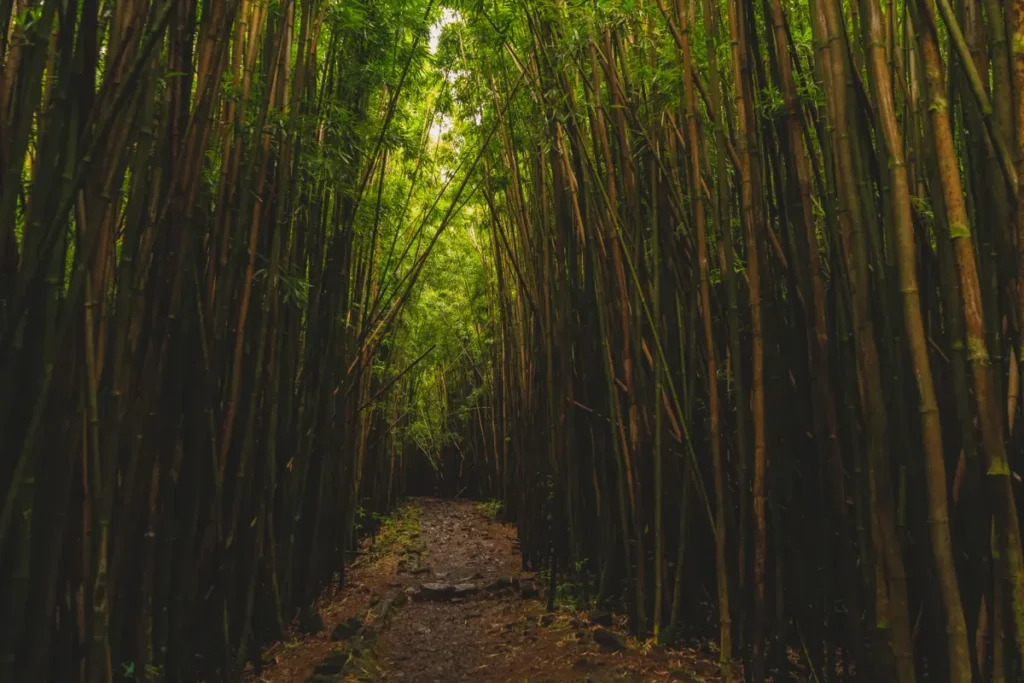
The four-mile round-trip Pīpīwai Trail ends at 400-foot Waimoku Falls, but the real show is the bamboo forest and banyan tree halfway in. Start at the Kīpahulu Visitor Center by 8 a.m. to avoid the 10 a.m. shuttle crowds. The boardwalk sections get slippery after rain; trekking poles help. Pack 2 liters of water and a snack, no services exist past the visitor center. The $30 park pass covers this district too.
4Aliʻi Kula Lavender Farm, Upcountry
Aliʻi Kula grows 55,000 lavender plants across 13 acres at 4,000 feet. The self-guided walking tour takes 45 minutes and ends at a shop selling culinary lavender shortbread and essential oils. Visit on a weekday before 11 a.m. for the strongest scent and shortest checkout line. Admission is $3 per person; credit cards only. The drive up Haleakalā Highway (Route 37) offers sweeping bi-coastal views, pull over at the designated lookouts, not the road shoulder.
5Nākālele Blowhole, West Maui
Nākālele shoots seawater 50 feet through a lava tube when the swell hits right. The viewing area is a short walk from the Highway 340 pullout near mile marker 38. Stand well back on the dry rock, rogue waves have swept people off the ledge. Late afternoon light backlights the plume for photos. No facilities, no cell service; download offline maps before you leave Lahaina.
6Honokalani Black Sand Beach, Waiʻānapanapa State Park
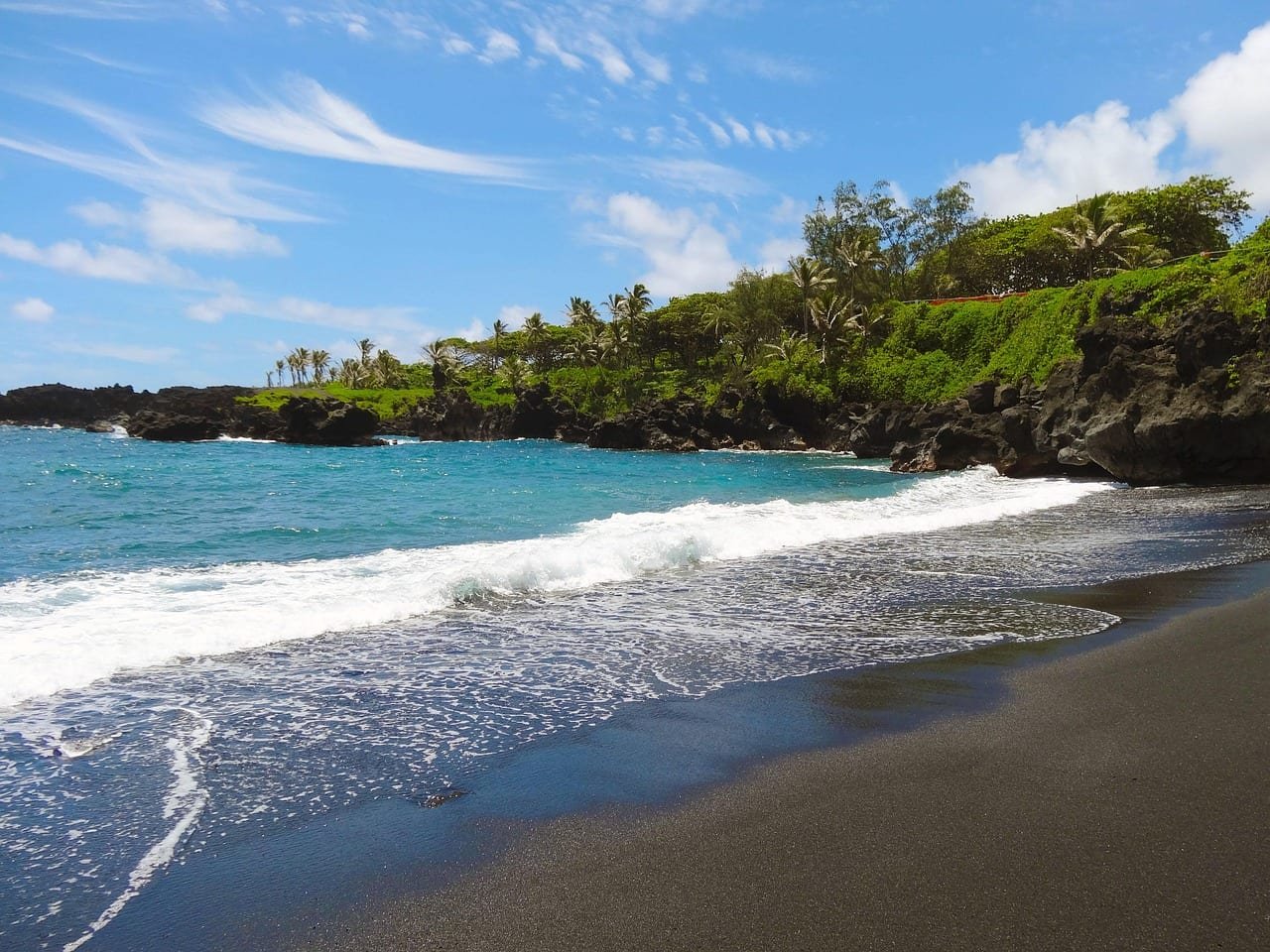
Honokalani's jet-black sand contrasts with neon-green naupaka and blue water. The park now requires advance reservations ($5 per person, $10 per vehicle) at the state parks website. Book the 7 a.m. slot for empty beach photos and cooler temps. Sea caves and a coastal trail extend the visit to two hours. Bring reef-safe sunscreen and water shoes, the sand scorches bare feet by 10 a.m.
7Kahakapao Recreation Area, Makawao Forest Reserve
Kahakapao offers 15 miles of multi-use trails through eucalyptus and pine forests at 3,500 feet. Mountain bikers love the technical singletrack; hikers stick to the Kahakapao Loop (3.2 miles, moderate). The air stays 10 degrees cooler than sea level. Gate opens at 7 a.m., closes at 6 p.m.; no fee. Pack bug spray for mosquitoes near the stream crossings. For more island road-trip inspiration, see our Road Trip Northern USA: 7 Amazing Fall Bucket List Stopsthe planning logic transfers well to Maui's winding highways.
Local Neighborhoods Most Tourists Skip

Makawao feels like a paniolo (Hawaiian cowboy) town frozen in the 1970s. Wooden storefronts house a legendary bakery (try the cream puffs at Komoda Store), a glass-blowing studio, and a Saturday farmers market where upcountry growers sell apple bananas, persimmons, and fresh-cut proteas. Park behind the church on Baldwin Avenue and walk the three-block core. Hāna town itself, not just the road, rewards an overnight stay. The general store sells poke bowls and cold coconut water; the community center posts a weekly calendar of hula, ukulele kanikapila, and talk-story nights open to respectful visitors. Stay at a locally owned B&B and you'll hear the roosters, not the resort HVAC. Kula and Keokea sit on the western slope of Haleakalā. The Kula Lodge restaurant serves farm-to-table breakfast with bi-coastal views; the nearby Kula Botanical Garden showcases proteas, orchids, and a koi pond without the tour-bus crush of the coastal gardens. Drive the Kula Highway (Route 37) slowly, cattle and horses share the unfenced shoulders. Wailuku, the county seat, hides a historic district behind the government buildings. Market Street has a Japanese bakery, a Vietnamese pho spot, and the Bailey House Museum (missionary-era artifacts). The ʻĪao Valley State Monument entrance is five minutes uphill; arrive by 8 a.m. to park in the free lot before it fills. These neighborhoods share one rule: spend money at the counter where the owner works. That single habit keeps the local economy intact and the welcome genuine.
How Locals Actually Spend Their Time Here

Locals hit the beach before work. You'll see teachers, nurses, and construction crews at Baldwin Beach Park (Pāʻia) at 6 a.m. swimming laps, walking dogs, or reading the paper on towels. Join them, the water is glassy, the parking lot empty, and the vibe purely functional. Sunday means ʻohana (family) day at the beach parks. Kanahā Beach Park fills with pop-up canopies, portable grills, and three generations sharing kalua pig, rice, and mac salad. If you're invited, bring a cooler of drinks and a dessert to share. Never assume an invitation; wait for one. Upcountry residents forage. Guava, strawberry guava (waiawī), and lilikoi (passion fruit) grow wild along fence lines. Pick only what you can identify with certainty, take less than 10 percent of what's ripe, and never enter private pasture without permission. The Maui Invasive Species Committee posts updated maps of edible vs. protected plants. Fishing off the rocks at sunset is meditation, not sport. Old Lahaina Wharf, Mākena Landing, and the cliffs near Nākālele see regulars casting for pāpio (juvenile trevally) and ʻōʻio (bonefish). They use handlines, not rods, and release anything under the legal size. Watch quietly from a distance. Hula and language revival happen in community halls, not hotel luaus. Hālau (hula schools) often hold public hōʻike (performances) announced on community bulletin boards or the Maui News calendar. Attend with silence, no flash photography, and a donation if a box is present. The thread connecting all of this: locals protect their routines by keeping them low-profile. Your job as a visitor is to observe, not disrupt.
Best Time to Visit Before Crowds Arrive & How Many Days to Plan: Maui Hidden Gems

Shoulder seasons, mid-April through early June and September through mid-November, deliver the best balance of weather, accommodation prices, and empty trails. Summer brings family crowds and higher rates; winter brings whale watchers and the biggest surf (which closes some north-shore access roads). Rainfall varies wildly by microclimate. Hana averages 80 inches annually; Kihei gets 15. Upcountry sits in a sweet spot: cool nights, sunny mornings, brief afternoon showers. Check the National Weather Service forecast for the specific zone you're driving to, not the island-wide summary. Three full days lets you hit all seven hidden gems without rushing. Day 1: Upcountry (lavender farm, Hosmer Grove) + sunset at Nākālele. Day 2: Road to Hana early (Kaihalulu, Pīpīwai, Waiʻānapanapa), leave Paia by 5:30 a.m. Day 3: Makawao/Kahakapao morning, Wailuku historic lunch, ʻĪao Valley late afternoon. Add a fourth day if you want a rest beach or a Haleakalā sunrise reservation (released 60 days ahead on recreation.gov). Booking window: reserve rental car and Waiʻānapanapa entry 2-3 months out for summer; 4-6 weeks for shoulder. Haleakalā sunrise reservations open exactly 60 days prior at 7 a.m. HST, set an alarm. Inter-island flights (if combining with another island) book 3-4 weeks out for best fares. Budget baseline (per person, double occupancy, excluding flights): $250/day for mid-range rental, gas, park fees, food trucks, and modest lodging. Luxury resorts triple that. Always confirm current prices with providers, island costs shift fast.
Practical Tips for Going Off the Beaten Path: Transport, Safety, Language

Rent a midsize SUV with clearance, not a convertible, not a low sedan. The Road to Hana has 600 curves and 50 one-lane bridges; potholes appear overnight. Insurance: decline the rental company's CDW if your credit card covers it, but verify Hawaii is included. Fill the tank in Kahului before heading to Hana; the only station in Hana town charges $1.50/gal premium and closes at 6 p.m. Drive aloha: use pullouts to let faster traffic pass, never stop on a bridge for photos, and yield to uphill traffic on narrow grades. Download the NPS app for offline Haleakalā maps; cell service dies at 5,000 feet and in the Kīpahulu valley. Carry a paper map (Hawaii Revealed or Franko's) as backup. Ocean safety: never turn your back on the water. Shore breaks at Honokalani and Kaihalulu can knock adults down in knee-deep water. Check the Maui County lifeguard tower flags, red means stay out. Snorkel only at named beaches with lifeguards (Kapalua, Ulua) unless you're with a certified guide. Hiking safety: tell someone your trail and return time. Carry 2L water, electrolytes, headlamp, whistle, and a small first-aid kit. The Haleakalā crater trails have no shade and intense UV; sunburn happens in 15 minutes. If weather turns, descend immediately, flash floods in stream beds kill every year. Language respect: learn five words, aloha (hello/goodbye/love), mahalo (thank you), ʻohana (family), mālama (care for), kuleana (responsibility). Use them. Pronounce place names as written with ʻokina (glottal stop) and kahakō (macron): Hāna, Kīpahulu, Waiʻānapanapa. It signals respect. Leave no trace means pack out toilet paper, stay on trails, and don't stack rocks. The ʻāina (land) is not a prop. For official travel advisories and park alerts, check Hawaii Tourism Authority and Haleakalā National Park before departure.
Secret-Spots Itinerary: Day 1, Day 2, Day 3

Day 1: Upcountry & West Maui Cliffs

Start at 7 a.m. in Kahului. Drive Route 37 upcountry to Aliʻi Kula Lavender Farm (arrive 8 a.m., 45 min). Continue to Hosmer Grove Trail (9:30 a.m., 1 hr hike). Lunch at Kula Lodge (11:30 a.m., reservation recommended). Descend via Route 377/360 to Nākālele Blowhole (2:30 p.m., 30 min). Sunset at Nākālele (6:15 p.m. summer, 5:45 p.m. winter). Dinner in Lahaina or pack a picnic. Sleep West Maui or drive back to central.
Day 2: The Real Road to Hana
Leave Paia by 5:30 a.m. sharp. Stop 1: Kaihalulu Red Sand Beach (7:30 a.m., 1 hr including hike). Stop 2: Waiʻānapanapa State Park, 8:30 a.m. reservation slot (2 hrs: beach, caves, coastal trail). Stop 3: Pīpīwai Trail to Waimoku Falls (11 a.m. start, 3 hrs round-trip). Late lunch at Hana Ranch Restaurant (2:30 p.m.). Optional: Hāna Bay swim (4 p.m.). Stay overnight in Hāna (book 3 months ahead) or drive back carefully, the road is darker and narrower at night.
Day 3: Makawao, Kahakapao & Wailuku
Sleep in. Makawao farmers market Saturday 7-11 a.m. (weekday: Komoda Store opens 6 a.m.). Kahakapao Recreation Area hike or bike (9 a.m.-12 p.m.). Lunch in Makawao town. Drive to Wailuku (30 min). Bailey House Museum (1:30 p.m., 1 hr). ʻĪao Valley State Monument (3 p.m., 1 hr easy walk). Dinner at a Market Street spot. Return to lodging by 6 p.m. Flex day option: Haleakalā sunrise (reservation required) + Sliding Sands Trail half-day hike. Or a rest beach at Kapalua Bay (lifeguards, calm water, snorkel gear rental on site). Every drive time above assumes no traffic. Add 30 minutes per segment in summer. Gas up the night before each big day.
FAQ: Your Maui Hidden Gems Questions Answered

Is Maui still worth visiting after the fire?
Yes. The August 2023 Lahaina fire devastated a specific historic district. The rest of the island, including every hidden gem in this guide, remains open, unaffected, and eager for respectful visitors. Tourism dollars directly fund recovery. Check the Hawaii Tourism Authority's official recovery dashboard for current zone maps and ways to support.
Do I need a permit for the Pīpīwai Trail or Waiʻānapanapa?
Waiʻānapanapa State Park requires a $5 per person / $10 per vehicle reservation booked online at the Hawaii State Parks website. Pīpīwai Trail in the Kīpahulu District of Haleakalā National Park is covered by the standard $30 per vehicle park pass (valid three days). No separate permit is needed for the trail itself. Book both as early as your dates allow.
Can I do the Road to Hana in a rental sedan?
Technically yes, but I strongly advise against it. The 50+ one-lane bridges, frequent potholes, and steep drop-offs without guardrails stress low-clearance cars. A midsize SUV or crossover gives you better visibility, ground clearance, and peace of mind. If you only have a sedan, drive extremely slowly, use every pullout, and turn back at the first sign of discomfort. Your rental agreement may prohibit driving past certain mile markers, read the fine print.


