Machu Picchu Itinerary: Quick Answer

A Machu Picchu itinerary works best as a 4-day fall plan: spend day one acclimating in Cusco at 3,400 meters, day two taking the early train to Aguas Calientes for a Sun Gate sunrise hike, day three summiting Huayna Picchu with a pre-booked permit, and day four exploring Ollantaytambo and Pisac in the Sacred Valley before flying home. Fall (April to October) delivers dry days around 20 °C and nights near 5 °C, so pack layers and a wind shell. Book Huayna Picchu and Machu Picchu circuit tickets three to four months ahead on the official government site; trains from Ollantaytambo to Aguas Calientes run hourly and sell out fast in peak weeks. Budget roughly $1,200 to $1,800 per person for mid-range hotels, permits, trains, and meals, not including international flights. The single non-negotiable: sleep two nights at altitude before any strenuous hike to avoid acute mountain sickness.
Free Machu Picchu trip checklist
Get the printable itinerary outline and packing checklist for Machu Picchu, sent straight to your inbox.
No spam. One email with your checklist.
Machu Picchu Itinerary: 7 Fall Bucket List Experiences

1Sunrise at Inti Punku (Sun Gate)
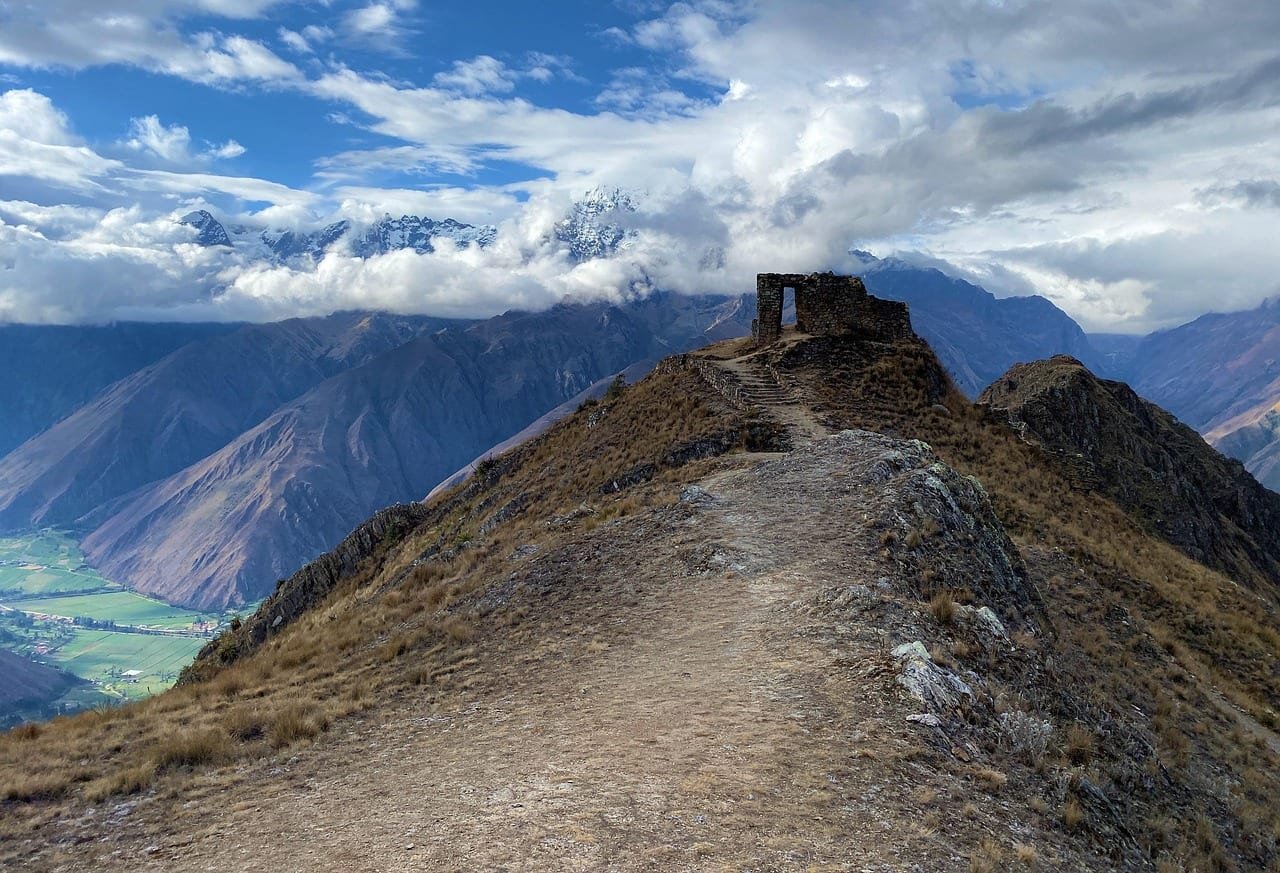
Hike the final kilometer of the Classic Inca Trail from the Machu Picchu entrance to Inti Punku for the first light hitting the citadel. The walk takes about 90 minutes round-trip from the main gate; start at 5:30 am to catch the 6:15 am sunrise in fall. No extra permit beyond the standard Machu Picchu Circuit 1 or 2 ticket is needed, but you must enter the park by 6 am. The trail is steep stone steps with exposure; bring a headlamp and 1 liter of water.
2Huayna Picchu Summit at Dawn
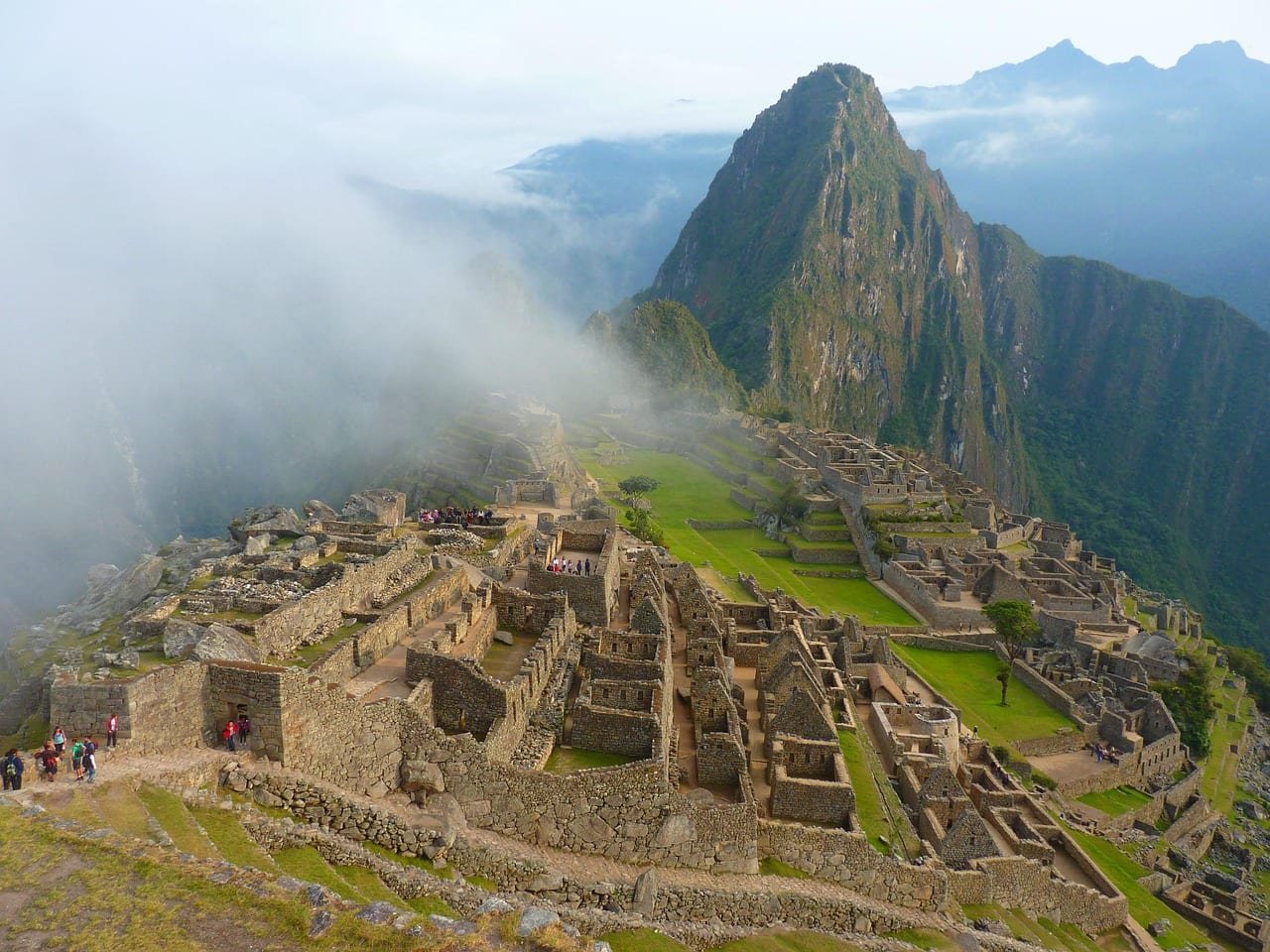
Climb the iconic sugar-loaf peak behind the ruins for the classic postcard angle. Only 400 permits exist daily, split into two entry windows (7 am and 10 am); the 7 am slot catches better light and thinner clouds. The ascent takes 60 to 90 minutes on narrow stairs with cable rails; vertigo sufferers should skip it. Book exactly at 8 am Peru time three months before your date on tuboleto.cultura.pe, they sell out in minutes.
3Machu Picchu Mountain for Panoramic Scale

If Huayna Picchu is full, Machu Picchu Mountain (Montaña Machu Picchu) offers a higher, longer hike with 360-degree views of the Urubamba River looping below. Only 400 daily permits, entry windows at 7 am and 9 am. The round-trip takes 3 to 3.5 hours on wider, less exposed trails. Better for photographers wanting the full citadel-in-landscape shot; carries the same advance-booking urgency.
4Temple of the Moon and Great Cavern

Hidden on the far side of Huayna Picchu, this ceremonial cave with fine stonework sees a fraction of visitors. Access requires the 7 am Huayna Picchu permit plus an extra 45-minute detour each way from the summit junction. The path is unmarked in sections; hire a certified guide at the entrance (about 150 soles) to find it safely. Visit between 9 am and 11 am for direct light inside the cavern.
5Sacred Valley Market Morning in Pisac
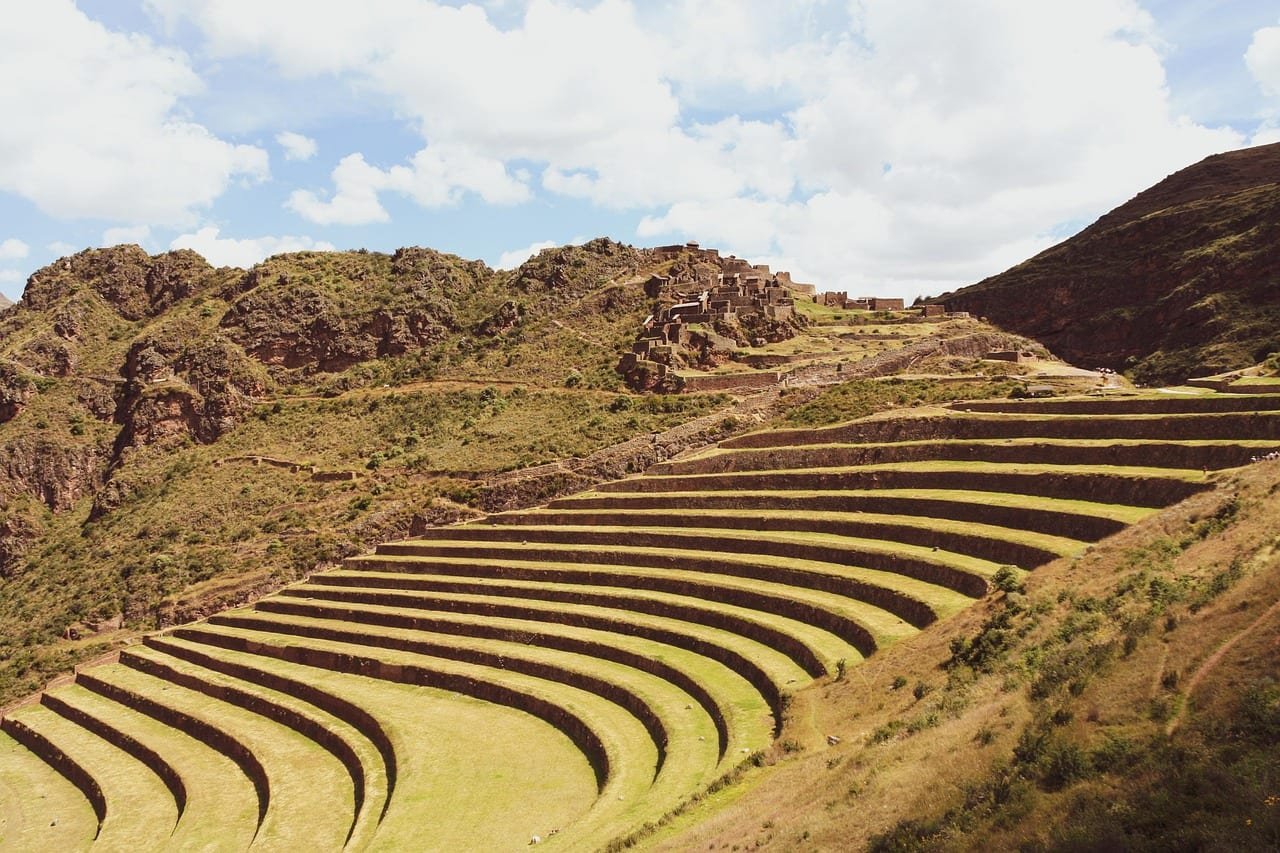
Take the 1-hour collectivo from Cusco to Pisac (8 soles) for the Sunday artisan market that spills from the plaza up the hill to the archaeological park. Arrive by 9 am before tour buses; the upper ruins have agricultural terraces and a cliffside temple with zero queues. Lunch at a picantería near the plaza, try cuy al horno (roast guinea pig) for about 40 soles if you want the full Andean experience.
6Ollantaytambo Living Inca Town

Stay overnight in Ollantaytambo instead of rushing back to Cusco. The town sits on original Inca foundations with working water canals. Climb the Temple Hill fortress at 4 pm for golden-hour light on the pink rhyolite monoliths; entry is included in the Boleto Turístico (130 soles for 10 sites). Eat at Hearts Café for quinoa burgers and local coffee (mains 25–35 soles).
7Moray Terraces and Maras Salt Mines Half-Day

Hire a taxi from Urubamba (about 80 soles round-trip, 2 hours total) to see Moray's concentric agricultural laboratories and the 3,000+ evaporation ponds at Maras still harvested by local families. Best light at 10 am for Moray shadows and 1 pm for Maras sparkle. Bring cash for the 10 soles Maras entry (not on Boleto Turístico) and buy pink salt directly from the cooperatives.
Best Photo Spots & Scenic Views

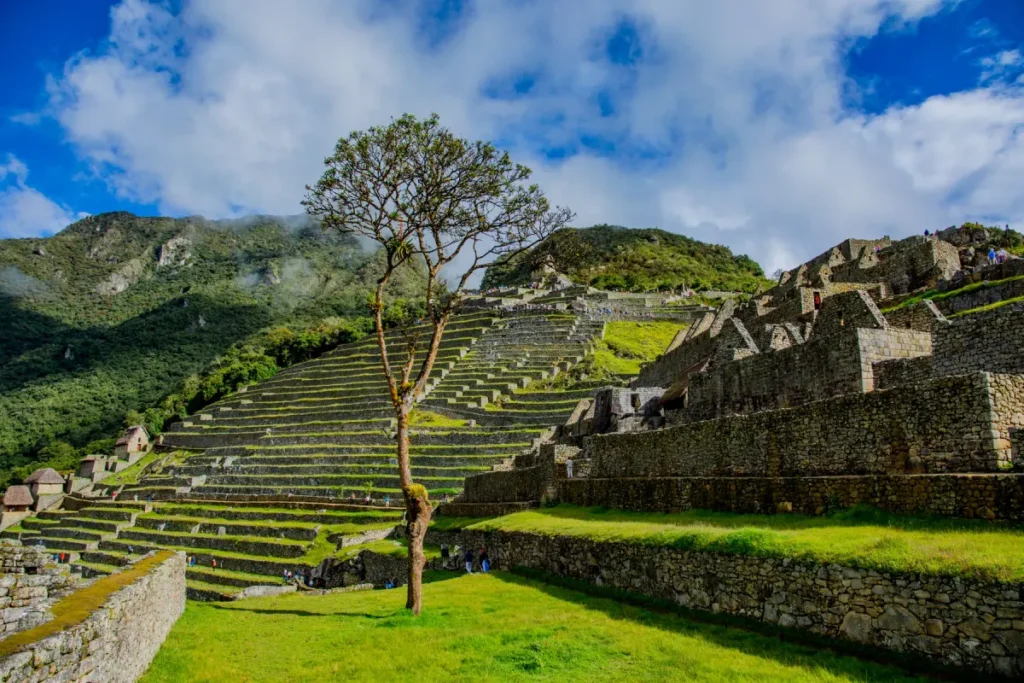
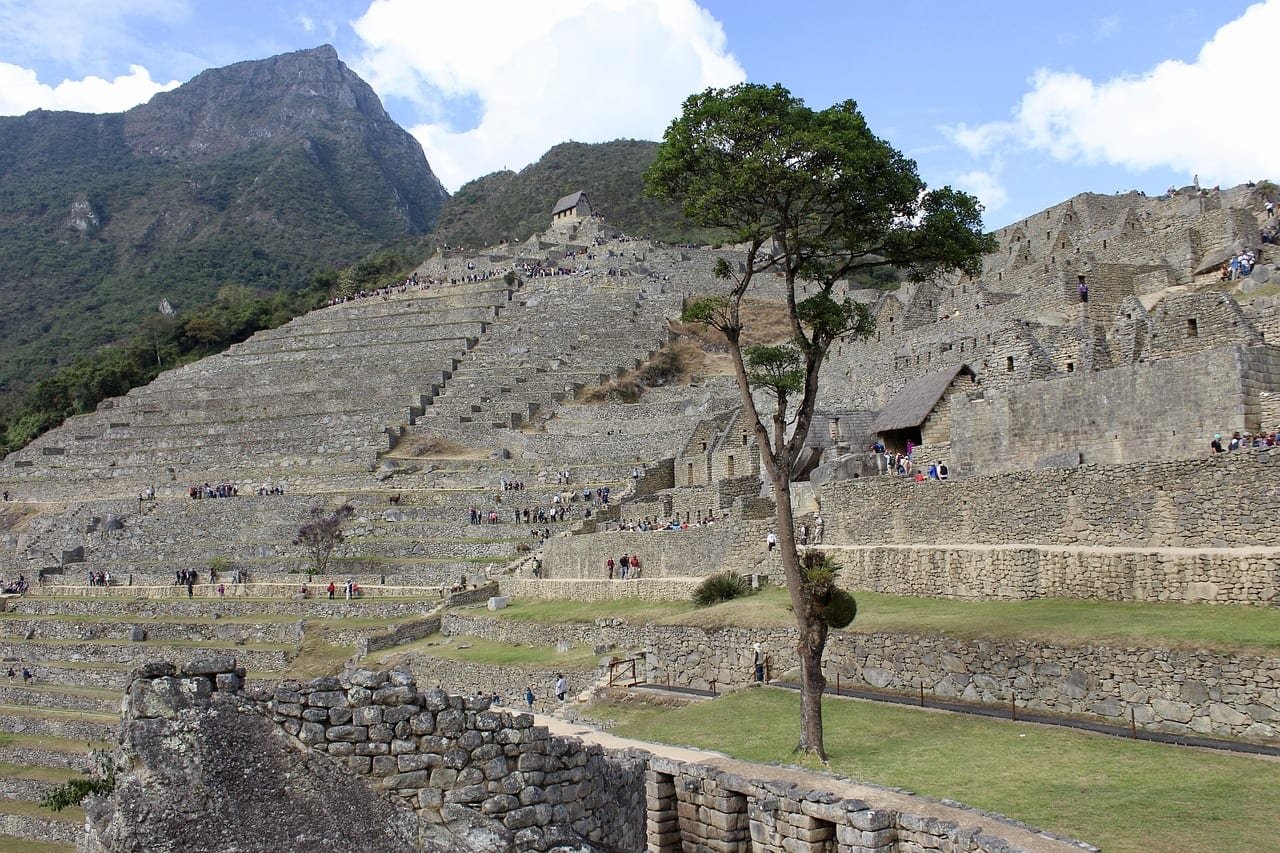
Three frames define a fall Machu Picchu portfolio. First, the classic guardhouse vista: walk 15 minutes up from the main entrance along the upper terrace path to the caretaker's hut; the citadel sits perfectly centered with Huayna Picchu behind it, shoot at 7 am for side-light on the stonework. Second, the Sun Gate panorama: from Inti Punku you capture the entire ridge, the river bend, and the trail snaking up; a 24 mm lens on full frame fits it all. Third, the Sacred Valley from Ollantaytambo Temple Hill: late afternoon light strikes the pink monoliths and the grid of Inca streets below; climb the 200 steps 30 minutes before sunset. For all three, a lightweight tripod (carbon fiber, under 1.5 kg) clears park rules if it fits in your daypack; drones are strictly prohibited inside the sanctuary.
Where to Stay: Cusco, Aguas Calientes, Sacred Valley

Split nights to minimize altitude stress and transit time. Night one and two in Cusco: choose San Blas neighborhood for quiet cobblestone streets and 5-minute walk to Plaza de Armas. Mid-range picks like Hotel Quinta San Blas (rooms from $90 USD, breakfast included) offer oxygen on request and coca tea at reception. Night three in Aguas Calientes: stay near the bus departure plaza to catch the 5:30 am first bus; Inti Punku Machu Picchu Hotel (from $130 USD) has large windows facing the river and a reliable hot shower, rare in town. If you prefer a slower pace, swap night three for Ollantaytambo: El Albergue inside the train station (from $150 USD) lets you roll out of bed onto the 6:10 am train and serves farm-to-table dinner from their organic garden. Book all three by July for fall dates; cancellations are free up to 48 hours on most Booking.com listings. For a deeper dive on Cusco lodging, see our Cusco Travel Guide 7 Amazing Hidden Gems.
Best Time to Visit & How Many Days to Plan
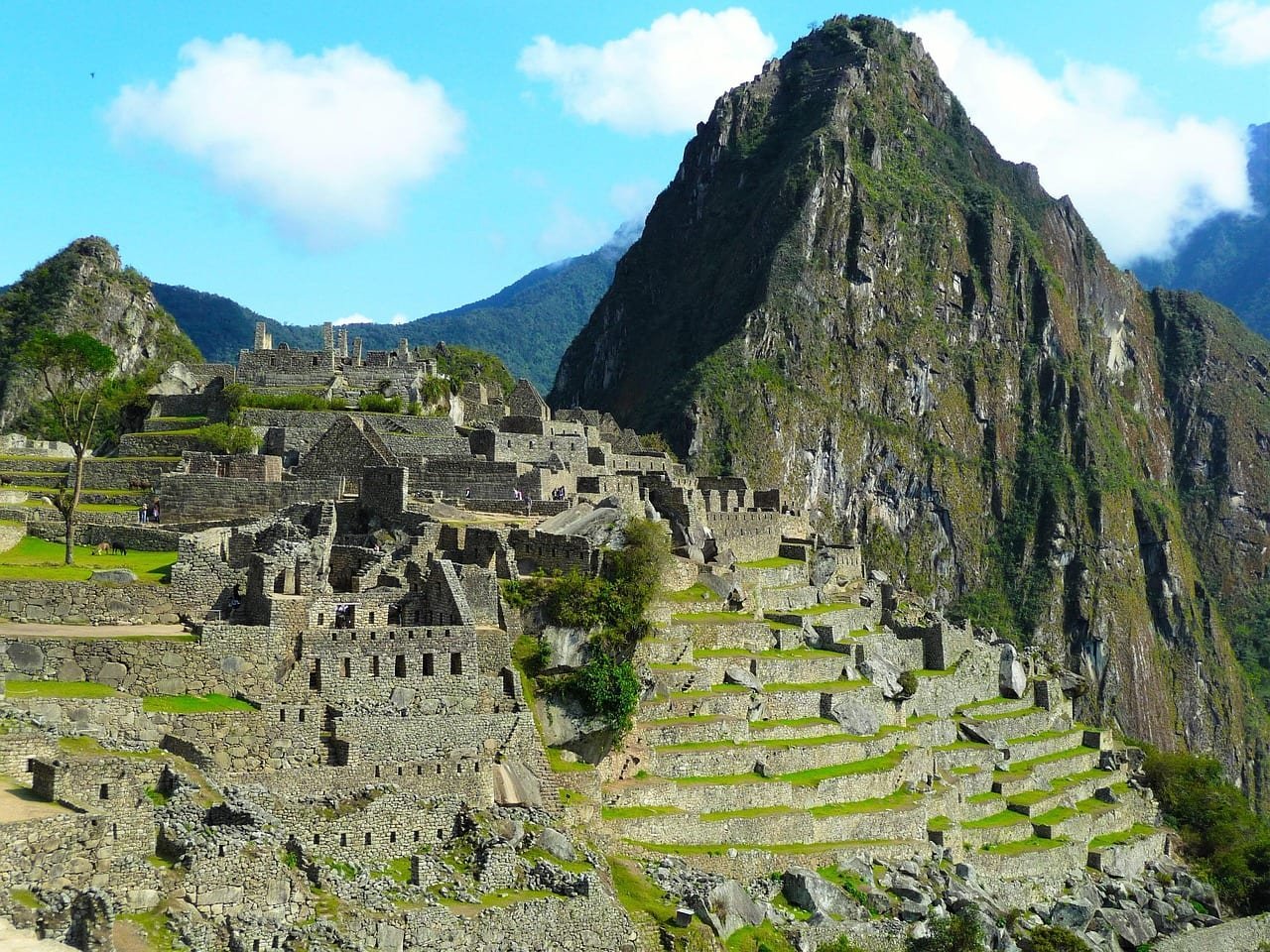
Fall (April through October) is the dry season: days 18–22 °C, nights 0–5 °C, virtually zero rain. June to August brings the highest crowds, Machu Picchu hits the 4,044 daily visitor cap by 9 am, so shoulder months April, May, September, and October balance weather and space. November to March is wet season; trails get slippery, Huayna Picchu closes for maintenance in February, but you get misty, mystical photos and 30% lower hotel rates.
| Season | Months | Weather | Crowds | Price Level |
|---|---|---|---|---|
| Peak Dry | Jun–Aug | Sunny, cold nights | Maximum | Highest |
| Shoulder Dry | Apr–May, Sep–Oct | Sunny, cool nights | Moderate | High |
| Wet | Nov–Mar | Rain, clouds, landslides | Low | Low |
Four days is the practical minimum: two for altitude acclimatization (sleep at 3,400 m before exertion), one for the citadel and a summit hike, one for Sacred Valley sites and return transit. Five days adds a buffer for weather delays or a second Machu Picchu entry (permit allows re-entry same day only). Three days is possible only if you arrive pre-acclimatized from high-altitude destinations like La Paz or Huaraz; otherwise you risk acute mountain sickness cutting your visit short. For a broader Peru timeline, our Peru Itinerary 10 Days: Fall Bucket List expands this into a full-country route.
Getting There & Getting Around
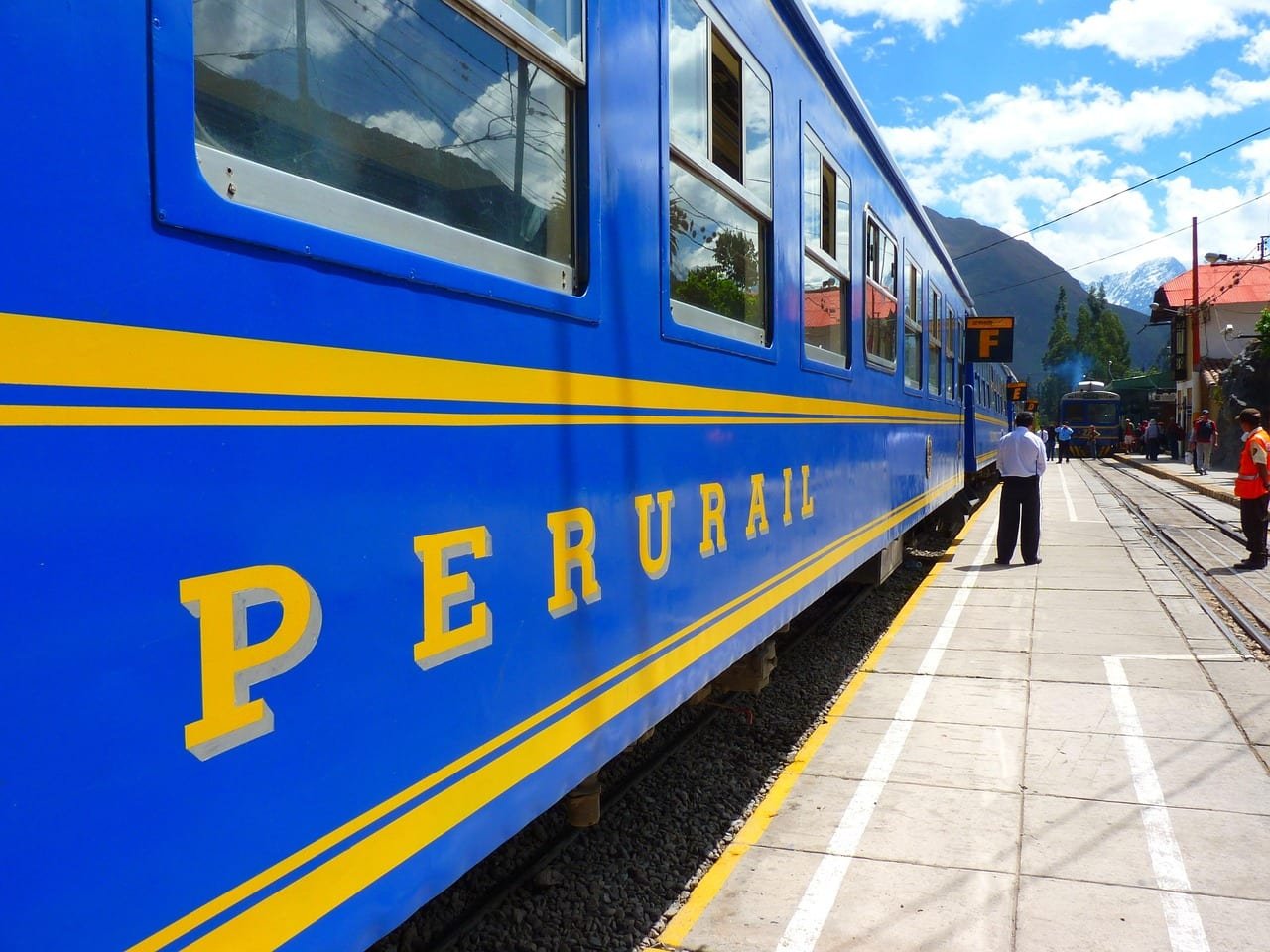
Fly into Alejandro Velasco Astete Airport (CUZ) in Cusco from Lima (1 hr 20 min, 5–7 daily flights on LATAM, Sky, JetSMART; book 6 weeks ahead for $80–$120 USD round-trip). From Cusco, you have two railheads to Aguas Calientes: Ollantaytambo (1 hr 45 min by car/van from Cusco, trains every 30–60 min, 1 hr 40 min ride) or Poroy (20 min from Cusco, fewer departures). Ollantaytambo is preferred, more frequency, scenic Sacred Valley drive, and you can visit the ruins while waiting. Book PeruRail or Inca Rail tickets online 2–3 months early; Expedition/Voyager class runs $70–$90 USD round-trip. The bus from Aguas Calientes to the citadel entrance (Consettur, $24 USD round-trip) leaves every 10 min from 5:30 am; buy tickets at the booth next to the train station (cash soles preferred, card accepted with 5% fee).
Local transport: collectivos (shared vans) connect Cusco–Pisac–Urubamba–Ollantaytambo for 5–15 soles; flag them on Av. Grau in Cusco. Taxis between Urubamba–Moray–Maras run 80–100 soles for a half-day; negotiate return wait time. For the Inca Trail 4-day trek, you must book a licensed operator 6+ months ahead, independent hiking is prohibited. The official Machu Picchu ticket portal (Spanish only) sells entry circuits; the Peru tourism board posts current alerts in English. Always confirm train times and park regulations 48 hours before travel; strikes and weather closures happen without notice.
3-Day Machu Picchu Itinerary: Day by Day

Day 1: Cusco Acclimatization & San Blas

Land by 11 am, take a taxi to San Blas (15 min, 15 soles). Check in, drink 3 liters of water, chew coca leaves or sip mate de coca at the hotel. Walk Plaza de Armas at 3 pm, visit Qorikancha (15 soles) and the Cathedral (25 soles) before 5 pm closure. Light dinner at Cicciolina (mains 45–65 soles, reservation essential). Sleep by 10 pm; avoid alcohol.
Day 2: Machu Picchu Citadel & Sun Gate

Wake 4 am, collectivo to Ollantaytambo (1 hr 45 min, 15 soles), catch 6:10 am train to Aguas Calientes (1 hr 40 min). Bus 5:30 am to entrance, enter by 6 am for Circuit 1 (upper terraces + Sun Gate). Hike to Inti Punku for sunrise (90 min round-trip). Explore main citadel 8–11 am with guide (150 soles group, book via hotel). Lunch in Aguas Calientes at Indio Feliz (trout 55 soles). Afternoon train back to Ollantaytambo, collectivo to Cusco. Night in Cusco.
Day 3: Sacred Valley Loop & Departure
Private driver 8 am (hire night before, 250 soles full day) to Pisac ruins (arrive 9 am, 2 hrs), Maras salt mines (11:30 am, 1 hr), Moray terraces (1 pm, 1 hr), Ollantaytambo fortress (3 pm, 1.5 hrs). Return to Cusco airport by 6 pm for evening flight. If flying next morning, overnight in Ollantaytambo and take 6:10 am train to Cusco (connects to 9 am flight). This compresses the 4-day plan; only attempt if fully acclimatized.
FAQ

How do I get to Machu Picchu from Cusco?
Take a 1 hr 45 min collectivo or private transfer to Ollantaytambo train station, then a 1 hr 40 min train to Aguas Calientes, followed by a 25 min bus to the citadel entrance. Total door-to-gate time is about 4 hours; the 6:10 am train from Ollantaytambo is the most reliable for a same-day visit.
When is the best time to visit Machu Picchu?
April through October offers dry, sunny days and cold nights, ideal for hiking and photography. June to August is peak crowd season; April, May, September, and October give similar weather with 30% fewer visitors and slightly lower prices.
Do I need to buy Machu Picchu tickets in advance?
Yes. Huayna Picchu and Machu Picchu Mountain permits sell out 3–4 months ahead. Standard circuit tickets (1–4) should be booked at least 2 weeks early in shoulder season and 1 month early in peak season via the official government portal tuboleto.cultura.pe. Same-day purchase at the Aguas Calientes office is possible only for leftover Circuit 3 or 4 slots.
Machu Picchu Tours and Trips: How to Travel to Machu Picchu
If you are comparing Machu Picchu tour packages, trip packages and independent trips, here is how to travel to Machu Picchu.
- Train from Cusco, Ollantaytambo or Urubamba to Aguas Calientes, then a bus to the site.
- Inca Trail: a permit-controlled 4-day trek; book months ahead.
- Salkantay and Lares treks: alternatives that do not need the Inca Trail permit.
- Tour packages: bundle train, entry and guide, and can reduce planning.
- Independent trips: possible, but entry tickets and trains must be booked early.
Should you book a Machu Picchu tour package?
A package helps with permits and logistics. Independent travelers must book tickets and trains in advance.
How many days do you need for Machu Picchu?
Two to three days from Cusco, plus time to adjust to altitude.