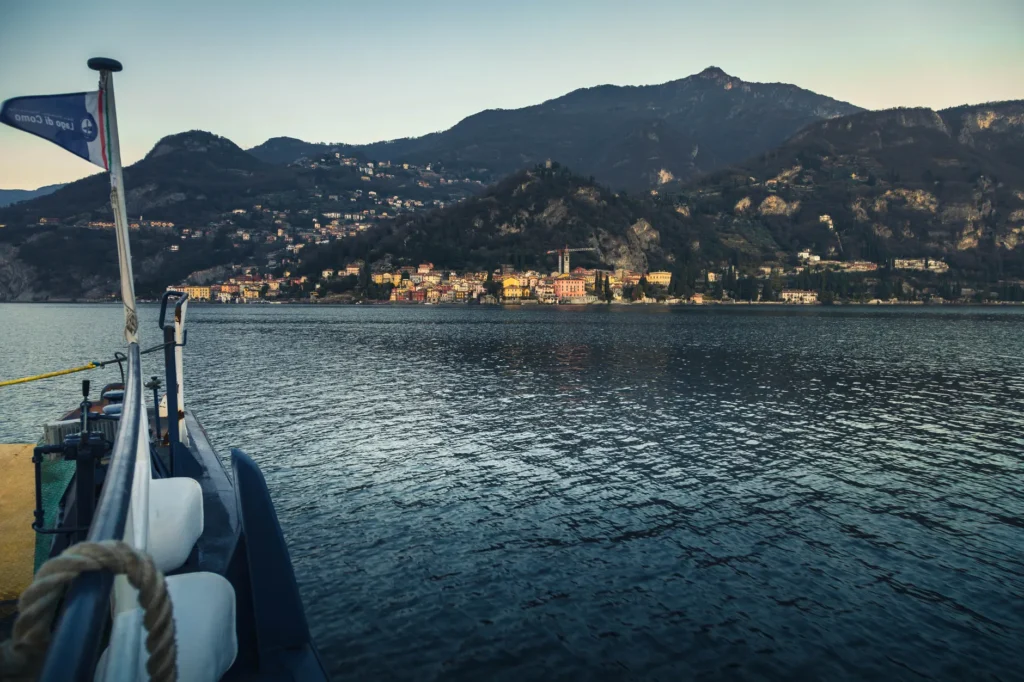

Lake Como travel guide offers a confident path to your dream lakeside vacation. Picture yourself sipping espresso on a balcony as the lake mirrors sunrise, while a gentle breeze carries the scent of pine. Curious about how to turn that picture into reality? Let’s dive into the details that turn a simple trip into an unforgettable adventure. Ready to explore hidden alleys, historic villas, and vibrant markets without the usual stress? This guide will equip you with everything you need, from packing essentials to day‑by‑day plans, so you can focus on the moments that matter.
Free Lake Como trip checklist
Get the printable itinerary outline and packing checklist for Lake Como, sent straight to your inbox.
No spam. One email with your checklist.
Before You Go: Lake Como Travel Guide Essentials

First, check the official tourism website for the latest travel advisories and ferry schedules. The Lake Como tourism board (https://www.lakecomo.it/en/) provides up‑to‑date information on public transport, seasonal events, and any health requirements you must confirm before departure. Next, decide how you’ll arrive. Most travelers fly into Milan Malpensa or Linate, then catch a train to Como or Lecco. The train ride lasts about an hour and offers scenic views of the Alps. For a more relaxed approach, consider a private shuttle that drops you off directly at your lakeside hotel. If you plan to explore multiple towns, a regional travel pass can save money and simplify ticketing. The pass works on ferries, buses, and trains within the lake zone. Remember to validate the pass before each ride to avoid fines. For a deeper look at how to navigate Italian transport, read our article on solo travel tips in Europe: Solo traveler tips in Europe. You’ll find useful advice on budgeting and staying safe while hopping between historic towns. Finally, keep a copy of your passport, travel insurance, and any required visas in a waterproof pouch. While most visitors travel visa‑free, double‑check your country’s entry rules on the official government advisory page: Italy travel advisory.
Packing List for Your Lake Como Travel Guide

- Lightweight waterproof jacket – Early mornings and late evenings can bring unexpected showers, especially near the lake shore. Choose a breathable fabric that folds easily into your daypack.
- Comfortable walking shoes – Cobblestone streets dominate Bellagio, Varenna, and Menaggio. A pair of supportive sneakers or low‑profile hiking shoes will keep your feet happy during long strolls.
- Layered clothing – Temperatures swing from 60°F (15°C) in the mornings to 80°F (27°C) at midday during summer. Pack a mix of short‑sleeve tops, a light sweater, and a scarf for quick adjustments.
- Swimwear and quick‑dry towel – The lake invites spontaneous dips, especially at Lido di Cernobbio. A compact microfiber towel dries fast and fits neatly in any bag.
- Travel adapter (EU‑type C/F) – Italy uses the standard European two‑pin plug. A universal adapter ensures you can charge phones, cameras, and laptops without hassle.
- Reusable water bottle – Tap water is safe, and many cafés offer refill stations. Staying hydrated helps you enjoy the lake’s outdoor activities.
- Portable charger – Ferries and cafés provide limited outlets, so a 10,000 mAh power bank keeps your devices alive for navigation and photos.
- Small daypack – A 20‑liter pack holds your essentials for day trips, from a camera to a snack. Look for one with a rain cover for extra protection. These items cover the basics while leaving room for souvenirs like handcrafted silk scarves or local cheese. Adjust the list based on the season you visit, but remember that a well‑packed bag makes every lakeside moment more enjoyable.
What to Wear: Outfit & Climate Guide

Lake Como’s climate is Mediterranean with a touch of alpine influence. In late spring and early autumn, daytime highs hover around 70‑75°F (21‑24°C), while evenings dip to the low 50s (10‑12°C). Dress in breathable fabrics like linen or cotton for daytime, and keep a light jacket handy for sunset cruises. For women, a flowy midi dress paired with a denim jacket works well for exploring towns and dining al fresco. Men can opt for chinos and a short‑sleeve polo, adding a lightweight blazer for evenings on the waterfront. If you plan to hike Monte Grona or explore the Greenway, pack moisture‑wicking layers, a hat, and sturdy trekking shoes. The trails can be steep, and weather changes quickly at higher elevations. During the hot summer months, a wide‑brimmed hat and UV‑blocking sunglasses protect you from the bright lake reflections. Don’t forget a breathable scarf; it adds style and can double as a modest cover when visiting churches. For a practical style reference, see how other travelers mix comfort and elegance in our Travel Tips for European Cities guide. The same principles apply to Lake Como’s blend of casual lakeside vibes and refined Italian elegance.
Budgeting & Travel Logistics

A typical 5‑day Lake Como trip can be tailored to various budgets. Hostels and budget B&Bs in towns like Lecco start at €45 per night, while mid‑range hotels in Como or Bellagio range from €100‑€150. Luxury villas overlooking the lake can exceed €300 per night, so book early if you seek high‑end accommodations. Transportation costs depend on your chosen mode. A regional travel pass costs around €30 for five days and covers ferries, buses, and trains within the lake area. If you prefer more flexibility, single ferry tickets average €8‑€12 per crossing, and a round‑trip train from Milan to Como costs about €15. Food expenses vary widely. A breakfast of cappuccino and pastry at a local bar costs €3‑€5. Lunch at a trattoria serving risotto al pesce averages €12‑€18, while dinner at a lake‑front restaurant can reach €30‑€45 per person. To keep track of spending, use a simple spreadsheet: list accommodation, transport, meals, activities, and a small buffer for souvenirs. Remember to factor in a modest tip of 10% for service staff. For more budgeting ideas, check out our guide on traveling on a shoestring: Budget travel tips. While the destination differs, the core principles of cost‑saving apply universally.
Best Time to Visit Lake Como

Lake Como shines brightest from late May through early October. During this window, the weather is warm, the gardens are in full bloom, and the ferry schedule operates at peak frequency. July and August bring the highest tourist numbers, so book accommodations well in advance. If you prefer fewer crowds, consider visiting in late May, early June, or September. The water remains warm enough for swimming, and the autumn foliage adds a golden hue to the mountainside villages. Winter (November‑March) offers a quiet, mist‑filled atmosphere perfect for romantic getaways. Many hotels close for renovation, but those that stay open provide cozy fireplaces and lower rates. Keep in mind that some ferries run on reduced schedules during this period. For a detailed month‑by‑month climate chart, consult the official weather service: Lake Como climate data. This resource helps you match your preferred activities, whether it’s hiking, sailing, or simply strolling through markets, to the ideal season.
Practical Tips

Currency: Italy uses the Euro (€). ATMs are widely available, but keep a small amount of cash for markets that prefer cash only. Credit cards are accepted in most restaurants and shops. Language: Italian is the official language. English is common in tourist areas, but learning a few phrases, like “Buongiorno” (good morning) and “Grazie” (thank you), enhances interactions with locals. Transport: Ferries are the most scenic way to hop between towns. Purchase tickets at the ticket office or via the official app. Buses complement ferry routes, especially for inland villages not served by water. Safety: Lake Como is generally safe, with low crime rates. Keep an eye on personal belongings in crowded markets and on ferries. For up‑to‑date safety advice, refer to the Italian Ministry of Foreign Affairs: Italy travel safety. Connectivity: Free Wi‑Fi is offered in many public squares and cafés. If you need constant internet, consider a local SIM card from providers like TIM or Vodafone. Lastly, respect local customs. Dress modestly when visiting churches, and always ask before photographing private residences. These small gestures keep your experience smooth and enjoyable.
Day-by-Day Itinerary

Day 1 – Arrival in Como
Land in Milan, catch the train to Como, and settle into a centrally located B&B. Spend the afternoon wandering the historic center, visiting the Como Cathedral, and strolling along the lake promenade. Dine at a trattoria and try the local fish dish, missultin. Day 2 – Bellagio and Villa Melzi
Take a morning ferry to Bellagio. Explore the town’s charming lanes, then visit Villa Melzi’s gardens, renowned for their sculptural displays and lake views. Enjoy a light lunch of risotto al pesce at a lakeside café. Return to Como for an evening aperitivo. Day 3 – Varenna and Castello di Vezio
Catch a ferry to Varenna. Climb to Castello di Vezio for panoramic vistas and a glimpse of medieval architecture. Descend to the lakeside promenade and sample polenta taragna at a family‑run osteria. In the late afternoon, hop back to Como and relax on the waterfront. Day 4 – Hiking Monte Grona
Start early with a bus to the trailhead at Brunate. Hike up Monte Grona for a sunrise view over the lake, a true bucket‑list moment. Pack a picnic of local cheese and fruit. Descend by cable car and treat yourself to a gelato in Brunate’s piazza. Day 5 – Leisure and Departure
Spend the final morning shopping for silk scarves and handmade ceramics in Como’s market. If time permits, take a short boat ride to Cernobbio for a farewell lunch. Head back to Milan by train for your flight home, carrying memories of crystal‑clear waters and Italian hospitality. Feel free to adjust the schedule based on your interests, but this framework provides a balanced mix of culture, nature, and culinary delights, all while keeping travel time efficient.