
The air in Chiang Mai smells like jasmine and diesel, a scent that hits you the moment you step off the bus. Most visitors see this city as a quiet alternative to Bangkok, but that perception is rapidly shifting. You are holding a Chiang Mai travel guide that reveals why now is the best time to go. The old city is waking up, and the quiet paths to the mountains are filling with new travelers. If you wait another season, the prices will rise, and the silence you seek will be gone. This is not just a list of sights; it is a warning to act before the charm is diluted by mass tourism. You have the chance to see this place while it still feels authentic. Read on to discover the specific windows of opportunity that make this trip unforgettable. The urgency is real because the infrastructure is improving fast. New hotels are popping up in areas that were previously empty. The local community is adapting to the influx of tourists, which changes the vibe of the streets. You want to experience the place before it becomes a theme park. This guide focuses on the practical details that matter most for your visit. We will tell you exactly where to go and when. Let’s dive into the heart of Northern Thailand.
Why These Spots Won’t Stay Quiet Much Longer

The reason to visit Chiang Mai now is simple: the window is closing. Social media has turned this region into a hotspot for digital nomads and eco-tourists. Five years ago, you could find a secluded waterfall with no one else around. Today, that same waterfall has a queue of tourists taking photos. The demand for authentic experiences is driving up prices in the surrounding villages. Landlords are raising rents, and local businesses are changing their menus to cater to Western palates. This shift is visible in the old city, where new cafes are replacing traditional tea houses. You are witnessing a transformation that is hard to reverse. The quiet charm that attracted you in the first place is being commodified. If you want to experience the real culture, you need to go before the next wave of popularity hits. The spots we highlight in this Chiang Mai travel guide are the ones that are still holding on to their authenticity. They are the last bastions of the old ways, and they are under pressure from the outside world. The infrastructure improvements are also a factor. The airport is expanding, and new flights are being added. This makes it easier for more people to get here, which means more competition for the best spots. The local government is working to manage the flow of tourists, but it is a race against time. The balance between preserving culture and making money is delicate. Many traditional artisans are leaving the craft because they cannot make a living from it. This is a sad reality that many travelers do not see. By visiting now, you are supporting the remaining artisans and helping to keep the culture alive. Your presence matters, and it can make a difference. This is not just about taking photos; it is about connecting with a place that is changing. Use this Chiang Mai travel guide to make the most of your time and leave a positive impact.
The Spots to See Before the Crowds Arrive

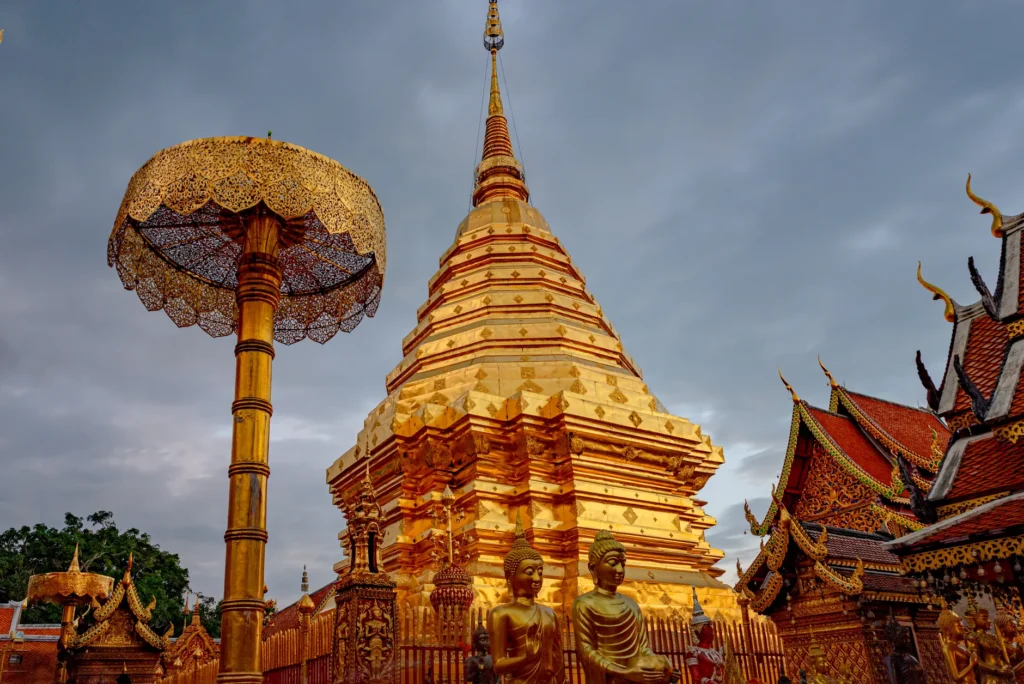
- Doi Inthanon National Park: This is the highest point in Thailand, and the views are breathtaking. The royal pavilions are stunning, but the real magic is in the hiking trails. Go early in the morning to avoid the heat and the crowds. The air is cool and crisp, and the forest is full of life. This is a must-see spot for any nature lover. 2. Wat Chedi Luang: This temple is one of the oldest in the city, and it has a rich history. The main chedi is impressive, but the side chapels are where you will find the real treasures. The monks here are friendly and willing to talk about their faith. It is a peaceful place to spend an hour or two. 3. Sunday Walking Street Market: This market is a sensory overload in the best way. You will find everything from handmade crafts to street food. The atmosphere is lively, and the people are friendly. Come at night when the lights are on and the music is playing. It is a great place to pick up souvenirs. 4. Doi Suthep Temple: This temple sits on top of a mountain, and the view from the top is incredible. You can take a cable car or hike up. The temple itself is beautiful, with golden spires and intricate carvings. It is a popular spot, so go early to avoid the crowds. 5. Nimmanhaemin Neighborhood: This is the trendy part of the city, filled with cafes, boutiques, and art galleries. It is a great place to hang out and people watch. The food here is creative and delicious. It is a good place to stay if you want to be in the middle of it all. 6. Mae Kampong Village: This is a traditional hill tribe village that is still very much alive. The houses are made of wood and thatch, and the people are friendly. You can take a walk through the village and learn about their way of life. It is a great way to see a different side of Thailand. 7. Bo Sang Market: This market is famous for its wood carvings and textiles. It is a great place to buy gifts for your family and friends. The prices are reasonable, and the quality is high. It is a must-visit for any shopper.
For more background on the area, see Chiang Mai on Wikipedia.
What’s Changing in Chiang Mai Right Now

The city is undergoing a major transformation, and it is not just about tourism. The local economy is shifting, and new industries are emerging. Technology is playing a big role, with many startups setting up shop in the old city. This is bringing in a new wave of young, educated people who are changing the culture. The traditional lifestyle is still there, but it is being blended with modern influences. This is creating a unique vibe that you will not find anywhere else. The food scene is also evolving, with fusion dishes becoming popular. Local chefs are experimenting with new ingredients and techniques. This is a great time to be a foodie in Chiang Mai. You can find everything from traditional Thai street food to high-end fusion dining. The options are endless, and the quality is high. The environmental issues are also a concern. The city is dealing with air quality problems, especially during the burning season. This is a serious issue that affects both locals and tourists. The government is trying to address the problem, but it is a complex issue. If you are planning to visit during the burning season, be aware of the air quality and take precautions. This is an important part of any Chiang Mai travel guide. You need to be informed about the conditions you will be facing. The good news is that the air quality is much better in the other months. If you can visit outside of the burning season, you will have a much more pleasant experience. The city is working hard to improve its environmental sustainability, and it is a cause that many people care about. By visiting responsibly, you can support these efforts. This is a chance to see a city that is changing and adapting. It is a dynamic place that is always evolving. Use this guide to stay up to date on the latest developments.
Local Food You Must Try While You’re There

Food is a central part of life in Chiang Mai, and the local cuisine is some of the best in Thailand. The flavors are bold and complex, with a perfect balance of sweet, sour, salty, and spicy. You need to try the local street food, which is affordable and delicious. Some of the must-try dishes include khao soi, a noodle soup with a rich curry broth. Another favorite is sai oua, a pork sausage with lemongrass and galangal. You will find these dishes at street stalls and local restaurants. The food is fresh and prepared with care. The vendors are friendly and will often give you tips on what to order. This is a great way to experience the local culture. The food scene is diverse, with options for every taste and budget. You can find vegetarian and vegan options, as well as traditional Thai dishes. The quality of the food is high, and the prices are reasonable. This is a great place to satisfy your cravings. The food is an integral part of the Chiang Mai travel guide experience. Do not skip this part of your trip. You will not regret it. In addition to the street food, there are many great restaurants in the city. These places offer a more refined dining experience, with a focus on local ingredients. The chefs are skilled and creative, and the food is presented beautifully. Some of the best restaurants are located in the old city and Nimmanhaemin. You can find everything from traditional Thai cuisine to international fusion. The atmosphere is relaxed and welcoming, making it a great place to spend an evening. The wine list is extensive, and the service is excellent. This is a great way to end your day. The food scene is constantly evolving, with new restaurants opening all the time. You need to keep up with the latest trends to get the best experience. This is a great time to be a foodie in Chiang Mai. The options are endless, and the quality is high. Use this guide to find the best places to eat. You will not be disappointed.
Best Time to Visit Before Peak Season

The best time to visit Chiang Mai is during the cool season, which runs from November to February. The weather is perfect for exploring the city and the surrounding mountains. The temperatures are mild, and the air is clear. This is the best time to see the temples and do some hiking. The crowds are manageable, and the prices are reasonable. This is the ideal time for a Chiang Mai travel guide trip. You will have the best experience possible. The cool season is also the best time to see the waterfalls, as the water flow is good. The forests are lush and green, and the wildlife is active. This is a great time for nature lovers. The city is also vibrant during this time, with many festivals and events taking place. You can experience the local culture in a unique way. This is a great time to visit. The rainy season, which runs from June to October, is another good time to visit. The temperatures are warm, and the rain is usually in the afternoon. This gives you time to explore the city in the morning and relax in the evening. The rain also helps to keep the air quality good, which is a plus. The crowds are smaller, and the prices are lower. This is a great time for budget travelers. The lush greenery is beautiful, and the waterfalls are at their best. This is a great time to see the natural beauty of the region. The city is quieter, which is a plus if you want to relax. This is a great time to visit. Use this guide to plan your trip during the best time of year. You will have a wonderful experience.
Practical Tips for a Confident Trip

Before you go, you need to know some practical tips that will make your trip smoother. The currency in Thailand is the baht, and it is easy to exchange money. ATMs are available in most places, so you do not need to carry a lot of cash. However, it is always a good idea to have some cash on hand for small purchases. The exchange rate is usually good, so you will get your money’s worth. This is an important part of any Chiang Mai travel guide. You need to be prepared for the local culture and customs. Dress modestly when visiting temples, and remove your shoes before entering. The locals are friendly and welcoming, and they will appreciate your respect for their culture. The language is Thai, but English is widely spoken in tourist areas. You do not need to speak Thai to get by, but it is always a nice touch to learn a few basic phrases. This will go a long way in making your trip more enjoyable. Transportation in Chiang Mai is easy and affordable. You can take taxis, tuk-tuks, or songthaews (shared trucks) to get around. The songthaews are a great way to experience the local culture, and they are very cheap. You can also rent a scooter if you are comfortable driving. This is a great way to explore the city at your own pace. Just be careful on the roads, as the traffic can be busy. The safety in Chiang Mai is generally good, but you should still take precautions. Keep an eye on your belongings, and avoid walking alone at night in unfamiliar areas. The local police are helpful, and they will assist you if you need anything. This is a safe place to visit, but it is always a good idea to be aware of your surroundings. Use these tips to make your trip as smooth as possible. You will have a great time.
A Beat-the-Crowds Itinerary

Day 1: Start your day with an early visit to Doi Suthep Temple. The view from the top is stunning, and you will avoid the crowds. After that, head back to the city and explore the old city temples. Visit Wat Chedi Luang and Wat Phra Singh. In the evening, go to the Sunday Walking Street Market for food and shopping. This is a great way to start your trip and get a feel for the city. The energy is high, and the food is delicious. You will be ready for the rest of your trip. Day 2: Spend the day in the mountains. Visit Doi Inthanon National Park and hike to the royal pavilions. The views are breathtaking, and the air is cool. In the evening, return to the city and relax at a local cafe. Try some local snacks and people watch. This is a great way to balance your trip and see both the city and the nature. The contrast is striking, and it is a great way to experience the region. You will have a full day of activities and relaxation. Day 3: Explore the local villages. Visit Mae Kampong Village and learn about the hill tribe culture. The houses are unique, and the people are friendly. In the evening, go to a local restaurant for dinner. Try some traditional Thai dishes and enjoy the atmosphere. This is a great way to connect with the local culture and learn about the history of the region. You will have a meaningful experience that you will remember for a long time. Use this itinerary to make the most of your time in Chiang Mai. You will have an unforgettable trip.
More guides you may like: Bangkok Hidden Gems: Off-the-Beaten-Path Spots + Itinerary
Free Chiang Mai trip checklist
Get the printable itinerary outline and packing checklist for Chiang Mai, sent straight to your inbox.
No spam. One email with your checklist.


