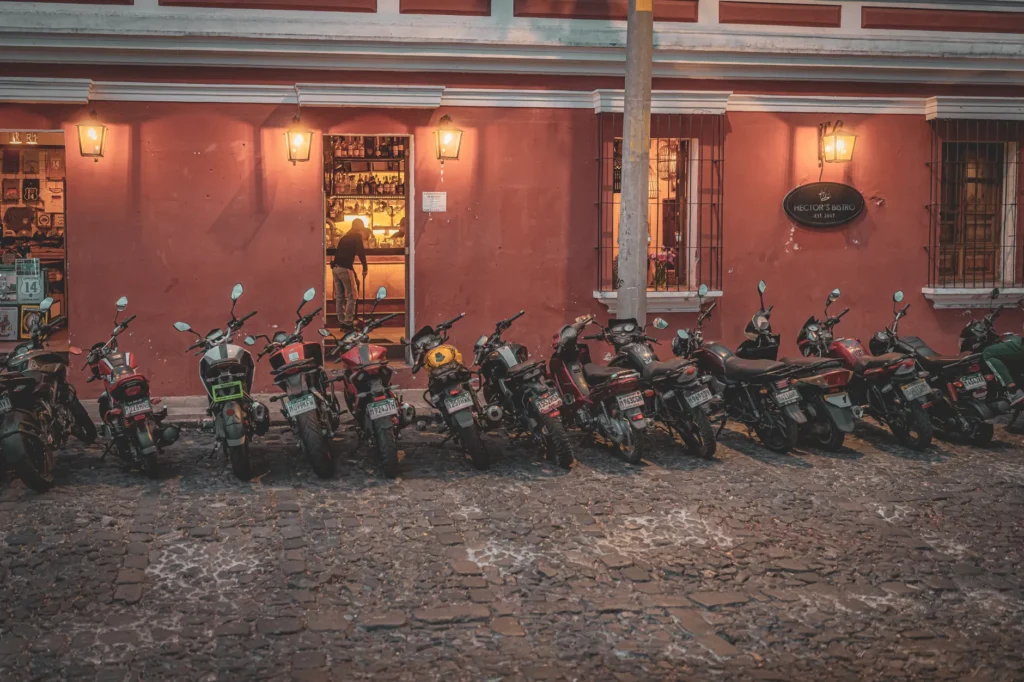
Why This Antigua Guatemala Food Guide Changes Your Trip

Imagine walking down a cobblestone street where the air smells of wood smoke and ripe plantains. This is antigua guatemala food culture in its purest form. Most visitors expect generic Latin American fare, but they are surprised by the depth of culinary tradition here. The city sits in a valley surrounded by volcanoes, which creates a unique microclimate for agriculture. This geography directly influences what ends up on your plate. You will not find the same dishes in Antigua as you would in coastal towns or the highlands. The food is hearty, spicy, and deeply rooted in indigenous and Spanish history. This guide focuses on practical advice for independent travelers. We avoid vague suggestions like "try local food" and instead name specific dishes, markets, and neighborhoods. You will learn how to read a menu, what to ask for, and how to avoid overpaying. We also address common pitfalls, such as food safety and cultural etiquette. The goal is to make you feel confident and prepared. Whether you are a solo traveler or part of a group, this information helps you plan a trip that is both enjoyable and respectful. We draw on insights from other regional guides, such as our Cusco Travel Guide 7 Amazing Hidden Gems, to highlight how colonial cities preserve culinary heritage. The parallels are striking. Both cities offer a blend of ancient and modern flavors. By the end of this article, you will have a clear understanding of the local food scene. You will know which dishes to prioritize and where to find them. We will also discuss the best times to visit for food festivals and seasonal specialties. This is not just a list of restaurants; it is a strategy for experiencing the culture through its cuisine. Let’s dive into the details. We will start with the distinct characteristics of the cuisine, then move on to specific dishes, markets, and practical tips. The information is structured to help you plan your itinerary efficiently. You can save this page for reference while you are in the city. Let’s get started on your culinary adventure.
The Distinctive Flavor Profile of Antigua Guatemala Food

The culinary identity of Antigua Guatemala stands out for several reasons. First, the use of corn is central. Corn tortillas are not just a staple; they are a cultural symbol. The way they are made, by hand on a comal, affects the texture and taste of every dish. Second, the spices are bold. Guatemalan cuisine relies heavily on achiote, cumin, and various chilies. These spices create a warm, complex flavor profile that is distinct from Mexican or Peruvian cooking. Third, the influence of indigenous Maya traditions is still strong. Many dishes have pre-Columbian origins, adapted over centuries. One key difference is the role of chocolate. In Antigua, chocolate is not just a dessert; it is a main ingredient in savory dishes. You might find mole sauce made with dark chocolate, adding a bitter depth that balances the heat. This is a tradition that dates back to the colonial era, when Spanish monks introduced chocolate to the region. Another distinctive element is the use of fresh herbs. Cilantro, oregano, and epazote are used generously. These fresh ingredients brighten the heavy, rich flavors of the meats and beans. The result is a cuisine that is both comforting and vibrant. The cooking methods also reflect the local environment. Clay pots are commonly used for stews, which allows the food to cook slowly and absorb the earthy flavors of the clay. This method is time-consuming but produces a tender, flavorful result. You will notice that many restaurants take their time preparing meals. This is not a sign of inefficiency; it is a sign of respect for the tradition. When you visit, be prepared to wait for your food. The wait is worth it. The attention to detail in preparation ensures that every dish is a celebration of local ingredients. This focus on quality and tradition sets antigua guatemala food apart from mass-produced tourist food. It is a culinary experience that engages all your senses. You can see the smoke, smell the spices, hear the sizzling, and taste the history. This is what makes the food scene here so special.
5 Essential Antigua Guatemala Food Dishes to Try

- Chapines: This is the national dish of Guatemala, and it is a must-try in Antigua. Chapines consists of rice, refried beans, and a large portion of shredded pork cooked in a spicy red sauce. The sauce is made with tomatoes, peppers, and achiote, giving it a deep red color and a rich flavor. The pork is usually tender and well-seasoned. You will often find chapines served with a side of fresh salad or pickled vegetables. The dish is hearty and satisfying, perfect for a main meal. It is a testament to the skill of local cooks in balancing flavors.
- Pastelitos: These are small, crispy pastries filled with various ingredients. Common fillings include chicken, pork, or cheese. The dough is made from corn or wheat and is fried until golden and crunchy. Pastelitos are a popular street food snack, often eaten with a cup of coffee or juice. They are portable and easy to eat on the go. The contrast between the crispy exterior and the soft, savory filling is delightful. You can find them at many street stalls and bakeries throughout the city.
- Pupusas: While more famous in El Salvador, pupusas are also popular in Antigua. These are thick corn tortillas stuffed with cheese, beans, or pork. They are served with curtido (pickled cabbage) and a salsa of choice. The texture is soft and chewy, and the flavors are simple but satisfying. Pupusas are a great option for a quick lunch or breakfast. They are affordable and widely available. Look for vendors with fresh corn dough for the best taste.
- Tamales: Tamales are corn dough filled with meat, beans, or vegetables, wrapped in banana leaves and steamed. In Antigua, you will find a variety of tamales, each with its own unique flavor. Some are sweet, while others are savory. They are often eaten for breakfast or as a snack. The banana leaf adds a subtle herbal note to the dish. Tamales are a labor of love, requiring hours of preparation. Eating one is a way to appreciate the dedication of local cooks.
- Chicharron: This is a dish of fried pork, often served with beans, rice, and salsa. The pork is crispy on the outside and tender on the inside. It is a popular street food item, often sold from carts or small stalls. Chicharron is a favorite among locals and tourists alike. The combination of textures and flavors is addictive. Be sure to try it with a fresh lime wedge to cut through the richness. This dish is a staple of the antigua guatemala food scene and should not be missed. It is a simple, honest food that reflects the daily life of the city. Each of these dishes offers a different aspect of the local culinary tradition. Together, they provide a comprehensive taste of what makes Antigua’s food so special. Try to sample at least three of these during your visit to get a well-rounded experience. The variety ensures that you will find something that suits your taste preferences. Whether you prefer spicy, savory, or sweet, there is something for everyone in this vibrant food landscape.
For more background on the area, see Antigua Guatemala on Wikipedia.
Best Markets and Street Food Spots in Antigua

The markets in Antigua Guatemala are the heart of the food scene. They are bustling, colorful, and full of life. The Central Market is the most famous, but there are several others worth visiting. Each market has its own character and specialty. The Central Market is a large, covered structure with rows of stalls selling everything from fresh produce to textiles. The food section is a highlight, with vendors selling fresh fruits, vegetables, and prepared dishes. You can buy ingredients to cook yourself or enjoy a ready-made meal on the spot. The atmosphere is lively, with the sounds of vendors calling out their wares and the smell of fresh food filling the air. Another great market is the Mercado de los Artesanos, which is known for its handicrafts but also has a good selection of food. Here, you can find a variety of street food options, including pastelitos, pupusas, and chicharron. The vendors are friendly and happy to answer questions about their products. The market is less crowded than the Central Market, making it a more relaxed place to explore. You can take your time browsing the stalls and sampling different foods. The Mercado de los Artesanos is also a good place to buy souvenirs, so you can combine your food shopping with your souvenir hunting. Street food is an essential part of the antigua guatemala food experience. You will find vendors selling food on every corner, from the main plaza to the quieter residential streets. The food is often cheaper than what you would find in a restaurant, and it is usually just as good, if not better. Some of the best street food spots are located near the churches and plazas, where foot traffic is high. Look for stalls with long lines of locals; this is a good sign that the food is fresh and tasty. Be sure to carry small bills for street food vendors, as they may not have change for larger bills. Street food is a great way to experience the local culture and meet new people. It is a more authentic and immersive way to eat than sitting in a restaurant. You can watch the food being prepared and interact with the vendors. This makes the experience more personal and memorable. Don’t be afraid to ask for recommendations from the locals. They are usually happy to share their favorite spots and dishes. This is one of the best ways to discover hidden gems in the food scene. The street food culture in Antigua is vibrant and ever-changing, so there is always something new to try. Keep an open mind and be willing to experiment with different flavors and combinations. You might find your new favorite dish at a small stall tucked away in an alley. The possibilities are endless, and the rewards are delicious. This is why the markets and street food spots are a must-visit for any food lover traveling to Antigua Guatemala.
Neighborhood Guide: Where to Eat Like a Local

Knowing where to eat is just as important as knowing what to eat. Antigua Guatemala is a compact city, but different neighborhoods have different food scenes. The area around the Plaza Mayor is the most touristy, with many restaurants catering to visitors. While the food here is generally good, it can be more expensive and less authentic. If you want to eat like a local, you should venture a bit further from the center. The Zona 3 and Zona 4 areas are popular with locals and offer a wider range of dining options. These neighborhoods are quieter and more residential, with a mix of traditional eateries and modern cafes. In Zona 3, you will find many small, family-run restaurants that serve home-cooked meals. These places are often unassuming, with no fancy decor, but the food is excellent. Ask your hotel staff or taxi drivers for recommendations, as they know the best spots. They can point you to the places where locals go for their daily meals. These restaurants often have a fixed menu, which changes daily based on available ingredients. This means you can expect a fresh, seasonal meal every time you visit. The prices are also more reasonable than in the tourist area. You can enjoy a full meal for a fraction of the cost. Another area worth exploring is the Zona 5, which is known for its artisan workshops and galleries. While it is more focused on art and culture, there are several good cafes and restaurants in the area. These places often have a more upscale atmosphere, with a focus on quality ingredients and presentation. They are a good option for a special dinner or a romantic outing. The food here is often a fusion of traditional Guatemalan and international cuisines, offering a unique dining experience. You can expect to find dishes that are creative and well-executed. The ambiance is relaxed and artistic, making it a pleasant place to spend an evening. For breakfast, the Zona 1 area is a good choice. It is close to the central market and has a variety of bakeries and cafes. You can start your day with a fresh pastry and a cup of coffee, watching the city wake up. The morning light is beautiful, and the atmosphere is peaceful. This is a great way to begin your day before heading out to explore the city. Each neighborhood has its own charm and culinary offerings. By exploring different areas, you can get a well-rounded view of the antigua guatemala food scene. You will discover new favorites and hidden gems that you might have missed otherwise. Take your time and explore at your own pace. The city is walkable, so you can easily move from one neighborhood to another. Bring a map and a camera to capture the beautiful streets and delicious food. This is the best way to experience the city’s culinary diversity. Don’t limit yourself to one area; try to sample food from different parts of the city. This will give you a deeper understanding of the local food culture and help you plan your itinerary more effectively. The variety is one of the greatest strengths of Antigua’s food scene, so make the most of it.
Best Time to Visit for Food Festivals and Seasonal Dishes

Timing your visit can significantly enhance your food experience in Antigua Guatemala. The city has a vibrant calendar of food festivals and events throughout the year. These events are a great way to experience the local culture and try seasonal dishes. One of the most popular events is the Feria de Antigua, which takes place in September. This week-long festival celebrates the patron saint of the city and features a variety of food stalls, live music, and cultural performances. You can try a wide range of traditional dishes, many of which are only available during this time. The atmosphere is festive and lively, making it a memorable experience. Another important time to visit is during the rainy season, from May to October. This is when the local agriculture is at its peak, and you can find the freshest ingredients. Fruits like mangoes, papayas, and avocados are abundant and at their best. You can also find seasonal vegetables and herbs that are not available during the dry season. The weather is humid, but the food is worth it. Many restaurants offer special menus during this time, featuring dishes made with fresh, local produce. It is a great opportunity to try new flavors and combinations. The dry season, from November to April, is also a good time to visit, especially for those who prefer milder weather. The food scene is still vibrant, and you can find a wide variety of dishes. However, some seasonal ingredients may be less available. The dry season is also when many tourists visit, so you can expect higher prices and longer lines at popular restaurants. To avoid the crowds, consider visiting during the shoulder seasons, such as late April or early November. These months offer a balance of good weather and fewer tourists. You can enjoy the food scene without the hassle of large crowds. It is also worth noting that some restaurants close for a few days during major holidays, such as Christmas and Easter. If you are planning to visit during these times, it is a good idea to check the opening hours in advance. You can find this information on the restaurant’s website or by calling them directly. Planning your visit around food festivals and seasonal availability can make your trip more enjoyable and rewarding. You will have the opportunity to try the best of what the city has to offer. Keep an eye on the local calendar and plan accordingly. This will ensure that you do not miss out on any special events or dishes. The antigua guatemala food scene is dynamic and ever-changing, so there is always something new to discover. By timing your visit strategically, you can make the most of your culinary adventure. Whether you are a foodie or just a casual eater, there is something for everyone in Antigua. Make the most of your time and enjoy the delicious flavors that this city has to offer. The right time to visit can make all the difference in your food experience. So, plan ahead and get ready to taste the best of Antigua Guatemala.
Practical Tips for Eating Like a Local

To truly enjoy the antigua guatemala food experience, you need to know a few practical tips. First, learn some basic Spanish phrases. Even if you only know a few words, it will help you communicate with vendors and waiters. Phrases like "por favor" (please), "gracias" (thank you), and "delicioso" (delicious) go a long way. They show that you are making an effort to connect with the local culture. This can lead to better service and a more positive experience. Second, be mindful of food safety. While the food in Antigua is generally safe, it is always a good idea to be cautious. Stick to restaurants and street vendors that have a good reputation. Look for places with a steady stream of local customers, as this is a good sign that the food is fresh and safe. Avoid eating raw vegetables or fruits that have been peeled by someone else, unless you are sure they are clean. Drink bottled water or water that has been filtered. These simple precautions can help you avoid any stomach issues. Third, be prepared to pay in cash. Many street vendors and small restaurants do not accept credit cards. It is a good idea to carry small bills and coins for tips and street food. You can withdraw cash from ATMs in the city center, but be aware of any fees. It is also a good idea to exchange some money at a reputable exchange office before you start eating. This will ensure that you have enough cash on hand. Finally, be respectful of local customs. In many restaurants, it is customary to tip 10-15% of the bill. Check the menu to see if a service charge has already been added. If not, leave a tip for good service. Also, be mindful of the noise level in restaurants. Some places are quiet and intimate, while others are lively and bustling. Adjust your behavior accordingly to ensure a pleasant experience for everyone. These tips will help you navigate the food scene with confidence and ease. They will also help you show respect for the local culture and traditions. By following these simple guidelines, you can make the most of your culinary adventure in Antigua Guatemala. Remember, the goal is to enjoy the food and the culture, not just to eat. Take your time, savor each bite, and appreciate the effort that goes into preparing the meals. This is the best way to experience the heart of the city through its cuisine. You will leave with a deeper appreciation for the local food culture and a full stomach. The practical aspects of eating like a local are just as important as the taste. So, use these tips to plan your trip and make the most of your time in Antigua.
A 3-Day Food-Focused Itinerary for Antigua Guatemala

Day 1: Start your trip with a breakfast of pupusas and coffee at a local cafe in Zona 1. After breakfast, head to the Central Market to browse the stalls and buy some fresh fruit. For lunch, try chapines at a family-run restaurant in Zona 3. In the afternoon, visit the Museo de Arte Colonial and then head to a bakery for some pastelitos. End your day with a dinner of tamales at a traditional eatery. This day gives you a good overview of the different types of food available in the city. Day 2: Start with a breakfast of chicharron and beans at a street vendor. Spend the morning exploring the Zona 5 area and visiting some artisan workshops. For lunch, try a fusion dish at a modern restaurant in Zona 5. In the afternoon, take a cooking class to learn how to make mole or tamales. This is a great way to deepen your understanding of the local cuisine. End your day with a dinner of grilled fish and vegetables at a restaurant with a view of the volcanoes. This day offers a mix of traditional and modern food experiences. Day 3: Start with a breakfast of fresh fruit and yogurt at a health food cafe. Spend the morning visiting the local farmers market to buy some ingredients for a picnic. For lunch, have a picnic in a park or garden with the food you bought. In the afternoon, visit a chocolate factory to learn about the history of chocolate in Guatemala. End your day with a dinner of a multi-course meal at a fine dining restaurant. This day focuses on the quality and origin of the ingredients. It is a more relaxed and leisurely day that allows you to appreciate the finer details of the food. This itinerary is just a suggestion, and you can adjust it to fit your interests and schedule. The key is to balance eating with exploring and relaxing. Don’t try to cram too much into one day. Take your time and enjoy each experience. The antigua guatemala food scene is diverse and rich, so there is always something new to discover. Use this itinerary as a starting point and make it your own. You can swap out days or add extra activities as you see fit. The goal is to have a memorable and enjoyable trip. By following this plan, you will get a well-rounded view of the local food culture. You will try a variety of dishes, meet new people, and create lasting memories. This is the best way to experience the culinary heart of Antigua Guatemala. Make sure to save this itinerary for reference while you are in the city. It will help you stay organized and make the most of your time. Enjoy your culinary adventure and bon appétit! The food is just the beginning of the story. The culture, the people, and the history are what make the experience truly special. So, open your mind and your appetite, and get ready to be amazed by the flavors of Antigua.
More guides you may like: Tikal Food Guide: 7 Amazing Dishes
Free Antigua Guatemala trip checklist
Get the printable itinerary outline and packing checklist for Antigua Guatemala, sent straight to your inbox.
No spam. One email with your checklist.